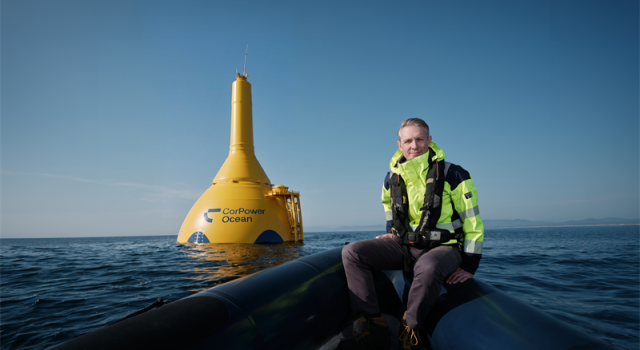
30.07.2026 CorPower Ocean Achieves First-Ever DNV Certification for Wave Energy Converter A world-first DNV certification for CorPower Ocean’s wave energy converter could help unlock project finance and accelerate investment in commercial wave energy.
30.07.2026 CorPower Ocean Achieves First-Ever DNV Certification for Wave Energy Converter A world-first DNV certification for CorPower Ocean’s wave energy converter could help unlock project finance and accelerate investment in commercial wave energy.
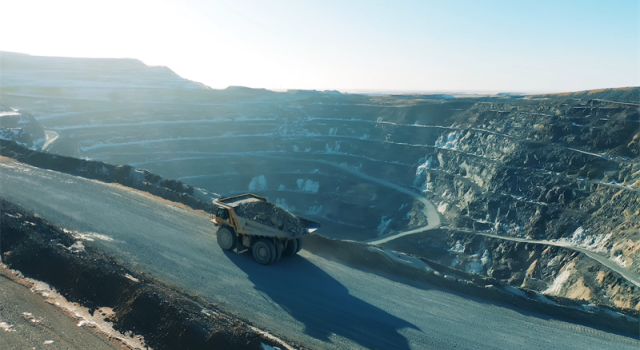
30.07.2026 Epiroc Expands Autonomous Haulage Technology to the Aggregates Industry Epiroc will deploy its LinkOA autonomous haulage system at a Heidelberg Materials quarry in Western Australia, marking the technology’s first application in the aggregates sector.
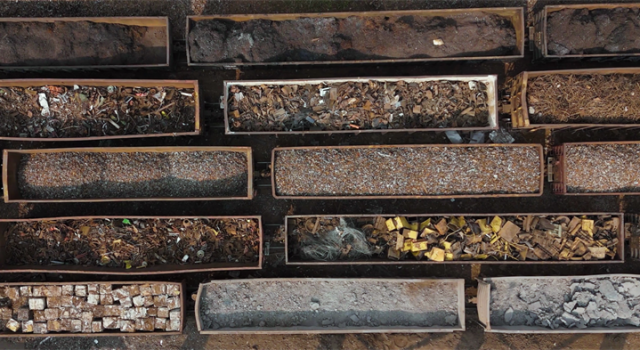
30.07.2026 SSAB, Greenbrier and Alter Launch Closed-Loop Steel Recycling Initiative in the U.S. The partnership combines steel production, rail logistics and metal recycling to advance circularity and lower emissions in the steel value chain.
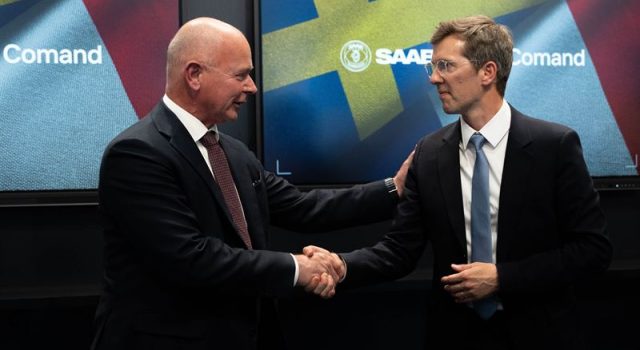
23.06.2026 Saab Invests in Comand AI to Strengthen European Defence Sector The investment brings French AI expertise into Saab’s defence technology development ecosystem.
22.06.2026 New Integrated Platform Combines Solar Tracker Monitoring with Robotic Inspection GameChange Solar Partners with Raptor Maps to Deliver First Integrated Solar Tracker Monitoring and Robotic Inspection System