The Future of Asset Management: Where People and Technology Must Converge
Why the Future of Asset Management is about People as much as Technology? Maintenance and Asset Management are entering a decisive decade. According to the NVDO Maintenance Compass 2025, the sector faces a convergence of major developments: rapid digitalisation, a growing shortage of experienced technicians, and increasing pressure from the energy transition and sustainability goals.
We spoke with Ellen den Broeder-Ooijevaar, General Manager of the Dutch Maintenance Society, NVDO, about the key insights from the research and what they mean for organizations responsible for maintaining critical assets. “Maintenance has always been about reliability and continuity,” she explains. “But the context in which we operate is changing dramatically. Technology, workforce dynamics and societal expectations are all evolving at the same time”.
The Loss of Craftsmanship in the Age of Automation. One of the most striking findings in the NVDO research concerns the labour culture in Maintenance. What is happening according to the recent Dutch Maintenance Compass?

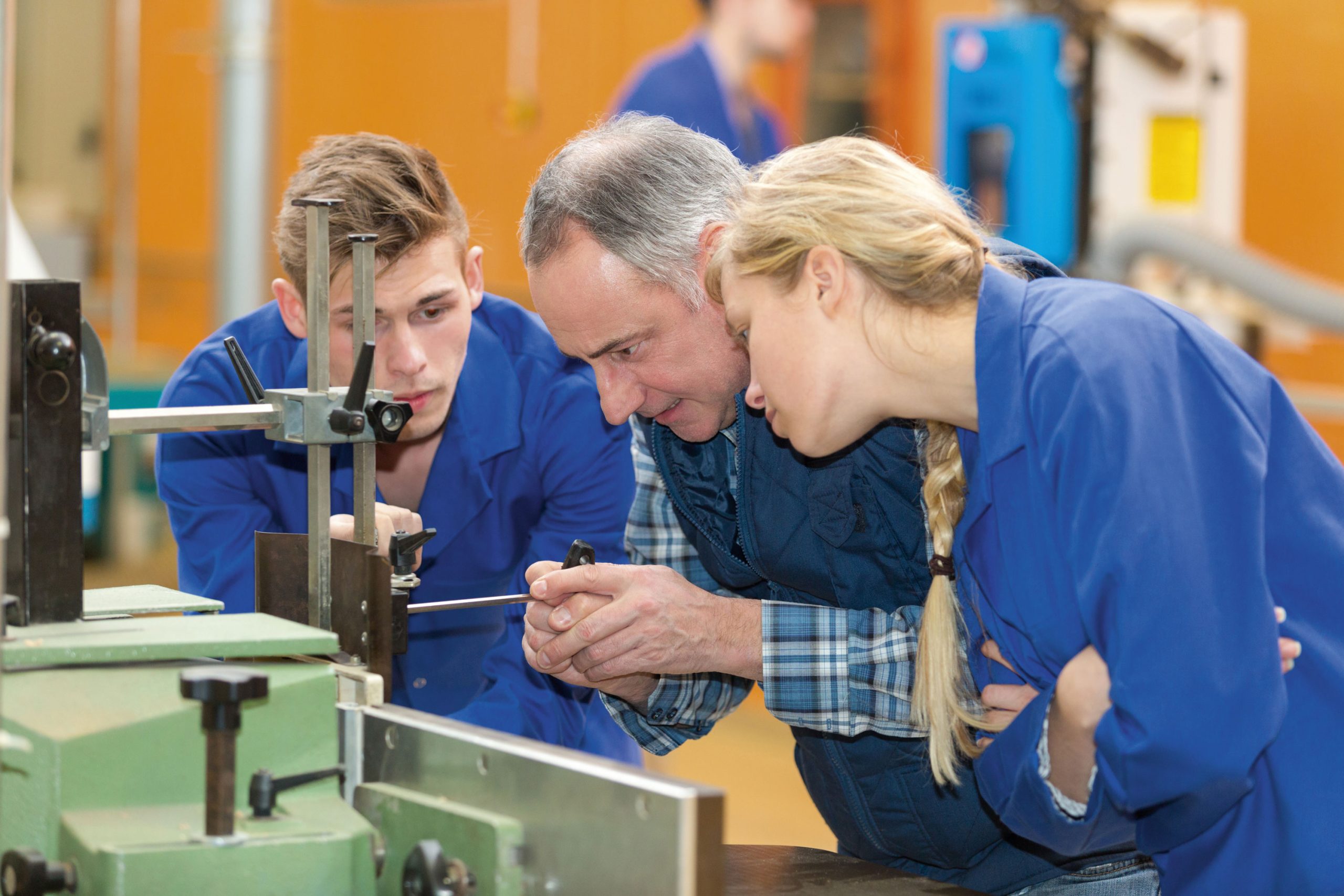
Den Broeder: “We see a clear shift. Traditionally, Maintenance relied heavily on craftsmanship passed down from generation to generation. Many technicians learned their trade through experience on the shop floor. But that type of knowledge transfer is under pressure”.
According to NVDO’s findings, many experienced professionals are approaching retirement while fewer young technicians enter the field. “This creates a knowledge gap,” Den Broeder says.
“When craftsmanship disappears without being properly transferred, organizations become vulnerable in terms of quality, safety and operational continuity.”
At the same time, the expectations of the younger workforce are different. “Young professionals want flexibility, autonomy and meaningful work. Organizations therefore need to rethink how they attract, develop and retain talent in Maintenance.”
Digitalisation is changing the game. At the same time, technology is evolving rapidly. How does digitalisation affect Maintenance according to NVDO’s Maintenance Compass?
Den Broeder: “Digitalisation is transforming Maintenance into a much more data-driven discipline. Sensors, predictive analytics and digital platforms allow us to monitor assets continuously and anticipate failures instead of reacting to them.”
This shift fundamentally changes the role of Maintenance professionals. “In the past, Maintenance was often reactive. Today, the goal is predictive and strategic Asset Management. That requires different competencies: data interpretation, systems thinking and collaboration across departments.”
However, she emphasizes that technology alone is not enough. “Digital tools are powerful, but they must be embedded in the right culture and processes. Without skilled people who understand both the assets and the data, digitalisation will not deliver its full value.”
Maintenance in the Age of Sustainability. Sustainability also plays an important role in the NVDO research. How does Maintenance contribute to that transition?
“Maintenance is actually a crucial enabler of sustainability. Well-maintained assets consume less energy, operate more efficiently and last longer. That directly contributes to climate goals and circularity.”
Organizations increasingly recognise that Asset Management is not just about reliability and cost control, but also about environmental impact. “Extending the lifetime of installations, improving energy efficiency and preventing unnecessary replacements all contribute to a more sustainable industry.” In other words, Maintenance has moved from a supporting role to a strategic one. “Asset Management is now directly linked to corporate strategy.”
From Maintenance Department to Strategic Function in Modern Asset Management. Another important conclusion from the NVDO Maintenance Compass is the growing strategic importance of Maintenance within organizations.
“Historically, Maintenance was often seen as a cost centre,” Den Broeder explains. “But leading organizations increasingly recognise it as a value driver.” Reliable assets are essential for productivity, safety and sustainability. As a result, Maintenance professionals are becoming more involved in strategic decision-making. “We see Maintenance leaders participating in boardroom discussions about asset strategy, risk management and long-term investments. That is a major step forward for the profession.”
The Human Factor Remains Crucial in an Increasingly Digitalised Maintenance Environment. Despite the rise of digital technologies and data-driven approaches, Den Broeder stresses that people remain at the heart of Maintenance.
“Technology can support us, but craftsmanship and expertise are irreplaceable. The challenge is to combine traditional knowledge with new digital capabilities.”
This is why NVDO focuses strongly on education and knowledge development. “We work closely with industry, education and government to strengthen the Maintenance profession. Initiatives such as learning programmes and knowledge platforms help professionals develop the skills needed for the future.”
Collaboration Across the Ecosystem. Another trend highlighted in the research is the growing need for collaboration. Maintenance challenges are becoming more complex and often extend beyond the boundaries of a single organization.
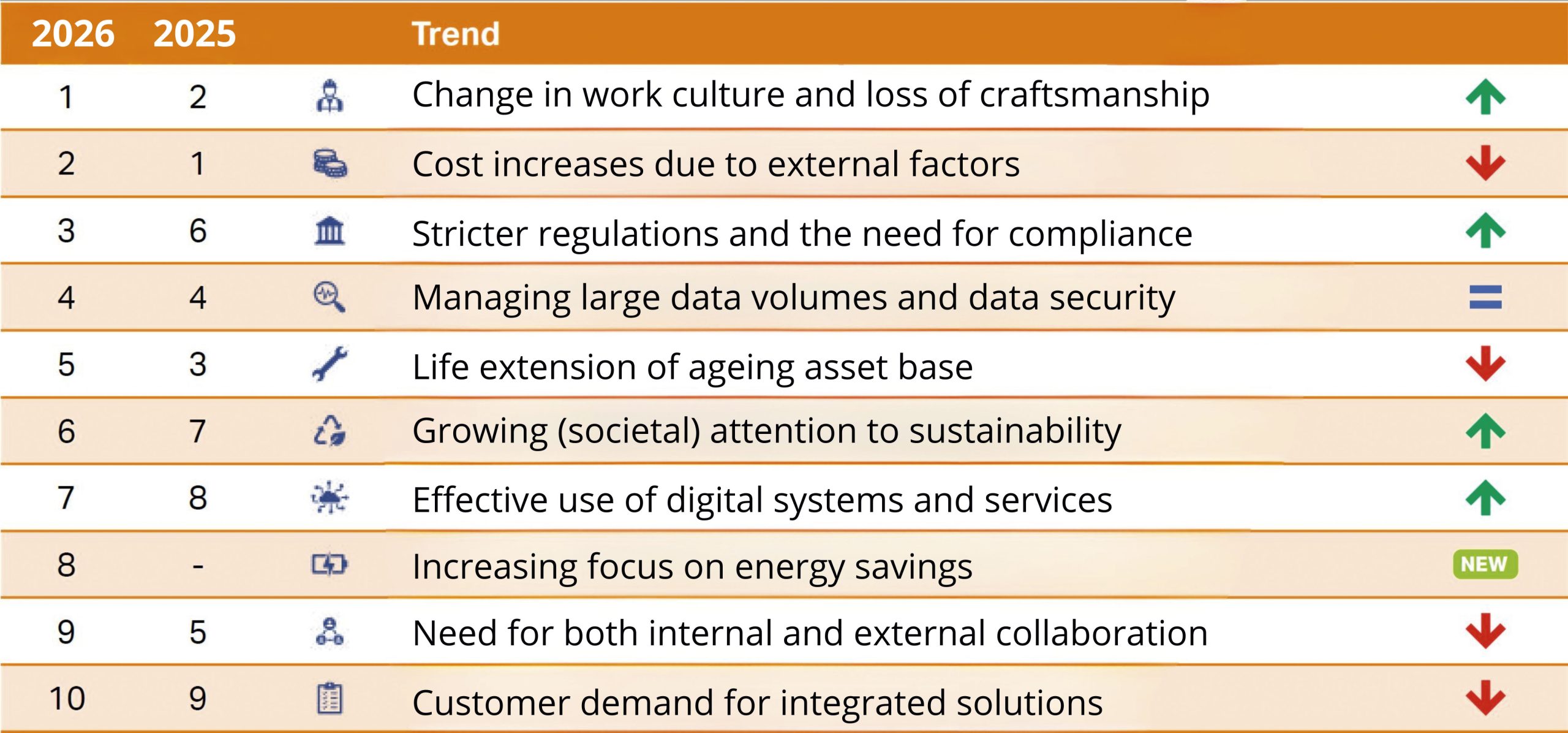
“Supply chains are more interconnected than ever,” Den Broeder says. “Maintenance performance increasingly depends on collaboration between asset owners, service providers, technology suppliers and knowledge institutions.”
Sharing knowledge and best practices therefore becomes essential. “That is exactly the role NVDO aims to fulfil: bringing together professionals from different sectors to exchange insights and accelerate innovation.”
If you look ahead, what will determine success in Maintenance and Asset Management? Den Broeder does not hesitate. “The organizations that succeed will be those that balance technology with human expertise.” They will invest in digital tools, but also in people. They will treat Maintenance not as an operational necessity, but as a strategic capability. “And above all, they will understand that reliability, sustainability and innovation are closely connected.”
She concludes with a clear message; “Maintenance is no longer just about fixing things. It is about managing assets intelligently, sustainably and strategically. That makes our field more important than ever.”
Key Signals from the NVDO Maintenance Compass
• A significant shift in labour culture and a shortage of experienced technicians
• Rapid digitalisation of Maintenance and Asset Management
• Increasing importance of sustainability and energy efficiency
• Growing recognition of Maintenance as a strategic business function
• Stronger need for collaboration across the industrial ecosystem
About the Author:
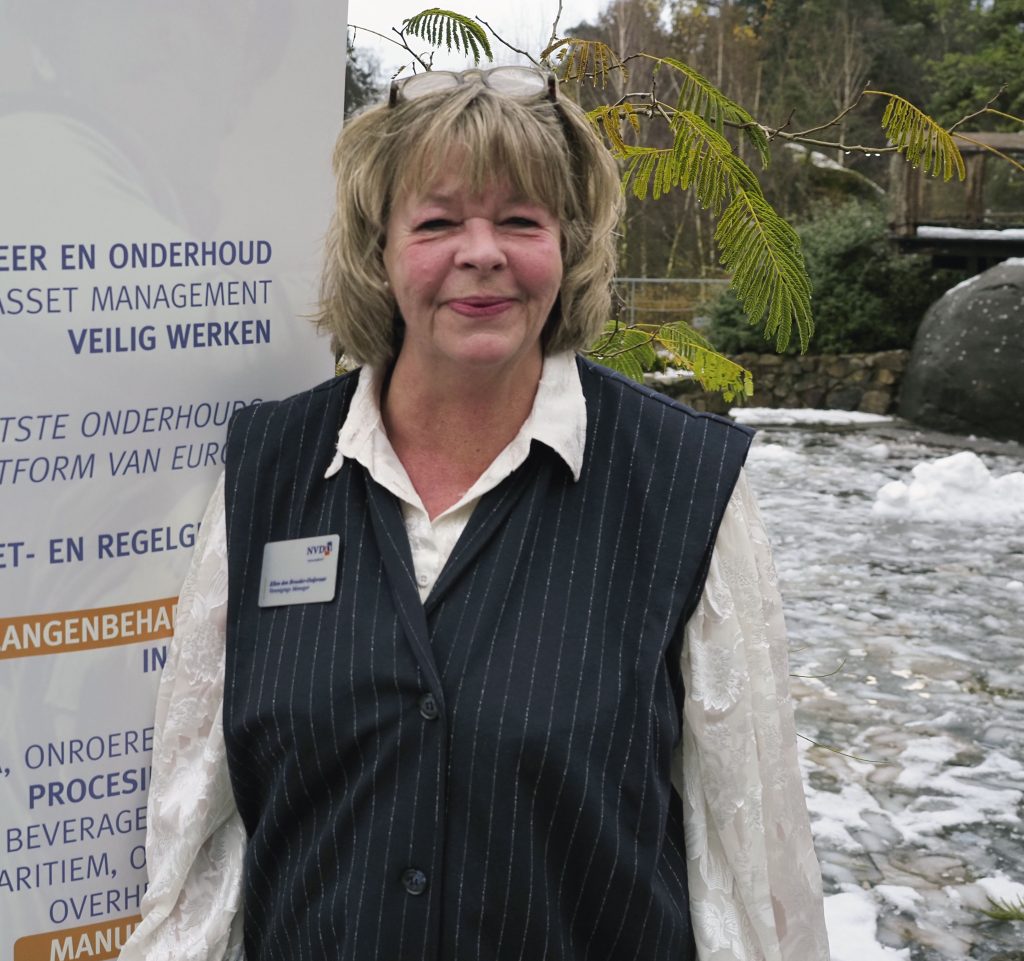
Ellen den Broeder-Ooijevaar, General Manager NVDO; “The biggest transformation in Maintenance is not only digital. It is cultural. Organizations must rediscover craftsmanship while embracing data-driven Asset Management”



Subscribe to the free Maintworld newsletter here!
Latest