

Sweden Studies Solar Panel Reuse as Europe Faces a Mounting Waste Challenge
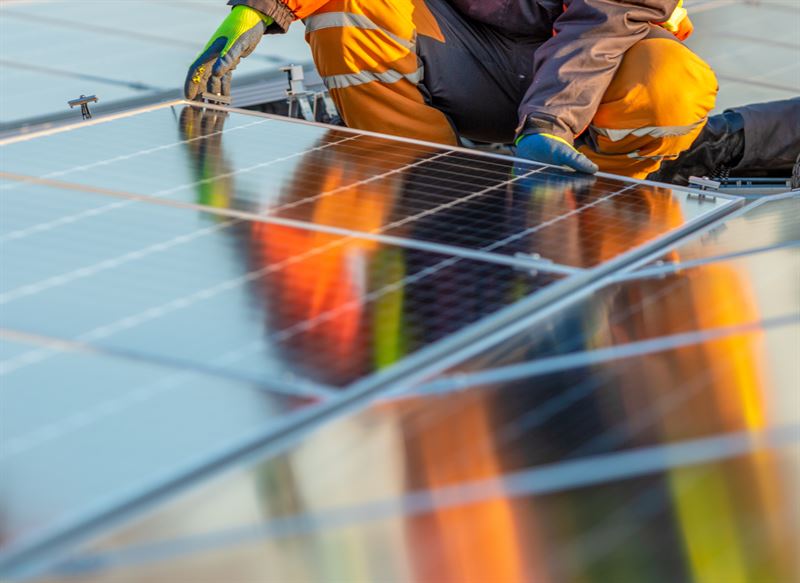
The European Commission estimates that the EU could accumulate more than 20 million tonnes of end-of-life solar panels by 2050.
A new Swedish roadmap argues that many panels removed from service should not automatically be treated as waste.
Solar power has become one of Sweden’s fastest-growing sources of electricity. The rapid expansion is creating a future challenge for the industry: how to manage the growing flow of panels that are replaced, damaged or decommissioned.

A Swedish project, CircSolar, is examining how solar panels can remain in use for longer through maintenance, repair and reuse. The project has brought together researchers from KTH Royal Institute of Technology, the Axfoundation and companies from the solar, recycling and producer-responsibility sectors.
“Not everything that gets discarded has reached the end of its functional life,” says Beatriz Pérez Horno, a circular-economy researcher at KTH.
According to the project, panels leaving solar installations include units that are no longer functional, but also panels that can be repaired, reused or have been replaced before the end of their technical lifetime. More systematic quality and safety testing would be needed to determine the most appropriate route for each panel.
The CircSolar roadmap forecasts that Sweden could need to manage between 40,000 and 150,000 tonnes of end-of-life solar panels annually by around 2060. Larger volumes are expected to emerge from about 2035 as the country’s rapidly growing solar fleet ages and older installations are upgraded.
The roadmap identifies three priorities: extending the lifetime of functioning panels, developing specialised recycling and strengthening producer responsibility, traceability and data on future panel flows.
The issue is also one of materials
Solar panels consist largely of glass, aluminium, plastics and silicon, as well as smaller quantities of metals such as silver and copper. Keeping these materials in circulation could reduce both waste and the need for virgin raw materials.
Specialised solar-panel recycling capacity is still developing in Europe. The Swedish roadmap proposes a gradual approach in which the country first uses specialised facilities elsewhere in Europe and invests in domestic capacity as material volumes grow.
For the solar industry, the message is clear: circularity must be built into the value chain before the first large wave of decommissioned panels arrives. Reuse, repair and high-value recycling will require cooperation between manufacturers, solar developers, recyclers, policymakers and owners of solar installations.



Subscribe to the free Maintworld newsletter here!

Latest