
Sewage Sludge Isn’t Just Waste Anymore — Utilities Are Becoming Resource Factories
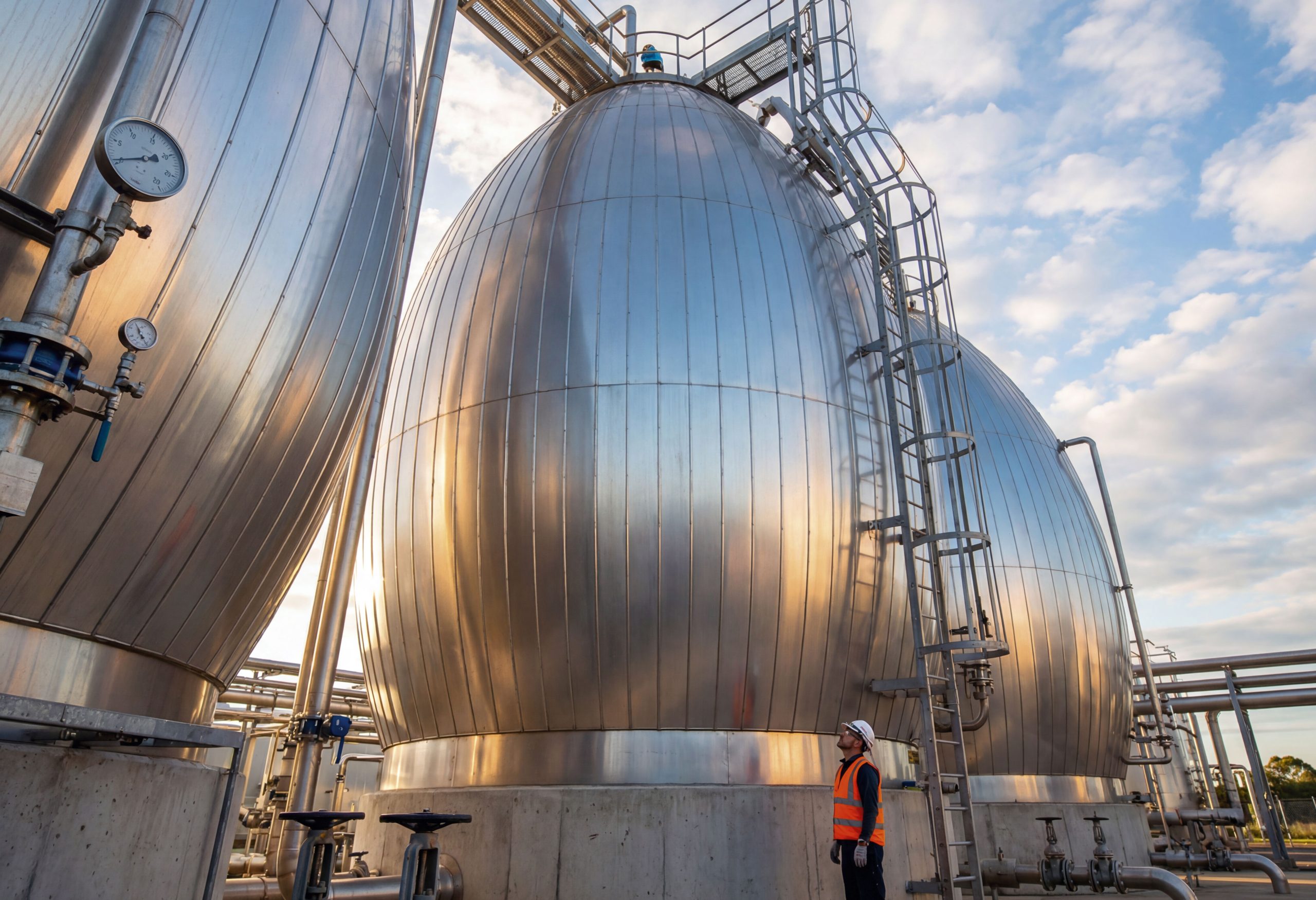
Energy, nutrients, and carbon products are moving into the core of wastewater operations. But what does that shift look like in practice?
For decades, sewage sludge was the part of wastewater treatment utilities preferred not to talk about. It was heavy, wet, costly to move, and ultimately something to dispose of. That framing is now changing fast and not just in policy documents or sustainability reports, but in day-to-day plant design and operations.
Across Europe and North America, wastewater utilities are beginning to treat sludge not as a disposal problem, but as a feedstock. Energy, nutrients, and even carbon products are being extracted from what used to be written off as waste.

The shift is often described in policy language—circular economy, resource efficiency, decarbonisation—but its real meaning only becomes clear when you look at how plants are operating.
“This is not just a conceptual change. It is an operational one,” says Water & Sanitation Expert, Eng. Ayman Abdallah AbuRowaa.
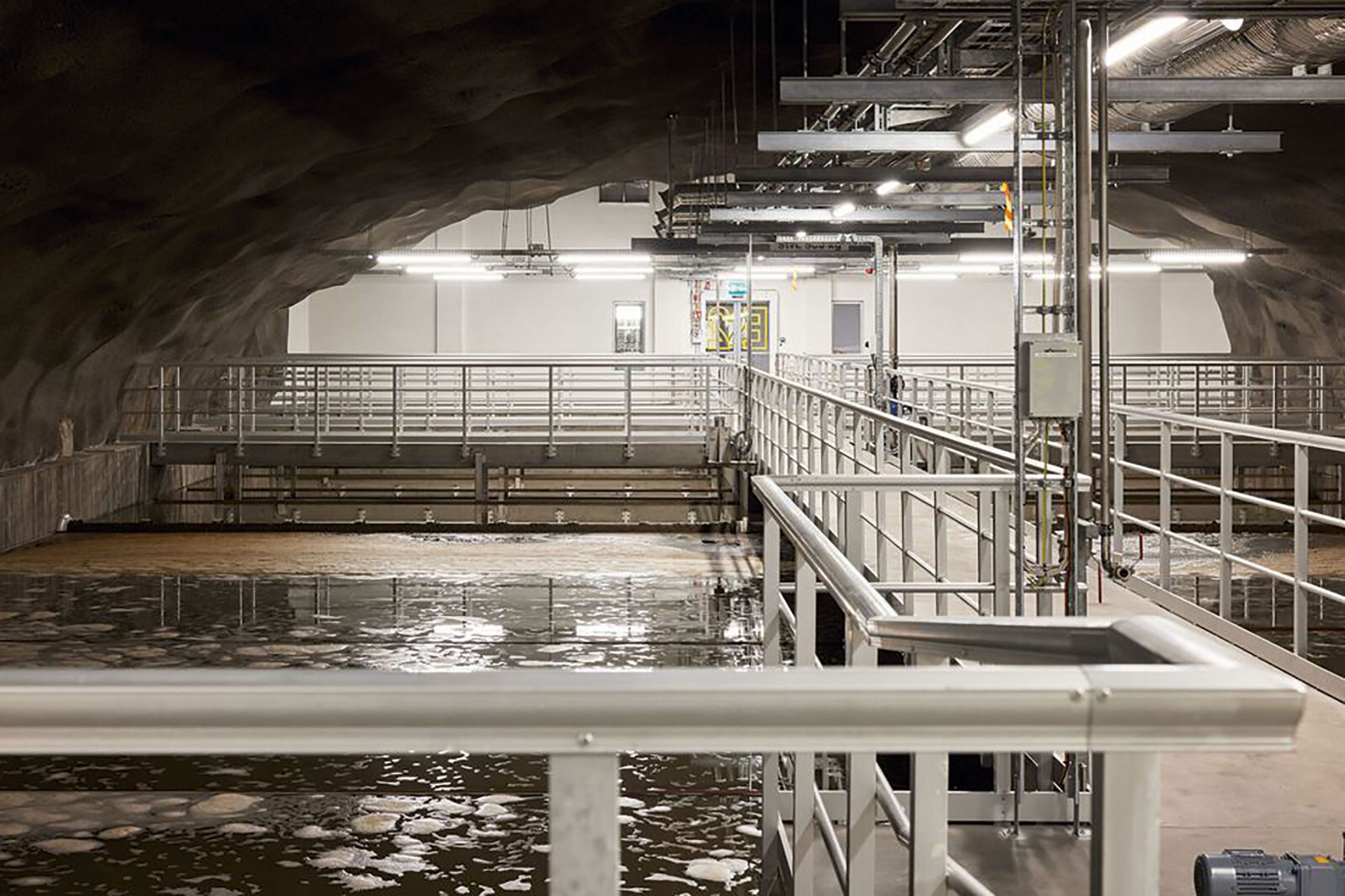
The industry’s terminology hints at the scale of the shift. Wastewater treatment plants (WWTPs) are increasingly being reframed as water resource recovery facilities (WRRFs). This distinction matters.
“It’s not just rebranding. The direction of travel is clear,” AbuRowaa notes.
A traditional plant is designed to remove contaminants from water as efficiently and safely as possible. A resource recovery facility is designed to do that and extract value from the residual streams at the same time.
In practice, this means that sludge is no longer the end of the process. It becomes the starting point for a set of parallel production lines.
An example of such transition that is already underway is at WSSC Water in Maryland, United States. There, enhanced biological phosphorus removal is already part of the core treatment process, biogas production is being scaled up, and the utility is now exploring how to recover phosphorus from biosolids as a marketable product.
None of these steps, on their own, is revolutionary. Together, they signal something more fundamental: a steady move away from “treat and dispose” toward “recover and reuse.”
AbuRowaa notes that the “resource” in sludge is not a single product but a portfolio of many potential outputs.
Biogas is the most established pathway. Through anaerobic digestion, sludge is broken down by microorganisms, producing methane-rich gas. Many large utilities already use this gas on-site to generate electricity and heat, reducing their reliance on external energy. Some go further, upgrading the gas and injecting it into the grid or selling it as transport fuel.
Nutrient recovery is moving from niche to mainstream. Technologies such as struvite precipitation allow utilities to extract phosphorus and nitrogen from sludge streams and convert them into slow-release fertilizers. Given that phosphorus is a finite and geopolitically concentrated resource, this has both economic and strategic value.
Nutrient recovery can cut chemical costs, reduce biosolids volumes (which cuts hauling fees), and generate offtake revenue from fertilizer products. Ostara, one of the best-known companies in wastewater nutrient recovery and similar players now offer turnkey deals with multi-year fertilizer offtake agreements, which shifts the risk profile for a utility that doesn’t want to become a commodity trader.
One Croatian techno-economic study found struvite recovery — the process of crystallising phosphorus into a slow-release fertilizer — to be the top-ranked option when economic and environmental criteria are evaluated together. It’s a finding that matters, AbuRowaa notes, because “green” and “cheap” so rarely point in the same direction.
Biosolids products—treated sludge used in agriculture or landscaping—remain a major outlet. In higher-grade forms, these materials can be composted, packaged, and sold rather than simply disposed of. Beyond these, newer pathways are emerging. Pyrolysis can convert sludge into biochar, a stable carbon material with applications in soil improvement and carbon sequestration.
Other – more experimental routes – include incorporating sludge into construction materials such as bricks or cement blends.
Taken together, these streams begin to resemble a small industrial ecosystem rather than a waste operation.
In Finland, Helsinki Region Environmental Services (HSY) offers a concrete example of how this shift plays out at scale.
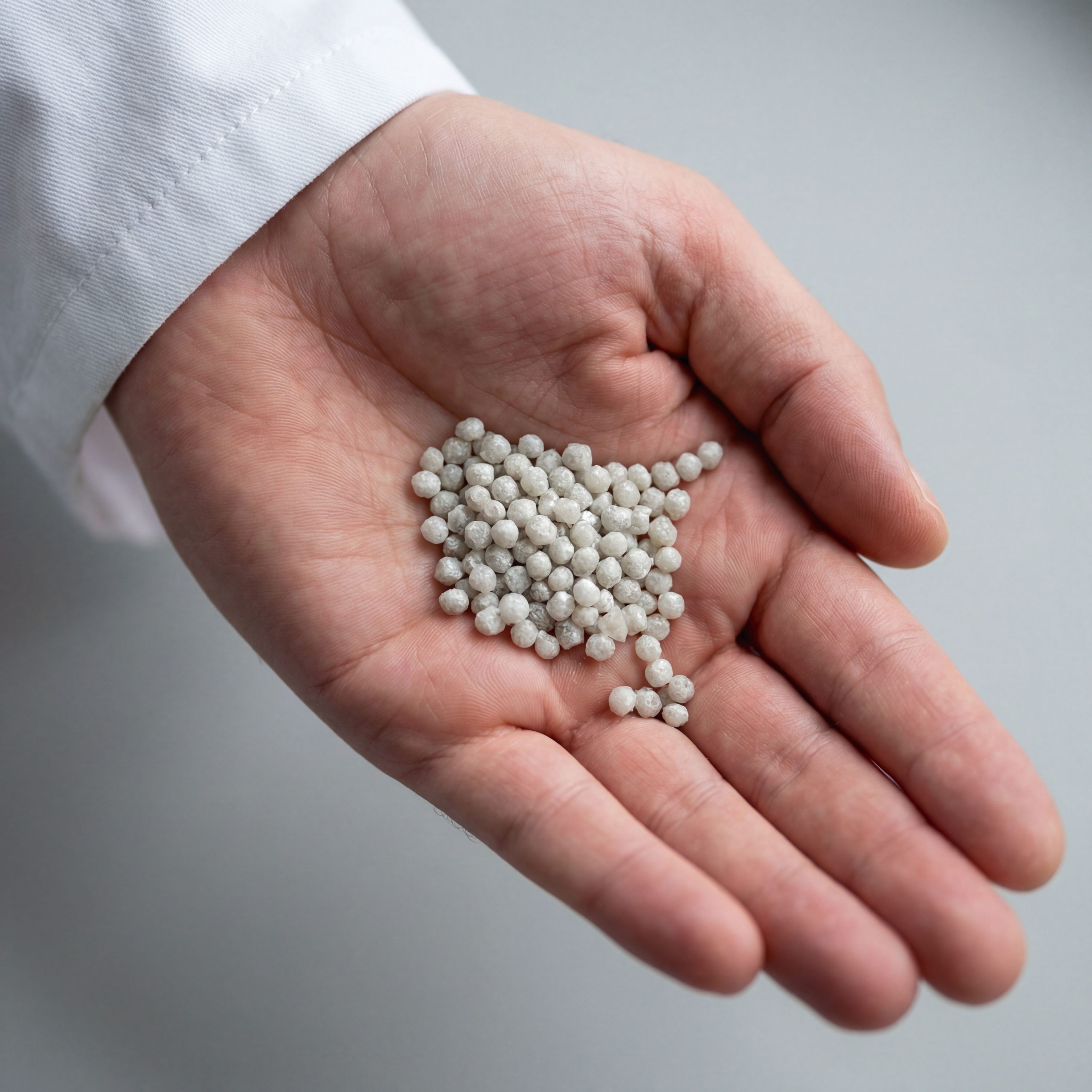
HSY operates the Viikinmäki and Blominmäki wastewater treatment plants, which serve the Helsinki metropolitan area. Both facilities already integrate energy and nutrient recovery into their core operations.
Biogas produced from sludge digestion is used to generate electricity and heat, bringing the plants close to—or in some cases effectively at—energy self-sufficiency. This is not a marginal gain; it directly reduces operating costs and exposure to energy price volatility, AbuRowaa says.
On the materials side, dewatered sludge is processed into compost products, recycling significant quantities of phosphorus and nitrogen back into agricultural and landscaping use. Rather than leaving the system as waste, these nutrients re-enter the economy.
HSY has also works with Gasum, the Nordic energy company that specialises in biogas upgrading and distribution, to turn raw digester gas into transport-
grade fuel. This extends the value chain beyond the plant itself resulting in a clear “sludge-to-energy” pathway and links wastewater treatment directly with the wider energy system.
“This is not a pilot or demonstration project. It is standard operation,” AbuRowaa notes.
The same pattern is visible elsewhere. At the Blue Plains facility in Washington, D.C., United States, operated by DC Water, sludge is processed into a branded soil product marketed to farmers, landscapers, and even home gardeners. The plant combines advanced digestion technologies with large-scale production, turning what was once a disposal challenge into a recognizable commercial output. Examples like these matter as they show that the shift is not confined to one regulatory environment or geography. It reflects a broader change in how utilities think about their role.

So, why the shift is happening now? Three forces are driving this transition, AbuRowaa says.
First, economics. Resource recovery can offset operating costs—through energy savings, reduced chemical use, and lower volumes of material requiring disposal. While the revenues are rarely transformative on their own, they improve the overall cost structure.
Second, risk. Traditional disposal routes are becoming less reliable. Landfills are reaching capacity, incineration faces tighter emissions standards, and agricultural reuse is under increasing scrutiny.
Utilities that depend on a single outlet for sludge face growing uncertainty. Diversifying into multiple recovery pathways provides resilience.
Third, policy and climate pressure. Cities and utilities are under increasing pressure to reduce emissions and move toward circular systems. Biogas can displace fossil fuels, and nutrient recovery reduces reliance on mined resources. These benefits are increasingly reflected in regulatory frameworks and long-term planning.
The direction of travel is clear: sludge is being repositioned as a resource. But the shift brings complexity with it, AbuRowaa notes.
Resource-recovery systems are more technologically demanding, more capital-intensive, and more sensitive to operational conditions than traditional disposal routes. They also depend on markets—for energy, fertilizers, or materials—that can be volatile or policy-dependent.
In other words, the story does not end with “waste becomes resource.” That is where it begins. The next question is harder: does this model work—economically, operationally, and at scale?
“That is where the optimism around sludge circularity starts to meet reality,” AbuRowaa says.
As plants shift from simple disposal systems to multi-stream production facilities, the operational demands rise sharply. More equipment, more sensors, more biological processes running in parallel leave far less room for failure. A digester that once served a single purpose can now feed heat recovery, gas upgrading, nutrient extraction, and downstream solids processing. A “hiccup” in one line can spread across the entire system.
That interdependence changes the nature of risk. In a conventional plant, a pump failure or a clogged line is an operational headache. In a resource-recovery facility, the same failure can halt biogas production, disrupt nutrient recovery, damage equipment, and trigger costly downtime. The more value a plant extracts, the more vulnerable it becomes to small disruptions.
One issue, AbuRowaa points out, is certain: the success of these new systems depends on something often far less visible. Maintenance.
“Maintenance is one of those topics that sounds boring — until the digester fails on a Tuesday afternoon and suddenly the whole circular economy story falls apart.”
A 2026 review by IWA Publishing notes that as utilities adopt resource‑recovery technologies, they increasingly rely on predictive maintenance and automated fault detection to keep more complex systems running reliably.
“The plants that succeed will not be the ones with the newest technology, but the ones that keep it running every single day,” AbuRowaa says. “Sludge has stopped being waste. Now we have to make sure circularity doesn’t become the next thing we throw away.”
***
Next issue preview: We will continue the circularity theme in Maintworld 3/2026 with Circular Sludge Systems Don’t Fail on Technology—They Fail on Maintenance. The article will examine why resource‑recovery systems depend less on new technology and far more on stable operations, reliable data, and the people who keep processes under control.
Text: Nina Garlo-Melkas Photos: HSY, Ayman Abdallah AbuRowaa
Ayman Aburowaa
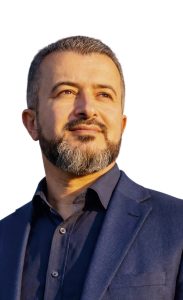
Ayman AbuRowaa, MSc, PMP®, PMI-RMP® is a Water & Sanitation Expert and consultant with 13+ years of experience advancing wastewater management, circular economy solutions, and climate-resilient infrastructure across Jordan and the wider region. He most recently served as a Wastewater Management & Operation Expert with GITEC-IGIP GmbH, a German consulting and engineering company that works mainly in the fields of water, wastewater, sanitation, and infrastructure development. AbuRowaa has led national sludge management programs, delivered multimillion-dollar projects, and supported utilities and development partners in improving performance, reducing emissions, and turning waste streams into valuable resources.



Subscribe to the free Maintworld newsletter here!

Latest