Stop Pushing Change, Remove the Brakes Instead
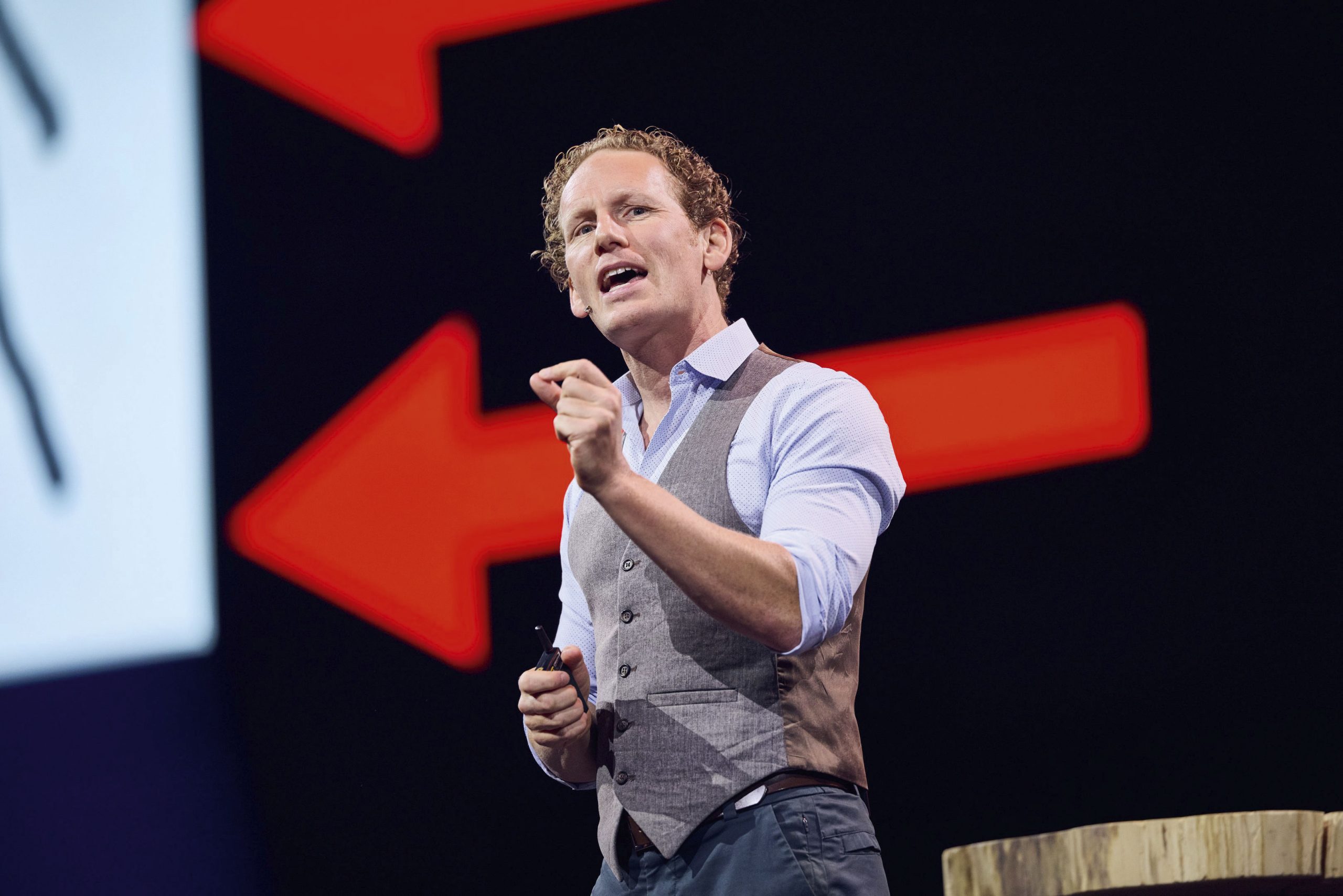
Why do so many improvement initiatives stall, even when the benefits seem obvious? According to marketing professor and bestselling author Jonah Berger, the problem is not that people resist change. The problem is that organizations try to push harder instead of removing the barriers that hold people back.
In maintenance and asset management, leaders constantly introduce new ideas: predictive maintenance, digital tools, new work processes, or safety improvements. Yet even well-planned initiatives often struggle to gain traction.
Meetings are held, strategies are communicated, incentives are created. Still, people continue working the way they always have.

The instinct is to push harder with more communication, more pressure, more persuasion. But Berger argues that this approach rarely works. Instead of pushing people toward change, effective leaders act as catalysts. They focus on removing the obstacles that prevent change from happening in the first place. This idea is captured in the REDUCE framework, which identifies five common barriers that slow down or stop change.
The REDUCE Framework highlights five “parking brakes” that hold organizations in the status quo:
Reactance
When people feel pushed, they push back. Instead of telling teams what to do, leaders should give them agency. Asking questions or offering choices often works better than issuing directives.
Endowment
People value what they already have. Even if a new system is better, the current process feels safer and familiar. Successful change leaders highlight the hidden costs of staying the same and make switching easier.
Distance
If a proposed change feels too radical, people reject it outright. Breaking change into smaller steps can bring it closer to people’s comfort zone.
Uncertainty
People hesitate when outcomes are unclear. Pilot projects, trials, and demonstrations can reduce the risk people feel when trying something new.
Corroborating Evidence
One voice is rarely enough. Change spreads faster when people hear similar messages from multiple trusted sources across the organization.
What This Means for Maintenance Leaders. Maintenance organizations often operate under pressure: reliability targets, cost control, safety requirements, and digital transformation. In such environments, it is tempting to drive change quickly through mandates. But catalysts take a different approach. Before launching the next initiative, ask a different question: What is stopping people from changing already?
Maybe technicians are uncertain about a new predictive maintenance tool. Maybe planners believe the current system works well enough. Or maybe the change feels too large to adopt all at once.
Identifying these “parking brakes” allows leaders to remove friction instead of adding pressure.
The key lesson from Berger’s work is simple: people rarely change because they are persuaded. They change when barriers disappear.
In maintenance organizations, where experience and established routines run deep, this insight is especially valuable.The next time an improvement initiative slows down, resist the urge to push harder. Instead, look for the brakes.
Author bio
Jonah Berger is a professor at the Wharton School of the University of Pennsylvania and an internationally bestselling author. His book The Catalyst: How to Change Anyone’s Mind explores why change is difficult and how leaders can remove the barriers that prevent it.
Text: Mia Heiskanen
Photo: Pasi Salminen



Subscribe to the free Maintworld newsletter here!

Latest