
Croatian Maintenance Society’s Bold Ambition: Advancing Maintenance and Asset Management in the Mediterranean
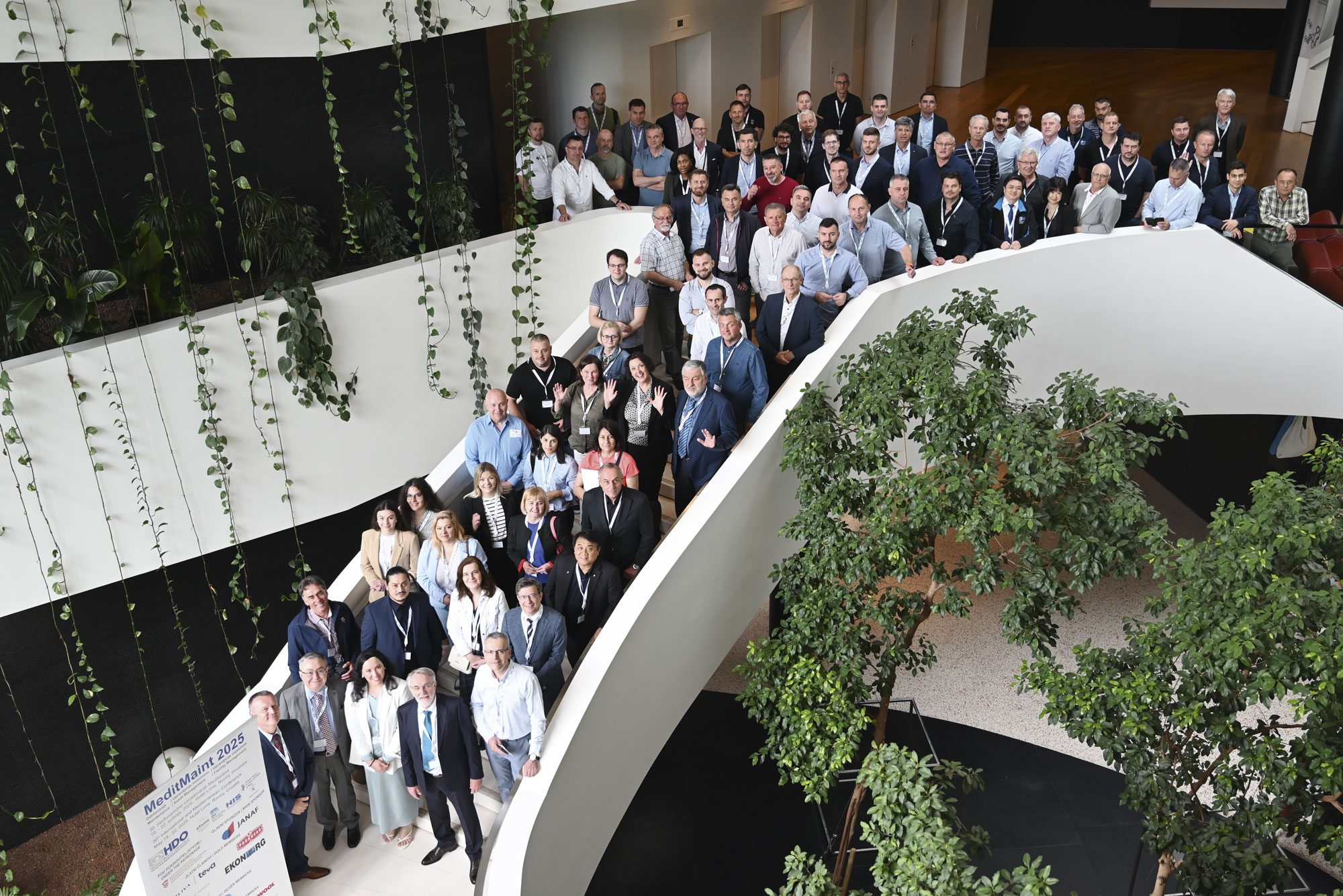
The HDO – Croatian Maintenance Society – has spent nearly five decades strengthening the role of maintenance and asset management in Croatian industry while building bridges across the Mediterranean maintenance community.
Founded in 1977 and headquartered in Zagreb, Croatia, the non-governmental, non-profit professional association serves as a central hub for professionals working in maintenance, asset management, and industrial reliability. Today the organisation represents around 130 members across sectors including energy, pharmaceuticals, logistics, education, food production, and agriculture, while its online professional network continues to grow.
“Our goal has always been to create a strong professional maintenance community where knowledge, expertise, and international collaboration can thrive,“ says Drago Frković, President of the Croatian Maintenance Society.

“Maintenance is fundamental to the reliability and competitiveness of modern industry, and our role is to help Croatian companies reach the same standards as the most advanced European economies.“
Through conferences, professional training, publishing, and international collaboration, HDO works to raise the efficiency and economic value of maintenance activities throughout Croatia and the wider Mediterranean region.
A bridge between science and industry: One of HDO’s defining roles is connecting academic research with real industrial practice. The association acts as a meeting point for professors, researchers, engineers, and maintenance professionals seeking to improve the performance and reliability of industrial systems.
“Our mission is to bridge the gap between theory and practice,“ Frković explains.
“Universities generate valuable knowledge, but it must reach the factory floor. HDO creates the environment where this knowledge can be exchanged and applied.“
Among the organisation’s key initiatives are the MeditMaint Conference, specialised training programmes in asset management and facility management, and the publication of the professional journal Maintenance and Exploitation. HDO also participates in multidisciplinary European Union projects aimed at improving industrial innovation and sustainable maintenance practices.
A decade of transformation: Over the past decade, Croatia’s maintenance sector has undergone a major transformation. Companies that once relied heavily on reactive repairs are increasingly adopting proactive strategies based on data, digital technologies, and predictive maintenance.
This shift has been particularly visible in sectors such as energy, logistics, and pharmaceuticals, where system reliability and operational resilience are essential.
“The industry has moved from a repair mentality to a predictive and strategic approach,“ says Frković.
“Maintenance is no longer simply about fixing problems after they occur. Today it is about anticipating failures, optimising performance, and ensuring the long-term value of technical assets.“
According to HDO, the integration of Croatian companies into global markets has accelerated the adoption of modern technologies such as remote monitoring systems, digital asset management platforms, and advanced diagnostics.
Over the past two decades, the association has intensified its role in supporting this transition. By organising seminars, conferences, and collaborative projects, HDO helps translate international standards—such as ISO 55001 for asset management—into practical tools that companies can implement.
Inspiring the next generation: Like many European countries, Croatia faces the challenge of attracting young professionals to maintenance and asset management careers.
One obstacle is the outdated perception that maintenance is primarily manual, “dirty” work with limited technological sophistication. In reality, the profession is increasingly digital and knowledge-driven.
“Maintenance today is one of the most technologically advanced fields in industry, Frković says.“
“It involves artificial intelligence, predictive analytics, digital twins, robotics, and advanced sensor technologies. This makes it an exciting career for the new generation of engineers.“
To attract young talent, HDO collaborates actively with universities and technical institutions, such as the University of Zagreb’s Faculty of Electrical Engineering and Computing, Faculty of Mechanical Engineering and Naval Architecture, Faculty of Transport and Traffic Sciences, and the Zagreb University of Applied Sciences. These partnerships help showcase maintenance as a high-tech discipline that unites engineering, data science, and strategic asset management.
Events such as the MeditMaint Conference provide young professionals with opportunities to network with international experts and potential employers while presenting their research and industry operations.
“Students who attend our conferences quickly achieve that maintenance is not a secondary function,“ Frković notes.
“It is a strategic field that directly shapes industrial productivity and sustainability.“
Lifelong learning at the core: Education and continuous professional development are central to HDO’s activities. The maintenance society runs a comprehensive lifelong learning program designed to keep professionals up to date with emerging technologies, international standards, and modern maintenance strategies.
Training programs cover areas such as reliability engineering, asset management, technical diagnostics, predictive maintenance, and digital maintenance management systems.
“Our aim is to combine theoretical knowledge with practical experience, Frković says.“
“Professionals must understand both the concepts and the real operational challenges.“
A key pillar of this effort is the MeditMaint Conference Series, which has developed into one of the Mediterranean region’s leading events for maintenance professionals and researchers. For more than 30 years, the conference has served as a platform where scientific insights meet industrial experience.
“The conference is more than a set of lectures, Frković explains.“
“It is an ecosystem where researchers, engineers, and companies exchange ideas and develop partnerships that push the industry forward.“
Maintenance as a driver of sustainability: Sustainability has become a central priority for industrial companies across Europe, and the maintenance sector plays a critical role in achieving environmental goals, Frković notes.
HDO promotes the philosophy that well-maintained equipment is inherently sustainable because it reduces energy consumption, extends asset lifecycles, and prevents environmental accidents.
“A properly maintained asset is a green asset,“ Frković emphasis.
“When machines operate efficiently and reliably, they consume fewer resources and generate less waste.“
By shifting from reactive maintenance to predictive approaches, companies can prevent failures that might otherwise lead to environmental contamination or significant energy losses.
HDO also participates in EU research initiatives exploring the integration of sustainability principles with advanced asset management technologies. These projects often focus on artificial intelligence, digital monitoring systems, and data-driven decision-making.
“Our goal is to show that smart maintenance is essential for achieving climate neutrality and meeting the objectives of the European Green Deal, Frković says.“
The power of digital technologies: Technological innovation is rapidly reshaping the maintenance landscape. Digital tools such as Industrial Internet of Things (IIoT) sensors, digital twins, and advanced analytics allow engineers to monitor equipment performance continuously.
By analysing data from vibration, temperature, pressure, and other operational indicators, companies can detect anomalies and predict equipment failures before they occur.
“Predictive maintenance turns raw data into actionable knowledge,“ Frković explains.
“With machine learning algorithms and AI-driven diagnostics, companies can estimate the remaining useful life of equipment and plan maintenance activities more efficiently.“
These capabilities reduce unplanned downtime, optimise maintenance schedules, and improve overall system reliability.
However, Frković emphasises that human expertise remains essential.
“Technology is a powerful tool, but it cannot replace human judgement,“ he says.
“The future of maintenance lies in combining advanced digital systems with skilled professionals who understand complex industrial processes.“
Part of a European network: HDO also plays an active role at the European level through its membership in the European Federation of National Maintenance Societies (EFNMS). The federation connects national maintenance organization across Europe, creating a platform for collaboration and knowledge exchange.
As Croatia’s official representative within EFNMS, HDO ensures that the perspectives and needs of Croatian professionals are represented in European discussions on maintenance and asset management.
Frković himself contributes to the federation through the European Asset Management Committee working group.
“Participation in EFNMS allows Croatian professionals to access the latest research, guidelines, and best practices,“ he says.
“It also enables us to contribute our experience and strengthen international cooperation.“
Looking toward the future: For HDO, the future of maintenance lies in integrating advanced technologies with continuous professional development and strong cooperation between industry and academia.
The association envisions a highly digitalized, reliable, and sustainable maintenance ecosystem that supports the long-term competitiveness of Croatian industry.
“Maintenance has evolved from a cost center into a strategic management function, Frković concludes.“
“By investing in knowledge, digital technologies, and human expertise, we can build a maintenance sector that supports economic development, industrial resilience, and sustainability across Croatia and the Mediterranean region.“
Drago Frković: WHY MAINTENANCE MATTERS?
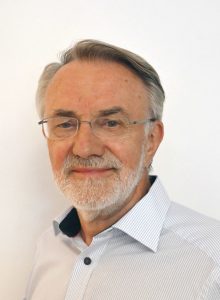
My motivation comes from a simple belief: maintenance and asset management are the real pillars of industrial civilization, states Drago Frković, President of the Croatian Maintenance Society.
After decades working with large industrial systems, Drago Frković became convinced that modern infrastructure and production systems would not exist without strong maintenance strategies.
“People often see maintenance as something secondary,“ he explains.
“But without it, factories stop, infrastructure fails, and the entire economy suffers.“
For Frković, leading HDO is about raising awareness of this reality and strengthening the profession both nationally and across Europe.
“The most rewarding part of the role is seeing the impact of knowledge sharing,“ he says.
“You see young engineers adopting new technologies, companies improving reliability, and the whole professional community becoming stronger.“
Croatia’s Competitive Advantage: According to Frković, Croatia’s strongest asset is its high-quality engineering talent and adaptable workforce.
“We have a strong technical tradition and excellent engineers,“ he says.
“That human potential gives Croatia the ability to build a competitive, high-tech industry within Europe.“
However, he emphasis that industrial competitiveness depends heavily on how well companies manage their assets.
“Maintenance is absolutely essential,“ Frković says.
“It ensures reliability, safety, and the long-term value of equipment and infrastructure.“
As industries across Europe pursue digitalization and sustainability goals, strategic asset management becomes even more important.
“If we invest in best maintenance practices and continuous learning,“ he concludes,
“Croatian companies can improve the sustainability and resilience of their infrastructure while ensuring the highest standards of human safety and competitiveness in the global market.“
Text: NINA GARLO-MELKAS Photos: HDO



Subscribe to the free Maintworld newsletter here!

Latest