
Valmet’s New Stationary Lime Cooler Improves Lime Kiln Energy Efficiency
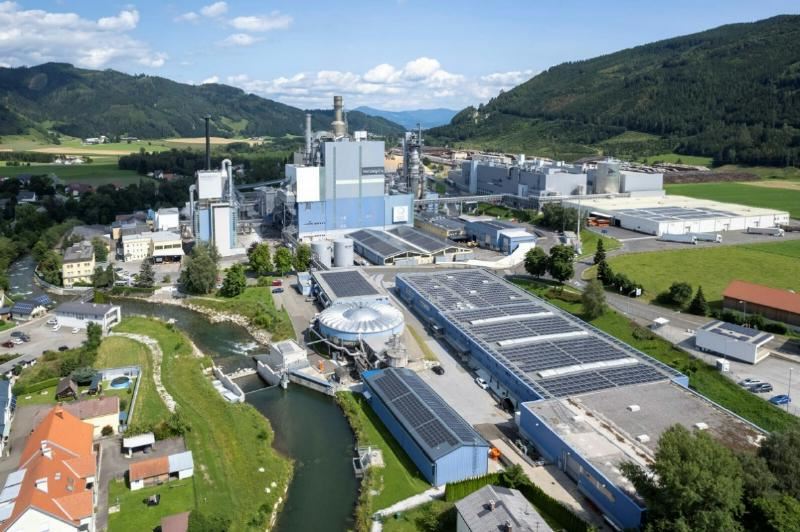
Valmet will deliver a new stationary lime cooler to Heinzel Pöls pulp mill in Austria.
The new cooler is designed to improve the lime kiln’s energy efficiency compared with the existing rotary cooler, reduce maintenance needs and enable a capacity increase in the existing lime kiln.
Heinzel Pöls is one of the largest producers of bleached and unbleached softwood sulphate pulp in Central and Eastern Europe.

“Our main targets for this lime cooler investment are fuel savings brought by higher energy efficiency, achieving improved availability by reducing unplanned stops, and the possibility to increase the capacity of the lime kiln,” says Siegfried Gruber, Head of Project Engineering, Heinzel Pöls.
Cooler Upgrade Aims to Reduce Fuel Use and Unplanned Stops
According to Valmet, the main benefits of moving from the old rotary cooler to the new stationary cooler include significantly higher energy efficiency, fuel savings in the lime kiln and the elimination of unplanned stops caused by plugging in the cooler.
The fuel savings also enable the mill to increase the production rate of the lime kiln.
“These kinds of improvement projects bring several benefits to our customers. Fuel savings are reached through better heat recovery from the hot lime. Additionally, our stationary cooler is designed for very easy maintenance,” says Claus Jensen-Holm, Director, White Liquor and Evaporation, Valmet.
The order was included in Valmet’s orders received for the first quarter of 2026. The value of the order will not be disclosed. The new cooler is scheduled to be taken into operation during the fourth quarter of 2027.
Heat Recovery Used for Burner Air
The new lime cooler will be delivered with an extensive scope covering engineering, main equipment delivery, disassembly of the old cooler, new cooler installation, commissioning and training.
The Valmet Stationary Cooler has high cooling efficiency for burned lime and strong heat recuperation. The recovered heat is used to heat the incoming air for the burner.



Subscribe to the free Maintworld newsletter here!

Latest