
Figuring out Maintenance in a brand-new Industry
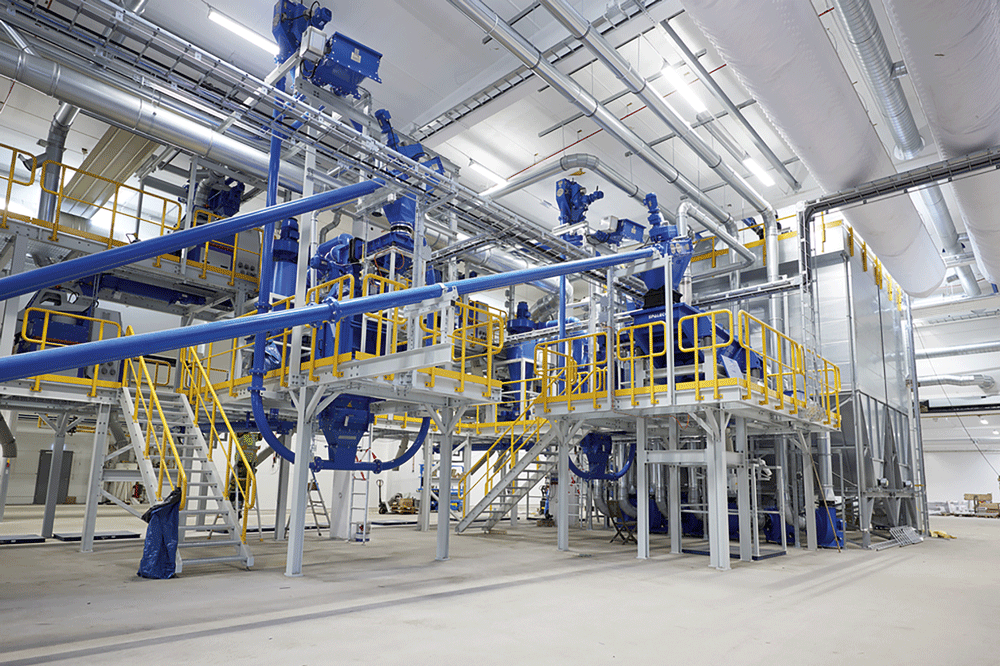
In March 2023, Stena Recycling opened a state-of-the-art battery recycling facility in Halmstad, a small city on Sweden’s west coast. Now the real work began for the company’s maintenance staff. How do you conduct maintenance in a brand-new industry?
When the sale of electric vehicles (EVs) began to accelerate, Europe began to wonder what to do with these batteries at the end of their lives. Stena Recycling, a part of the Stena Metall group, got out their drawing board.
“The EV battery recycling project started in 2012, graduated to business development in 2018, and became a real business case in 2021,” explains Marcus Martinsson, Director, Product Area Batteries for Stena Recycling Group. “We have worked with the auto industry for many years and had healthy cooperation with them during planning.”

The new EU Batteries Regulation came into force in August 2023, just a few months after the Halmstad plant opened, and the Critical Raw Materials Act became effective the next spring. The combination of legislation has helped spur demand for modern battery recycling facilities.
“When we decided to make this investment, we wanted to do it right,” Martinsson continues. “We wanted to make a high-capacity, cutting-edge facility, design our own processes, and take advantage of our economy of scale. We wanted a facility capable of ‘moving the needle’.”
Stena Recycling had been in the circular economy business for 85 years, but recycling lithium-ion batteries was a new challenge. Maintenance experts were given the keys to this shiny new facility and asked to figure it out.
“This is such a new process and there is so much new technology that there are no established maintenance procedures. There is so much we don’t know. Our maintenance staff are helping to develop the entire plan,” explains Carina Petersson, Plant Manager for Stena Recycling’s Halmstad facility.
Halmstad was already the home of their Nordic Recycling Center, where they recycle materials such as non-ferrous metals and plastics. The new battery recycling center fits right in. With an annual capacity of 10,000 tonnes, it can process batteries from the company’s facilities in Italy, Germany, Poland, Denmark, Norway, and Finland.
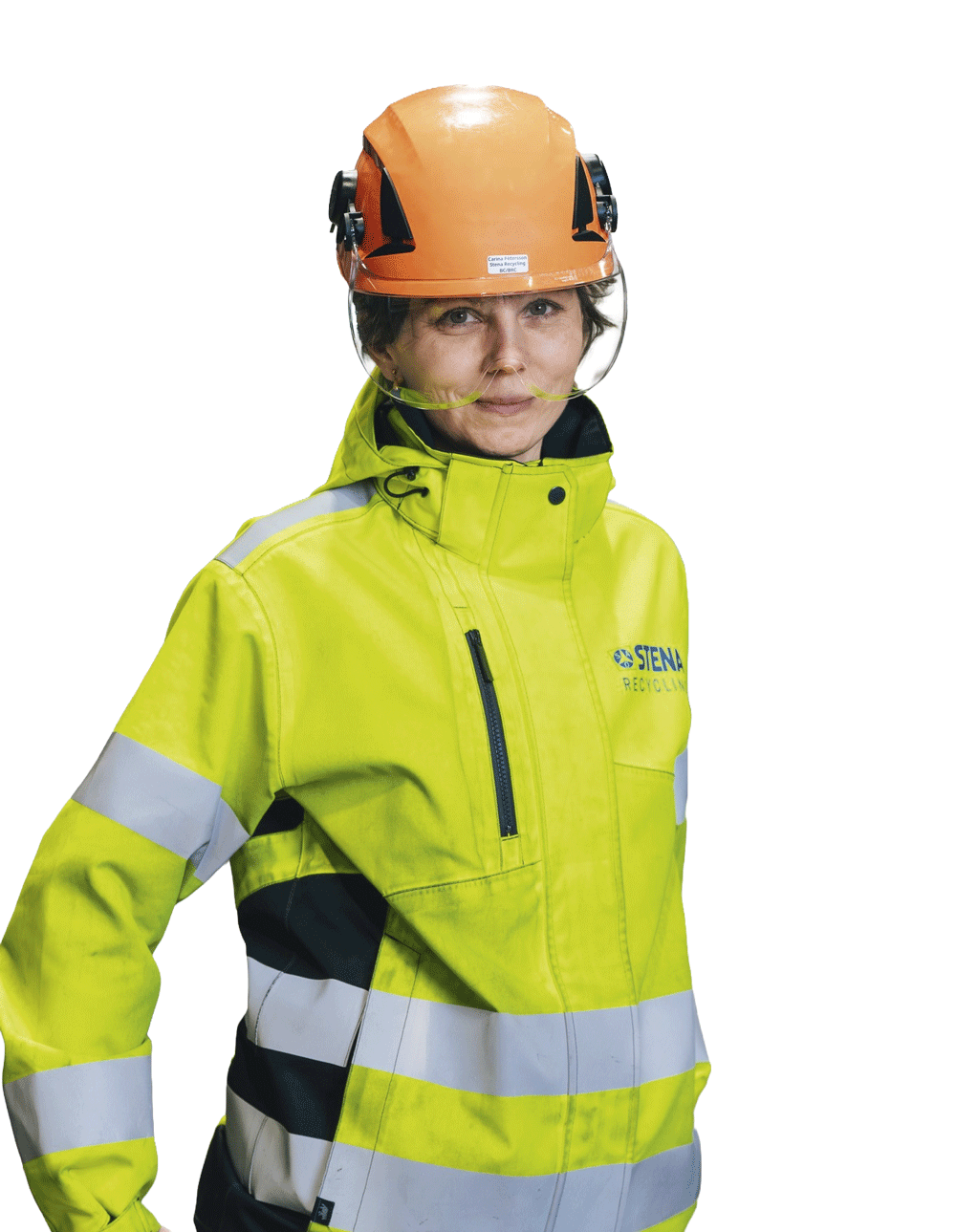
“There are two steps to the process,” says Petersson. “First, we have the pre-treatment centers in seven countries around Europe. Here they evaluate the batteries and see if they can be reused for other purposes or should go on to recycling in Halmstad.”
An old battery might not meet EV standards but still be perfectly good for other energy storage uses. If they can’t be reused, they are earmarked for recycling. Before the batteries are shipped, though, they must be discharged.
“Fire is the highest risk,” Petersson says. “Batteries might get hot when discharging and there is a risk of thermal runaway and fire. We do the discharging slowly, in a separate building, under carefully controlled conditions. Our staff are well-trained and have clear guidelines.”
(In fact, improperly disposed of lithium-ion batteries is a growing threat to recycling facilities. People throw away old electrical devices in regular trash, for example, only to have those batteries cut in shredders. When punctured, the batteries can release toxic gases, a jet of fire, or even explode. Maintenance crews are frustrated at how often they have to deal with battery fires in their facilities.)
Once the discharged battery arrives at Halmstad, the second stage begins. The modules are dismantled, with the aluminium rack going on to regular aluminium recycling.
“It is a manual and labor-intensive process, as each producer has their own pack design,” Petersson says. “Some packs are too large for the shredder and have to be cut with a saw. We have to be very careful, because if you accidently cut a cell it can leak electrolyte, a fluid chemical which is low in pH-value and corrosive.”
The modules and cells go into a shredder. The risk of fire remains, so the conveyer belts carry material in sealed tubes in a nitrogen-rich, low-oxygen environment to make fires less likely to start.
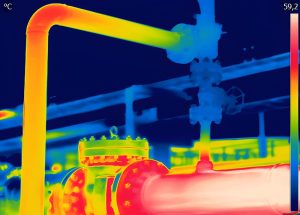
If thermal cameras detect a fire, powder or sprinkler, fire suppression systems will be triggered.
Special care is taken with black mass, a dark, granular material which makes up the majority of a battery’s value. After mechanical separation it goes on to a partner who does a chemical separation via a hydro-metallurgical process. The critical raw materials can now be used again in new batteries.
Maintenance workers have to carry out their tasks in a potentially hazardous environment. The cobalt dust from black mass can be carcinogenic, so all workers wear protective suits. The ventilation system also creates over-pressure and under-pressure areas to reduce the spread of dust, similar to clean rooms in hospitals.
To better understand this working environment, Stena Recycling is participating in a long-term academic study on the potential health risks of recycling lithium-ion batteries. Administered by occupational health authorities, the University of Gothenburg and Sahlgrenska University Hospital, the study will monitor workers across key activities in the process and evaluate any health effects.
“This is an entirely new industry, and we are still learning,” Petersson says. “We have had good cooperation with the union, which is extremely important. All the workers are involved in developing the safety procedures. Every morning we have a safety review where we talk about any incidents, what happened, how it was handled, what we can do better.”
The material goes into a tumble dryer and the electrolyte condensed out before materials are separated by size. Advanced sensors and machine learning systems developed in-house make the sorting process more automated. Stena Recycling’s IT department maintains their proprietary software.
“We have planned maintenance as well as unplanned maintenance,” says Petersson. “Each activity is classified by who can do the maintenance: the regular operators, our own maintenance team, or outside specialists. They carefully document incidents, such as with before and after photos, so we can understand what happened.”
The company utilizes some industry-standard solutions, such as Maintmaster’s CMMS and OEE software. These help plan and organize inspections, predictive and preventative maintenance, training and development, inventory management, and documentation.
“We are developing the maintenance work together with the maintenance department and the engineers. They are the experts!” Petersson says. “We are continuously developing and improving the maintenance at our facility. Our work includes technical development, digitalization, advanced system monitoring, and the integration of AI-driven tools. As new technologies are introduced, they require innovative approaches and new ways of working, even for highly experienced maintenance mechanics and maintenance engineers. Continuous learning, adaptability, and close cooperation between operational, engineering, and maintenance team are essential to ensuring safe, reliable, and efficient operations.”
Although lithium-ion battery recycling is a newer industry the company already has 75 million tonnes of recycling experience. Still, sometimes they are caught by surprise: EV batteries are lasting longer than anyone had expected. On average, an EV lasts 15 years before it is recycled, just two years less than a petrol-powered car.
“This industry is still developing, and they are constantly working on new types of batteries with new chemistries,” concludes Petersson. “It is exciting to follow all these new developments. When these new batteries come to the end of their lives, they will need to be recycled, too, so we will be ready for them.
What’s in black mass?
• Graphite
• Nickel
• Cobalt
• Manganese
• Lithium
• Trace metals like copper and impurities such as glue
Text: David J. Cord Photos: James Froment and Stena Recycling



Subscribe to the free Maintworld newsletter here!
Latest