
Rethink your leadership
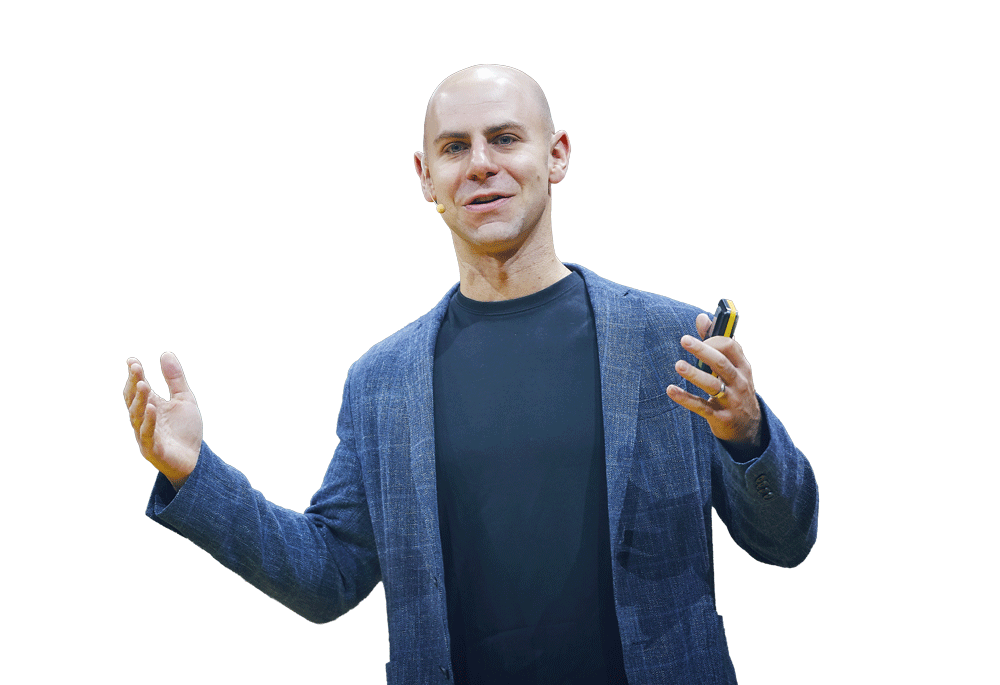
The best leaders are not the ones who always have the answers. They are the ones who keep questioning them. According to organizational psychologist Adam Grant, the ability
to rethink assumptions, challenge established practices and encourage new ideas is becoming a critical leadership skill in a world where yesterday’s solutions quickly become obsolete.
For many leaders, experience is a source of confidence. It helps us solve problems faster, make decisions under pressure, and avoid mistakes we have seen before. But experience can also create blind spots. The longer we rely on familiar methods, the harder it becomes to notice when they no longer work.
This is one of the central messages from organizational psychologist and bestselling author Adam Grant. Success today depends less on what we know and more on our willingness to question what we know. The leaders who thrive are not those who defend old assumptions. They are the ones prepared to challenge them. His ideas, drawn from the bestselling books Think Again and Originals, offer a practical framework for organizations seeking to remain adaptable and innovative.

For maintenance and asset management professionals, that mindset has never been more important. Digitalization, sustainability requirements, changing workforce demographics, and increasing operational complexity are forcing organizations to rethink long-established ways of working. Competitive advantage increasingly comes from the ability to learn faster than the pace of change.
Grant argues that many of us fall into unproductive thinking patterns. We defend our beliefs, try to prove others wrong, or seek support for our own views. Effective leaders take a different approach. They think like scientists. They test assumptions, seek evidence, and remain willing to revise their conclusions when new information emerges.
The willingness to change your mind is often misunderstood as indecision. Grant sees it as a strength. In fast-changing environments, rethinking allows organizations to adapt before circumstances force them to do so. Leaders who approach decisions with curiosity rather than certainty are better equipped to identify risks, uncover opportunities, and respond when conditions change.
One of the greatest obstacles to this mindset is expertise itself. Knowledge is valuable, but it can also create overconfidence. The deeper our expertise, the easier it becomes to assume that current practices are the right ones. That is why Grant advocates a culture of continuous learning, where people are encouraged to challenge existing assumptions, remain curious, and acknowledge what they do not know.
Creating such a culture requires psychological safety. Employees must feel comfortable raising concerns, question assumptions, and share ideas without fear of criticism. In many organizations, valuable insights never reach decision-makers because people hesitate to speak up. This is especially relevant in maintenance and reliability environments, where frontline employees often have the clearest view of operational risks, inefficiencies, and improvement opportunities.
Grant also believes that organizations do not suffer from a shortage of ideas. The real challenge is recognizing and supporting them. Original thinkers are often willing to challenge established practices and propose alternatives, but their ideas can be dismissed because they seem unfamiliar or disruptive. Leaders who want innovation must create conditions where new thinking can be heard and tested.
At the same time, organizations need to guard against groupthink. Strong teams can become too aligned, reinforcing the same assumptions and perspectives. Fresh viewpoints, constructive disagreement, and diverse experiences help prevent complacency and often reveal opportunities that established teams no longer see.
This principle extends to recruitment. Rather than focusing solely on culture fit, Grant encourages leaders to think about cultural contribution. The goal is not to hire people who think like everyone else, but people who bring perspectives, experiences, and skills that strengthen the organization.
As maintenance and industrial organizations navigate increasingly complex challenges, Adam Grant’s message is clear: adaptability is becoming a competitive advantage. Organizations that encourage questioning, welcome constructive disagreement, and create space for new ideas are better positioned to improve performance and respond to change. The organizations that will lead the future are not necessarily those with the deepest expertise. They are the ones that continue learning, questioning, and improving long after others have settled for what they already know.



Subscribe to the free Maintworld newsletter here!

Latest