SSAB, Greenbrier and Alter Launch Closed-Loop Steel Recycling Initiative in the U.S.
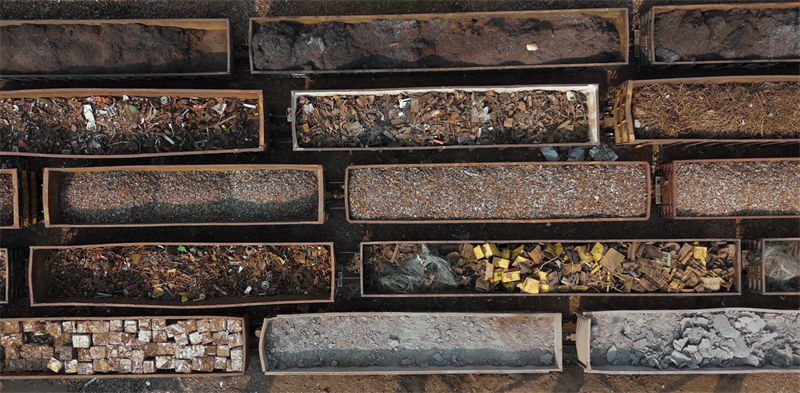
The partnership combines steel production, rail logistics and metal recycling to advance circularity and lower emissions in the steel value chain.
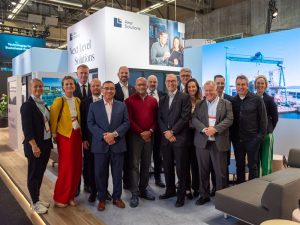
SSAB Americas, The Greenbrier Companies and Alter Trading have launched a closed-loop steel recycling initiative in the United States aimed at demonstrating how recycled materials can be returned to the supply chain to produce near-zero emissions steel.
The project starts at SSAB’s operations in Iowa, where the company produces its SSAB Zero™ steel using recycled scrap, fossil-free electricity and biogas. Greenbrier is using the material to manufacture 50 gondola railcars that will be delivered to Alter. The railcars will transport recycled metals back to SSAB’s Iowa facility, where the scrap will be processed into new steel, completing the recycling loop.

According to Tom Cox, President of SSAB Americas, the project demonstrates that near-zero emissions steel can meet the performance requirements of demanding industrial applications while supporting circular material flows within an established supply chain.
Near-zero emissions steel
SSAB Zero™ is commercially available steel produced in Iowa from recycled steel in electric arc furnaces powered by fossil-free electricity and biogas. According to SSAB, fossil carbon emissions from steel production are below 0.05 kg CO₂e per kilogram of steel for Scope 1 and Scope 2 emissions under the Greenhouse Gas Protocol.
The company says the steel offers the same mechanical properties, performance and quality as its conventional grades without relying on carbon offsets or mass balance allocation.
Partners
Alter Trading, founded in 1898, operates 78 metal recycling facilities and five trading offices across 11 U.S. states, supported by a sales office in Singapore. The privately owned company employs approximately 1,600 people and is certified to ISO 9001 and ISO 14001 standards.
Greenbrier designs, manufactures and markets freight railcars through wholly owned subsidiaries and joint ventures in North America, Europe and Brazil.



Subscribe to the free Maintworld newsletter here!
Latest