
The Infrared Imaging Market Is Set to Grow to $12.79 Billion by 2032
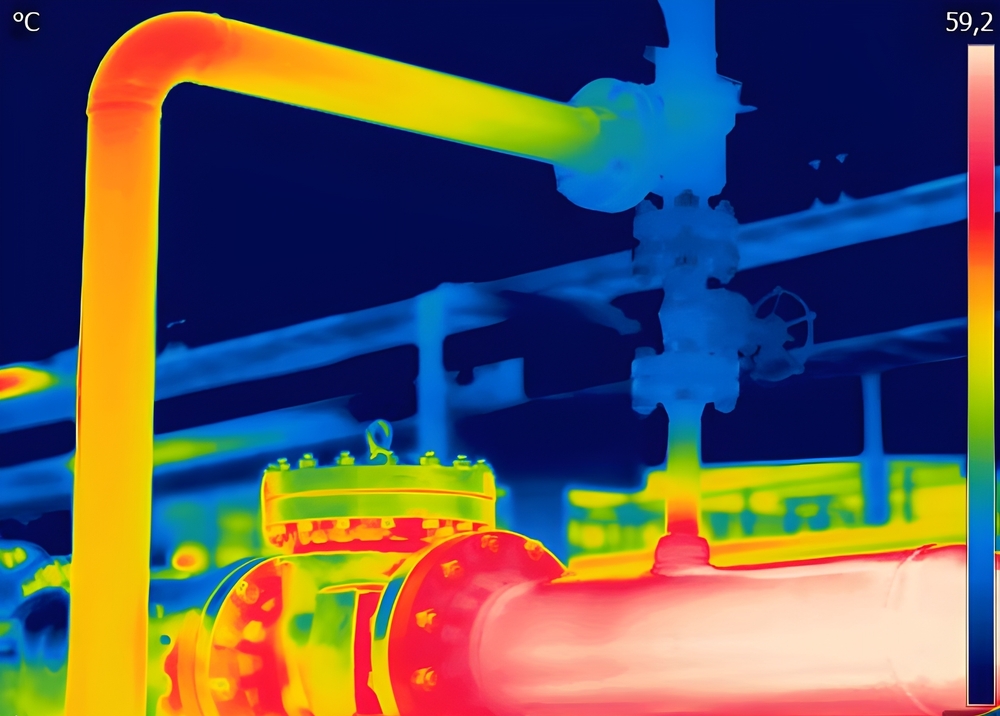
The Asia-Pacific region is forecast to grow at the fastest rate in the infrared imaging sector over the forecast period.
According to MarketsandMarkets, the global infrared imaging market is forecast to grow from $9.13 billion in 2026 to $12.79 billion by 2032, with a compound annual growth rate (CAGR) of 5.8 per cent over the forecast period.
A key factor driving the growth of the infrared imaging market is the increasing adoption of thermal sensing and advanced imaging technologies to enable reliable detection, monitoring and inspection across various sectors, such as the defence and aerospace industries, industrial manufacturing, the automotive industry, the security and surveillance sector, healthcare, and the energy and utilities sectors.

These sectors are increasingly utilising infrared imaging to improve situational awareness, identify anomalies in equipment, support predictive maintenance, detect threats and carry out inspections in low-light or dark conditions.
Furthermore, the integration of advanced technologies, such as AI-based image analysis, high-resolution infrared sensors, radiometric imaging and real-time thermal monitoring, significantly improves detection accuracy whilst reducing equipment downtime and enhancing operational efficiency.
The growing demand for compact, uncooled and cost-effective infrared cameras, combined with increasing investment in defence modernisation, industrial automation, autonomous systems, smart infrastructure and energy-efficient operations, is further strengthening the growth of the global infrared imaging market.
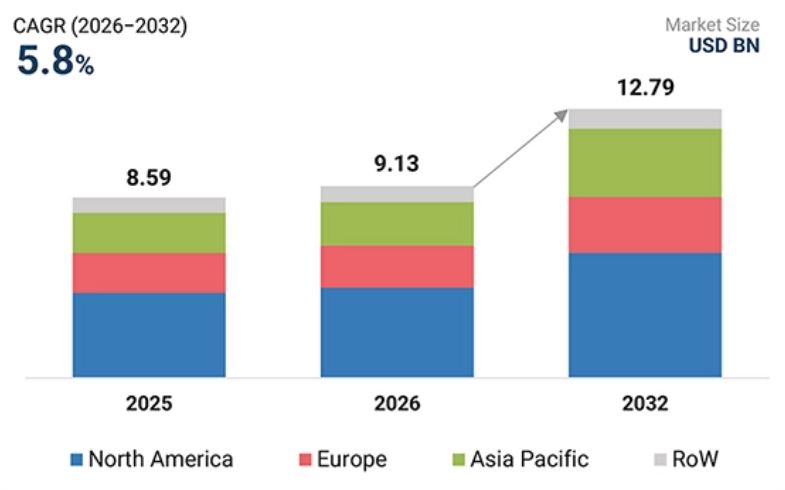
The Asia-Pacific region is expected to record the highest annual growth rate in the infrared imaging sector during the forecast period. There is growing demand in the region for infrared imaging in electronics and semiconductor manufacturing, the automotive industry, the aerospace and defense industries, industrial inspections, and security and surveillance applications. Growing investments in manufacturing automation, predictive maintenance, smart infrastructure, and border control are further accelerating the adoption of thermal and infrared imaging solutions.



Subscribe to the free Maintworld newsletter here!

Latest