Industrial Robotics: Trends Defining the Next Generation
Industrial robotics is experiencing a transformative shift, driven by rapid advancements in artificial intelligence (AI), machine learning, and automation technologies. No longer confined to repetitive assembly tasks, robots have become central to the future of manufacturing, logistics, healthcare, and industrial maintenance. As companies demand greater efficiency, precision, and adaptability, robotics is evolving from a supportive tool to a strategic asset.
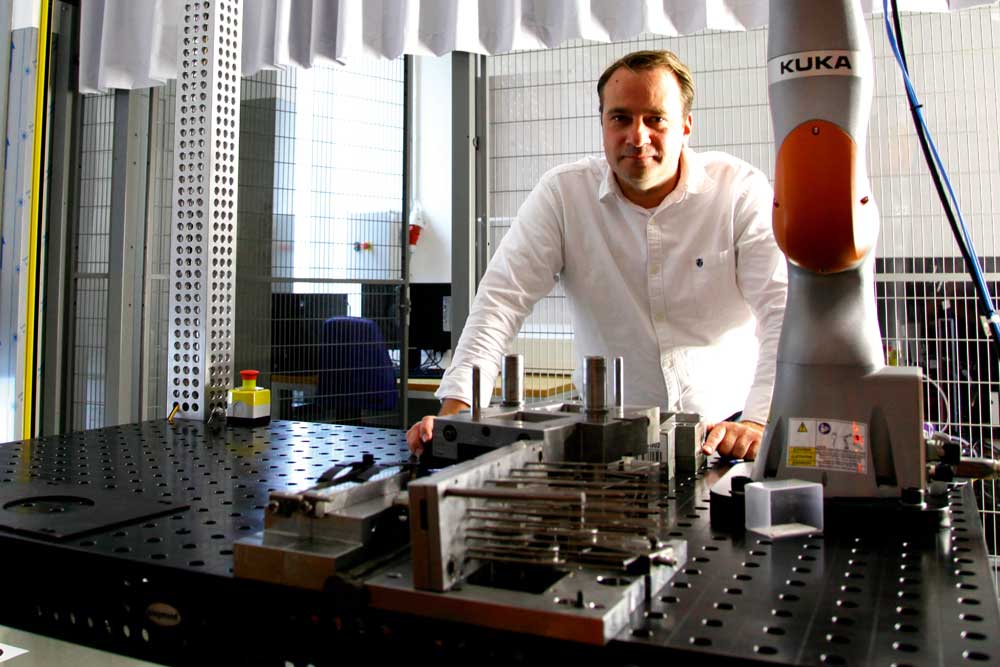
To better understand these changes, Maintworld spoke with Christian Schlette, Professor at the Mærsk Mc-Kinney Møller Institute (MMMI) Head of the University of Southern Denmark’s Center for Large Structure Production (LSP) and co-founder of the Danish Academic Society of Robotics (DACAS-Rob). According to Schlette, a trend in industrial robotics is the integration of AI, which allows machines to make autonomous decisions, learn from their environments, and optimize performance in real time.
“AI is increasingly enabling robots to handle dynamic environments and more complex tasks that go beyond hard-coded programming,” Schlette explains.
Among other innovations, collaborative robots—or cobots—have gained ground for their ability to safely operate alongside human workers, enhancing both productivity and workplace safety. Autonomous mobile robots (AMRs) are also reshaping logistics and warehousing, while soft robotics is opening doors to automation in fields that require delicate, adaptive handling—such as food processing and healthcare.
Robotics in Industrial Maintenance
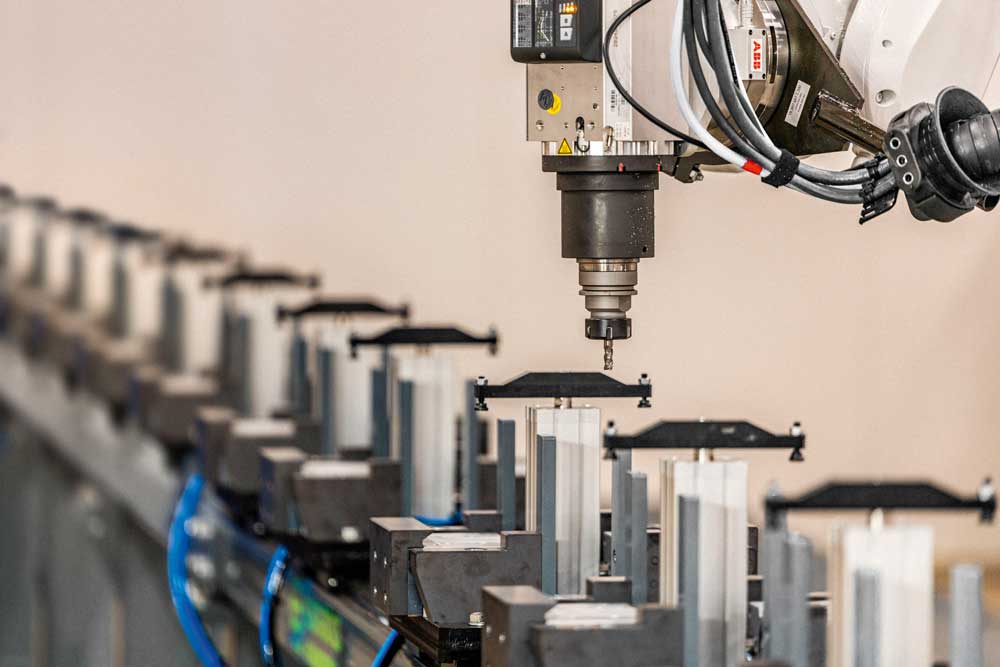
In maintenance, robotics is ushering in a new era of predictive diagnostics. Robots equipped with sensors and powered by AI can now identify and address problems before they cause downtime. This shift from reactive to proactive maintenance reduces costs and improves operational efficiency. Robots are also being deployed in hazardous environments, performing inspections or repairs that would be dangerous for human workers.
Leading Industries in Adoption
Industries such as automotive, electronics, healthcare, and logistics are leading the charge in adopting robotics. In automotive manufacturing, robots improve speed and precision on the production line. Electronics companies use robotics to handle micro-components with accuracy. In healthcare, surgical robots and diagnostic systems are transforming patient care. Warehouses are relying on robots to streamline everything from inventory tracking to order fulfillment.
The Role of AI and Machine Learning
AI and machine learning are at the core of this robotics revolution. These technologies enable predictive analytics for maintenance, enhance visual recognition systems for quality control, and allow robots to make decisions on the fly. This autonomy is making robots smarter, more efficient, and more adaptable to real-world challenges.
Cobots: Redefining Human-Robot Collaboration
Cobots are changing how humans and machines interact in the workplace. They are designed to assist rather than replace, taking over repetitive or physically demanding tasks while allowing human workers to focus on more complex activities. Because cobots are relatively affordable and easy to implement, they are especially valuable for small and medium-sized enterprises (SMEs) looking to embrace automation without major infrastructure changes.
Addressing Labour Shortages and Skills Gaps
The growing use of robotics is helping industries deal with persistent labour shortages. By automating routine jobs, businesses can operate efficiently with fewer workers. At the same time, AI-powered training tools are helping employees develop new skills and transition into roles that support or manage automated systems.
Challenges in Integration
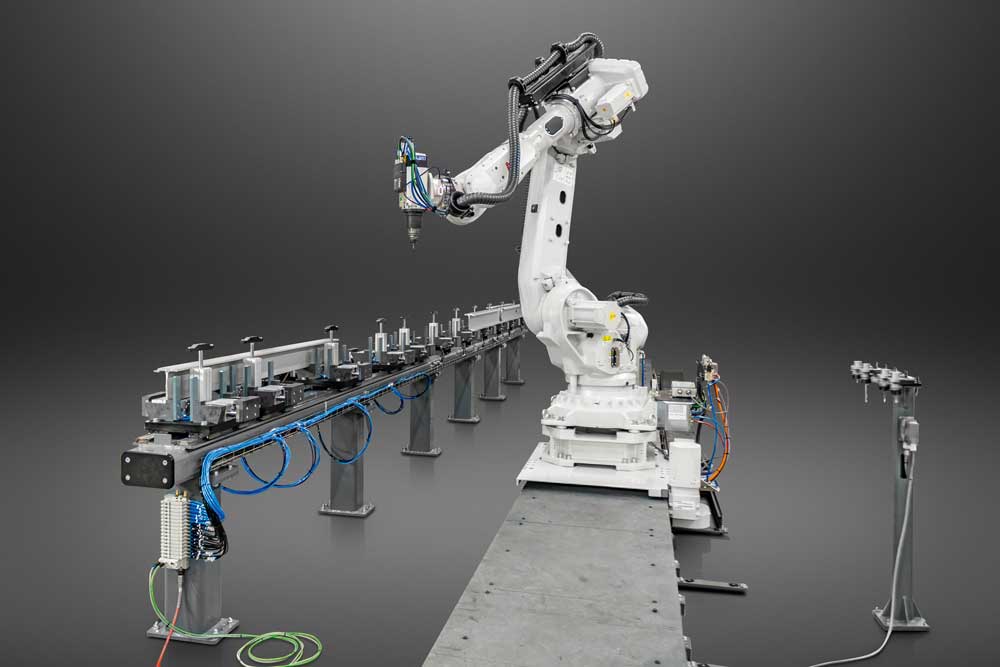
Despite their promise, robotics systems can be challenging to integrate into existing operations. High upfront costs, compatibility issues with older equipment, and the need for workforce reskilling are common hurdles. However, many companies are overcoming these obstacles through strategic planning, modular solutions, and service-based models such as Robotics-as-a-Service (RaaS), which reduces financial risk by converting capital expenses into operational ones.
Supporting Sustainability Goals
Robotics is also contributing to more sustainable industrial practices. Intelligent automation can optimize energy use, reduce material waste, and enhance recycling efficiency. Robots can be programmed to perform tasks with precision and consistency, leading to fewer errors and less scrap, especially in high-precision industries.
Text: Nina Garlo Photos: Jusmatics Oy, the Danish Academic Society of Robotics (DACASRob)
How DACAS-Rob is Shaping the Future of Robotics in Denmark

At the forefront of robotics research and collaboration, the Danish Academic Society of Robotics (DACAS-Rob) connects universities and industry to drive innovation in robotics. Through joint research, educational initiatives, and applied projects, DACAS-Rob supports Denmark’s position as a key player in European robotics.
The society shares insights through webinars, video discussions, and its official YouTube channel, which highlights the latest in Danish robotics research and academic contributions. A dedicated webinar series also showcases leading-edge developments from across the country. https://dacas-rob.org/



Subscribe to the free Maintworld newsletter here!
The Digital Twin Paradox: Data Can Remember – But Physics Knows

The concept of the digital twin has matured. What began as a passive mirror of physical systems has evolved into a strategic, intelligent asset, capable of sensemaking, foresight, and context-driven adaptation. This article explores how digital twins have advanced through successive generations, why physics-based modelling is now essential, and how hybrid approaches like Physics-Informed Neural Networks offer the key to navigating unpredictable, high-risk scenarios—the so-called Black Swan events.
Evolution of the Digital Twin: From Data to Understanding
Digital Twin 1.0 emerged from the world of operational technology (OT), characterized by real-time data acquisition and system visualization. These early twins mirrored reality without interpretation. They offered data, but not meaning; measurements, but not insights. Their role was reactive, not proactive. In a way, Digital Twin 1.0 was like a digital photograph—faithful, detailed, and ultimately flat. There was no depth, no sense of consequence, no capacity to engage with time. The twin showed what was, but had nothing to say about what could be.
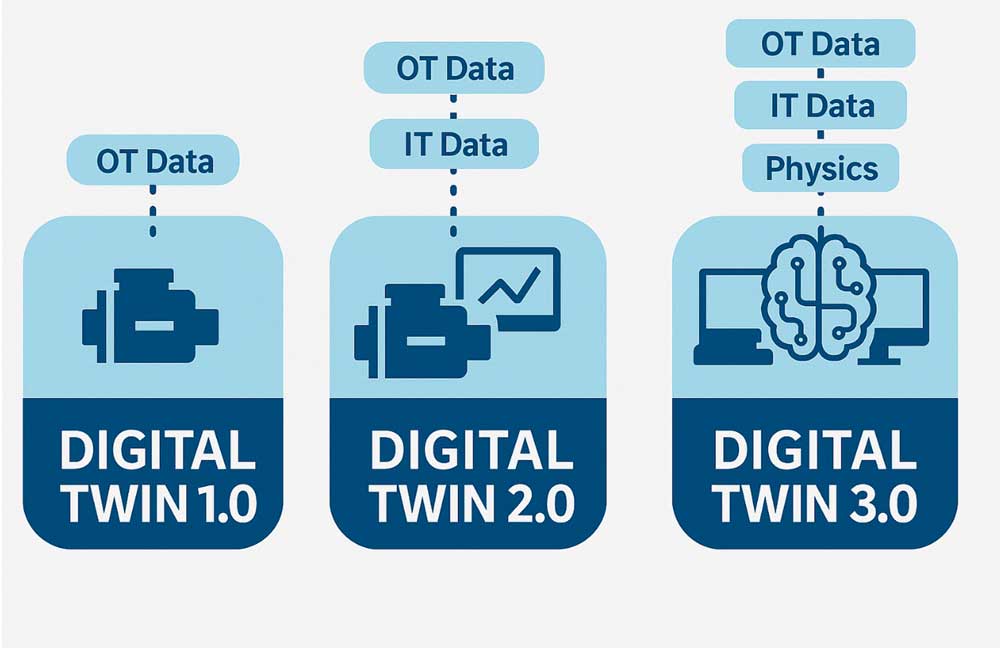
Digital Twin 2.0 integrated IT and OT systems, expanding the scope to include enterprise data, ontologies, and structured coordination. It allowed visibility across operational and managerial layers, allowing stakeholders to ask, “What can I see and manage in my data?” While it improved situational awareness, it still lacked the ability to predict outcomes or guide actions. It was more like an instrument panel than a mirror—a dashboard that contextualized what had happened, but remained tethered to retrospective logic.
Then came Digital Twin 3.0, and with it, a deeper awareness of limitations. This phase highlighted a growing tension between data science and the reality of industrial systems when operations and maintenance professionals encountered the limitations of purely statistical or black-box machine learning models. Algorithms might detect patterns, but they could not explain them. A prediction without understanding is like a prophecy—possibly correct, but fundamentally unusable.
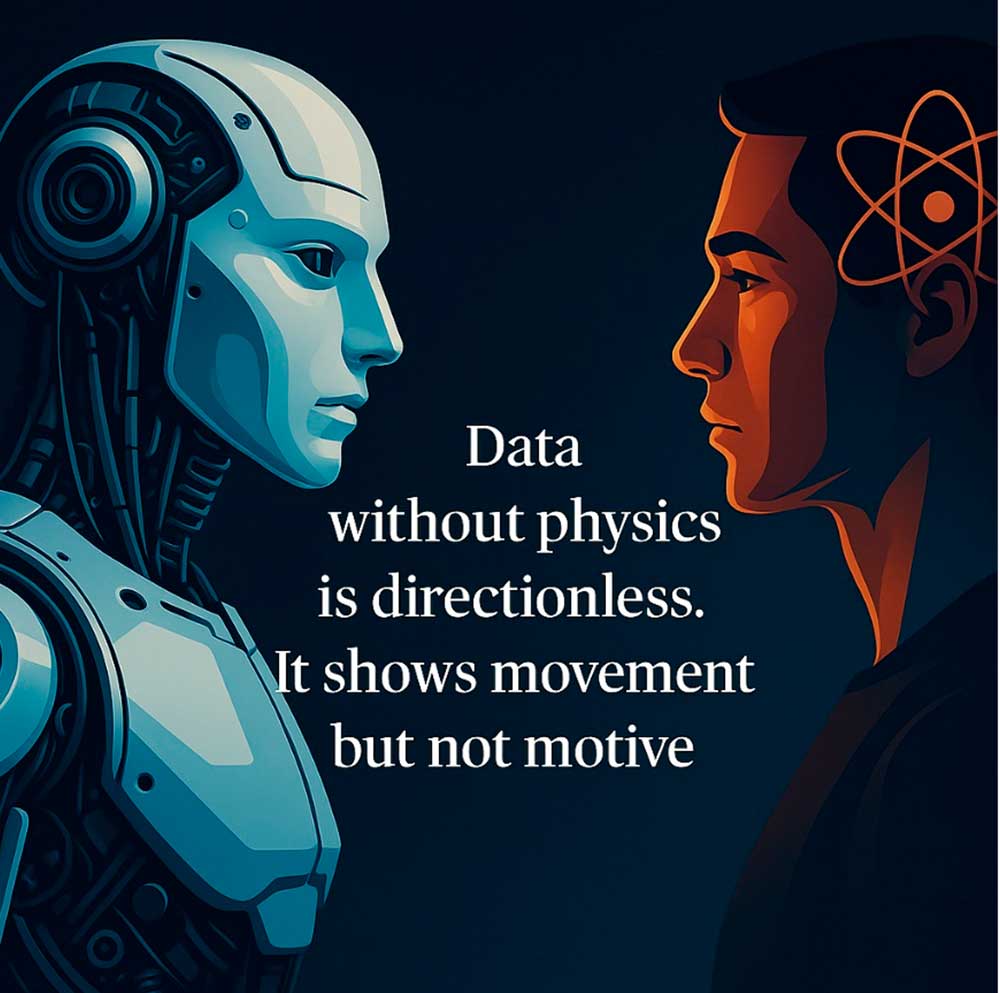
In this phase, digital twins began to resemble the portrait of Dorian Gray: an image evolving in parallel with the physical object, revealing degradation and change, but leaving us uncertain as to what was driving the transformation. Beyond reflection or replication, we needed reasoning. There was a clear need for digital twins to become trustworthy decision aids—not just dashboards or mirrors. That need laid the groundwork for a new wave of hybrid approaches, in which machine learning was enhanced with physics-based understanding. This shift was not only technical, but also cultural: engineers demanded interpretability, transparency, and causal reasoning, arguing, “Without physics, we guess. With physics, we project.”
Data Aren’t Enough
The limitations of purely data-driven methods in industrial contexts are well-documented. Traditional machine learning often fails to generalize to unseen conditions or rare events. It performs well when past patterns are stable, frequent, and well-represented. But the real world rarely behaves so cooperatively. In many cases, these models are trained on narrow slices of history—bounded, biased, and blind to what lies outside them.
When datasets are noisy, incomplete, or suffer from selection bias, models become fragile. Perhaps most critically, they produce results that are difficult for domain experts to interpret. This lack of transparency isn’t merely inconvenient—it can be dangerous. In safety-critical environments like energy, transportation, or manufacturing, trust is not optional. If the model can’t explain itself, engineers won’t act on it.
As systems grow more complex and interdependent, organizations are confronted with a paradox: they have more data than ever before, yet are increasingly unable to convert those data into meaningful decisions. Retrospective analytics focus on past correlations and cannot account for emergent behaviours, cascading faults, or nonlinear dynamics. They can tell us what happened, but not why—or what’s about to happen next.
Even advanced deep learning architectures, powerful as they may be, remain prisoners of their data. They extrapolate patterns; they do not infer causality. They can classify failures but rarely understand failure mechanisms. As a result, they fall short in helping us manage uncertainty, assess risk, or build resilient systems.
Black Swan Events and Limits of Prediction
Black Swan events—rare, high-impact failures that escape conventional forecasting—pose one of the greatest challenges to modern predictive systems. These events may be triggered by subtle system degradation, unexpected interactions between components, or sudden environmental changes. What makes them especially dangerous is their invisibility in historical datasets: they lie outside the statistical envelope of what has previously occurred.
The core issue is that traditional machine learning is retrospective. It learns only from what it has seen. If a critical failure mode has never been captured in data or has occurred so infrequently that it leaves no meaningful statistical signature, the system remains blind to it. This is the paradox of the Black Swan: the more catastrophic the event, the less likely it is to be represented in our records. Absence of data becomes a dangerous illusion of safety.
In complex, tightly coupled industrial systems, this blind spot is a systemic risk. These systems often operate across wide ranges of physical conditions and are subject to wear, aging, and environmental variation. Over time, they can drift into failure modes that were never present in commissioning or early operation. Machine learning, dependent on narrow training distributions, cannot extrapolate meaningfully into these outlier states.
To address this, we must introduce the laws of physics as a structural layer in our predictive architecture. Physics doesn’t require observation to assert truth—it governs even in the absence of data. By incorporating physical principles such as conservation laws, thermodynamics, structural dynamics, or fluid mechanics into our models, we can give them a broader frame of reference. These principles can become a scaffolding for uncertainty, constraining predictions to remain plausible even when data are incomplete, noisy, or unprecedented.
The integration of physics is not just about increasing accuracy; it is also about building resilience into the logic of prediction. With physical knowledge embedded into them, systems can run simulations of hypothetical conditions, stress-test critical functions, and explore how anomalies might evolve—long before those paths are evident in sensor data.
By moving beyond statistical mimicry and embedding an understanding of how systems behave, we can start to detect the early tremors of Black Swan events. Only then can predictive systems evolve from pattern matchers into risk sentinels.
Articulating Physics through Synthetic Data and Simulation
In the industrial world, the scarcity of failure data isn’t just an inconvenience—it’s a fundamental obstacle. Critical failures, while rare and undesirable, are exactly the scenarios predictive models need to understand. But when they do happen, the conditions leading up to them are often chaotic, undocumented, or too hazardous to safely replicate. This creates a structural blind spot: the moments we most need to predict are the ones we least understand.
To overcome this, industries are turning to virtual prototyping and physics-based simulation as a new foundation for intelligent modelling. Platforms like Modelica, finite element modelling (FEM), and multi-body simulations allow engineers to recreate both normal and failure-prone behaviours of systems in controlled digital environments. These simulations are not only safe—they are hyper-configurable, enabling us to observe how a component responds under stress, fatigue, corrosion, overload, or even misuse.
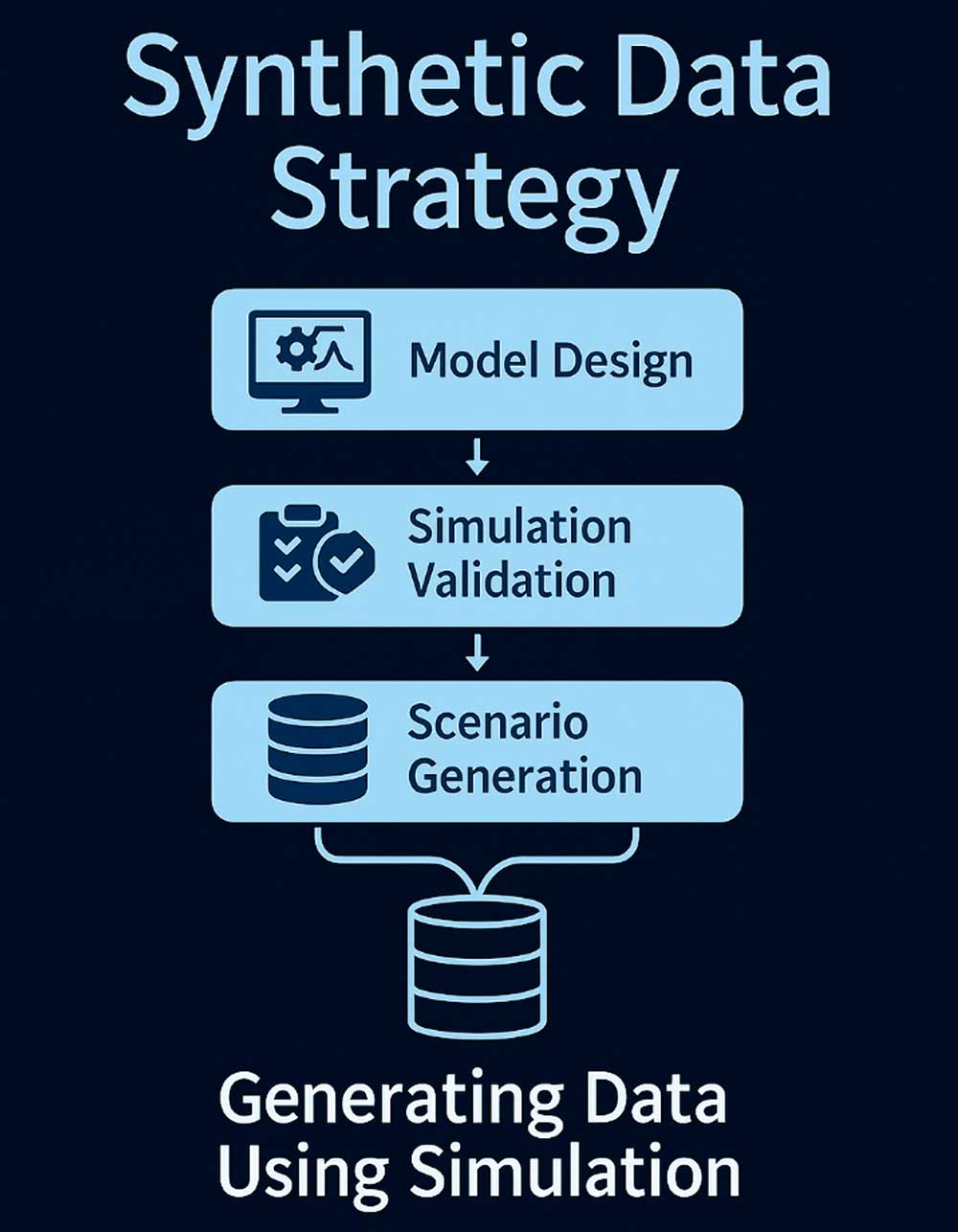
The result is a new class of training data: synthetic, scenario-rich, and physically grounded. We can simulate how a rolling bearing degrades under variable loads, how thermal stresses propagate in a turbine, or how a gearbox responds to lubrication loss. Every simulation becomes an experiment—an opportunity to generate labelled datasets that fill the gaps in historical operation.
Techniques such as fault injection, stress testing, and parametric sweeping create data far beyond the reach of real-world experimentation. Because these simulations are based on first-principle physics, the resulting data both reflect possible system behaviours and reinforce the laws governing them.
Physics-Informed Neural Networks: From Data to Understanding
Synthetic data provide a plethora of rich behavioural patterns, but it’s the learning method that determines how much value we can extract from them. Traditional neural networks, even when trained on large datasets, remain limited by their lack of interpretability and adherence to physical constraints.
Physics-Informed Neural Networks (PINNs) revolutionize how machine learning models interact with knowledge. Unlike standard networks that learn correlations from data alone, PINNs encode known physical laws, such as partial differential equations, conservation of mass and energy, or thermodynamic boundaries, into the model’s structure. These equations shape the loss functions, enforce behavioural constraints, and inject meaning into every parameter.
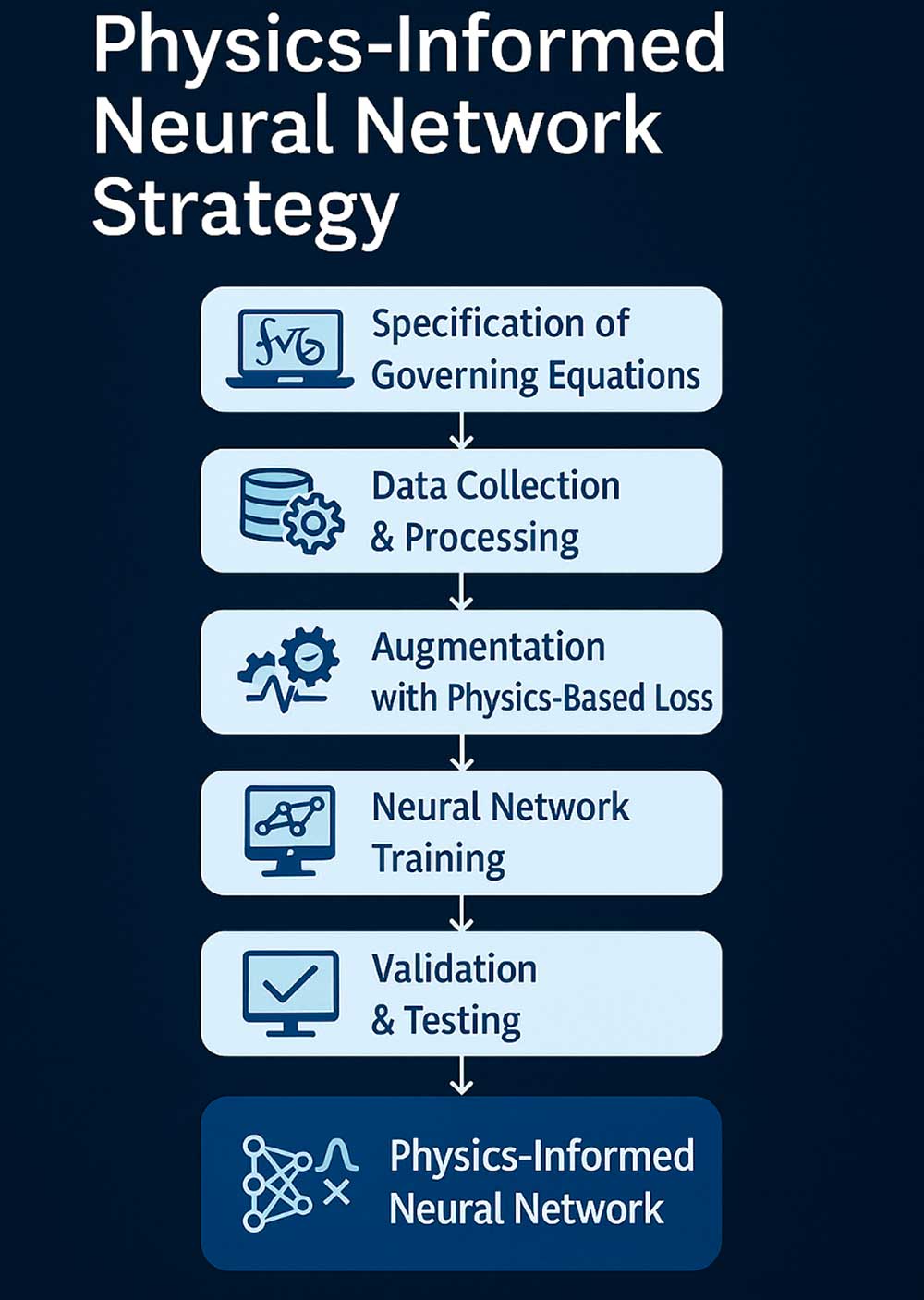
This fusion creates models that are not only data-aware but also physics-consistent. PINNs can infer system behaviour in unmeasured conditions, extrapolate to unseen scenarios, and remain faithful to the physical truths engineers depend on. This makes them particularly valuable in data-scarce domains, where historical measurements are insufficient or unreliable.
In the context of digital twins, PINNs act as intelligent intermediaries between simulation and reality. They use synthetic data not just to train, but also to refine and validate system models in real time. Their predictions come with physical justifications, enabling engineers to see the twin not as a black box, but as a knowledgeable collaborator.
PINNs enable faster simulations, more accurate anomaly detection, and predictive capabilities that are both interpretable and grounded. They allow us to pose “what-if” questions, simulate failure paths, and anticipate how systems might evolve, not only statistically, but also structurally. For instance, a PINN model trained on turbine dynamics can predict the onset of blade fatigue long before vibration sensors detect anomalies.
Ultimately, PINNs elevate digital twins from descriptive to prescriptive intelligence. They do not just signal change—they explain it. They do not just see risk—they understand it. And in doing so, they lay the groundwork for a new generation of industrial decision-making, one that fuses data science with engineering judgment in practical and profound ways.
Conclusion: From Echoes to Insight
The evolution of digital twins is not just technological—it is conceptual. Instead of acting as mirrors of the physical world, twins are becoming intelligent agents that combine data, physics, and simulation into decision-ready insight.
Hybrid approaches, especially those using PINNs, represent the frontier of this transformation. They allow us to embed knowledge into our machines, not just feed them numbers. They empower us to detect the swan song of an asset before silence falls.
Most importantly, they offer a path to true contextual intelligence, turning overwhelming complexity into meaningful, actionable understanding. As Europe pushes for digital sovereignty and resilient infrastructure, the time to embed explainable, physics-informed intelligence into our systems is now.
Text: Diego Galar
Photos: iStock, SHUTTERSTOCK Images: Diego Galar
Subscribe to the free Maintworld newsletter here!
Thanks for the past—looking ahead to new adventures
This is my final editorial as Editor-in-Chief of Maintworld Magazine.
As of January 2025, Jari Kostiainen has taken over the role, bringing fresh leadership to the publication. We’ve also restructured our editorial team, and I’m pleased to welcome back two familiar faces—Nina Garlo and Mia Heiskanen.
For me, this marks the conclusion of my full-time working life, though I won’t be stepping away from the maintenance scene entirely. I will continue contributing to Maintworld as a freelancer, and in my role as a Board Member of the European Federation of National Maintenance Societies (EFNMS), I remain well-positioned to follow the latest developments in maintenance and asset management. Over the years, my work in this field has evolved into a passion, enriched by a strong professional network and many valued friendships.
The Growing Importance of Asset Management
Asset management is becoming an increasingly critical focus for many companies. However, its full implications for maintenance professionals and production teams are still being defined.
Another key topic shaping the future of our industry is artificial intelligence (AI)—a subject we’ve covered extensively in our magazine. Whether AI will completely transform maintenance remains to be seen. Some have already raised concerns about unnecessary hype surrounding AI and its effects.
While AI and asset management are important, we must not overlook the fundamental skills essential to maintenance. After all, industries worldwide quite literally keep moving thanks to a thin layer of oil within machines, components, and moving parts. The expertise required to maintain these essential systems remains irreplaceable.
As I step into a new phase, I would like to take this opportunity to say thank you to all the colleagues, professionals, and friends I’ve had the privilege of working with over the years.
This issue will also feature an overview of Jari Kostiainen, who will be leading Maintworld into the future.
We continue to welcome your feedback and story ideas.
Jaakko Tennilä
Editor-in-Chief, Maintworld Magazine (until the end of 2024)
Jari Kostiainen
Editor-in-Chief, Maintworld Magazine (from 1.1.2025 onwards)
jari.kostiainen@kunnossapito.fi
Editor-in-Chief, Maintworld Magazine (until the end of 2024)
Subscribe to the free Maintworld newsletter here!
Painting the Picture of Cybersecurity

Cyber threats are no longer confined to computer screens as they shape industries, economies, and even societies. In this exclusive interview, cybersecurity global expert Mikko Hyppönen paints the picture how the digital battlefield has evolved, what industrial leaders must do to protect their business operations, and why AI-generated art unsettles him.
The walls around Mikko Hyppönen tell a story. Abstract paintings, digital sculptures, and eerie sound installations inspired by cyber threats surround him. Standing in the heart of Museum of Malware Art, the world’s first cybersecurity-themed art gallery at
WithSecurity headquarters Helsinki, he speaks about a different kind of artistry, the symphony of cyber defense, where every note can make the difference between harmony and chaos.
Hyppönen, a legendary cybersecurity expert and global thought leader, has spent decades tracking the evolution of digital threats. But for him, the battle against cybercrime is more than just a technical challenge; it’s a fundamental aspect of modern society’s survival.
The evolution of cyber threats. Looking back at his career, Hyppönen reflects on how dramatically the cybersecurity landscape has changed. “When I started in the 1990s, viruses were mostly created by hobbyists—teenagers writing code for fun, sometimes destructive, but without a real financial motive. Today, we are facing highly organized crime syndicates and nation-state actors who conduct sophisticated attacks for power, money, and political gain.”
One of the most surprising transformations has been the industrialization of cybercrime. “Hackers don’t just create malware anymore,” he explains. “They run full-fledged businesses, complete with customer support for victims who are paying ransoms. The attacks are automated, efficient, and relentless.”
The industrial cyber war is a new battlefield. “Technology revolutions shape our world more than anything else,” Hyppönen states. “We’ve seen it with the internet, mobile technology, and now artificial intelligence. Each revolution brings progress but also risks.”
For industrial and manufacturing companies, these risks are no longer hypothetical. Cyberattacks on factories and production lines are becoming as disruptive as physical disasters like fires or power failures. “The difference is that no arsonist stands outside a factory trying to set fires every single day. But cybercriminals are constantly trying to break in, every hour and every second.”

Recent attacks have shown how organized and persistent cybercriminals are. “These aren’t lone hackers in basements,” Hyppönen warns. “These are fully structured organizations and the methods they use range from exploiting outdated systems to deploying sophisticated AI-driven phishing campaigns.”
The weakest link is connectivity and complacency. Many industrial leaders still believe they are not targets. “Why would they come after us?” is a common sentiment, Hyppönen says. “But when you analyze attack patterns, you see no logic in victim selection. One day, a steel manufacturer in Canada. The next, a furniture company in the Netherlands. Hackers don’t choose their victims; they find vulnerabilities and exploit them.”
What is a common entry point for these attacks? Poorly secured remote access systems. In the race for efficiency and digital transformation, factories have connected their networks in ways that expose them to threats. “Every system today assumes that electricity and the internet will always be there,” Hyppönen explains. “The moment one fails, production halts. In ten years, losing internet connectivity will be as catastrophic as a total electricity failure today.”
Seeing the unseen. When asked how companies can defend themselves, Hyppönen emphasizes one thing: visibility. “You can’t protect what you can’t see. Do you know how many devices are connected to your company network? How many are running outdated software and how many have unnecessary access to critical systems?”
Hyppönen recommends industrial companies to conduct regular security audits, penetration tests, and continuous network monitoring. “Think of it like tuning an orchestra. If one instrument is out of tune, the entire performance suffers. The same applies to cybersecurity. A single vulnerable device can be an entry point for disaster.”
One of the most effective ways to test a company’s vulnerabilities, he adds, is to order a controlled attack. “Ethical hacking exercises allow organizations to identify weak points before real attackers do. We conduct these penetration tests, and, in my experience, there is no system that cannot be breached. Once vulnerabilities are found and fixed, the test should be repeated to ensure security improvements hold.”

The AI dilemma: art or algorithm? Despite his fascination with technology, Hyppönen is not entirely comfortable with all aspects of artificial intelligence. “I don’t particularly like the idea that AI can create art, whether it’s music, poetry, or visual art pieces,” he admits. “Creativity has always been uniquely human, and the thought of a machine generating something deeply emotional feels unsettling to me.”
To illustrate his point, Hyppönen recalls an example. “Last year, a song generated entirely by AI made it to the German single charts. The AI composed the melody, wrote the lyrics, arranged the music, and even synthesized the vocals. No human intervention. And yet, it became a commercial hit.”
He pauses for a moment before adding, “That’s both impressive and terrifying despite the fact that I actually liked the song.”
What’s Next? Looking ahead, Hyppönen sees an even more disruptive technological shift on the horizon: quantum computing.
“Once we have sufficiently powerful quantum computers, they will break most of today’s encryption standards,” he warns. “This means that every piece of encrypted data stored today might become readable in the future. Organizations need to start preparing for post-quantum cryptography now.”
The implications for industry are profound. Secure communications encrypted financial transactions, and intellectual property protection all depend on encryption. “If we don’t develop new security standards in time, we could face a global crisis where everything we thought was safe, is suddenly exposed,” he adds.
The man behind the mission. For someone who spends his days battling digital criminals, how does Hyppönen unwind? The answer lies in a different kind of machine: the pinball machine. “I love playing pinball,” he says with a smile. “I even compete at the national level.” Restoring and maintaining vintage pinball machines gives him the same satisfaction as fighting cyber threats. Both require precision, patience, and an eye for patterns.
But ultimately, what keeps Hyppönen motivated is the bigger picture. “Cybersecurity isn’t just about protecting computers. It’s about protecting societies,” he says. “In a world where everything runs on technology, securing digital infrastructure is as crucial as securing physical borders.”
Hyppönen also highlights the value of working with a team of top-tier professionals from around the world. “The best part of this job is working alongside some of the most brilliant minds. Together, we help organizations during their worst moments: when they’re in the middle of a crisis and need real solutions fast.”
As he walks through the gallery, past an AI-generated piece visualizing a ransomware attack, Hyppönen pauses. “We’re in a digital renaissance. And like any great era of change, it comes with both beauty and destruction. Our job is to make sure the balance tips toward the right side. The cyber symphony is now playing, but the question is: are we listening?”
According to Mikko Hyppönen, one of the most surprising transformations has been the industrialization of cybercrime
He works as the Chief Research Officer at WithSecure and as the Principal Research Advisor at F-Secure. With over 30 years of experience, he has been instrumental in battling major cyber threats and has worked on some of the most significant malware outbreaks in history. Hyppönen has also been a key figure in uncovering cybercrime operations and online espionage.
Hyppönen has been named one of the 50 most influential people on the web by PC World and was recognized as a “Code Warrior” by Vanity Fair. He has written extensively for publications such as Scientific American and Foreign Policy, further solidifying his position as a thought leader in the field.
In addition to his speaking engagements, Hyppönen is the author of the book If It’s Smart, It’s Vulnerable, where he discusses the security risks posed by modern technology.
From Invisible Threats to Visible Art
“While malware was never meant to be art, it reveals an unintended artistry — a creativity born from skilled programming mixed with disruptive intent. By bringing malware and art together, the Museum of Malware Art lets us look beyond the code to see the bigger picture these digital threats paint a story about trust, vulnerability, and the hidden effects of technology.”
Mikko Hyppönen
Chief Research Officer, WithSecure
Curator, Museum of Malware Art
Text: Mia Heiskanen
Photos: Sami Perttilä
Subscribe to the free Maintworld newsletter here!
Shaping Denmark’s Maintenance Industry
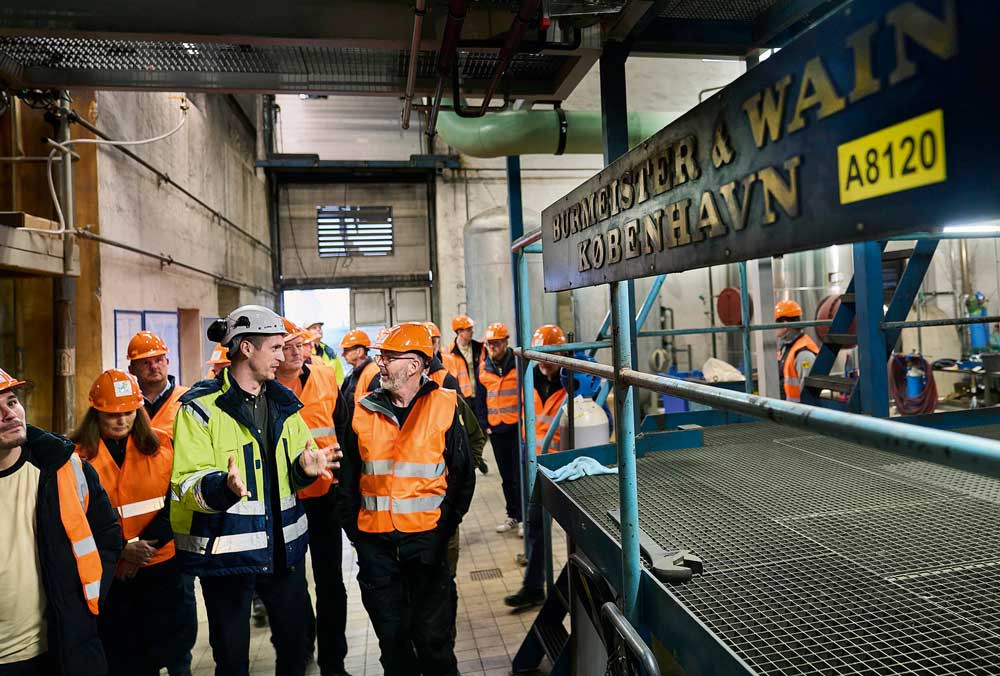
The Danish Maintenance Society (DDV) is a non-profit network that connects professionals in Denmark’s maintenance industry. With around 1,000 members from over 350 companies, DDV fosters knowledge exchange and collaboration through conferences, seminars, and company visits. Its mission is to help organizations optimize operations through effective maintenance, positioning maintenance as a key factor for long-term success.
DDV’s vision is to be Denmark’s main hub for operational optimization through maintenance. It offers a platform where organizations can learn best practices, improve processes, and stay updated on developments in the maintenance field.
“Our goal is to position maintenance as a strategic advantage for businesses, ensuring sustainability and improving efficiency,” says DDV Chairman Jesper Pedersen.
Evolution of Denmark’s Maintenance Sector
Denmark’s maintenance sector has evolved with technological advancements, automation, and sustainability demands. DDV has developed the DDV Analysis, an online tool for organizations to benchmark their maintenance maturity.
The tool measures perceived maintenance levels across five stages: planned maintenance, proactive maintenance, optimized organization, engineered reliability, and maintenance excellence, using 25 key subjects to benchmark organizations’ maintenance practices.
It helps identify improvement areas and encourages internal discussions on best practices. With over 400 responses so far, DDV aims to verify these results through academic research in 2025.
Through the DDV Analysis, organizations can identify their strengths and weaknesses, align their maintenance strategies with company goals, and prioritize investments in areas that will deliver the greatest impact. The tool also fosters internal discussions within organizations, helping maintenance teams build a common understanding and approach to challenges.
Attracting and Developing Talent in Maintenance
“The maintenance sector in Denmark is shifting from merely fixing equipment to optimizing operations and reducing downtime,” says Eva Mosegaard, CEO of DDV.
Attracting young talent is a priority for DDV and for the success in the industry. The organization offers the Asset Maintenance Management course for professionals new to maintenance or project management. In collaboration with educational institutions, DDV also publishes the textbook Vedligehold (Maintenance), which is used in a variety of educational programs, including Marine and Technical Engineering and the Technological Diploma in Maintenance. This resource provides students with essential knowledge about strategic maintenance management and optimization of production and process plants. DDV offers free membership to students, helping them stay connected to the industry and providing them access to a vast network of professionals.
“Our goal is to equip the next generation of maintenance professionals with the knowledge they need to succeed,” says Pedersen.
Meeting the Need for Interdisciplinary Skills
As automation and digitalization transform maintenance, there is a rising demand for professionals with interdisciplinary skills. DDV offers specialized training courses in technologies such as AI, predictive analytics, and digital twins. Their Machine Learning/AI network focuses on predictive maintenance, helping members reduce downtime and costs.
“The future of maintenance is deeply tied to digitalization, says Mosegaard.”
“Our members are increasingly interested in exploring the potential of AI and predictive analytics to enhance operations and prevent unexpected breakdowns.”
Sustainability and Climate Goals
Sustainability is a key focus for DDV, with the organization helping members adopt energy optimization, circularity, and sustainable repair practices. DDV encourages its members to align with the United Nations’ Sustainable Development Goals (SDGs), including those focused on clean energy, responsible consumption, and innovation.
“Sustainability is not just a trend; it’s a necessity,” says Pedersen.
Innovations Shaping the Future of Maintenance
Predictive analytics, AI, and machine learning are transforming the future of maintenance in Denmark. These technologies enable organizations to monitor equipment in real-time, predict potential failures, and optimize maintenance schedules. While still a relatively new area for many DDV members, there is growing interest in these innovations.
DDV has established a network focused on Machine Learning/AI, where members can explore the application of these technologies in maintenance. Events and workshops in this network have been met with great success, and the demand for knowledge in this field continues to grow. Additionally, DDV works to keep its members informed about global trends and technological developments through its online platform, OPTIMERING.NU, which shares relevant case studies and insights.
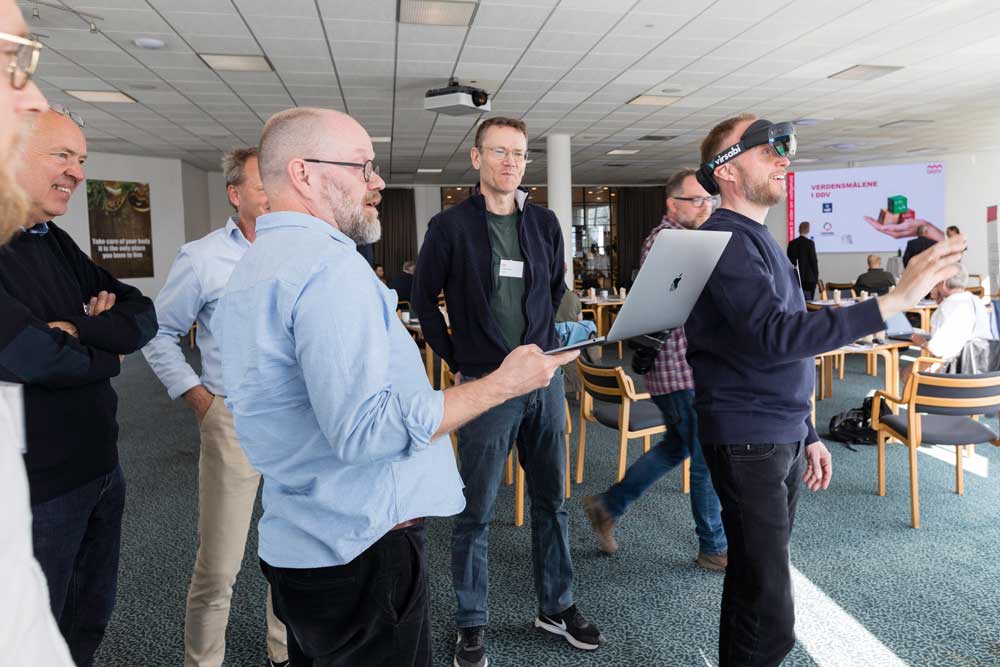
“AI and predictive analytics are still emerging fields in the maintenance sector, but the demand for knowledge is increasing,” says Mosegaard.
“We are excited to help our members stay informed and explore how these technologies can help them improve their operations.”
Staying Updated with Global Trends and Standards
DDV ensures its members stay aligned with global trends and standards, contributing to the translation of international maintenance standards through Dansk Standard. The organization also organizes workshops on Maintenance KPIs to help professionals stay competitive globally.
“By staying updated on global trends and standards, our members can ensure their practices align with the latest industry developments,” says Pedersen.
“This is key to maintaining high performance and competitiveness on the global stage.”
Vision for the Future
Looking ahead, DDV’s vision centers on innovation, collaboration, and sustainability. It aims to maximize asset reliability, optimize resources, and contribute to Denmark’s circular economy. DDV’s leadership believes proactive maintenance will continue to drive value for businesses and help position Denmark as a global leader in maintenance.
“We believe proactive maintenance will continue to drive value for organizations,” says Mosegaard.
As DDV fosters collaboration, the Danish maintenance sector is set to remain at the forefront of innovation and sustainability.
Jesper Pedersen,

DDV Chairman, Principal Engineer at Vattenfall
“Networking is an important part of my daily work. Through a professional network, knowledge and skills are developed and can be used both personally and professionally. I participate in the development of the DDV Analysis, and I am also a member of the editorial board of the book Vedligehold, participating also as an instructor in DDV courses and facilitating several networks.”
Eva Mosegaard,

office manager and CEO of DDV since 2014
“To me, working in a society in collaboration with people who participate voluntarily is the best way to work. Everyone who participates has a desire to broaden their knowledge and build valuable relationships – our goal is to make it happen.”
Text: Nina Garlo Photos: The Danish Maintenance Society
Subscribe to the free Maintworld newsletter here!
Smart Welding Revolution
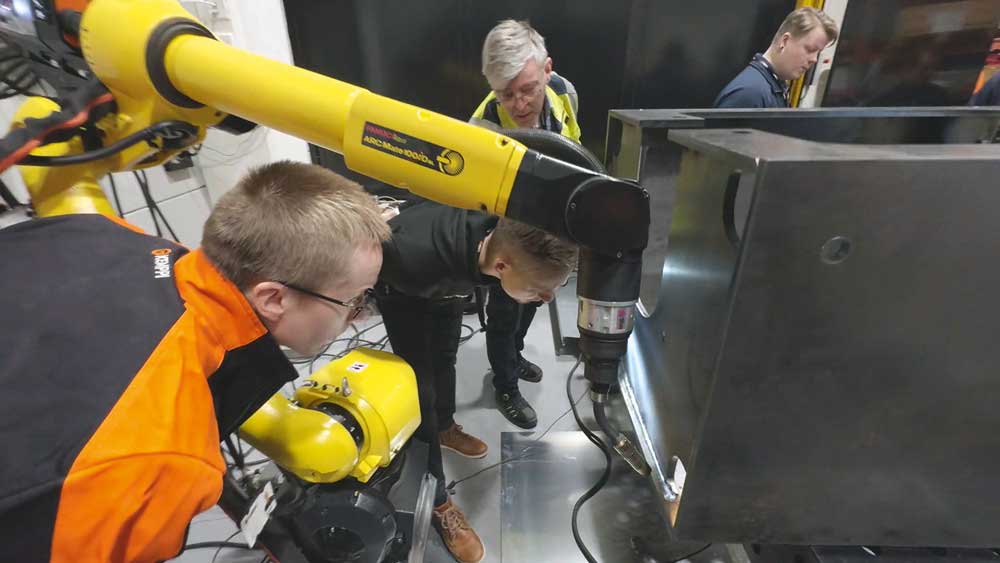
As industries worldwide grapple with the shortage of skilled welders, automation is stepping in to bridge the gap. Kemppi, a leading innovator in welding technology, is at the forefront of this transformation, working alongside research institutions and industry partners to develop solutions that improve efficiency, quality, and adaptability.
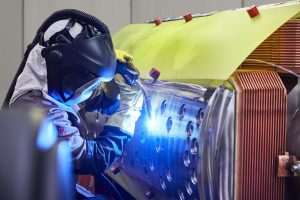
Kemppi’s latest collaborative project involves VTT Technical Research Centre of Finland, Tampere University, and several industrial partners, including Wärtsilä Finland Oyj. The initiative aims to enhance robotic welding and cobot welding to address challenges in automated welding, particularly in low-volume, high-variation production environments.
“One of the key issues in automated welding is ensuring consistent quality while adapting to variations in materials, joint geometries, and positioning errors, says Artturi Salmela, Product Manager for Automation at Kemppi.”
“Through advanced process control and real-time monitoring, we can dynamically optimize welding parameters, reducing errors and improving the overall welding quality.”
Wärtsilä Case: Tackling Large-Scale Welding Challenges
A prime example of this technology in action is Wärtsilä’s production of diesel power plant components. These large, complex structures require precision welding, and achieving high quality with traditional automation has been difficult due to variations in the workpieces. Wärtsilä faced significant challenges with ensuring the structural integrity of massive engine base frames, which require numerous high-quality welds in complex geometries.
The key obstacles:
• Inconsistent workpiece geometry: Large parts had minor but impactful variations, requiring flexible welding approaches.
• High material thickness: Thick metal structures demanded precise heat input and deep penetration welding techniques.
• Quality assurance: Maintaining uniform quality across vast surfaces while minimizing rework and production delays.
To address these, the project implemented real-time seam tracking and adaptive welding control, improving consistency and reducing manual intervention. Additionally, advanced welding cameras, such as those developed by Cavitar Oy, enabled defect detection and process monitoring, ensuring precise execution. These enhancements led to higher efficiency and significant reductions in welding errors.
“The project has already delivered promising results, particularly in seam tracking and AI-assisted welding quality monitoring, Salmela notes.”
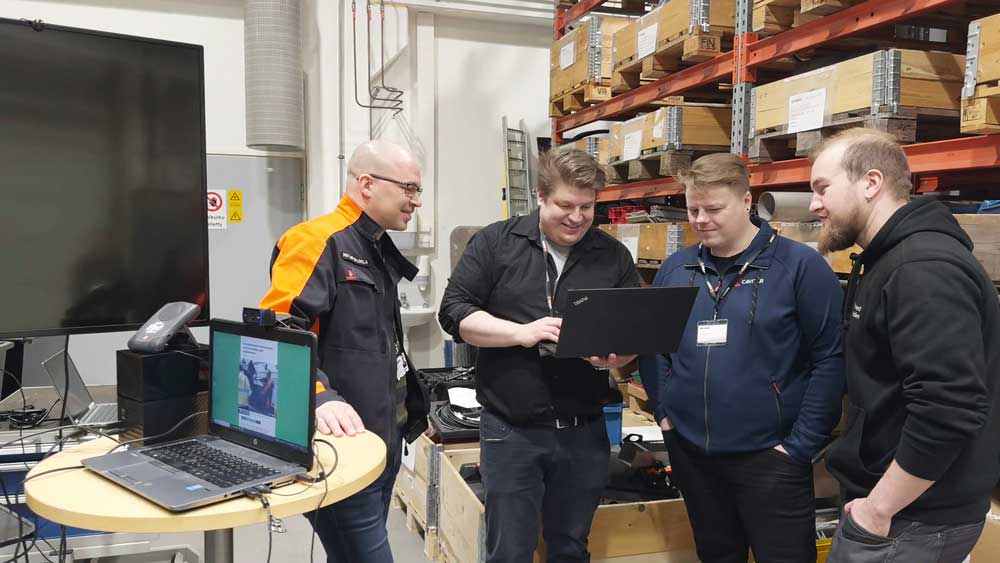
“We’ve successfully reduced error rates and improved welding precision. Moving forward, we will continue refining the AI-based welding control and further integrate cobot solutions to enhance flexibility and efficiency in complex welding tasks. The goal is to develop a robust, scalable automation framework that can be implemented across different industrial applications.”
What is cobot welding?
Cobot welding refers to the use of collaborative robots (cobots) in welding applications. Unlike traditional industrial welding robots, which operate in isolated automated cells, cobots are designed to work alongside human welders. These robots assist in welding tasks by automating repetitive actions, enabling increased efficiency and precision while allowing human welders to focus on more intricate work. Cobots are typically lightweight, easy to program, and adaptable to various production needs, making them an ideal solution for manufacturers looking to enhance productivity without fully replacing skilled labor.
Enhancing human and machine collaboration
A breakthrough in welding automation has been the adoption of collaborative robots (cobots). Unlike traditional industrial robots, cobots work alongside human welders, handling repetitive tasks while allowing skilled workers to focus on complex, high-value welds.
Kemppi’s cobot welding solutions offer several key benefits:
• Improved productivity: Cobots assist welders by automating monotonous welding tasks, increasing overall output.
• Flexibility: Unlike fully automated welding cells, cobots can be easily reprogrammed for different tasks, making them ideal for dynamic manufacturing environments.
• Ease of use: Cobots are designed with intuitive interfaces, allowing welders with minimal automation experience to operate them effectively.
• Enhanced ergonomics: By reducing the need for welders to perform physically demanding and repetitive tasks, cobots improve workplace conditions and reduce strain-related injuries.
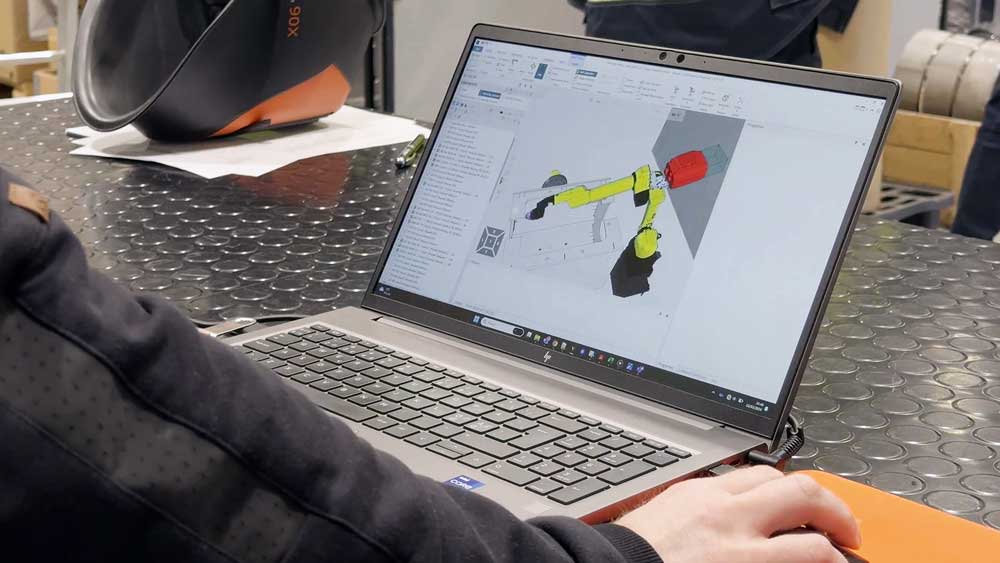
One successful implementation of cobot welding has been in manufacturing components for heavy industry, where parts are often large and require multiple welding passes. By using cobots, manufacturers have been able to achieve greater consistency while reducing fatigue-related errors among welders. In Wärtsilä case, cobots have played a crucial role in handling fewer complex welds while human welders focused on more critical joining tasks.
The future of welding automation
The long-term goal of this initiative is to create an ecosystem where automated and collaborative welding solutions coexist efficiently. As robotic welding technology continues to evolve, manufacturers will be able to scale production while maintaining high-quality standards.
“Cobots and robotic welding won’t replace skilled welders entirely, but they will significantly enhance their productivity. By combining human expertise with automation, we can achieve better efficiency, improved quality, and a more sustainable manufacturing process, Salmela concludes.”
Kemppi has already seen success with cobot welding solutions, which have proven to increase efficiency while maintaining high-quality standards. As industry embraces these advancements, the role of automation in welding will only grow, helping manufacturers meet increasing demands with greater flexibility and precision.
Key Facts:
• Project partners: Kemppi, VTT, Tampere University, Wärtsilä, Cavitar Oy, HT Laser, Visual Components
• Focus areas: Cobot welding, robotic welding, real-time quality monitoring, seam tracking
• Key technologies: Collaborative robots, advanced welding cameras, adaptive process control
• Industry impact: Increased efficiency, improved welding quality, reduced reliance on manual labor
• Outlook: Cobot-assisted welding increasing automation while supporting human expertise
Text: Mia Heiskanen
Photos: Kemppi
Subscribe to the free Maintworld newsletter here!
Artificial Intelligence Needs an Expert Partner
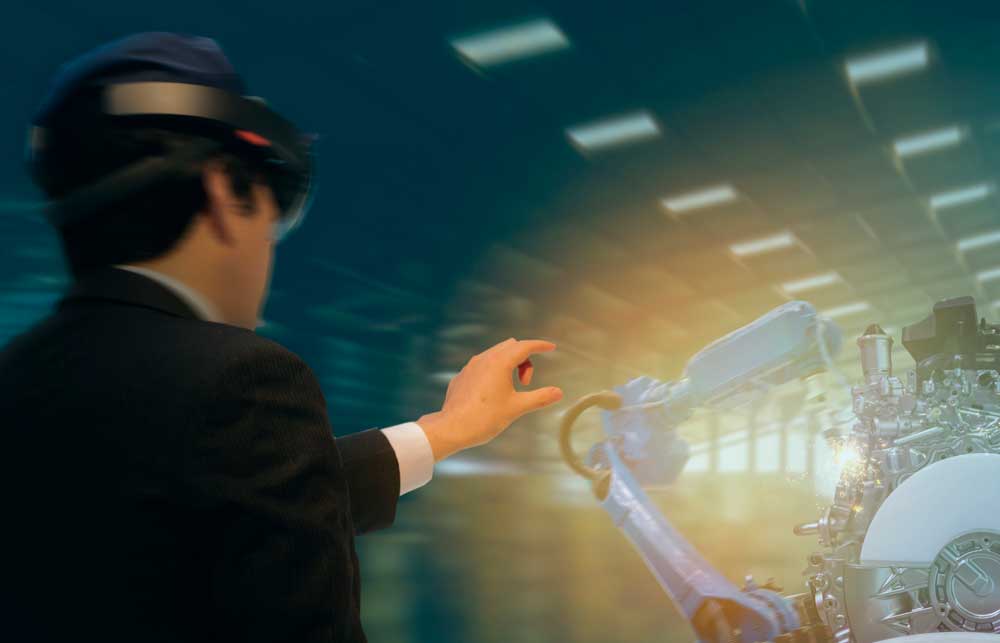
Artificial intelligence (AI) is well-suited for various applications in maintenance, if development considers application-specific requirements and limitations. Reliable models and expertise don’t need to be reinvented through AI; instead, AI can be applied selectively. The importance of staff training is increasing.
Partial solutions developed using narrow AI for utilizing datasets create insights into the usefulness of AI in organizational business and technological environments. Flexible AI applications tailored to different targets provide increasing benefits through a better cost-benefit ratio. However, many elements typically required for solutions are not feasible to achieve solely with AI. In such cases, hybrid solutions, combining AI with components developed using other methods, are necessary.
Narrow AI brings tools for effective data utilization
The broader use of data requires the adoption of new methods, which demand technological readiness and trust in the quality and efficiency of these methods. While many building blocks for developing AI solutions already exist, their effective use requires training and engagement, enabling individuals to use AI as a tool to enhance their work rather than replace it.
The quality of the required data has slowed down the adoption of these methods and computing capabilities. Solutions within computational intelligence methods can also operate with less-than-perfect data. AI can also drive improvements in data quality and encourage more accurate record-keeping by giving data a clear purpose.
Progressing through hybrid solutions in maintenance
When AI is incorporated into decision-making, comprehensibility becomes a central requirement. Solutions brought by deep learning can often be too complex to replicate consistently. Despite their appeal, incorporating decision-making into deep learning easily becomes too unreliable. Instead of mere black-box solutions, hybrid approaches that use fuzzy logic can interpret AI operations. This is particularly effective in multi-objective optimization when operational conditions have a significant impact.
In maintenance, AI can leverage data collected from maintenance systems as well as as-close-to-real-time-as-possible information from condition monitoring. This is especially important at the device level. Expertise can be analyzed using generative AI, particularly in lifecycle management and during the procurement phase of production assets. Both paths converge at the operational level of production units. The need for training also varies depending on whether it’s condition monitoring, maintenance, or production asset management.
Condition monitoring:
Condition-based maintenance requires indicators based on signal processing and data analysis. AI can expand the range of indicators, but a more critical role is combining indicator data into new indicators and using their overall structure in diagnostics. There are similarities between similar machines and devices, but individual differences become apparent at least through operational history. General solutions may not achieve sufficient accuracy. Results can be improved by identifying similarities in machine-specific models, and recursive updates conducted periodically can further enhance equipment functionality.
Device-level operations:
The aim of AI at the device level is to produce increasingly refined maintenance thresholds. This can extend the intervals between scheduled and condition-based maintenance tasks, which in turn improves availability and/or reliability. The maintenance time saved can be used to improve the efficiency of the procedures themselves, reduce delays, and shorten active maintenance periods. Conversely, lengthening intervals between procedures may also enable the timely delivery of spare parts, which is crucial as delivery times increasingly lengthen.
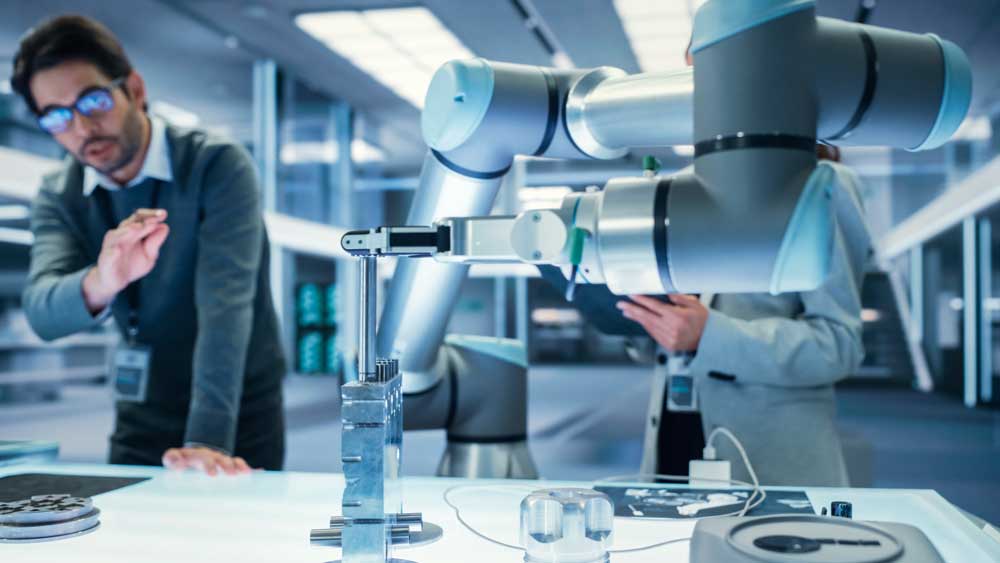
Production unit/department-level operations:
In many technological environments, maintenance activities need to be packaged optimally, considering the criticality of individual devices and maintenance requirements. Such environments include continuous flow production structures with high availability demands.
AI can assist maintenance and production in optimizing downtime scheduling and selecting tasks to be included. An optimal timing may reduce breakdowns and other negative business impacts, potentially extending the interval between downtimes. AI algorithms can also be likely to enhance the efficiency of maintenance shutdowns. Realizing the benefits of optimal task packaging naturally depends on the business and technological environment in which maintenance operates. Initially, the use of AI requires substantial verification and validation, which increases the workload of experts at various levels.
Lifecycle management:
AI plays a role in producing data for examining requirements set by economic and business goals and strategies. This involves evaluating the economic and other business impacts of different operational alternatives, as well as optimal shutdown times and work plans.
Hybrid solutions are needed to address uncertainty when exploring the connection between shutdown scheduling and operational alternatives with cash flow calculations and the business and strategic impacts of actions. When comparing the optimal timing of replacement, improvement, and modification investments, hybrid solutions are required to manage technical, economic, and logistical uncertainties, focusing on the organization’s strategic goals.
Acquisition phase of physical/production assets:
The first definitions of production asset management, including maintenance, are currently made during the design phase. AI is expected to offer new tools to support both these definitions and the design of operational reliability. Digital twins and simulation tools based on them, as well as less demanding technical system models, aid in executing complex design tasks.
The requirements for AI are especially important during the design phase. At this stage, connections to business objectives, strategies, and accounting are particularly demanding due to greater uncertainty compared to the operational phase. These models are also useful tools during the plant commissioning and operational phases, with their quality improving as information accumulates with increasing operational hours.
Asset acquisition, as well as the procurement of individual devices, is expected to become more efficient, although continually growing requirements may work in the opposite direction. The technical documentation and work instructions provided by equipment suppliers are expected to improve, enhancing the quality and efficiency of AI use.
Organizational considerations:
AI development and implementation free personnel for development tasks, but applying AI requires understanding the methods involved. Training is needed to address uncertainty in planning and decision-making, as well as to grasp the principles, strengths, and challenges of multivariate methods.
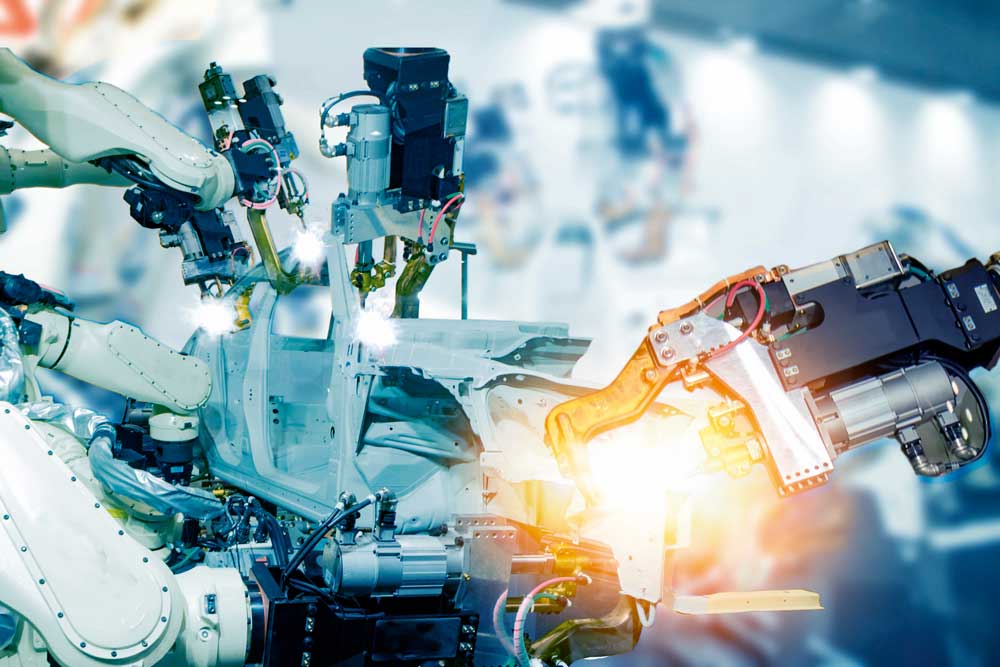
Defining AI tools suitable for one’s application environment and ensuring high-quality, timely, and appropriately formatted data storage requires leveraging both documented and tacit knowledge of the entire technical staff.
Developing AI tools themselves requires not only expertise in various methods and influencing factors but also consideration of organizational-specific requirements and characteristics. For this reason, the demand for these services is expected to grow, but organizations themselves must understand maintenance requirements within the framework of asset management from a new perspective.
Organizational expertise remains central. AI does not replace this expertise but rather becomes a tool for analyzing situations, much like information technology did earlier. Over time, operations become more efficient, and quality improves. At the same time, expertise is enhanced. No fundamental leap or new mode is required. There will be impacts on work distribution and the use of external services, clarifying former practices.
The role of technology providers:
In terms of the technologies used by organizations, the role of technology providers (equipment manufacturers) or service providers with in-depth expertise in specific technological products will strengthen both in lifecycle management and maintenance. The role of the entire plant designer is also expected to strengthen, as AI use during the procurement phase is anticipated to increase. Conversely, organizations’ desire to avoid dependency on a single provider serves as a counterbalance.
Organizational impacts will also significantly depend on the specific organizational and technological environments; for instance, paper and steel mills require a different operating model than machine shops or shipyards.
Integrating AI in control and maintenance
Condition-based maintenance aims to predict maintenance thresholds and the need for shutdowns. Rather than predicting failure time, improvements or at least delays in deteriorating conditions can be achieved by incorporating the condition and stress of process equipment and machines into control. This simultaneously reduces the risk of unexpected damage.
Stabilizing control:
Continuous condition monitoring provides useful indicators and intelligent analyzers to support control. Through control execution, additional information is simultaneously obtained for condition monitoring. The goal here is continuous operation.
Optimizing and coordinating control:
Continuous condition monitoring could also play a central role in continuously compiling symptoms of failure for adaptation to changing conditions. Periodic condition monitoring leads to diagnostic and prognostic-based optimized and coordinated control. This involves periodic operational changes.
Adapting control strategy:
Condition monitoring and performance tracking are needed to adapt control strategies through diagnostics and prognostics, potentially involving short-term scheduling as well.
Real-time and updated information is required at all levels for decision-making. Integrating control and condition monitoring solutions aims to enable wise operations in changing conditions.
Challenges in applying AI
There are plenty of use cases, but many requirements and limitations must be addressed:
• Data quality and availability limit application development and potential use cases. Assembling all the necessary data in a balanced manner is difficult.
• Integration of AI solutions with condition monitoring systems requires careful validation. In practice, condition monitoring solutions must be assembled from components.
• Comprehensibility of AI solutions is essential for integration.
• Lack of reproducibility in computation also does not inspire confidence.
• Efforts towards standardization are present in all systems, but in the AI field, this is still far off due to insufficient validation and testing.
• Data management faces numerous challenges in maintaining extensive and multifaceted data in a balanced manner under changing conditions.
AI is well-suited for many applications in maintenance when application-specific requirements and limitations are factored into development. Data analysis is a valuable addition.
It’s also important to remember that reliable models and expertise do not need to be reinvented with AI: AI is applied selectively. The importance of expertise necessitates skilled personnel for various applications. The need for training does not diminish.
AI has developed over a long period
The key utilization of AI is based on the long development history of intelligent solutions. Since the 1950s, the model of brain structure has served as the basis for neuromorphic computing, where calculations occur in interconnected layers.
Photos: SHUTTERSTOCK
Subscribe to the free Maintworld newsletter here!
The Machine Awakens
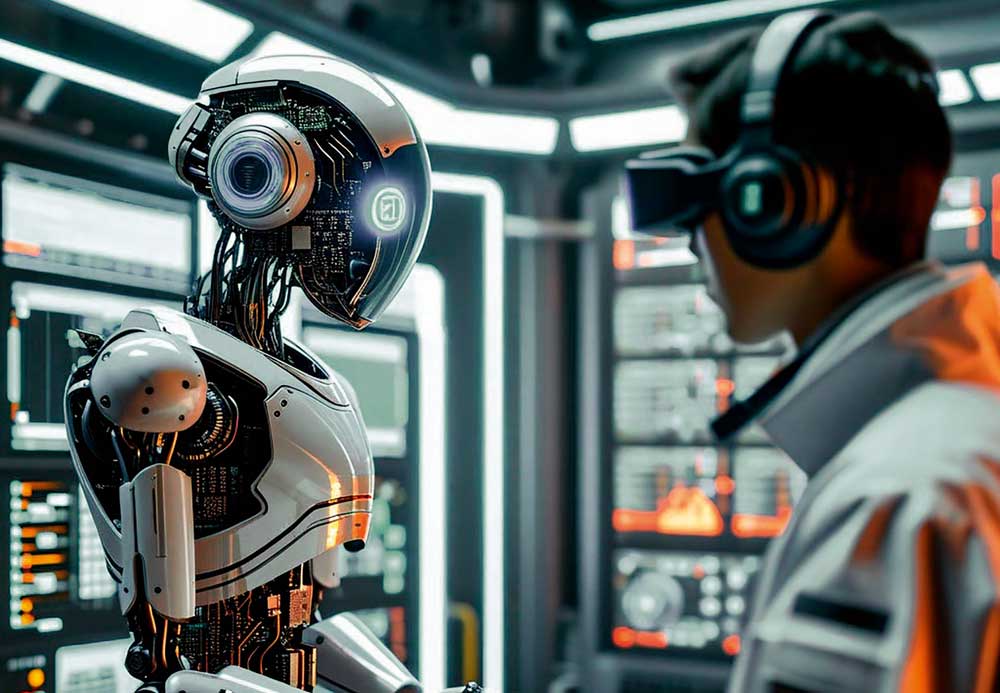
Cognitive maintenance and the end of failure
Introduction: The Rise of Cognitive Maintenance
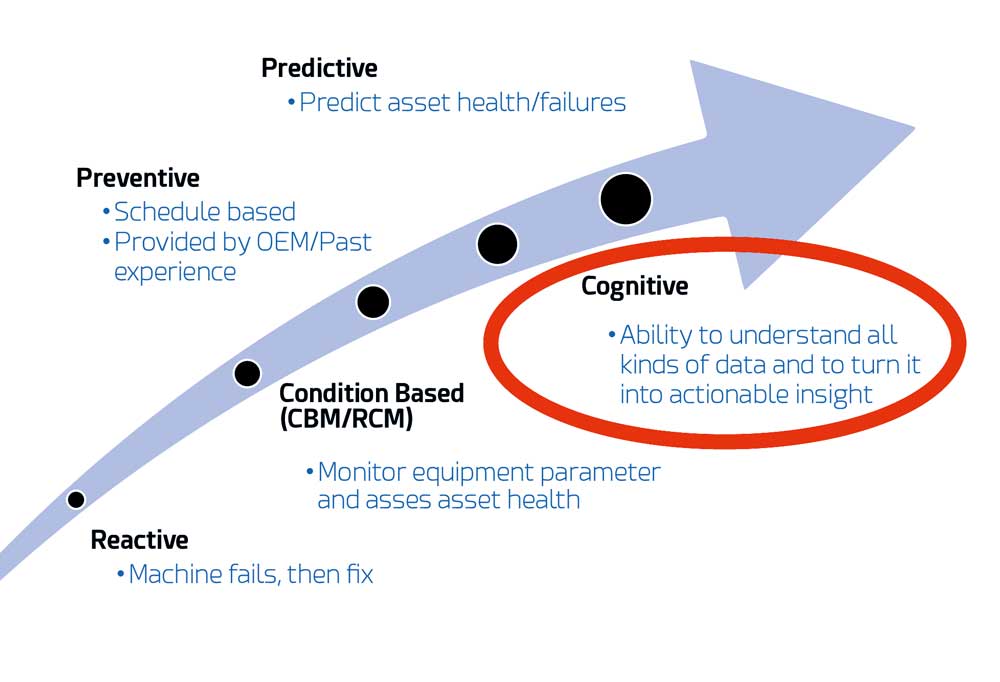
Industrial maintenance has long grappled with unplanned downtime and high repair costs. Reactive approaches fix machines only after they fail, while preventive methods replace parts on strict schedules, often unnecessarily. Predictive maintenance introduced data-driven insights that detect failures in advance, yet human decisions are still required to schedule and carry out repairs. Now, a paradigm known as cognitive maintenance is emerging, where machines are active contributors to their own health. Cognitive maintenance goes beyond simple alerts by allowing assets to self-diagnose problems and dynamically respond, reducing failures and extending operational life. Instead of running until something breaks, machines adapt to stressors and coordinate with other systems to optimize performance.
Key Technologies Enabling Cognitive Maintenance
Cognitive maintenance depends on multiple convergent technologies that move beyond passive monitoring toward autonomous action, including cognitive digital twins, edge computing, proprioception and self-aware robotics, the Industrial Metaverse, and mission-driven maintenance. By weaving these elements together, cognitive maintenance represents a new way of ensuring industrial reliability, cost-effectiveness, and long-term sustainability.
Traditional digital twins are passive digital copies of physical assets. They can reflect current conditions and provide analytics but rarely have the capacity to learn or evolve. Cognitive digital twins continuously update themselves by assimilating new sensor data, maintenance records, and operator feedback. They use this knowledge to optimize how a physical asset operates and predict maintenance needs.
Rather than simply sending alerts to human technicians who then plan repairs, cognitive twins autonomously initiate interventions and adjustments. While predictive maintenance focuses on detecting early signs of failure, cognitive maintenance takes a broader approach.
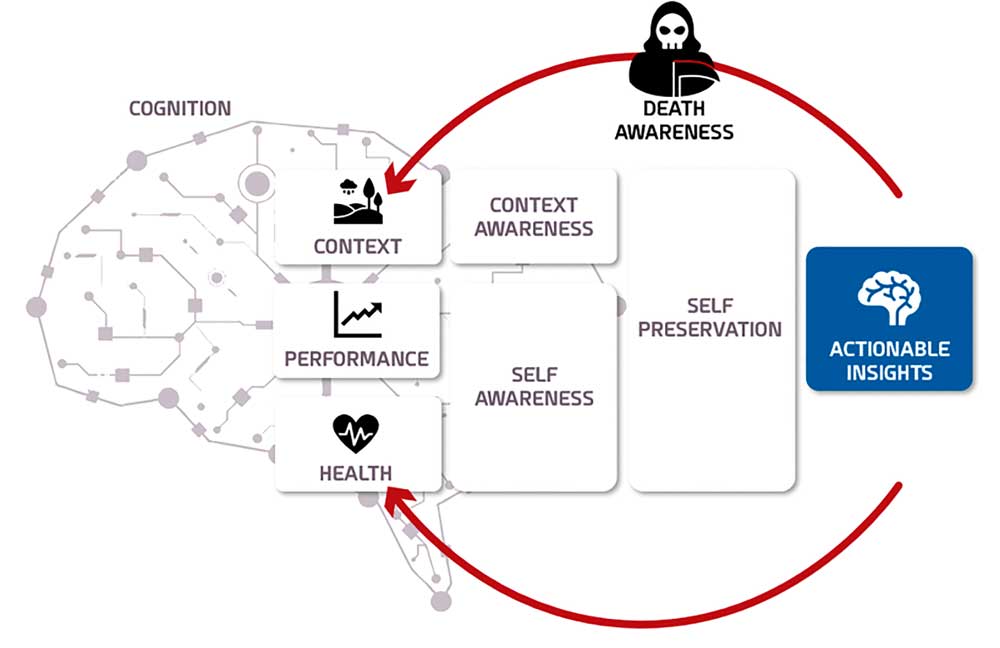
By combining AI with engineering expertise and real-time operational context, it allows the system to decide whether a machine should be serviced immediately or can safely continue functioning, thereby aligning maintenance decisions with business objectives. Because these twins can process large volumes of sensor readings at remarkable speed, they help avoid premature part replacements and catastrophic breakdowns. As a result, industries benefit from a new standard of reliability and cost savings.
Cognitive digital twins represent the unification of three traditionally separate domains: information technology for data management, operational technology for on-the-ground control, and engineering technology for the mechanical and design aspects of assets. By blending these domains, cognitive twins unlock real-time insights that go beyond flagging issues. These intelligent coordinators orchestrate maintenance activities, adapt machine behaviour, and maximize lifespan without the constant oversight of human technicians.
Edge computing contributes to cognitive maintenance by enabling instantaneous data processing at the asset level. In scenarios where a few milliseconds of delay could be critical, local processing capacity allows immediate adjustments,especially important for remote or high-risk applications. By reducing latency, machines can better self-regulate, halt operations if a serious fault is developing, or shift workloads to other systems in real time.
Proprioception and self-aware robotics expand on these capabilities by giving machines something analogous to a biological sense of muscle tension or joint stress. Embedded sensors within mechanical components can feel slight vibrations, detect small cracks, and sense wear before it escalates. The machinery autonomously responds, applying less force, distributing loads more evenly, or signalling that a part needs minor service before it fails completely. In high-stress industrial environments, this capacity for internal awareness saves both time and money.
The Industrial Metaverse provides immersive digital environments. By combining real-time data, historical records, and AI-driven simulations, this virtual ecosystem allows both machines and humans to practice responding to various failure modes.
Maintenance strategies can be tested and refined in a setting mirroring actual operations without risking real-world downtime or damage. This approach encourages experimentation and rapid innovation in maintenance practices.
Another advancement is mission-driven maintenance, where AI systems decide the best time for interventions based on overall operational priorities. If a facility is running at peak capacity, non-critical maintenance tasks can be postponed, while assets with higher risk of serious failure receive immediate attention. Thus, essential production targets are met without neglecting safety or assets’ long-term health. By integrating all these technological elements into a unified framework, industries can transform maintenance from a reactive chore into an active, strategic function.
Human-AI Symbiosis in Cognitive Maintenance
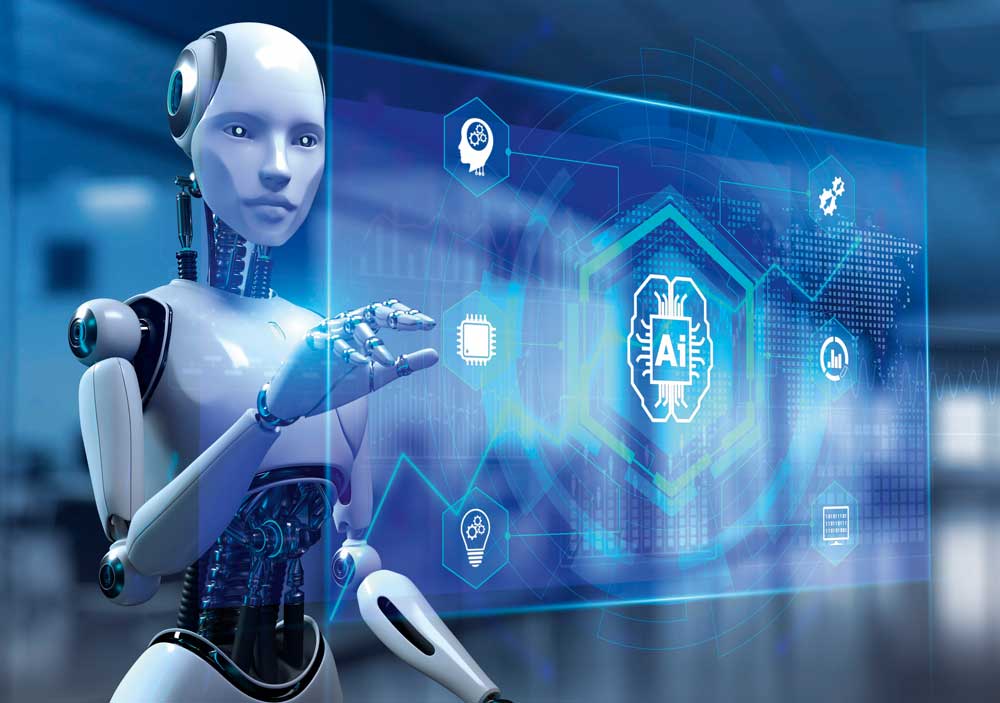
Although cognitive maintenance increases machine autonomy, human expertise is indispensable. AI systems excel at large-scale pattern recognition and real-time data processing, but humans have contextual awareness and strategic reasoning that machines cannot replicate. Cognitive maintenance aims to augment, not replace, technical professionals. AI assists by sifting through massive amounts of sensor data and proposing optimal repair schedules, while technicians verify these recommendations and handle complex troubleshooting.
This collaborative relationship becomes a feedback loop in which human actions and decisions improve AI models over time. When a technician modifies a recommended intervention or overrules an AI-generated insight, the system tracks and learns from that event. Gradually, predictive models become more refined, reducing false alarms and bolstering trust. Maintenance personnel begin to focus on higher-level tasks, such as orchestrating machine interactions, training AI systems, and ensuring automated suggestions do not compromise safety or ethical considerations.
Human intuition is particularly valuable for risk assessment and big-picture planning. Although machines can analyse data quickly and efficiently, only human operators can account for nuances such as emerging regulations, environmental impacts, and organizational strategies. Rather than executing countless repetitive checks, workers become supervisors, strategists, and mentors to intelligent systems. Together, human and machine intelligence form a resilient maintenance ecosystem capable of responding to unexpected challenges.
Case Studies: Cognitive Maintenance in Action
In manufacturing, an automotive plant applied AI-driven predictive models to robotic welders. Traditionally, robots kept working until scheduled maintenance or until a breakdown. With self-learning software, the machines began to detect wear, vibrational anomalies, and sensor readings that hinted at impending malfunctions. Production downtime decreased by a notable margin, and part replacements were timed more accurately, leading to cost savings, higher-quality welds, and fewer reworks.
In the transportation sector, a European rail operator equipped its rolling stock with AI-based monitoring systems. Real-time data on braking temperatures, axle stress, and wheel conditions allowed proactive interventions to be integrated into operational schedules. Maintenance tasks that previously occurred only during periodic inspections were now triggered whenever the data indicated an elevated risk.

The rate of in-service failures dropped significantly, improving reliability and passenger safety. The operator also observed better scheduling efficiency and optimized rolling stock usage.
In the energy sector, wind farms have embraced cognitive maintenance through AI-powered blade and turbine monitoring. Rather than adhering to fixed service intervals, turbines collect continuous data on wind conditions, vibration levels, and overall performance. They then automatically adjust blade pitch or rotational speed to reduce stress during turbulent weather. This helps prevent catastrophic mechanical failures, increases energy generation, and lowers maintenance costs. Operators have reported impressive improvements in annual power output and component longevity.
These examples illustrate the tangible benefits of combining AI-driven analytics, cognitive digital twins, and autonomous interventions. Across diverse applications, industries gain safer, more efficient, and more proactive approaches to maintaining complex systems.
Challenges and the Future of Cognitive Maintenance
Despite its promise, cognitive maintenance faces several barriers. One challenge lies in AI explainability. Many machine-learning models behave like “black boxes,” generating recommendations without giving clear rationales. Maintenance professionals may be reluctant to trust or act on AI suggestions they do not fully understand. Developing interpretable models and user-friendly interfaces is thus essential to broaden adoption.
Cybersecurity is another pressing issue. As machines become more interconnected and autonomous, the risk of malicious attacks increases. Protecting sensitive sensor data, preventing unauthorized access to operational controls, and ensuring system integrity demand robust, adaptive cybersecurity measures. Strategies such as encrypted data transmission and AI-driven intrusion detection are useful, but this is a constantly evolving field.
Legacy systems also pose difficulties. Many industries rely on older infrastructures with limited connectivity or outdated sensors.
Transitioning to cognitive maintenance involves significant investments in hardware upgrades, software platforms, and staff training. Workforce culture must shift to embrace AI-driven insights and new procedures. Companies who navigate these changes will position themselves for significant performance gains, outpacing those unable to adapt.
Looking to the future, advancements in computing will play a central role. Edge computing is already making machine-level intelligence more responsive, especially in remote environments. Emerging technologies such as quantum computing could vastly accelerate the processing of large datasets, unlocking near-instant predictive analytics. As these innovations mature, cognitive maintenance may evolve from its current emphasis on fault prediction into a realm of fully self-preserving and self-optimizing assets.
Conclusion
Cognitive maintenance transforms industrial reliability by empowering machines to anticipate, adapt to, and prevent their own failures, marking a decisive move away from human-led, reactive strategies towards ecosystems of autonomous, intelligent systems capable of self-preservation. However, human expertise remains vital in overseeing these operations. Technicians and engineers must ensure AI systems remain grounded in practical realities, ethical standards, and strategic objectives. The result is a symbiotic relationship where machines handle data-heavy diagnostics and routine adjustments, while people focus on complex problem-solving and broader coordination.
As industry moves toward greater autonomy and intelligence, cognitive maintenance will play a defining role in shaping the future of asset management. Over time, self-learning machines capable of continuous evolution will redefine the limits of what industrial systems can achieve. The journey has begun, and those who embrace cognitive maintenance today stand to gain a competitive edge in operational resilience, efficiency, and technological leadership.
AI Meets Engineering:
A New Era of Maintenance The fusion of cognitive digital twins, AI, and human expertise is reshaping industries—machines don’t just report problems, they solve them autonomously.
Machines That Think: The Rise of Cognitive Maintenance
From simple monitoring to self-preservation, cognitive maintenance integrates awareness and adapts in real-time, ensuring machines don’t just work—they evolve.
From Breakdown to Brilliance
For decades, maintenance meant fixing after failure. Then came prediction. Now? Machines think, decide, and self-optimize, redefining industrial reliability forever.
AI Meets Engineering: A New Era of Maintenance
The fusion of cognitive digital twins, AI, and human expertise is reshaping industries—machines don’t just report problems, they solve them autonomously.
From Tron to Reality: The Rise of Self-Preserving Machines
Once a vision of sci-fi, Tron’s digital frontier is now industrial reality—where machines no longer wait for failure but predict, adapt, and self-preserve. Cognitive maintenance is the bridge between virtual intelligence and real-world autonomy.
Robots with a Sixth Sense
Industrial watchdogs are here. Self-aware, AI-driven inspection bots scan, predict, and act—keeping industries running without human intervention.
From Thought to Action: Robots as the Embodiment of Cognitive Intelligence
Assets will no longer wait for human fixes. Autonomous, AI-powered systems will monitor, repair, and self-optimize before problems arise.
Machines That Heal Themselves
Forget downtime. AI-driven self-repairing machines use proprioception and adaptive intelligence to detect damage and fix themselves—before failure even begins.
Text: Prof. Diego Galar, Prof. Ramin Karim, Prof. Uday Kumar Photos: Shutterstock
Case Studies: Cognitive Maintenance in Action In manufacturing, an automotive plant applied AI-driven predictive models to robotic welders. Traditionally, robots kept working until scheduled maintenance or until a breakdown. With self-learning software, the machines began to detect wear, vibrational anomalies, and sensor readings that hinted at impending malfunctions. Production downtime decreased by a notable margin, and part replacements were timed more accurately, leading to cost savings, higher-quality welds, and fewer reworks. In the transportation sector, a European rail operator equipped its rolling stock with AI-based monitoring systems.
Real-time data on braking temperatures, axle stress, and wheel conditions allowed proactive interventions to be integrated into operational schedules. Maintenance tasks that previously occurred only during periodic inspections were now triggered whenever the data indicated an elevated risk. The rate of in-service failures dropped significantly, improving reliability and passenger safety. The operator also observed better scheduling efficiency and optimized rolling stock usage. In the energy sector, wind farms have embraced cognitive maintenance through AI-powered blade and turbine monitoring. Rather than adhering to fixed service intervals, turbines collect continuous data on wind conditions, vibration levels, and overall performance. They then automatically adjust blade pitch or rotational speed to reduce stress during turbulent weather.
This helps prevent catastrophic mechanical failures, increases energy generation, and lowers maintenance costs. Operators have reported impressive improvements in annual power output and component longevity. These examples illustrate the tangible benefits of combining AI-driven analytics, cognitive digital twins, and autonomous interventions. Across diverse applications, industries gain safer, more efficient, and more proactive approaches to maintaining complex systems. Challenges and the Future of Cognitive Maintenance Despite its promise, cognitive maintenance faces several barriers. One challenge lies in AI explainability. Many machine-learning models behave like “black boxes,” generating recommendations without giving clear rationales. Maintenance professionals may be reluctant to trust or act on AI suggestions they do not fully understand.
Developing interpretable models and user-friendly interfaces is thus essential to broaden adoption. Cybersecurity is another pressing issue. As machines become more interconnected and autonomous, the risk of malicious attacks increases. Protecting sensitive sensor data, preventing unauthorized access to operational controls, and ensuring system integrity demand robust, adaptive cybersecurity measures. Strategies such as encrypted data transmission and AI-driven intrusion detection are useful, but this is a constantly evolving field. Legacy systems also pose difficulties. Many industries rely on older infrastructures with limited connectivity or outdated sensors.
Transitioning to cognitive maintenance involves significant investments in hardware upgrades, software platforms, and staff training. Workforce culture must shift to embrace AI-driven insights and new procedures. Companies who navigate these changes will position themselves for significant performance gains, outpacing those unable to adapt. Looking to the future, advancements in computing will play a central role. Edge computing is already making machine-level intelligence more responsive, especially in remote environments. Emerging technologies such as quantum computing could vastly accelerate the processing of large datasets, unlocking near-instant predictive analytics. As these innovations mature, cognitive maintenance may evolve from its current emphasis on fault prediction into a realm of fully self-preserving and self-optimizing assets.
Conclusion Cognitive maintenance transforms industrial reliability by empowering machines to anticipate, adapt to, and prevent their own failures, marking a decisive move away from human-led, reactive strategies towards ecosystems of autonomous, intelligent systems capable of self-preservation. However, human expertise remains vital in overseeing these operations. Technicians and engineers must ensure AI systems remain grounded in practical realities, ethical standards, and strategic objectives. The result is a symbiotic relationship where machines handle data-heavy diagnostics and routine adjustments, while people focus on complex problem-solving and broader coordination. As industry moves toward greater autonomy and intelligence, cognitive maintenance will play a defining role in shaping the future of asset management. Over time, self-learning machines capable of continuous evolution will redefine the limits of what industrial systems can achieve. The journey has begun, and those who embrace cognitive maintenance today stand to gain a competitive edge in operational resilience, efficiency, and technological leadership.
Subscribe to the free Maintworld newsletter here!
What is Wrong with Maintenance…
I visited the Ecomondo fair in Italy at the beginning of November. A huge event with some 100 000 visitors and 30 halls full of stuff from composters to one-family house-sized process lines.
Something for almost everybody. We had our Euromaintenance 2024 event in the same city two months before the Ecomondo event. According to the organizer there were altogether some 3500 visitors.
As important as maintenance is for all of us in our private or business life, the status of the branch is still low. Why is that?
You can say that it is because we – maintainers – are not good at marketing. That might be true. On the other hand, the organizational status of maintenance was (and still might be in some companies) to be the “necessary evil”, whose role is to act as a firefighter and be most of the time invisible. How can this be changed?
For the ISS (International Space Station), the role of maintenance is crucial. I saw just an article explaining that besides performing the scientific tasks, personnel spend most of their time doing maintenance tasks. In a small, closed society it is clear for everybody on board that things need to work, and the importance of maintenance is high.
I think the same applies also on a larger scale, however missing maintenance is not very visible to most of us. When the s..t hits the fan, we see the consequences of missing maintenance – but normally too late. Normally the costs of coming back to normal operational level are much too high. Because of that, decision makers make drastic decisions – close the factories, decrease the level of the services or sometimes just forget the facts.
In addition to AI content, this issue also covers many other topical issues. The Mascot project, for example, explored how the green transition is affecting material choices and the maintenance of process equipment. The article “Thriving in Chaos” looks at how Industry 5.0 is redefining resilience and reliability.
I’m still happy to receive your feedback and story ideas.
Editor-in-Chief, Maintworld Magazine (until the end of 2024)
Subscribe to the free Maintworld newsletter here!
Thriving in Chaos: How Industry 5.0 Redefines Resilience and Reliability

In a world rife with disruptions and uncertainty, resilience is no longer a luxury but a necessity. Industry 5.0 steps forward as a game-changer, shifting the focus from mere efficiency to adaptability and innovation, promising industries not just survival, but growth through chaos.
A high-speed train, sleek and unstoppable, comes to a sudden halt in the heart of Europe, leaving hundreds stranded. A pharmaceutical factory, racing to produce life-saving medicines, grinds to a standstill as supply chains collapse. These aren’t hypothetical scenarios – they are the challenges industries face in a volatile, interconnected world. In these moments, survival is no longer enough. Industries must evolve, adapt, and emerge stronger – a feat Industry 5.0 promises to achieve. Whereas its predecessor, Industry 4.0, prioritized automation and efficiency, Industry 5.0 shifts the focus to resilience, sustainability, and the powerful synergy between humans and machines.
Resilience: A Lifeline in Chaos
Think of resilience as the grit of Frodo Baggins in J. R. R. Tolkien’s The Lord of the Rings. Frodo doesn’t just survive countless trials; he grows through them.
Similarly, resilience in Industry 5.0 isn’t about simply handling disruptions; it is about transforming disruption into opportunity. From rerouting supply chains during geopolitical upheavals to keeping production steady despite material shortages, resilience ensures continuity in chaos.
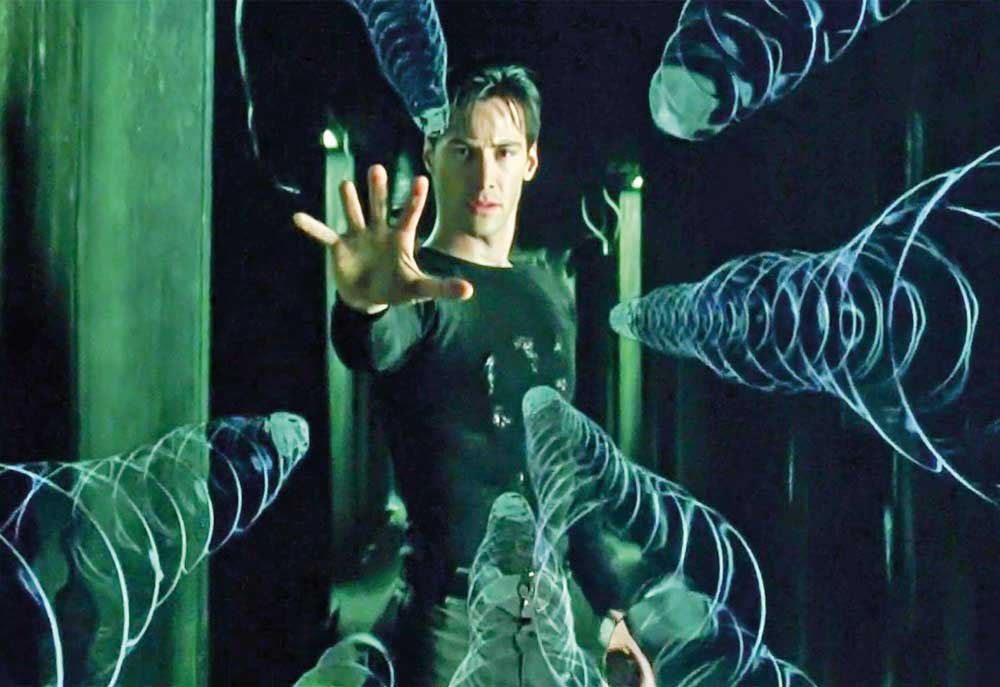
Industry 5.0 goes beyond resilience. Antifragility is the ability to grow stronger under pressure, much like Bruce Wayne evolving into Batman. Adversity didn’t just test him—it transformed him into something far more capable. Similarly, antifragile systems don’t just recover from disruptions; they use challenges as opportunities to improve and innovate.
The Promise of Industry 5.0
Today’s industries operate in a complex web of dependencies, and a single disruption can ripple across continents. To stay competitive, they must master the ability to anticipate, adapt, and transform. This article explores how resilience and antifragility redefine maintenance and reliability in Industry 5.0, providing a blueprint for thriving in the face of unpredictability.
The Essence of Resilience: More Than Survival
Resilience isn’t about either standing tall like a mighty oak or bending like a reed. It is the ability to harness the best of both. Like the oak, resilience provides the strength to withstand disruptions, but like the reed, it offers the adaptability to sway with the winds of change, ensuring survival and growth in the aftermath. In the industrial world, this dual nature of resilience is critical: it allows systems not only to endure shock, but also to evolve.

Consider the global semiconductor shortage as an example. Where some companies faltered, resilient ones reimagined the rules. They diversified suppliers, reshaped logistics, and in some cases, began producing chips in-house. These companies didn’t just recover—they emerged stronger.
Resilience vs. Robustness
It is tempting to equate resilience with robustness, but the two are fundamentally different. Robust systems resist change, like a fortress standing firm during a siege. They endure stress but remain static. Resilient systems adapt dynamically, like a river carving new paths during a flood. They can evolve and grow stronger during disruptions. This adaptability makes resilience a cornerstone of Industry 5.0, ensuring continuity and innovation even in the most unpredictable circumstances. This distinction sets the stage for antifragility, where disruption is not just endured but embraced as a driver of improvement.
Industry 5.0: The Resilience Revolution
Industry 5.0 embraces resilience much like Neo in The Matrix. Faced with overwhelming challenges, Neo doesn’t resist the system—he learns its rules, adapts dynamically, and ultimately masters it. Similarly, resilient systems in Industry 5.0 turn disruptions into opportunities to innovate and thrive.
Adopting the principles of resilience and antifragility requires overcoming a series of interconnected challenges
When the pandemic disrupted global supply chains and halted factories, it exposed a stark reality: even the most efficient systems can crumble under unexpected pressure. Efficiency alone is no longer enough; industries must be designed to withstand, adapt to, and grow from disruption. This is the essence of Industry 5.0 – resilience isn’t just a response.
From Industry 4.0 to Industry 5.0: A Paradigm Shift
Industry 4.0 dazzled with its focus on automation, robotics, and interconnected machines, creating smart factories optimized for efficiency, but these rigid systems revealed their vulnerabilities in the face of sudden, unpredictable shocks. Enter Industry 5.0 – a transformative approach that shifts the focus from optimization to adaptability. It doesn’t aim to create flawless systems; instead, it builds flexible systems designed to thrive in imperfection. While Industry 4.0 sought to eliminate disruptions, Industry 5.0 embraces them as catalysts for innovation.
Industry 5.0 is more than a technological revolution; it’s a mindset shift.
Imagine a production line hit by a sudden material shortage. In an Industry 4.0 factory, operations might grind to a halt. But in an Industry 5.0 factory, AI algorithms will immediately identify alternative suppliers, recalibrate schedules, and dynamically adjust production processes – all in real time. This is resilience in motion.
Technologies Enabling Resilience
Resilience in Industry 5.0 is powered by interconnected technologies. Digital twins simulate disruptions, predictive maintenance ensures proactive responses, and IoT networks provide real-time data streams. Together, these tools create a seamless system that anticipates and adapts to challenges dynamically.
Resilience in Action: Redefining Maintenance
Imagine a factory where downtime is no longer an ever-present fear but a distant memory. Instead of waiting for machines to break, systems anticipate problems, adapt to challenges, and ensure uninterrupted operations. This is the promise of resilience-based maintenance in Industry 5.0.
From Reactive to Proactive Maintenance
For decades, traditional maintenance was reactive, responding to failures as they occurred. While effective in the moment, this approach left industries vulnerable to costly disruptions, cascading failures, and wasted resources. Resilience-based maintenance flips the script. Take a power plant, for example. Let’s say the IoT sensors detect abnormal vibrations in a turbine. Instead of waiting for a costly breakdown, AI algorithms predict the issue and schedule preventive maintenance during off-peak hours. Operations continue smoothly, costs are minimized, and productivity remains unaffected.
The Next Step Beyond Resilience

Resilience is all very well, but can disruptions do more than test systems? Can they actually strengthen them? This is where antifragility – a revolutionary mindset that thrives on uncertainty and transforms challenges into opportunities for growth – comes into play. Resilience provides the foundation for adaptability, but antifragility builds on this foundation. Instead of merely recovering from disruptions, antifragile systems grow stronger with each challenge. This mindset transforms uncertainty into a source of strength, a core tenet of Industry 5.0.
Antifragility: Thriving in Uncertainty
Antifragility, like Harry Potter’s ability to summon a Patronus, thrives on challenges. A Patronus isn’t just a shield—it is a powerful force fuelled by hope and determination, transforming fear into strength. For readers unfamiliar, a Patronus is a magical defence against dark creatures, born out of positive memories and resilience. In the same way, antifragile systems in Industry 5.0 grow stronger through disruptions, turning adversity into a driving force for innovation.
If resilience is about weathering the storm, antifragility is about dancing in the rain. Introduced by Nassim Nicholas Taleb, antifragility describes systems that grow stronger with stress.
This revolutionary concept flips traditional thinking on its head: instead of avoiding disruption, antifragile systems seek it, using chaos as fuel for improvement and innovation. Antifragility in Industry 5.0 reshapes how industries approach challenges. By learning from failures, stress-testing systems, and adapting dynamically, antifragile systems ensure every setback becomes a stepping stone towards growth and innovation.
Challenges and Opportunities
Adopting the principles of resilience and antifragility requires overcoming a series of interconnected challenges. However, these challenges present unprecedented opportunities for transformation.
Key Challenges
• Technological integration: Integrating advanced technologies like IoT, AI, and digital twins into legacy systems is a significant hurdle. Many existing infrastructures lack compatibility, requiring costly upgrades and extensive time investments, but the long-term rewards of smarter, more adaptive operations far outweigh these initial challenges, positioning industries for sustained growth.
• High upfront costs: The financial demands of resilience and antifragility strategies, ranging from new technologies to workforce training, can deter smaller organizations. Yet these investments lay the foundation for systems that minimize future disruptions, ultimately saving costs and creating competitive advantages.
• Workforce transformation: Empowering employees to thrive alongside intelligent systems is a cultural and operational challenge. Training programmes must equip workers with tools like augmented reality (AR) devices and AI-driven insights, fostering a workforce that not only adapts to change but leads it. Organizations prioritizing this transformation will cultivate a resilient, innovative workforce.
• Data complexity: Managing vast amounts of operational data for predictive analytics and real-time decision-making presents security and usability challenges. Robust data management strategies and cybersecurity frameworks are essential for industries to harness data effectively while mitigating risks.
Emerging Opportunities
Despite these hurdles, industries stand to gain in important ways by pursuing resilience and antifragility:
• Sustainability as a driver: Resilience and sustainability are two sides of the same coin. By reducing vulnerabilities, sustainable practices—such as renewable energy integration and circular economy models—directly enhance resilience. For example, a factory powered by renewable energy is less reliant on external grids, making it more adaptable to energy disruptions. Similarly, reusing and recycling materials in local production reduces supply chain risks, ensuring operations remain steady even during global crises. These strategies not only meet consumer expectations and regulatory requirements but also create robust, adaptable systems that give organizations a competitive edge.
• Workforce transformation: By investing in training programmes and equipping employees with tools like augmented reality (AR) devices and predictive analytics, industries can create a workforce that embraces change. As highlighted earlier, this synergy between human creativity and machine precision transforms challenges into opportunities for innovation.
Conclusion: Embracing the Future of Resilience
As we step into the future, disruptions are no longer the exception but the rule. The industries that thrive will be able to redefine their relationship with uncertainty. Resilience is the key to ensuring they can adapt and recover. Antifragility takes this further, transforming challenges into opportunities for growth and reinvention.
Industry 5.0 is more than a technological revolution; it’s a mindset shift. It calls for systems that are not only smart but also adaptable, not only efficient but also sustainable. Most importantly, it places humans at the centre of the transformation, blending ingenuity with intelligent tools to create industries that thrive under pressure.
The question is no longer how industries can avoid the storm but how they can draw on its energy to innovate and evolve. This is the essence of Industry 5.0 – it promises a future defined not by its challenges but by the strength and creativity with which these challenges are met. The future belongs to those who can harness uncertainty as a driver of innovation and progress, shaping a world where challenges fuel growth and creativity.
Industry 5.0 doesn’t just weather the storm—it builds wind turbines to harness its power, transforming uncertainty into the energy that drives innovation and progress.

Text: Professor Diego Galar, Professor Ramin Karim and Professor Uday Kumar Photos: ShutterStock, Freepik, Alamy
Subscribe to the free Maintworld newsletter here!
Latest