The Human Side of Reliability

Reliability is built by people. Maroua Ouerghemmi, Senior Manager for Great Britain and Nordics at The Coca Cola Europacific Partners CCEP, explains why trust, clarity, and daily habits matter as much as data, AI, and predictive tools do in industrial maintenance.
In industrial maintenance, the technology is moving fast: online condition monitoring is becoming standard, AI pilots are multiplying, and data is everywhere. Yet one truth remains constant.
Reliability is built by people. Maroua Ouerghemmi, Senior Manager for Great Britain and Nordics at Coca Cola Europacific Partners CCEP, has built her career at the intersection of strategy and shop floor reality. Her message is clear: the future of maintenance will be won not only with smarter tools, but with trust, clarity, and the ability to translate big ambitions into daily habits.
Maroua Ouerghemmi did not enter maintenance by accident. She entered it through numbers.
“I love mathematics,” she says. For her, maintenance was never just about repairing what breaks. It was about understanding why things break, when they are likely to break next, and what decisions can change that outcome.
She graduated as an instrumentation and industrial maintenance engineer, specializing in maintenance management and maintenance engineering. Her studies began in Tunisia, and her graduation took her to Bahrain. From there, she joined APM Terminals as a reliability engineer in a harbor environment, at a time when the concept of reliability was still gaining traction in many organizations. Her role was to help build a reliability function within the maintenance department, shaping a new way of working around data, structure, and prevention.
Then came a defining opportunity. In 2015, APM Terminals built the first fully automated terminal in the Netherlands, and Maroua was asked to move there to implement reliability initiatives in that high-tech environment. In 2016, she relocated as a senior reliability engineer, spending two and a half years translating reliability theory into real-world routines inside an automated operation where the margin for error is thin and the pace is unforgiving.
From the Netherlands, her career continued to Sweden, where she joined Mondelēz at Marabou Chocolate. She started in reliability, then moved into leadership as maintenance manager, leading a team of around 25 people and taking responsibility for additional functions such as the storeroom. Later, she moved to Nynas refinery in Nynäshamn, Sweden, as a reliability and maintenance manager. Six months before the interview, she took on her current role at Coca Cola Europacific Partners CCEP, as Senior Manager for Great Britain and Nordics, supporting multiple sites in their journey from reactive maintenance toward a proactive, reliability-driven way of working.
Across industries and countries, her path has been fast, varied, and unusually rich in perspective. She calls it a privilege. It also shaped the way she sees the gap that often exists between operational reality and strategic ambition.
Over the years, she has worked closely with maintenance teams and leadership groups alike. That dual exposure, she says, gives her a clear understanding of the operational challenges on the shop floor and the strategic gap that can appear higher up. Her job today is to close that gap. Not by writing strategies, but by making them executable.
“My role is really to translate strategy into execution. The mission is to help sites move away from firefighting and into a more structured, proactive approach. That translation work is where many transformations succeed or fail.”
In Maroua’s view, most companies already have strong ambitions. They talk about reliability, performance, and continuous improvement. They may even have clear corporate strategies. But the hardest part is not the vision. The hardest part is turning it into daily behavior for the people who keep the plant running.
“It’s not enough to have a structure, to have the strategy and all the theoretical part,” she says. “What I enjoy is how I can translate that into execution.”
That translation requires patience, and it requires communication that respects the reality of maintenance work. A new process is not a slide deck. It is a new habit. And habits do not change because someone announces them. They change because the people doing the work understand why the change matters, what it means for them, and how it improves their daily life.
Maroua often describes herself as a coach. She enjoys putting structure in place, helping teams become more data-driven, and building processes that make work clearer and more manageable. The satisfaction comes when she can see tangible change, step by step, in how a team plans, prioritizes, and executes.
This is where her leadership philosophy becomes practical. She emphasizes trust, flexibility, and empathy. She believes leaders must invest time in understanding the people they work with, adapting to different behaviors, and building a relationship strong enough to carry change through resistance.
“People are very different,” she says. “It’s important to adapt.”
Empathy is central to her approach, even though she once questioned it. Early in her leadership journey, she worried empathy might be a weakness, something others could take advantage of. She thought she needed to become tougher to be taken seriously. Over time, she realized the opposite. In maintenance, empathy can be a competitive advantage.
It makes a leader approachable. It makes it easier to connect with technicians and engineers. It makes it easier to get honest information from the shop floor, including feedback about what is working and what is not. And without that feedback, reliability programs remain theoretical.
“Whatever strategy you want to implement, if the people on the shop floor don’t adapt it, you won’t get any results,” she says.
Her experience across cultures has reinforced this belief. She has worked in the Middle East and across Europe, and she has learned that maintenance strategies are often universal, but implementation is not. The “what” can be standardized. The “how” must be adapted.
In global organizations, there is a natural desire to standardize. Common KPIs, common systems, common maintenance planning approaches. Maroua supports this. Standards create a reference point, a shared language, and a way to compare progress. But she is equally clear that routines must fit local reality.
Site size matters. Team composition matters. Production communication matters. Organizational maturity matters. A site that is early in its reliability journey cannot absorb the same level of standardization as a mature site without creating frustration and failure. Pushing a standard too rigidly, too fast, can backfire.
“We often push sites to just follow standards, but maybe on terms of maturity they are not there yet,” she says. “And then they fail.”
So, the balance is to keep the standard as the direction, while allowing each site to build its plan based on where it is today. This is not a compromise. It is change management. And change management, in maintenance, is always about people, she says.
That human dimension becomes even more visible when the conversation turns to diversity. Maroua has often been the only woman in maintenance teams across different countries. She acknowledges that the experience can be different. In many environments, a man in a leadership position may receive trust by default. A woman may have to earn it first, sometimes facing skepticism or subtle testing.
Her advice is grounded and direct. Do not overdo it. Do not fall into the trap of trying to prove you know everything. Do not lose yourself by performing a version of leadership you think others expect.
“Be yourself,” she says. “You don’t have to know everything. If you are in the position, you are there for a reason. Trust that. Focus on the job. Work with the team. Let results and consistency build credibility over time.”
When asked about challenges in the maintenance sector, Maroua points to a familiar and persistent issue: maintenance is still too often viewed as a cost center. In many leadership conversations, maintenance appears as a budget line to be reduced, not as a value driver to be strengthened. She believes this mindset must change, and she believes maintenance leaders have a role in changing it.
Maroua thinks that the language needs to evolve.
“Maintenance spending must be framed as investment, linked directly to business outcomes. Reliability is not an abstract technical goal. It affects productivity, quality, safety, and delivery performance. It reduces unplanned downtime and stabilizes operations. It protects assets and extends their life, and it makes planning possible.”
But to make that case convincingly, maintenance must be measured wisely. Here Maroua is critical of two common traps. Some organizations track too many KPIs, creating confusion and diluting focus. Others track the wrong KPIs, leading teams to optimize for metrics that do not drive real improvement.
Her recommendation is to start with a few critical KPIs, with clear baselines and targets, and then link them to daily activities so the team understands what they are doing and why. In her view, the focus should always cover people, process, and cost.
Among the most important reliability measures, she highlights MTBF, mean time between failures, as a core indicator of machine reliability and the effectiveness of maintenance practices. She also emphasizes MTTR, mean time to repair, as a measure of team efficiency, skill levels, and the time it takes to perform tasks, which can guide improvement efforts. And she stresses budget tracking, not as a cost-cutting exercise, but to understand where money is spent and whether it is invested wisely.
From there, the conversation naturally moves to digital transformation. Maintenance is already changing. Online monitoring for vibrations has been in place for years in many sites, though maturity varies widely. Now, AI pilots for predictive maintenance are emerging across industry.
Maroua sees both opportunity and risk. The opportunity is clear. AI can connect data sources that have long been fragmented. It can centralize machine history, OEM recommendations, previous failures, and maintenance actions into one platform. It can accelerate troubleshooting, support root cause analysis, and improve prediction and decision-making.
She mentions a pilot initiative focused on centralizing machine data into a single platform where engineers can quickly access a more complete operational picture. For maintenance teams that have long struggled with missing data, scattered records, and limited visibility, this represents a significant shift.
But she is careful not to oversell it. AI is not yet perfectly accurate. Data must be validated, tools must be trained, and perhaps most importantly, people must be prepared.
“There is data everywhere,” she says. “The challenge is not collecting more. The challenge is integrating it, translating it into actionable decisions, and embedding it into routines.”
She also acknowledges the human fear that comes with rapid technological change. People wonder what it means for their jobs. They worry about being replaced. They feel the pace of change is faster than their ability to adapt. In her view, organizations must address this proactively by planning skill development now, not later.
The future of maintenance, in her eyes, is not a future without people. It is a future where people work differently, with new tools and new competencies, and where the industry must invest in upskills to keep pace with technology.
Looking ahead five to ten years, Maroua hopes to see three shifts. A more diverse maintenance workforce, a more widespread adoption of AI and online monitoring that reduces reactive firefighting, and a broader recognition that maintenance is a value-added contributor to business performance, not a department that simply “drains money.”
Her own ambition is to keep learning and to contribute back to the maintenance and reliability community. Early in her career, platforms and publications helped her understand the field, learn from others, and find direction. Now she wants to be part of that knowledge loop, sharing experience and helping the next generation.
For young engineers entering maintenance, her advice is practical and optimistic. Be open-minded.
“Be patient. Reach out to people and ask questions, try new initiatives and approaches. Do not be afraid to fail, because failure is part of learning in maintenance. And always keep the core goal in focus: improving machine performance.”
Three practical takeaways from Maroua Ouerghemmi
1. Strategy only matters if it becomes a daily habit The success of reliability programs depends on whether maintenance teams can translate them into simple, repeatable actions that make sense in their daily work.
2. Standardize the “what”, adapt the “how” Global KPIs and systems create alignment, but local routines must reflect site maturity, culture, and organizational setup to avoid resistance and failure.
3. Digital transformation is a people project AI and monitoring can unlock huge value, but only if companies invest in skills, validation, and change management so teams can actually use the data to make better decisions.
Text: Mia Heiskanen Photos: Maroua Ouerghemmi archive



Subscribe to the free Maintworld newsletter here!

Beyond technology: What will define maintenance winners?
Who do you think will be the winner in the future of maintenance? Will it be the organization that invests in the latest technology, or the one that best combines data, competence, and collaboration between people?
“Interesting question. In the food industry (my industry) the trend is moving towards “lights out” factories. We try to keep people out of the production process as much as possible due to food safety and food quality purposes. It also impacts on human safety. In this case not much human intervention is needed any more, only management of deviations. But in the end, even though it is just a small amount humans are still needed, so therefore I agree with Uday.”
Jan Teun Koningen EFNMS EHSEC (European Health, Safety and Environment Committee) Chairman
“If there’s one takeaway from the answers, it’s this: maintenance excellence is becoming a team sport across the whole organization, and often across whole infrastructure ecosystems. The winners will be those who can coordinate, not just optimize.”
Mia Heiskanen Maintworld Editor
As maintenance teams push deeper into digitalization and automation, the real differentiator is rarely a single tool. We asked three EFNMS committee leaders what “winning” looks like when technology, skills, and collaboration must evolve together.
“The organizations that leverage new technology, data, and human competence with their maintenance policy/strategy will be the winner. In future, maintenance excellence measured in terms of effectiveness and efficiency will depend on how successfully technology is integrated with maintenance work processes, workforce skill, and teamwork across the organization.”
Uday Kumar EFNMS ERMC (European Railway Maintenance Committee) Chairman
“I love the question and would like to add the perspective from infrastructure providers. Infrastructures are very much intertwined, and we face many forms of scarcity. The winners of the future in maintenance and asset management in the infrastructure are the ones that can collaborate to manage all interdependencies of infrastructures in times of scarcity.”
Giel Jurgens EFNMS EAMC (European Asset Management Committee) Vice Chairman
Subscribe to the free Maintworld newsletter here!
From Summer Hire to Maintenance Engineer
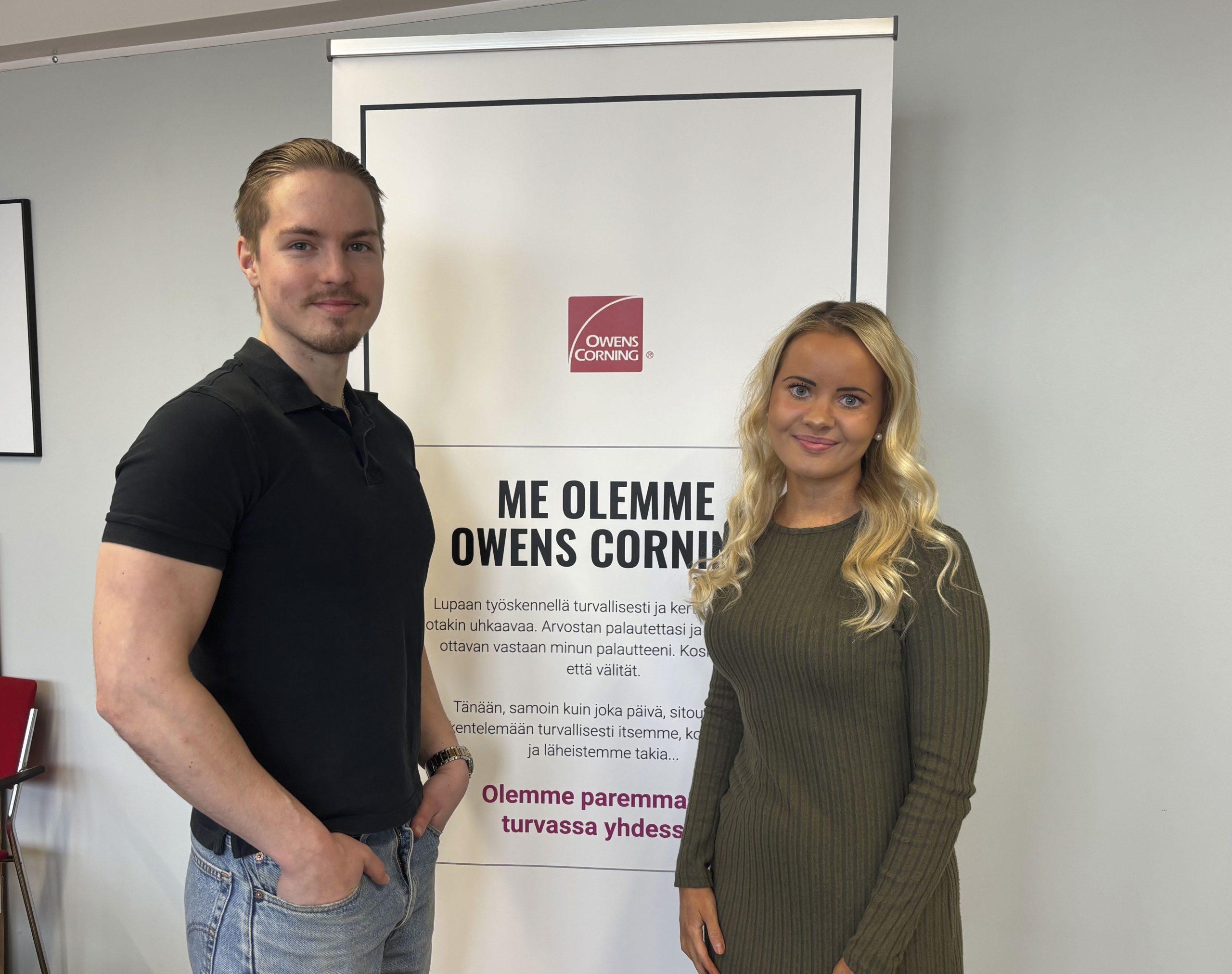
A newly graduated chemical engineer steps into a high-tempo maintenance role at a stone wool manufacturing site where safety is treated as a daily discipline, not a slogan. At Owens Corning Paroc, early responsibility, structured onboarding and a team-first culture are key to turning young talent into long-term capability.
When Oskari Tarkkila started at OC Paroc Parainen plant, it was meant to be a summer job. A year later, he is a Maintenance Engineer coordinating daily work, planning longer-term maintenance programs and helping lead people and contractors in a demanding industrial environment.
Tarkkila studied chemical engineering at Åbo Akademi University and graduated this spring. He joined the company the previous May and completed his master’s thesis alongside the job, an applied study on how different parameters affect the performance and adjustment of vibrating stone feeders. “I’m happy with the outcome. I did it alongside work and stayed on the schedule I set for myself,” he says.
The transition from student to full-time engineer was accelerated by the variety of tasks he encountered early on. During the summer he also covered for both the mechanical maintenance supervisor and the electrical supervisor during holidays, giving him a broad view of how maintenance decisions ripple through production, safety and resourcing. “There’s a lot of problem-solving and being in between electrical and mechanical maintenance. Sometimes you have your own projects, and there’s a wide scale of things on your desk,” Tarkkila says.
His role includes daily task prioritisation, long-term planning, onboarding of contractors, running safety moments, and handling people-related topics such as shift coverage and holidays. The biggest challenge, he says, is the unexpected: equipment failures that disrupt plans and require calm, fast decisions. But those moments are also where the job becomes most rewarding. “We’re prepared and we can respond and get the line running again. And it’s really rewarding when you get it fixed,” he says.
For Tarkkila, the steepest learning curve has been mental rather than technical: staying composed while juggling multiple priorities. “It’s been about having many things going on at the same time and staying calm under pressure,” he says.
At OC Paroc, that pressure is balanced by a clear hierarchy of values. Safety is not presented as a separate program; it is embedded in daily routines and reinforced continuously. Tarkkila describes safety culture as something that must be actively built because it does not sustain itself. “Safety is always number one, but it doesn’t happen by itself. It takes constant effort,” he says. “We’re never in such a hurry that we would compromise safety. The priority is that everyone goes home in good condition.”
The environment makes that mindset essential. A stone wool plant with over 100 employees combines heavy traffic and lifting operations with hot surfaces and complex equipment, conditions that require constant situational awareness. Tarkkila notes that many of the risks discussed in generic safety training are present simultaneously in this kind of facility, which makes disciplined behaviour and clear practices critical.
Maintenance capability is built through both internal teamwork and selective use of contractors. The site’s mechanical maintenance team includes day-shift mechanics and plant technicians, supported by roles such as storekeeper, an electrical engineer and maintenance leadership. Contractors are used either as extra capacity or for specialised tasks. For a young engineer, this means learning to lead across different groups early, own employees, shift-based roles and external partners.
Because Paroc is part of a larger international Owens Corning group, knowledge sharing extends beyond the site. Tarkkila says collaboration with other factories is frequent, especially when troubleshooting: if a system is not working well in one location, teams reach out to peers elsewhere to learn how they solved similar issues. The exchange is often case-by-case, but it creates a practical network for spreading good practices.
From the HR perspective, onboarding and early development are designed to be local and hands-on while still aligned with broader company principles. HR Generalist Tuovi Helin says new employees are primarily trained locally because the needs of each site are best understood on the ground. “Onboarding happens mainly locally. Safety is the top priority, and we make sure people understand the site and safe ways of working,” Helin says.
For summer employees, the approach is team-based: a supervisor owns the onboarding, while an experienced colleague acts as a day-to-day mentor. New hires typically shadow for the first weeks and gradually take on tasks independently. Feedback is collected continuously to identify gaps and improve the process. “We gather feedback all the time, from the person being onboarded and from the person doing the onboarding, so we can see what’s working and what needs more support,” Helin says.
Summer recruitment is also a strategic talent pipeline. Helin notes that the Parainen site typically hires over 10 summer employees annually, with one or two roles in maintenance. The company uses its own career channels, LinkedIn and university recruitment events to reach candidates. In her experience, interest has been strong. “We’ve had a good number of applicants, and we’ve been able to reach the target groups we want,” Helin says.
In an industry where reliability and safety are inseparable, the story of a young engineer moving quickly from summer hire to a key coordination role highlights a broader point: maintenance organisations can attract and retain new talent when they offer meaningful responsibility, structured onboarding and a culture that treats safety as a shared daily practice not just a compliance requirement.
Subscribe to the free Maintworld newsletter here!
How Utilities Are Using Asset Data to Improve Reliability: Moving from Passive Records to Strategic Assets
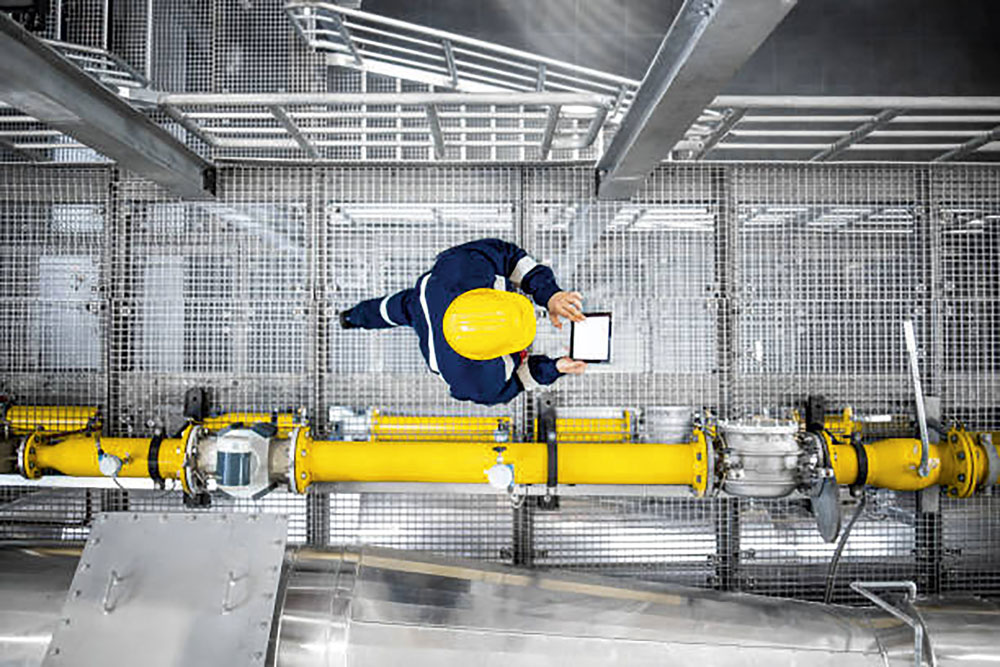
Utilities across water, district heating, and waste management are under increasing pressure to deliver reliable services while managing aging infrastructure and limited budgets. In this context, asset data has emerged as a critical enabler of better decision-making and operational performance. According to Krešimir Brckan, Director of Ekonerg Konzalting, a Croatian firm focused on helping utilities and infrastructure operators digitalize and improve asset management, the role of data in utilities has undergone a fundamental transformation over the past decade.
“If we look back ten years, asset data in utilities was mostly something collected and stored — often because it had to be. Today, it has become one of the key drivers of how utilities operate,“ Brckan describes.
More and more organizations are realizing that good decisions — whether about maintenance, investments, or daily operations — depend directly on the quality of their data. In that sense, data has moved from the background to the center of asset management.
“In practice, data no longer serves only to describe the past but instead it is increasingly used to shape future decisions,“ Brckan says.
“This shift marks a move away from reactive operations toward a more proactive and predictive approach, where data is central to reliability.“
The Right Data Matters More Than More Data: Improving reliability does not necessarily require vast amounts of data, but rather the right combination of information.
“Reliability really depends on connecting a few simple but essential pieces of information: what the asset is, where it is, how it has behaved in the past, and how it is performing today.”
When utilities combine basic asset information, maintenance history, and operational data, they gain a much clearer understanding of where risks are and how to prevent failures before they happen.
“It is often not about having more data, but about having the right data, structured in a meaningful way. This clarity enables utilities to identify weak points in their systems and act before disruptions occur.“
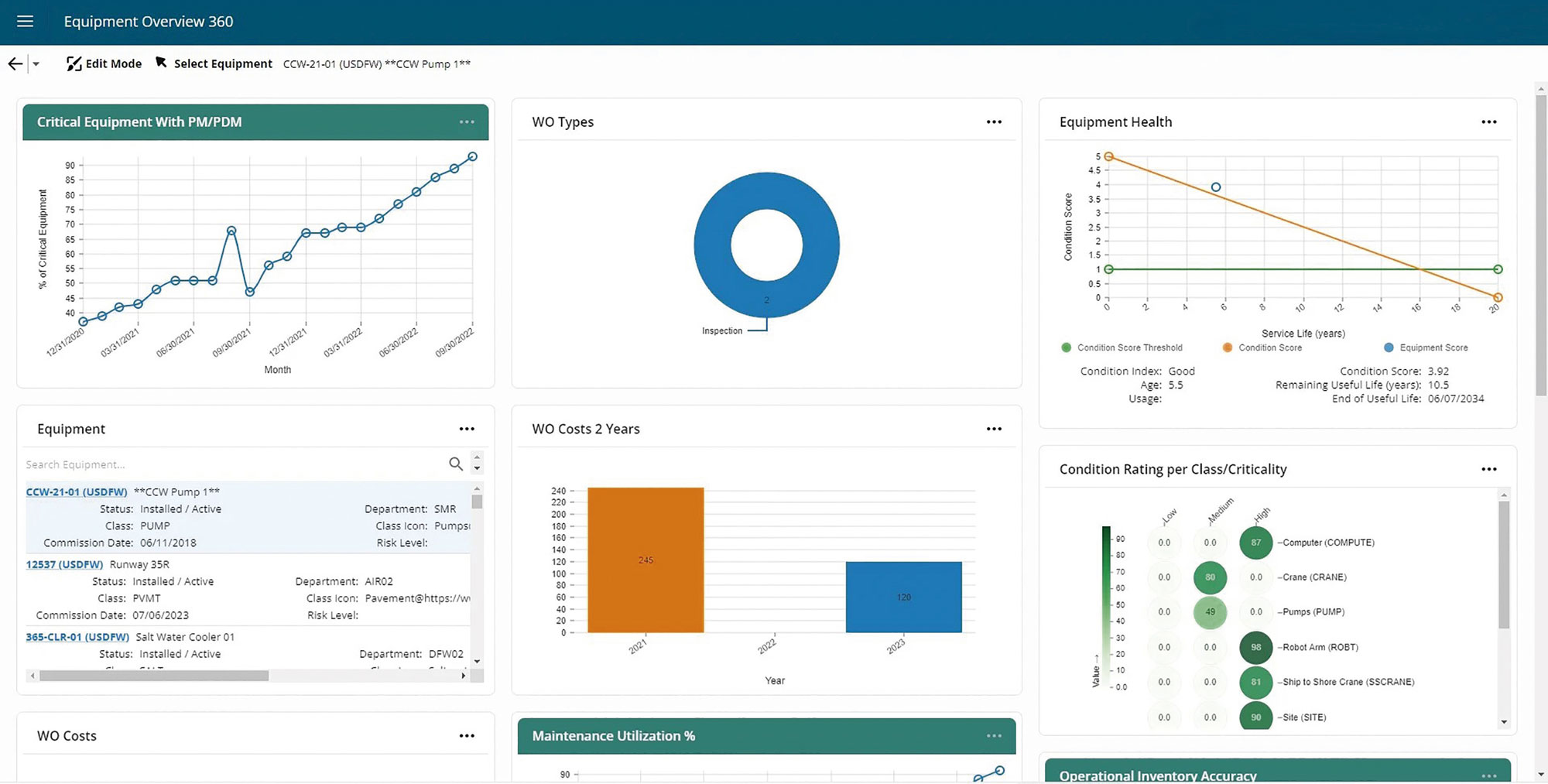
Overcoming Fragmentation and Data Silos: Despite the growing importance of data, many utilities still struggle with fragmentation.
“One of the most common situations is that data exists — but it is scattered, inconsistent, or incomplete. Different departments often keep their own records, sometimes in spreadsheets, sometimes in legacy systems, and sometimes only in people’s experience.“
Brckan notes that improvement usually starts with a simple step: agreeing on a common structure and taking ownership of data quality.
Technology helps, but the real change comes when the organization treats data as something valuable that needs to be actively managed.
“Data does not create value on its own: it becomes valuable only when it is structured, trusted, and used in everyday decision-making. Breaking down silos and establishing consistent data practices is often the first—and most important—step toward reliability improvement.“
From Reactive to Predictive Maintenance: Structured and reliable data enables a fundamental shift in maintenance strategies.
“When data is structured and reliable, maintenance becomes much more predictable. Instead of reacting to breakdowns, utilities can plan interventions based on actual needs.“
This means fewer surprises in daily operations, better use of resources, and ultimately more stable and reliable service for customers.
In many ways, this reflects a broader shift from reacting to problems to anticipating them.
“This transition reduces unplanned downtime while improving service continuity.“
Real-World Impact: From Symptoms to Root Causes: The benefits of better data are not theoretical—they translate directly into operational improvements.
“In one of our projects, a utility was dealing with frequent failures in critical equipment but lacked clear insight into the reasons behind them.“
Once they improved how maintenance activities and failures were recorded, patterns quickly became visible. This allowed them to address root causes instead of symptoms, which significantly
reduced failures and improved overall reliability — with clear cost benefits as well.
This example highlights how even incremental improvements in data quality can unlock significant value.
Digital Tools as Enablers: Modern technologies are accelerating the use of asset data in daily operations.
“These tools make it much easier to collect and use data in everyday work.“
Technicians can record information directly on-site, sensors provide continuous insight into asset condition, and more advanced tools like digital twins help simulate and understand system behavior. Together, they enable faster reactions and better decisions.
However, it is important to remember that digital tools do not solve problems by themselves, they amplify the quality of the processes and data behind them.
In other words, technology enhances, but does not replace, the need for strong data foundations.
Managing Aging Infrastructure with Data: Aging assets remain a major challenge across utility sectors in Croatia as elsewhere in Europe as well, but data provides a way to manage this more effectively.
“Aging infrastructure is a reality for most utilities. The key question is not just how old an asset is, but how it is actually performing.“
Brckan notes that with good data, utilities can make more balanced decisions — extending the life of assets that are still reliable, while focusing investments where the risk of failure is highest. This leads to better use of limited budgets.
“This performance-based approach ensures that investments are targeted where they deliver the greatest impact on reliability.“
The Rise of Predictive Analytics and AI: Looking ahead, predictive analytics and AI are set to further transform maintenance practices.
“We are moving toward a more predictive approach, where potential issues can be identified before they turn into failures.“
Brckan sees AI and predictive analytics increasingly supporting early detection of failures and optimization of maintenance schedules. However, their success will depend heavily on data quality and availability.
In the near future, we will see more accurate failure predictions, automated decision support, and tighter integration with operational systems.
Predictive maintenance does not start with algorithms. It starts with consistent and reliable data.
But the key message is that AI and analytics amplify good data. It does not replace the need for it.
A Cultural Shift Toward Data-Driven Decisions: Technology alone is not enough—organizational change is equally critical.
Brckan says that the biggest change needed within organisations is a shift in mindset. Data should not be seen as something technical or administrative, but as a tool that helps everyone make better decisions. This requires closer cooperation between teams, clear responsibility for data, and a willingness to rely on data instead of habits or assumptions.
Utilities that embrace this mindset will move faster: those that treat data as a strategic asset will outperform those that see it as a byproduct of operations.
Start with Data, Not Technology: For utility leaders beginning their digital transformation journey, the Brckan’s message is clear:
“Start with a clear and realistic foundation. Start with data, not technology.“
Many organizations invest in advanced systems without first ensuring that their asset data is structured and reliable, Brckan warns.
“It is tempting to jump straight into advanced technologies, but real value comes from having reliable and well-organized data. Once that foundation is in place, everything else becomes much easier and more effective.“
Digital Monitoring Becomes Essential as Ageing Water Networks Struggle
Europe’s water utilities are under intensifying strain as century-old infrastructure, climate-driven extremes and rising operational costs push networks beyond their design limits.
A recent analysis from Smartvatten, a company specializing in water efficiency, shows that monitored European properties lost nearly 772 million litres of water to leaks in a single year. This is equivalent to more than 300 Olympic-size swimming pools—with a financial impact exceeding £2.6 million.
Much of Europe’s pipework is over 100 years old, and hidden leaks can persist for days before detection. This increases non-revenue water, drives up emergency repair costs and exposes the limits of a long-standing strategy in which utilities “sweat” ageing assets rather than replace them. As demand grows and extreme weather events become more frequent, this approach is proving increasingly unsustainable.
A shift toward digital monitoring and real-time network intelligence is now accelerating. Smartvatten’s report highlights how continuous data collection enables earlier leak detection and more efficient water use, marking a broader transition from reactive maintenance to proactive asset management.
Acoustic leak detection technologies are central to this shift. Ovarro’s
Enigma5 fixed acoustic logger continuously monitors pressurised water networks, listening for the high-frequency signatures that indicate developing leaks. In Hamar, Norway, the system detected a leak releasing 600 cubic metres of water per day before any visible signs appeared. Left unaddressed, the loss would have cost the utility around £2,350 per day, or nearly £870,000 per year.
By identifying leaks earlier, utilities can reduce emergency interventions, avoid service disruptions and plan long-term infrastructure investments more effectively. As Europe’s water networks continue to age, digital monitoring is becoming not just an efficiency enhancer but a critical tool for maintaining resilience, the article concludes.
Source: Energy Live News, 12 March 2026
About the Interviewee
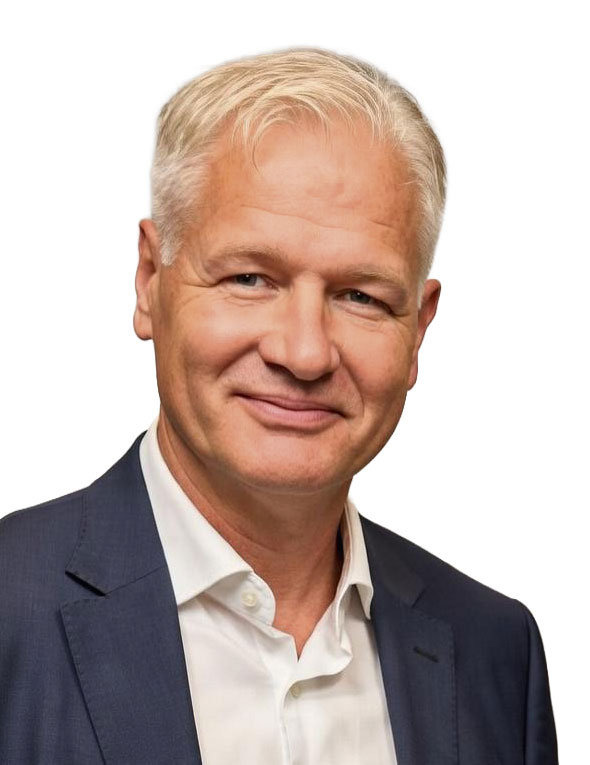
Krešimir Brckan is the Managing Director of Ekonerg Konzalting, a firm specializing in digital transformation and asset management solutions for infrastructure-intensive industries. With a background in mechanical engineering and hands-on experience in industrial maintenance and power generation, he leads projects focused on data-driven asset management across utilities, energy, and industrial sectors.
Text: Nina Garlo-Melkas Photos: EKONERG Konzalting
Subscribe to the free Maintworld newsletter here!
Strengthening critical infrastructure security Why situational awareness is essential amid global instability
Security is a top priority for any organisation responsible for safeguarding critical infrastructure. However, recent events have highlighted the fragility of the global energy supply chain and the need for change.
When tankers cannot safely navigate the Strait of Hormuz, fuel prices rise and public anxiety grows. This often results in long lines at the fuel pump and fears of shortages quickly becoming a self-fulfilling prophecy.
The reality is that critical infrastructure will always be a target because those seeking to disrupt, cause harm or force change — militarily, economically, politically or socially — understand both its physical and psychological impact.
Regulating for resilience: While headlines focus on political debates over who should keep shipping lanes open, critical infrastructure organisations and governments are moving forward with new physical and cyber safeguards to protect sites closer to home.
Weeks before recent events in the Middle East, the U.S. Cybersecurity and Infrastructure Security Agency (CISA) released its 2025 review outlining major actions taken to strengthen national cyber and physical defences. Meanwhile, in Europe, the Critical Entities Resilience (CER) Directive will take effect across the EU in July, with member states such as Germany advancing early through its KRITIS framework to establish a model for CER compliance.
These initiatives extend to energy supplies, from power stations (gas, electricity and nuclear), refineries and pipelines, substations, water treatment facilities, data centres and food production. And while increased investment in renewable energy may reduce reliance on overseas supply, wind and solar farms remain potential targets as well. Fortunately, the likelihood of missile strikes on critical infrastructure is low in many regions. But the risks of trespassing, espionage, sabotage, terrorism and protest activity are far higher.
Protection and detection: Security levels vary widely across critical infrastructure. A large power station may employ live-monitored CCTV, video analytics, alarms, sensors, access control, fencing and other heightened defences. In contrast, a rural electrical substation may rely on a single unmonitored camera, a perimeter fence and a basic alarm.
Despite significant annual investment, organisations often lack the ability to connect these systems. Without integrated systems, real-time situational awareness — understanding what happened, how it began, what is occurring now and how to respond — is nearly impossible. Operators typically manage large portfolios of sites spread over vast and often challenging geographies. Only by integrating siloed systems and linking multiple sites into a centralized operation can true enterprise-wide visibility be achieved.
For example, a perimeter breach at a substation might initially appear to be an isolated incident. But combined with a similar incident at another site, it could indicate the start of a coordinated attack.
A centralized insight layer (often referred to as a PSIM — Physical Security Information Management system) ensures incidents are detected using all available resources. A perimeter alarm — triggered by a steel fence sensor or a 3D LiDAR system — initiates an alert and the video management system automatically displays the relevant live camera feed and recent footage. Operators can follow predefined workflows to lock down areas, dispatch first responders or initiate evacuations. Automated actions, such as playing recorded announcements over public address systems, can also occur.
Rapid, effective response is essential for safety, security and ensuring uninterrupted service to customers.
Resilient supply chains require security measures that function from the source to the point of service. Recent geopolitical and environmental events, such as severe flooding, have shown how quickly disruption to one link can trigger widespread consequences. However, critical infrastructure operators can strengthen resilience by leveraging the robust systems they already have, improving their ability to detect and respond to threats.
About Octave
Octave provides mission-critical software that empowers organizations to make informed decisions across every stage of the asset lifecycle — Design, Build, Operate and Protect — where performance, safety, and reliability are non-negotiable and failure is not an option. Turning complex operational data into actionable intelligence, Octave connects expertise, real-world conditions and enterprise-scale insight to improve performance, resilience and incident response where it matters most. Octave has approximately 7,200 employees in 45 countries.
Text and Photo: Andreas Beerbaum
Subscribe to the free Maintworld newsletter here!
Global Energy Crisis Accelerates Renewables in Europe, Raises New Maintenance Risks

Europe’s latest energy shock is accelerating the shift toward renewables—but it is also exposing a new and underappreciated challenge: the growing operational and maintenance burden of a more volatile power system.
The closure of the Strait of Hormuz and escalating conflict involving Iran have disrupted global fossil fuel flows, tightening oil and gas markets and pushing energy prices sharply higher. The situation echoes the 2022 energy crisis, when Europe rapidly replaced Russian pipeline gas to stabilize electricity supply.
This time, however, the response is seen faster and more structural. According to WindEurope, governments across the EU and UK are accelerating renewable deployment and grid investments to reduce exposure to geopolitical risk.
Wind already supplies around 20% of Europe’s electricity, but electricity still accounts for less than a quarter of total final energy consumption, leaving the system still heavily exposed to imported fossil fuels.
Investment in wind power is rising in Europe, with around €45 billion committed to new wind energy projects in 2025. This signals a structural shift in Europe’s energy system rather than a temporary adjustment.
The energy transition is increasing system complexity and contributing to greater price volatility. Electricity markets face higher variability due to renewable integration, while fossil fuel prices remain highly unstable, with oil experiencing swings of 20–30% and gas markets fluctuating daily (International Energy Agency). The result is upward pressure on consumer energy bills, renewed inflationary risks, and heightened uncertainty for energy-intensive industries such as steel, chemicals, and manufacturing.
Even short-term instability carries a measurable cost. The non-profit Beyond Fossil Fuels estimated that just three days of gas price volatility cost Europe approximately €620 million.
This volatility reinforces a core structural issue: despite rapid renewable expansion, Europe’s energy system remains highly sensitive to fossil fuel price shocks.
As governments frame energy policy increasingly as a matter of national security, operational realities on the ground are changing just as quickly.
Former Belgian Energy Minister and newly appointed CEO of WindEurope Tinne van der Straeten described the shift bluntly: “This crisis is not a one off. It is becoming a structural feature of the energy system.”
Germany and the UK are responding with accelerated wind deployment, hydrogen strategies, and faster permitting for infrastructure. But behind these strategic moves, a quieter transformation is underway in how energy assets are operated and maintained.
Erwin Bovyn, O&M National Director at Luminus NV, notes that the energy transition is fundamentally reshaping maintenance conditions across the generation fleet.
“Renewable assets are increasingly exposed to curtailment, negative pricing, grid congestion, and environmental constraints,” Bovyn explains.
“This leads to more dynamic operating patterns, including more frequent start-stop cycles.”
These operational shifts are not neutral. “They introduce new mechanical stresses, particularly in flexible gas-fired generation units but we also monitor our wind turbines,” Bovyn says.
In wind assets, more frequent cycling increases fatigue loads on key components such as gearboxes, blades, bearings, and generators. In thermal plants, repeated ramping and load-following duties increase thermal stress in turbines, generators and heat-recovery systems.
The operational profile of Europe’s energy system is moving away from steady-state operation toward highly variable dispatch. This introduces failure modes that traditional maintenance strategies were not designed to detect early.
Bovyn highlights the implications clearly: “More dynamic operating patterns can trigger previously unseen failure mechanisms, requiring stronger condition monitoring, predictive maintenance, and advanced tools such as digital twins powered by AI and machine learning.”
At the same time, conventional generation remains essential. Gas-fired plants are increasingly used as system stabilizers, compensating for intermittent wind and solar output.
Market volatility is also influencing maintenance decisions directly. High electricity prices can incentivize operators to postpone planned outages or extend operating cycles to capture short-term revenue opportunities.
While economically rational, this strategy can create a growing maintenance backlog and increase long-term failure risk.
Bovyn warns that this tension is becoming more pronounced: “Asset owners are increasingly required to upgrade for flexibility, while revenue predictability is declining. At the same time, geopolitical shocks make maintenance planning more uncertain.”
In some cases, scheduled overhauls or upgrades need to be delayed or reduced in scope placing additional strain on already aging infrastructure.
As operating conditions become more volatile, traditional time-based maintenance is losing effectiveness.
Across Europe, operators are shifting toward condition-based maintenance, real-time monitoring, and predictive analytics. Digital twins and AI-driven diagnostics are increasingly used to anticipate degradation before failure occurs.
For example, in Belgium, battery storage growth is helping reduce balancing pressure, but at this stage of the energy transition, thermal assets remain critical for grid stability during peak demand and low renewable output periods.
Spain illustrates how system composition affects operational stress. In 2026, gas set electricity prices in only around 15% of hours, compared with 89% in Italy—reflecting differences in renewable penetration and system flexibility.
Where renewable penetration is higher, exposure to fossil fuel price volatility is lower. But this does not eliminate maintenance challenges—it shifts them toward system balancing and asset flexibility.
The energy transition is no longer defined only by how fast Europe builds renewables. It is increasingly defined by how reliably those assets—and the remaining thermal fleet—can be maintained under volatile, high-stress operating conditions.
As Bovyn summarizes, the central challenge is no longer just expansion, but endurance: managing an increasingly complex asset base in a system where flexibility, not stability, is the new normal.
Key Maintenance Risks in the Current Energy Transition
• Increased cycling stress: More frequent ramping and start-stop operation accelerates fatigue in turbines, boilers, and rotating machinery.
• Deferred maintenance exposure: High market prices incentivize postponing outages, increasing long-term reliability risk.
• Thermal asset strain: Gas and conventional plants face higher wear due to load-following duties.
• Shift to predictive systems: Condition monitoring, AI analytics, and digital twins are becoming essential rather than optional.
• Higher planning uncertainty: Geopolitical volatility complicates maintenance scheduling, spare parts logistics, and investment timing.
Study: Renewables Deliver Lowest System Costs
Renewables are often described as the cheapest form of power generation—but a full system view must also include the costs of grids, storage, and back-up capacity.
According to WindEurope, in a study conducted with Hitachi Energy, even when these additional system costs are included, a renewables-based energy system remains the most cost-effective option for Europe.
The study compares five energy scenarios through 2050, including four net-zero pathways and one “slow transition” case. Scenarios relying more heavily on nuclear, hydrogen, or carbon capture are all more expensive, with cost differences ranging from €487 billion to €860 billion.
Compared to a delayed transition, a renewables-based system delivers even larger savings—around €1.6 trillion by 2050, driven largely by lower fuel imports and reduced carbon costs. Savings begin early, reaching €331 billion by 2035.
Beyond cost, renewables also improve energy security, reducing fuel import dependence to 22% of supply by 2050, compared with 54% in a slower transition scenario. The system is also more resilient to external shocks and supports significant job growth, with the European wind sector expected to employ 600,000 people by 2030.
Erwin Bovyn
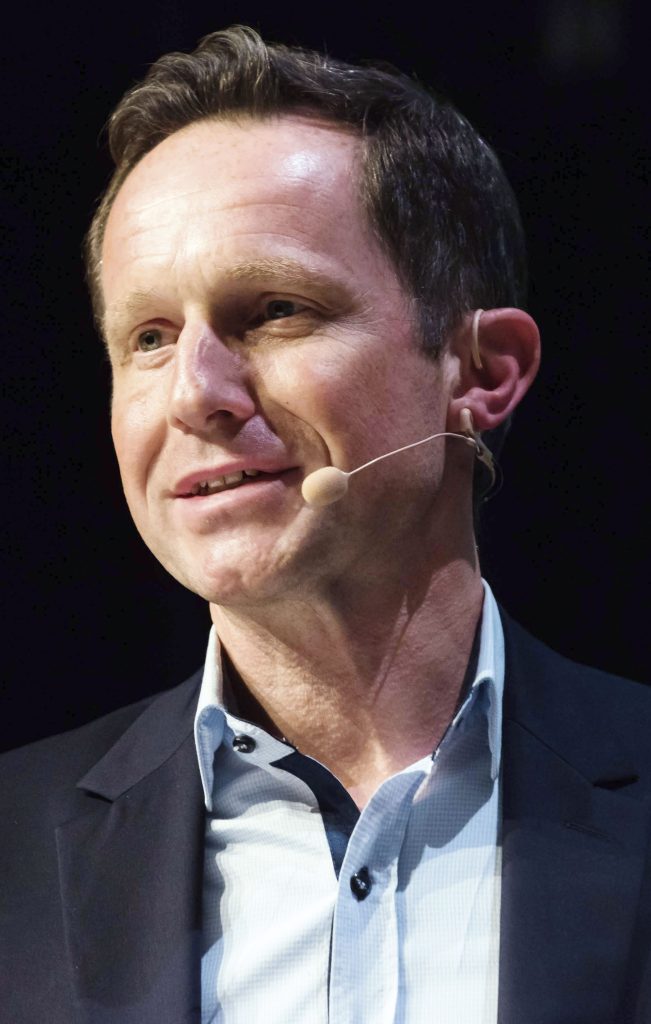
Erwin Bovyn is O&M National Director at Luminus NV. He is also a board member of the Belgian Maintenance Association (BEMAS), where he contributes to advancing professional standards in industrial maintenance. His roles include Chairman of the Jury for Technical Team of the Year. He was elected as Belgium maintenance manager of the year in 2009 and has won the Euromaintenance Incentive award in 2010. Luminus, a key player in the energy transition in Belgium, is active in electricity generation, energy supply and energy solutions and flexibility. The company is No 1 in onshore wind and hydropower in Belgium and has diversified and flexible production units, playing a key role in the country’s security of supply and contributing to grid balance.
Text: Nina Garlo-Melkas Figures: Erwin Bovyn
Subscribe to the free Maintworld newsletter here!
Skills Shift: Maintenance Engineers in the Age of Data and AI
The maintenance profession is transforming. Once hands-on and reactive, it is now driven by data, automation, and interconnected systems.
For today’s maintenance engineers, success depends not only on technical expertise but on the ability to interpret, anticipate, and optimise. Expectations are expanding. Communication, collaboration, and alignment of technical decisions with operational and business priorities are now essential in multidisciplinary environments.
“The demand for skilled trades is evolving into highly specialised, digital-first work,” says Sander van ‘t Noordende, CEO of Randstad, one of the world’s leading HR and recruitment companies that also publishes regular research on labour market trends, skills, and the future of work.
He explains that as these roles now require continuous learning, similar to knowledge work, skilled trades should be viewed as a top-tier career path.
From fixing to predicting: Engineers are no longer valued only for their ability to repair equipment, but for their capacity to prevent failures. This shift is driven by the availability of real-time data.
Predictive maintenance and IoT-based analysis are now central to the role. Engineers interpret data streams—such as vibration, temperature, and pressure—to identify early signs of failure and intervene before disruptions occur. In many cases, failures signal that systems were not properly monitored in advance.
Alongside this, programmable logic controller (PLC) diagnostics have become a core skill sought after by many companies. Troubleshooting increasingly means interpreting digital fault codes and understanding control logic rather than relying solely on physical inspection.
According to industry experts, data analysis has become as fundamental as traditional tools; engineers who do not read and utilise data cannot improve performance.
This data-driven mindset extends across modern operations. Engineers maintain robotic systems, monitor automated production environments, and use digital metrology tools, such as coordinate measuring machines and laser scanners, to ensure precision and quality.
The Rise of the Industrial Mechatronics Specialist: Driving Continuous Improvement in daily operations. Using methodologies such as Lean and Six Sigma, engineers analyse performance data, identify inefficiencies, and continuously refine processes.
At the same time, increased connectivity brings new responsibilities. Maintenance professionals must understand the basics of cybersecurity to protect operational technology, from access control systems to smart infrastructure.
These changes reflect a broader shift driven by Industry 4.0. Maintenance roles have evolved from reactive and preventive models toward predictive and prescriptive approaches.
The traditional technician is becoming an “industrial mechatronics specialist,” combining mechanical expertise with digital and analytical capabilities.
As the Ranstad CEO describes, maintenance work has moved much closer to knowledge work. As a maintenance engineer, you are expected to manage systems, interpret data, and make decisions that impact the entire operation.
With this shift has come a change in how skills are prioritised. Engineers looking to advance their careers should focus first on developing data fluency and an understanding of digital integration.
From there, building expertise in quality management and continuous improvement processes can significantly enhance career prospects.
AI raises the bar—does not replace it: As digitalisation accelerates, artificial intelligence is becoming integral to everyday maintenance work. This development often raises concerns about job displacement, but available evidence suggests that, rather than replacing jobs, AI is shifting the nature of maintenance work and creating new expectations for engineers.
Kevin Ruttens, Senior Business Manager, Engineering at Randstad, notes that AI is not replacing junior engineers but elevating the expectations for entry-level positions.
This shift requires engineers to show judgment and analytical abilities beyond routine activities. Increasingly, they must interpret complex AI outputs, manage automated systems, and make decisions based on digital information. Therefore, training should emphasise digital fluency, ethical oversight, and systems thinking to keep pace with AI-driven changes.
The human factor still matters: Despite rising technical demands, soft skills are becoming more—not less—important. Attributes such as communication, teamwork, and attention to detail are critical in collaborative and highly regulated environments.
Data from Randstad shows that care is among the most frequently mentioned qualities in job postings, reflecting the importance of safety, compliance, and quality. Clear communication, meanwhile, ensures coordination across teams and the smooth operation of complex systems.
Automating stepping stones is risky. Even as the role of an industrial maintenance professional evolves, the industry faces a widening skills gap. Many early-career engineers enter the workforce with strong mechanical foundations but lack experience in data analysis, digital diagnostics, and system-level thinking.
This challenge is compounded by pressure on the talent pipeline.
Replacing junior engineers with technology is not an answer. Junior roles are not just about execution; they are critical for knowledge transfer.
Much of engineering expertise is acquired informally: by observing experienced colleagues, understanding why legacy systems were designed the way they are, and absorbing unwritten practices around risk and safety.
If these roles disappear, this transfer is disrupted, Ruttens explains. Over time, organisations risk creating a “broken succession pipeline,” with fewer candidates developing into senior positions.
Tacit knowledge may also be lost when experienced engineers retire, with no next generation prepared to inherit it.
He also notes that, over the next five to ten years, organisations relying too heavily on automation risk developing a leadership gap. What may appear to be a tactical cost-saving measure today could create significant challenges for operational continuity in the future.
What comes next? Looking ahead, demands on maintenance engineers will continue to rise. Artificial intelligence is expanding rapidly, with skills such as AI orchestration and prompt engineering becoming increasingly relevant. Engineers are already using AI to support diagnostics and optimise workflows.
At the same time, sustainability is reshaping the field. As industries adopt renewable energy systems, maintenance teams will need to manage smart grids, energy storage systems, and new infrastructure.
Automation will handle routine monitoring, but human expertise will remain essential in complex, unpredictable situations.
From support function to strategic role: Maintenance is no longer a purely technical support function. It is becoming central to operational performance. This development will continue.
To succeed, engineers must continuously develop their skills, combining technical expertise with data fluency and a proactive mindset. The goal is no longer just to maintain equipment, but to optimise systems and improve outcomes.
For those who adapt, this shift offers significant opportunities. Maintenance engineers are no longer just keeping operations running; they are helping define how they evolve.
Key Skills Shaping Maintenance Work Over the Next Decade
AI orchestration and prompt engineering
As AI adoption accelerates, maintenance engineers will increasingly work with autonomous systems and large language models to support diagnostics and optimise workflows.
Renewable energy and green tech integration
Integrating smart grids, energy storage, and sustainable technologies into existing infrastructure will become a core capability.
Advanced human-in-the-loop problem solving
As automation handles routine tasks, engineers will be valued for their ability to solve complex, real-world problems and make decisions in dynamic environments.
Fewer Entry-Level Roles, Higher Expectations
Entry-level engineering jobs are declining, reflecting a broader shift in how work and skills are changing. Engineering is one of the first fields where this is clearly visible, but similar trends are emerging across the broader job market.
Research supports this. A 2025 Stanford study found that employment among engineers aged 22–25 has fallen by 16%, a trend directly linked to AI. At the same time, entry-level hiring has dropped sharply—down 72% in European tech and 34% in the U.S. compared to pre-pandemic levels.
This comes at a time when more skills are needed, not fewer. The World Economic Forum estimates that 60% of workers will need retraining by 2027, yet only about half have access to it.
At the same time, expectations are rising. According to the Randstad Workmonitor 2026 report, 41% of workers would leave a job without learning opportunities, and 44% would not take a role that doesn’t offer future-proof skills.
The message is clear: if companies can’t show how employees will grow alongside AI, they risk losing the talent they need.
Source: Workmonitor 2026
ABOUT: Sander van ‘t Noordende

Sander van’t Noordende is Chief Executive Officer and Chair of the Executive Board at Randstad. He started his role in March 2022 and had previously served as a member of the Supervisory Board since March 2021. Sander spent the majority of his career at Accenture, where he held a number of executive roles. He holds a degree in Industrial Engineering, specialising in Finance and Marketing, from the Eindhoven University of Technology.
Text: Nina Garlo-Melkas Photo: Randstad
Subscribe to the free Maintworld newsletter here!
How industrial firms maintain a strategic position in the supply network in digitally-enabled service innovation

Industrial services involve using technologies such as the Internet of Things (IoT), cloud computing, and predictive analytics to create new, value-added services for customers.
For example, information and communication technologies are used in logistics to increase efficiency and mitigate information asymmetry in supply chains, digital twins create virtual representations of physical assets to enhance performance monitoring and lifecycle management, or predictive maintenance services that utilize machine learning to predict failures provide much more reliable and efficient models of service delivery.
To develop and deliver services, industrial firms often need external digital expertise while retaining responsibility for the customer relationship and service outcomes. Thus, this digital shift becomes highly complex as it forces industrial firms into entirely new collaboration structures in their supply networks, requiring them to manage relationships among multiple new and existing partners, such as external service providers, technology providers (such as software developers, IT consultants, data integrators), and the customer organizations.
Research in large Finnish industrial firms in machine manufacturing and automation industries reveals that success depends not only on technical skill and digital capabilities, but also on mastering network position and relational strategy. Industrial firms’ critical new role is to act as the strategic connector between these parties.
The key gaps in the supply network: When the industrial firm brings together customers, internal development teams, and technology providers, collaboration challenges are inevitable. These challenges are not just minor communication obstacles; they are deep, strategic disconnections that must be actively managed:
Relational gaps are direct disconnects in interaction, usually between the technology provider and the customer. Industrial firms often need to manage and regulate who can engage with customers to keep communication channels clear. However, this can limit the flow of essential insights and expectations, such as sharing customer feedback with the technology provider.
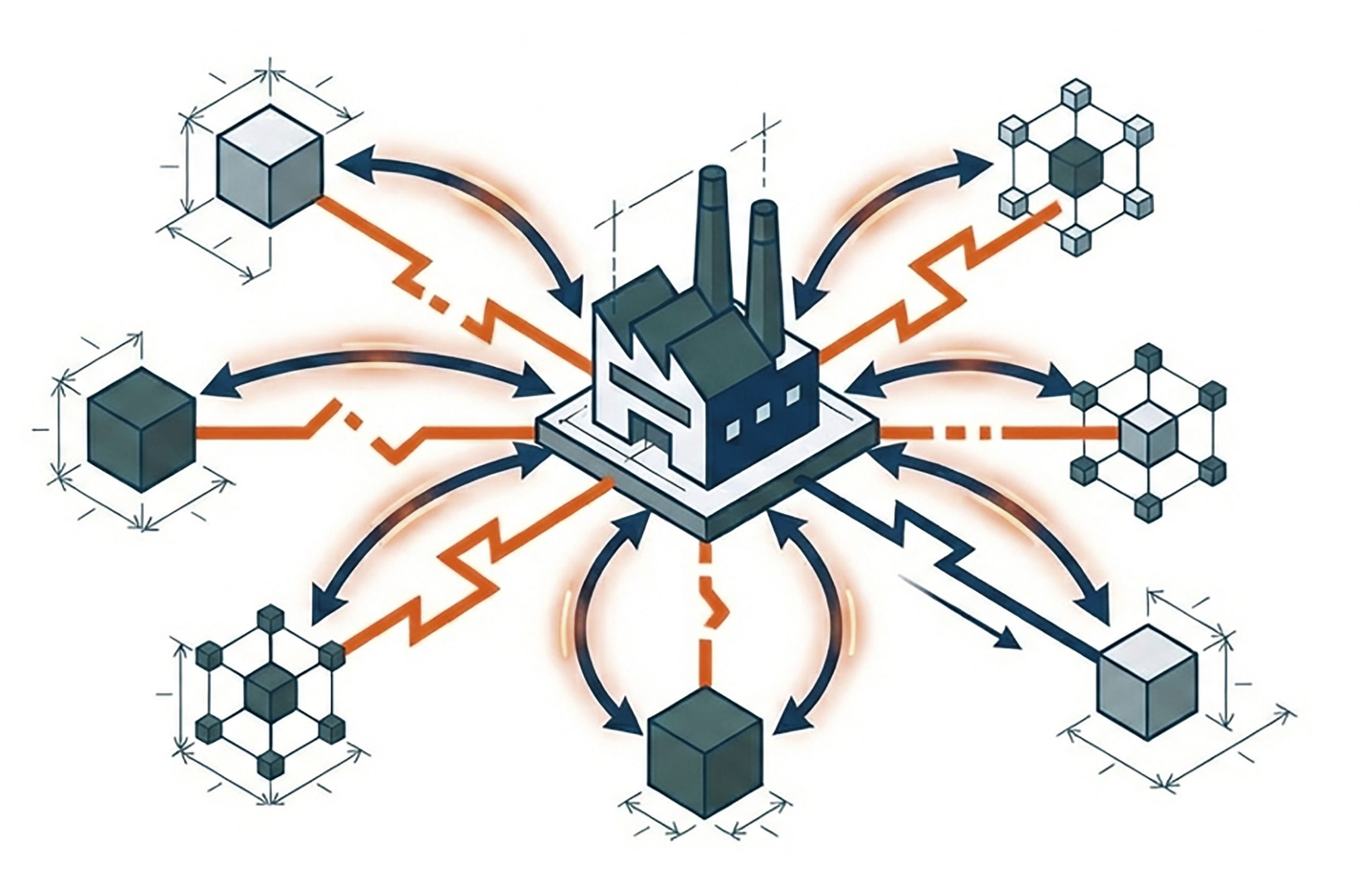
Knowledge gaps refer to a limited or disconnected flow of contextual knowledge, like customer insights, system history, or non-technical needs. Technology providers may have limited access to this information due to intellectual property or competition threats. However, these transparency issues can hinder providers’ ability to assess the viability of solutions.
Cognitive gaps arise because individuals from different fields use different languages, interpretations, and mental models. For example, development teams might focus on IT and cloud infrastructure, while customers emphasize usability, reliability, and cost. This makes it difficult to effectively communicate the customer’s perspective to the technical team.
Technical gaps arise from differences in technical resources, infrastructure, or access to core operational systems. While industrial firms may have access to internal and customer systems, technology providers often work at a distance and depend on the firm for testing and system integrations.
Temporal gaps occur due to inconsistent timing in participation. Technology providers might be involved only during specific phases, such as initial planning or prototyping, and have less visibility during implementation. This broken flow means providers lack the historical context of previous decisions.
The key mechanisms to manage the supply network gaps: The gaps in the supply network can either hinder innovation or provide a strategic advantage, depending on how an industrial firm manages them. To succeed in digitally-enabled service innovation, the firm must actively connect, coordinate, and mediate resources across organizational boundaries. This active brokering role is critical not only for leveraging external partners’ digital capabilities but also for building internal capabilities, reducing data risks, and directing innovation. To effectively manage the supply network gaps, industrial firms should:
Align complex workflows by establishing clear communication and coordination routines and tools across internal teams, technology providers, hardware integrators, and IT infrastructure.
Managers should create shared roadmaps, plan sprints, and maintain consistent communication channels to manage dependencies like data platforms, cloud architecture, and operational procedures.
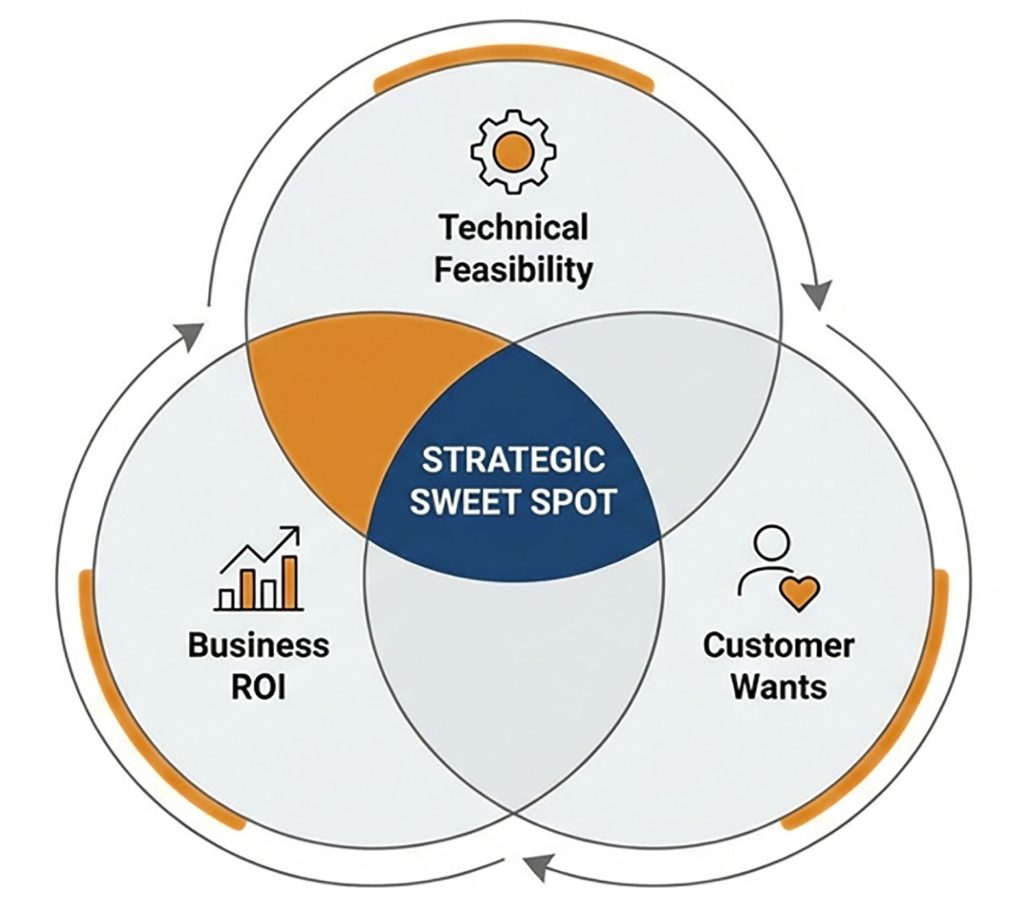
Balance competing priorities by acting as the mediator for conflicting priorities: what is technically feasible, what the business demands (ROI, margins), and what the customer wants. Managers gather input from all stakeholders, for example, through regular planning sessions and backlog reviews. These inputs support managers in decision-making, feature prioritization, and the assessment of decision impacts, enabling them to evaluate both short-term gains and long-term consequences. Through active mediation, the industrial firm maintains control over the direction of development.
Translate customer knowledge by acting as a translator, converting unclear customer needs into clear, actionable information for developers. Managers use boundary-spanning tools such as user stories, journey maps, and templates to articulate customer requirements clearly. Importantly, the firm also translates complex regulatory requirements, such as cybersecurity standards, into a language that external developers can understand and implement, ensuring the digital services meet industry and legal standards.
Maintaining a strategic position in the supply network: Maintaining a strategic position in the supply network is not just about occupying the central position. Long-term influence relies on how partners view the effectiveness of industrial firms in managing the network. For example, if technology providers think the firm is impeding collaboration by poorly gathering or understanding customer information, they will doubt the firm’s capability and, consequently, its role in the network. Conversely, if they see the firm as capable of coordinating development, understanding customers, and managing technical integration, the role of the strategic connector becomes sustainable.
Therefore, managing perceptions is crucial. Managers need to shift their focus from solely acquiring digital capabilities to building relational capabilities through communication, role and responsibility setting, translating needs, and managing complex digital systems. By turning potential gaps into strategic opportunities and demonstrating the ability to manage the network, industrial managers can secure their company’s key leadership role in the digital service ecosystem.
Summary of the research: The research is based on 21 interviews with managers in three Finnish industrial firms and their technology partners. The industrial firms were large, well-established companies recognized as leaders in their respective industrial sectors. Technology partners were providers of digital transformation and technology consulting, technology, software, and digital service design services. This research was funded by the Research Council of Finland, Project: Development of adaptable integration mechanisms for data-enabled service operations in industrial networks.
The description of the research group: The Strategic Business Development research group at the University of Vaasa concentrates on sustainable and digital servitization, business model and service innovation, strategic change and strategy processes, as well as platforms and ecosystems. Our work also explores individual agency and entrepreneurship, with a particular emphasis on how these shape and are shaped by transformations in industrial and organizational contexts.
https://www.uwasa.fi/en/research/groups-and-focus-areas/strategic-business-development
Text: Beheshte Momeni and Marko Kohtamäki Images: generated using Google NotebookLM
Beheshte Momeni,
Postdoctoral researcher at University of Vaasa
www.linkedin.com/in/beheshtemomeni
Marko Kohtamäki,
Professor of strategic management at University of Vaasa
https://fi.linkedin.com/in/markokohtamaki
Subscribe to the free Maintworld newsletter here!
How to Stand Out in a Job Search When Everyone Is Qualified

In technical recruitment, the fundamentals still decide who moves forward. In a volatile labour market, those fundamentals matter now more than ever. A recruitment director at a Nordic engineering recruitment company explains why some candidates make the shortlist and what anyone can do to improve their chances.
The labour market has been unusually unpredictable in recent years. In industry, growth and caution exist side by side, and that reality shows up directly in hiring. The recruitment director describes the situation realistically, but not bleakly.
Open roles exist, but not enough, she says. The situation isnt hopeless, but it does require a bit more patience from candidates than before.
Application volumes have increased, yet in technical roles the scale is still manageable compared with many other fields.
“Typically we’re talking about dozens of applicants per position, and sometimes the number can climb to over a hundred, she says. That tells you competition is real. But it’s also worth remembering that technical roles are often narrowly defined, so the applicant pool isn’t completely random.”
That is exactly why differences between candidates are often created by small but decisive factors.
Many people ask how they can stand out, she says.
“I think it’s more important to make sure the basics are in place: your CV is clear and informative, your application is well targeted, and your competence is described in a way thats easy to understand. When you do those carefully and present them clearly, it’s often enough.”
The foundation of job searching is still the CV. No new trend or tool has replaced its role.
“A good CV shows concretely what youve done. If you have worked in maintenance, explain whether you’ve been responsible for preventive maintenance, root cause analysis, or for example reducing downtime during shutdowns. A job title and company name alone dont explain that.”
She emphasises that recruiters form a first impression quickly.
“At first, a CV may only get a brief look”, she says. Thats why it’s important that the key points are easy to find. A short profile summary at the top helps the reader understand who you are fast.”
The same work experience also shouldnt be presented the same way for every role.
“If you’re applying for a maintenance specialist role versus production planning, you should highlight different things, she says. In one, you emphasise hands-on technical work. In the other, coordination and managing the bigger picture. My tip is to prepare several versions of your CV.”
In the cover letter or application, attention shifts quickly from competence to motivation, which is often under-communicated.
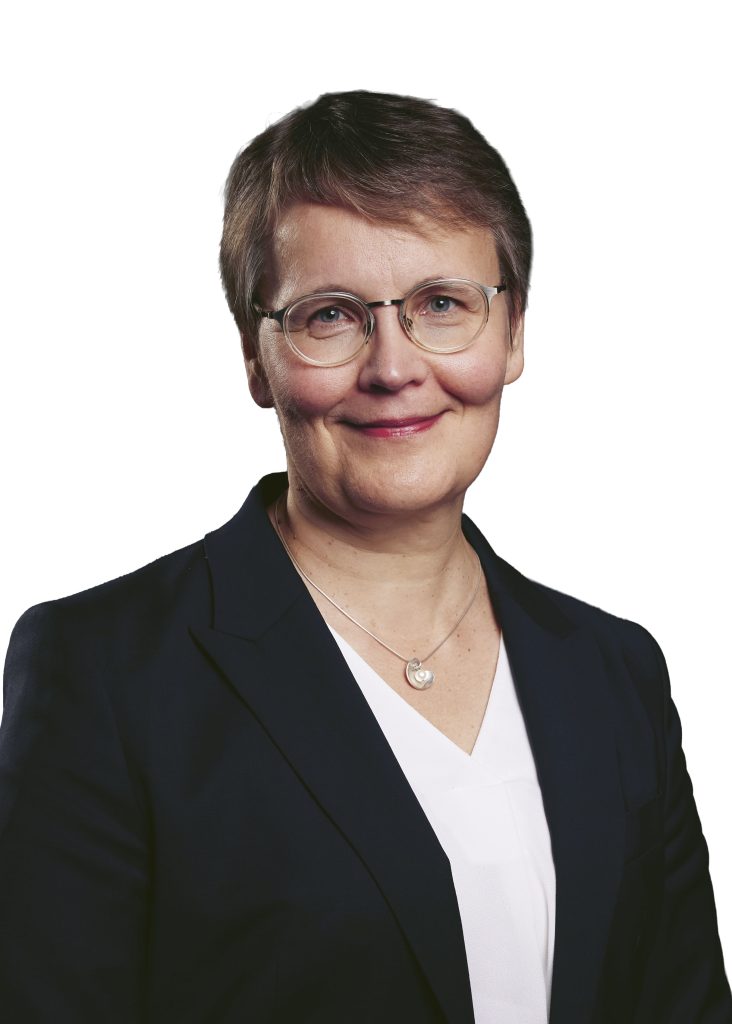
Recruitment Manager, Barona Engineering
People assume interest is obvious because they applied.
“Unfortunately, a recruiter can’t see it unless you put it into words. Explain concretely why this role, this company, or this industry interests you.”
Motivation can also decide the outcome when candidates are evenly matched.
“We’ve had situations where several candidates are equally strong in the final stage. Then the decision often tilts towards the person who has shown clear interest and understanding of the role.”
In technical fields, specificity builds credibility. That applies both to experienced candidates and those early in their careers.
“Name the systems, automation solutions and methods youve used during your career or studies. If you’ve been involved in a Lean project or helped develop maintenance practices, bring it up.”
Limited work experience is not a barrier if you know how to describe your competence.
Early on, projects, your thesis, and even hobbies can say a lot, she says. If you repair machines in your spare time or build devices, that’s highly relevant competence in this field.
She acknowledges that the situation for recent graduates is currently more challenging than before, but far from hopeless.
“Your first role may require more applications and more activity. Still, companies need new talent all the time. I also hope employers will be brave enough to give young professionals opportunities to grow and develop. That’s also a responsible choice.”
For more experienced professionals, the challenge is often putting their competence into words. Many people have built long careers in maintenance or production, but they’ve never paused to think about everything theyve learned. Then the risk is that describing your competence in the CV, the application and even in interviews stays too general.
A solution is often found through conversation.
“Ask colleagues or supervisors what youve been praised for, she says. They can give you concrete examples you can use in your CV and in interviews.”
In an interview, what matters is not perfection, but credibility.
“It’s good to remember an interview isn’t an exam, it’s a conversation, she says. You don’t need to memorise answers word for word, even though you should prepare. More important is showing how you think, how you approach problems, and how you learn.”
Examples make answers convincing. If you say you’re systematic, also explain what that looks like in practice. Have you kept maintenance plans up to date? Have you ensured reporting is completed on time?
In the end, the decision often comes down to a whole that is difficult to reduce to single factors. It’s a combination of competence, motivation and what it feels like to work with the person. When a candidate is clear and themselves, it builds trust.
“Recruitment isn’t rocket science. When you recognise your strengths and communicate with them in an understandable way, thats a strong starting point.”
A CV that works for maintenance professionals
• Start with a short profile summary
• Describe your responsibilities at the level of real work: preventive maintenance, fault diagnostics, improvement work
• Name the systems, technologies and methods you have used
• Highlight projects and measurable improvements (for example reducing downtime during shutdowns)
The core of the application
• Why does this role interest me?
• Why am I a good fit for this position?
Early-career advice for new graduates
• Describe projects, your thesis and relevant hobbies
• Explain what you have learned and where you want to develop
• Apply actively and keep a steady rhythm
• Remember that landing your first role can take time
How to succeed in interviews
• Prepare concrete examples
• Research the company in advance
• Be honest about your competence
• Remember it’s a conversation, not an interrogation
Text: Mia Heiskanen Photo: Pasi Salminen, shutterstock
Subscribe to the free Maintworld newsletter here!
Croatian Maintenance Society’s Bold Ambition: Advancing Maintenance and Asset Management in the Mediterranean
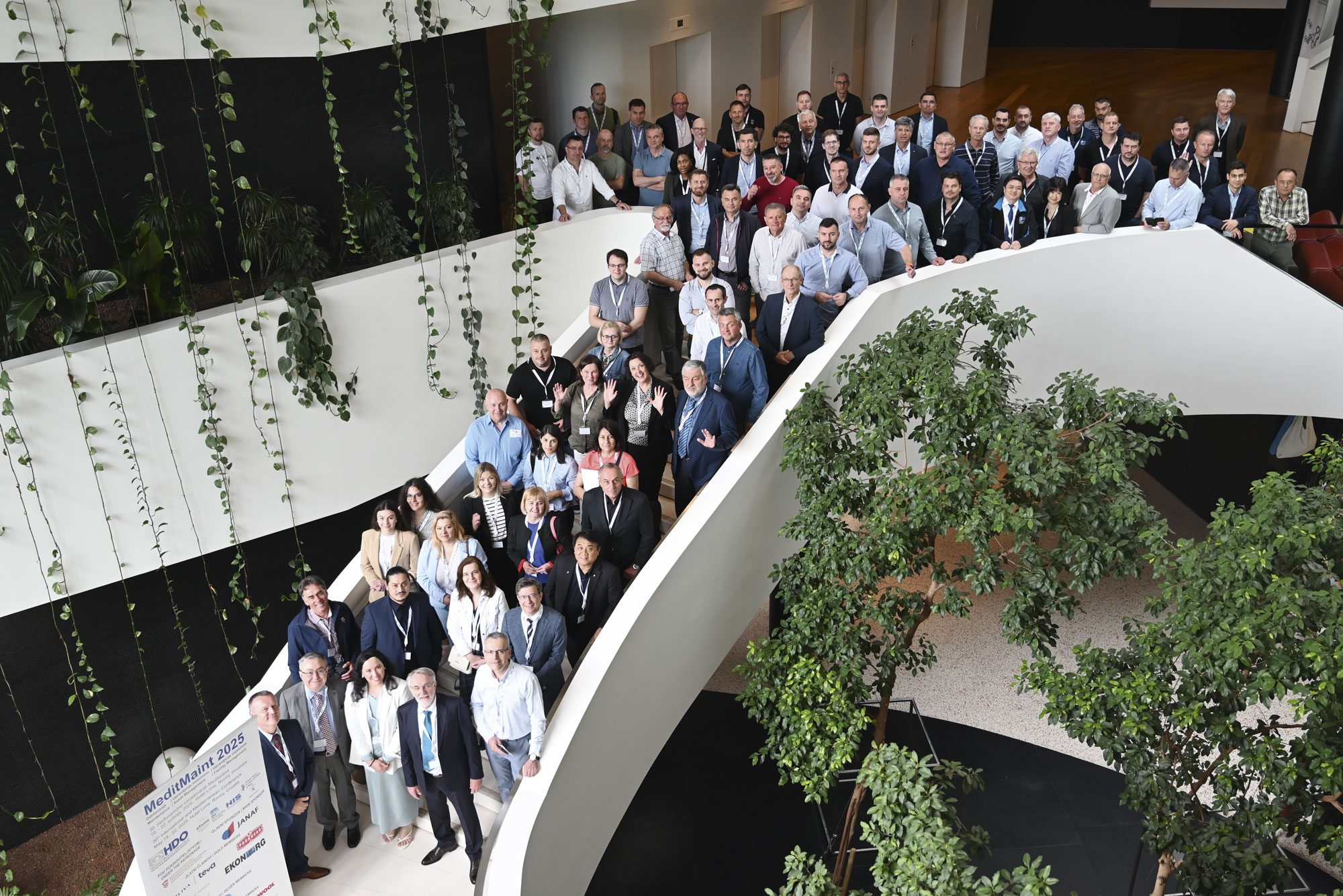
The HDO – Croatian Maintenance Society – has spent nearly five decades strengthening the role of maintenance and asset management in Croatian industry while building bridges across the Mediterranean maintenance community.
Founded in 1977 and headquartered in Zagreb, Croatia, the non-governmental, non-profit professional association serves as a central hub for professionals working in maintenance, asset management, and industrial reliability. Today the organisation represents around 130 members across sectors including energy, pharmaceuticals, logistics, education, food production, and agriculture, while its online professional network continues to grow.
“Our goal has always been to create a strong professional maintenance community where knowledge, expertise, and international collaboration can thrive,“ says Drago Frković, President of the Croatian Maintenance Society.
“Maintenance is fundamental to the reliability and competitiveness of modern industry, and our role is to help Croatian companies reach the same standards as the most advanced European economies.“
Through conferences, professional training, publishing, and international collaboration, HDO works to raise the efficiency and economic value of maintenance activities throughout Croatia and the wider Mediterranean region.
A bridge between science and industry: One of HDO’s defining roles is connecting academic research with real industrial practice. The association acts as a meeting point for professors, researchers, engineers, and maintenance professionals seeking to improve the performance and reliability of industrial systems.
“Our mission is to bridge the gap between theory and practice,“ Frković explains.
“Universities generate valuable knowledge, but it must reach the factory floor. HDO creates the environment where this knowledge can be exchanged and applied.“
Among the organisation’s key initiatives are the MeditMaint Conference, specialised training programmes in asset management and facility management, and the publication of the professional journal Maintenance and Exploitation. HDO also participates in multidisciplinary European Union projects aimed at improving industrial innovation and sustainable maintenance practices.
A decade of transformation: Over the past decade, Croatia’s maintenance sector has undergone a major transformation. Companies that once relied heavily on reactive repairs are increasingly adopting proactive strategies based on data, digital technologies, and predictive maintenance.
This shift has been particularly visible in sectors such as energy, logistics, and pharmaceuticals, where system reliability and operational resilience are essential.
“The industry has moved from a repair mentality to a predictive and strategic approach,“ says Frković.
“Maintenance is no longer simply about fixing problems after they occur. Today it is about anticipating failures, optimising performance, and ensuring the long-term value of technical assets.“
According to HDO, the integration of Croatian companies into global markets has accelerated the adoption of modern technologies such as remote monitoring systems, digital asset management platforms, and advanced diagnostics.
Over the past two decades, the association has intensified its role in supporting this transition. By organising seminars, conferences, and collaborative projects, HDO helps translate international standards—such as ISO 55001 for asset management—into practical tools that companies can implement.
Inspiring the next generation: Like many European countries, Croatia faces the challenge of attracting young professionals to maintenance and asset management careers.
One obstacle is the outdated perception that maintenance is primarily manual, “dirty” work with limited technological sophistication. In reality, the profession is increasingly digital and knowledge-driven.
“Maintenance today is one of the most technologically advanced fields in industry, Frković says.“
“It involves artificial intelligence, predictive analytics, digital twins, robotics, and advanced sensor technologies. This makes it an exciting career for the new generation of engineers.“
To attract young talent, HDO collaborates actively with universities and technical institutions, such as the University of Zagreb’s Faculty of Electrical Engineering and Computing, Faculty of Mechanical Engineering and Naval Architecture, Faculty of Transport and Traffic Sciences, and the Zagreb University of Applied Sciences. These partnerships help showcase maintenance as a high-tech discipline that unites engineering, data science, and strategic asset management.
Events such as the MeditMaint Conference provide young professionals with opportunities to network with international experts and potential employers while presenting their research and industry operations.
“Students who attend our conferences quickly achieve that maintenance is not a secondary function,“ Frković notes.
“It is a strategic field that directly shapes industrial productivity and sustainability.“
Lifelong learning at the core: Education and continuous professional development are central to HDO’s activities. The maintenance society runs a comprehensive lifelong learning program designed to keep professionals up to date with emerging technologies, international standards, and modern maintenance strategies.
Training programs cover areas such as reliability engineering, asset management, technical diagnostics, predictive maintenance, and digital maintenance management systems.
“Our aim is to combine theoretical knowledge with practical experience, Frković says.“
“Professionals must understand both the concepts and the real operational challenges.“
A key pillar of this effort is the MeditMaint Conference Series, which has developed into one of the Mediterranean region’s leading events for maintenance professionals and researchers. For more than 30 years, the conference has served as a platform where scientific insights meet industrial experience.
“The conference is more than a set of lectures, Frković explains.“
“It is an ecosystem where researchers, engineers, and companies exchange ideas and develop partnerships that push the industry forward.“
Maintenance as a driver of sustainability: Sustainability has become a central priority for industrial companies across Europe, and the maintenance sector plays a critical role in achieving environmental goals, Frković notes.
HDO promotes the philosophy that well-maintained equipment is inherently sustainable because it reduces energy consumption, extends asset lifecycles, and prevents environmental accidents.
“A properly maintained asset is a green asset,“ Frković emphasis.
“When machines operate efficiently and reliably, they consume fewer resources and generate less waste.“
By shifting from reactive maintenance to predictive approaches, companies can prevent failures that might otherwise lead to environmental contamination or significant energy losses.
HDO also participates in EU research initiatives exploring the integration of sustainability principles with advanced asset management technologies. These projects often focus on artificial intelligence, digital monitoring systems, and data-driven decision-making.
“Our goal is to show that smart maintenance is essential for achieving climate neutrality and meeting the objectives of the European Green Deal, Frković says.“
The power of digital technologies: Technological innovation is rapidly reshaping the maintenance landscape. Digital tools such as Industrial Internet of Things (IIoT) sensors, digital twins, and advanced analytics allow engineers to monitor equipment performance continuously.
By analysing data from vibration, temperature, pressure, and other operational indicators, companies can detect anomalies and predict equipment failures before they occur.
“Predictive maintenance turns raw data into actionable knowledge,“ Frković explains.
“With machine learning algorithms and AI-driven diagnostics, companies can estimate the remaining useful life of equipment and plan maintenance activities more efficiently.“
These capabilities reduce unplanned downtime, optimise maintenance schedules, and improve overall system reliability.
However, Frković emphasises that human expertise remains essential.
“Technology is a powerful tool, but it cannot replace human judgement,“ he says.
“The future of maintenance lies in combining advanced digital systems with skilled professionals who understand complex industrial processes.“
Part of a European network: HDO also plays an active role at the European level through its membership in the European Federation of National Maintenance Societies (EFNMS). The federation connects national maintenance organization across Europe, creating a platform for collaboration and knowledge exchange.
As Croatia’s official representative within EFNMS, HDO ensures that the perspectives and needs of Croatian professionals are represented in European discussions on maintenance and asset management.
Frković himself contributes to the federation through the European Asset Management Committee working group.
“Participation in EFNMS allows Croatian professionals to access the latest research, guidelines, and best practices,“ he says.
“It also enables us to contribute our experience and strengthen international cooperation.“
Looking toward the future: For HDO, the future of maintenance lies in integrating advanced technologies with continuous professional development and strong cooperation between industry and academia.
The association envisions a highly digitalized, reliable, and sustainable maintenance ecosystem that supports the long-term competitiveness of Croatian industry.
“Maintenance has evolved from a cost center into a strategic management function, Frković concludes.“
“By investing in knowledge, digital technologies, and human expertise, we can build a maintenance sector that supports economic development, industrial resilience, and sustainability across Croatia and the Mediterranean region.“
Drago Frković: WHY MAINTENANCE MATTERS?

My motivation comes from a simple belief: maintenance and asset management are the real pillars of industrial civilization, states Drago Frković, President of the Croatian Maintenance Society.
After decades working with large industrial systems, Drago Frković became convinced that modern infrastructure and production systems would not exist without strong maintenance strategies.
“People often see maintenance as something secondary,“ he explains.
“But without it, factories stop, infrastructure fails, and the entire economy suffers.“
For Frković, leading HDO is about raising awareness of this reality and strengthening the profession both nationally and across Europe.
“The most rewarding part of the role is seeing the impact of knowledge sharing,“ he says.
“You see young engineers adopting new technologies, companies improving reliability, and the whole professional community becoming stronger.“
Croatia’s Competitive Advantage: According to Frković, Croatia’s strongest asset is its high-quality engineering talent and adaptable workforce.
“We have a strong technical tradition and excellent engineers,“ he says.
“That human potential gives Croatia the ability to build a competitive, high-tech industry within Europe.“
However, he emphasis that industrial competitiveness depends heavily on how well companies manage their assets.
“Maintenance is absolutely essential,“ Frković says.
“It ensures reliability, safety, and the long-term value of equipment and infrastructure.“
As industries across Europe pursue digitalization and sustainability goals, strategic asset management becomes even more important.
“If we invest in best maintenance practices and continuous learning,“ he concludes,
“Croatian companies can improve the sustainability and resilience of their infrastructure while ensuring the highest standards of human safety and competitiveness in the global market.“
Text: NINA GARLO-MELKAS Photos: HDO
Subscribe to the free Maintworld newsletter here!