
The Microbial Revolution
Microbes are nature’s engineers, capable of modifying and sustaining life’s fundamental processes, maintaining ecosystem balance, and revolutionizing industrial processes. Their role in industry has grown, especially in achieving sustainability and circular economy goals.
“Microbes sustain the cycles of nature. Their catalytic power can create chemical products and processes in industries where traditional methods are too expensive or impractical,” says Adjunct Professor Elias Hakalehto, a microbiologist and biotechnology expert, who explores the potential of microbes in industrial applications.
From an industrial perspective, microbes play a crucial role in enhancing food production and environmental remediation. They can break down industrial waste, produce renewable fuels, and transform materials into more sustainable alternatives. For example, utilizing microbial processes in the forest industry’s side streams could lead to valuable chemicals, new energy sources, or soil-enhancing compounds.
The Role of Microbes in Maintenance and Circular Economy
One significant application is the use of microbes for optimizing resource utilization. Industrial residues that would otherwise be discarded can be transformed into valuable byproducts through microbial processes.
“For instance, we have studied the potential of ‘zero fibres’ from the forest industry, which can be converted into new chemicals, energy solutions, or even soil improvers,” Hakalehto explains.
Microbial processes are also playing an increasing role in maintenance and industrial hygiene. Contamination control and beneficial microbial utilization often go hand in hand, making microbes an integral part of industrial sustainability strategies.
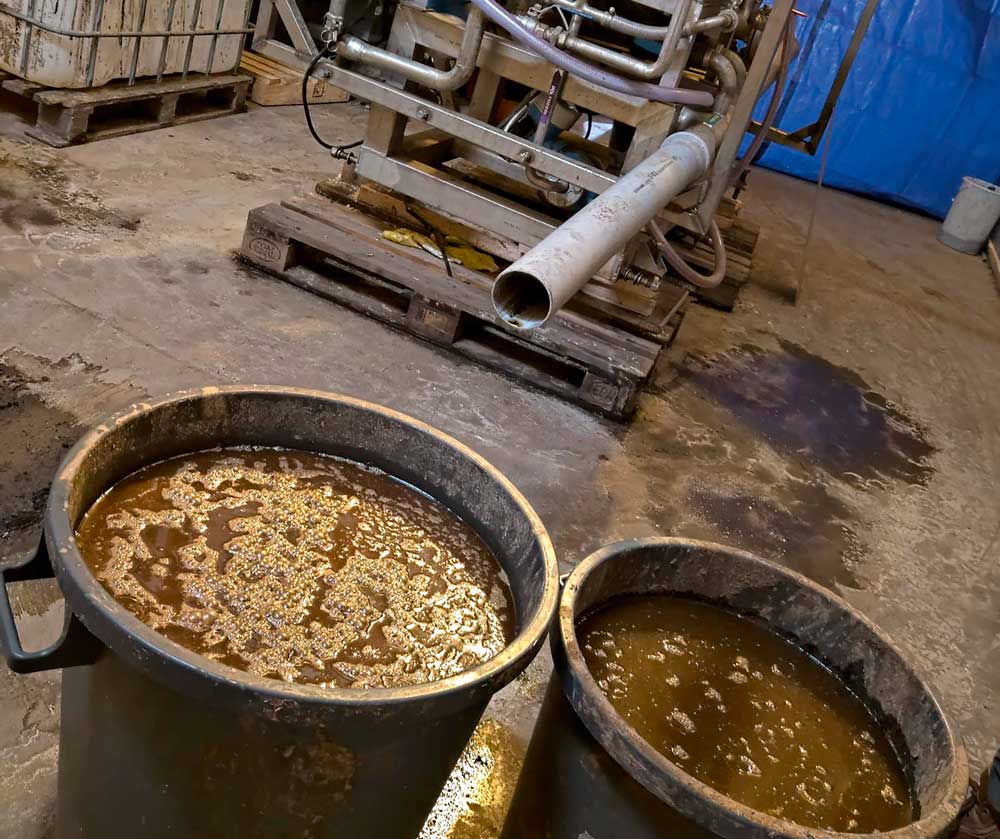
“One vast industrial product group is washing powders. Microbial enzymes are crucial in industries like detergent production, where they perform invisible but essential roles. Production of enzymatic biocatalysts is a significant industrial field, with microbial processes playing a key role in ensuring the quality of various products, either puposefully or as a part of the final process composition.”
Microbes in Industrial Maintenance
Microbes simultaneously present both challenges and opportunities in industrial environments. According to Hakalehto, the key is to harness their potential for managing risks effectively.
Microbial solutions are increasingly used in industrial maintenance to ensure system efficiency and longevity. For example, microbes can be utilized for bioremediation of industrial equipment, where they break down harmful residues like oils, grease, and heavy metals, preventing costly machine breakdowns. This improves operational efficiency. Microbial corrosion prevention is another application, as certain bacterial strains produce biofilms that protect metal surfaces from corrosion, thereby extending the lifespan of machinery in industries such as manufacturing, energy production, and marine transport.
Microbes are also used in cooling tower and pipeline cleaning to prevent biofouling, reducing the need for harsh chemical treatments and improving energy efficiency. In industrial waste treatment, enzyme-producing microbes are degrading complex organic waste in water treatment systems, which helps in reducing sludge formation and minimizing environmental impact.
Global Applications and Innovations
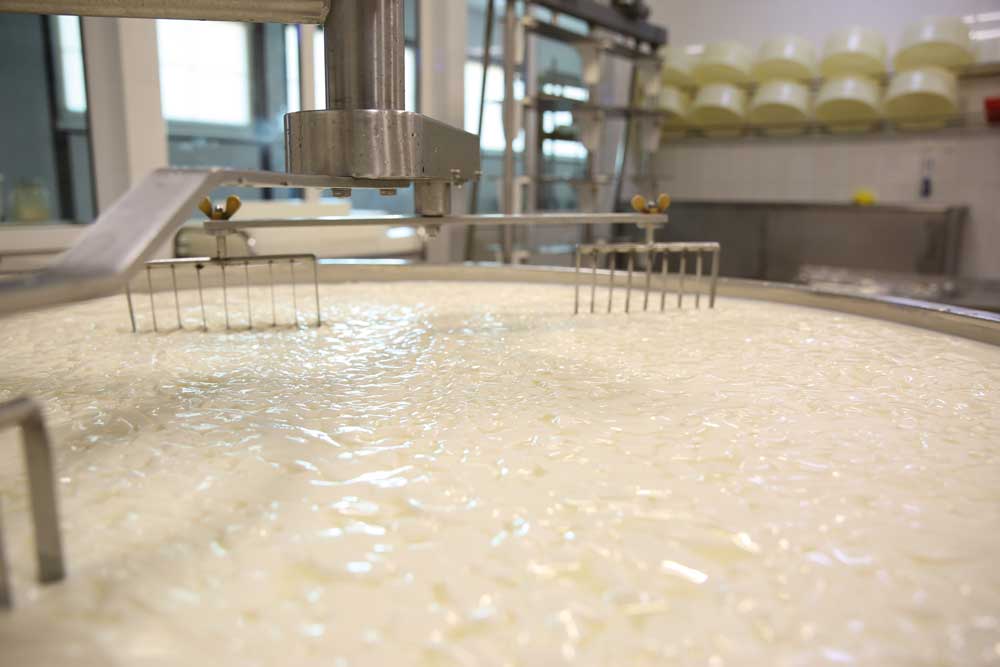
While the food industry has traditionally relied on microbial processes for fermentation, such as lactic acid, acetic acid, and alcohol production, modern industrial applications extend far beyond food itself. One key area is bioplastics and sustainable materials, where microbial polymers are now being used in plastic manufacturing, helping reduce the carbon footprint of packaging materials.
In biofuels and energy production, advances in microbial biotechnology have enabled the creation of ethanol, biogas, and even microbial oils as alternative energy sources. Meanwhile, the pharmaceutical industry continues to rely on microbes, with 70-80% of antibiotics today derived from Streptomyces bacteria, following the discovery of penicillin by Alexander Fleming. Finally, in the textile and chemical industries, microbial enzymes and bio-based processes are being increasingly implemented to produce chemicals, textiles, and biodegradable plastics.
Microbes play a vital role in reducing industrial emissions and promoting sustainable practices.
As microbes are omni potential, we need to find their correct places in the milieu, either in the natural or man-made ecosystems. There they could flourish and cooperate with other strains in producing novel products, such as cheeses, enzymes, polymers, medicinal substances and fine chemicals. Using the combinations of biobased materials human industries can expand their livelihood for the benefit of all of us.
Examples of microbial environmental impact include:
Wastewater Treatment: Biological purification systems harness microbial activity to recycle water and remove pollutants, ensuring that cleaner water is returned to the environment.
Carbon Sequestration: Microbial assimilation of CO2 is emerging as a viable strategy for reducing atmospheric carbon levels.
Certain microbes capture and store carbon dioxide, helping to lower greenhouse gas concentrations.
Oil Spill Remediation: Natural microbial communities helped mitigate the environmental impact of the Deepwater Horizon disaster in 2010, demonstrating the power of microbial ecosystem engineering. These microbes break down hydrocarbons, effectively cleaning up oil spills.
Bioremediation: Microbes play a crucial role in breaking down pollutants and toxins in the environment. For example, bacteria and fungi can clean up industrial waste, transforming harmful substances into less toxic ones.
Bioenergy Production: Microbes convert organic waste into bioenergy, such as biogas and biofuels. Anaerobic bacteria digest organic matter in landfills and wastewater treatment plants to produce methane, a renewable energy source.
Agricultural Enhancements: Microbial fertilizers and soil conditioners improve soil health and crop yields, reducing the need for chemical fertilizers that can harm the environment. Nitrogen-fixing bacteria convert atmospheric nitrogen into a form that plants can use, thus, promoting sustainable agriculture.
Industrial Applications: Microbes are employed in various industrial processes to enhance efficiency and reduce environmental impact. For instance, microbial fermentation is used in the production of bio-based chemicals, plastics, and pharmaceuticals, reducing reliance on fossil fuels.
Finland’s Role in Global Microbial Innovations
Finland has been at the forefront of microbial research and industrial applications. Companies such as Neste Jacobs, Finnsugar, Valio and St1 have pioneered bioreactor design, microbial enzyme applications, bioethanol production, and probiotic research.
“Finland’s harsh climate fosters a mindset of innovation and problem-solving, making it a hub for microbial biotechnology,” notes Hakalehto.

Future advancements in microbial biotechnology will depend on increased investments in research, technology development, and industrial scaling. Areas such as bioreactor design, microbial community studies, and process hygiene are critical for strengthening industrial platforms worldwide.
Hakalehto stresses that regulation is vital in the realm of microbial biotechnology to balance innovation and safety, however, it should not hinder beneficial development. He adds that microbial catalytic power has already been successfully harnessed for well-being and safety, such as when sea microbes helped mitigate the effects of the 2010 Deepwater Horizon oil spill in the Caribbean. This led to the emergence of ecosystem engineering industries.
“Laws should support innovation while ensuring safety, as seen with medical devices and treatments. In the future, microbes could also improve soil quality, aiding the production of healthier, more abundant food.”
Over the next 10–20 years, microbial innovations are expected to transform industrial processes significantly. As Hakalehto concludes: “The potential of microbes is vast, and the only limitations are human ingenuity and our ability to integrate nature’s principles into industry. By embracing microbial solutions, we can drive sustainability, enhance efficiency, and reshape industries for the better.”
• Material Industry: Microbially produced polymers are added to plastics, such as soft drink bottles, to reduce environmental impact.
• Energy Production: Microbial processes are used in biogas, ethanol, and biofuels. Novel microbial fuels, including microbial oil, are being developed for road, marine, and air transport.
• Chemical, Cosmetics, and Medical Industries: Microbes contribute to the production of sugar alcohol mannitol, an excipient for tablets, and microbial polymers in textiles.
• Pharmaceutical Industry: Since the discovery of penicillin, microbes have played a major role in medicine. Today, 70-80% of antibiotics are derived from Streptomyces bacteria.
• Antibiotic Resistance and Innovation: Advances in genetic engineering, such as cloning clavulanic acid genes, have improved antibiotic production, helping to combat antibiotic resistance and emerging pathogens.
Text: Nina Garlo Photos: Elias Hakalehto, Shutterstock, Valio Oy



Subscribe to the free Maintworld newsletter here!
Digging for Gold: Endomines and the Global Mining Landscape
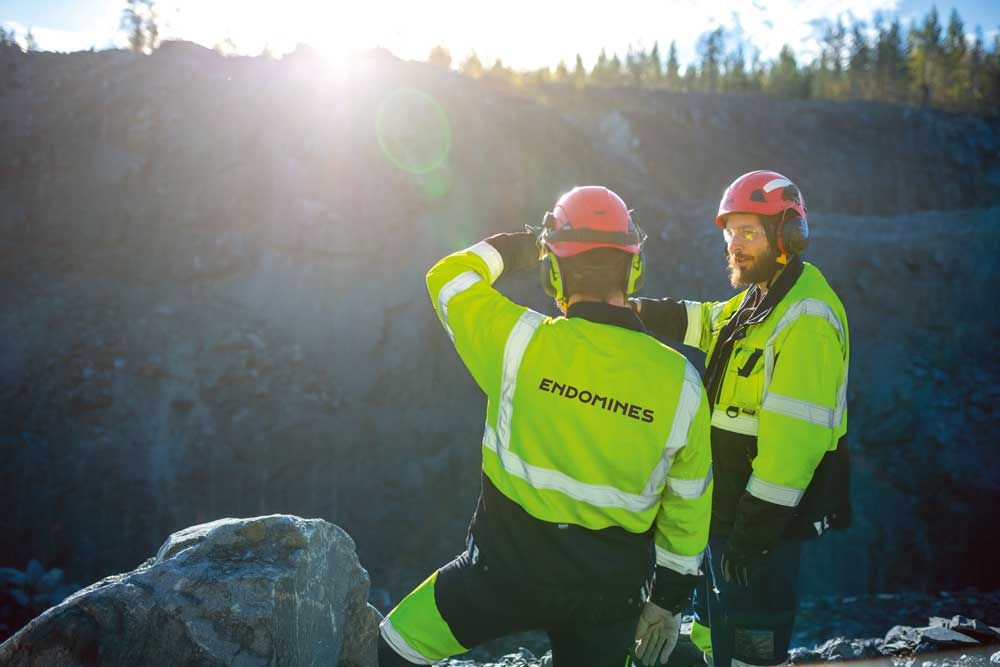
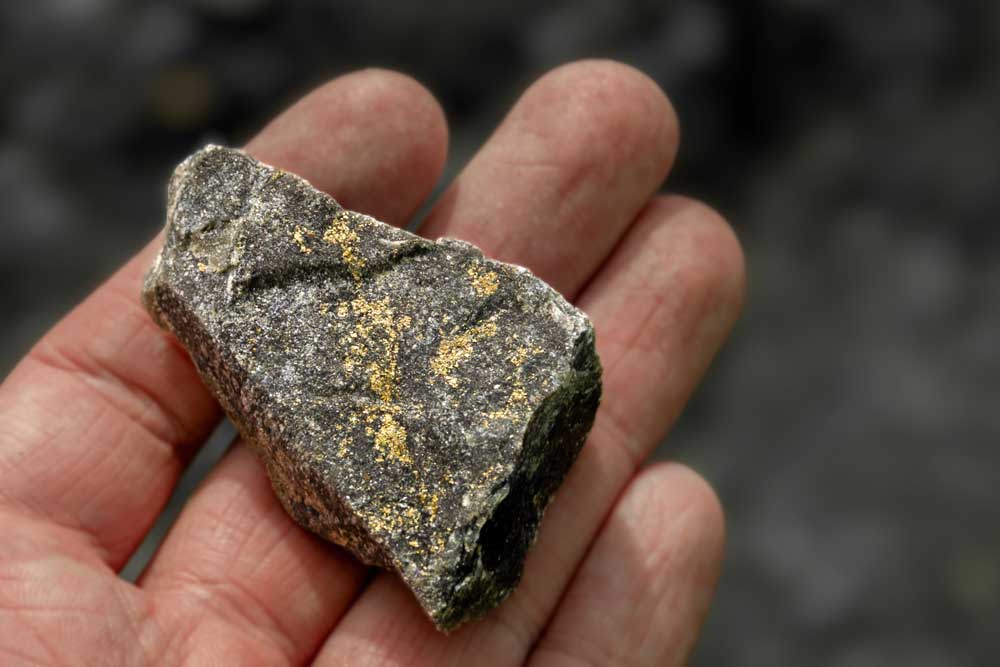
Gold mining, a cornerstone of the global economy, not only contributes significantly to economic growth but also supplies essential materials to various industries such as construction, energy, and technology. In an interview with the head of Endomines Finland, one of Europe’s leading gold mining companies, we gained valuable insights into the industry’s current state and the challenges mining companies must navigate to prosper in a rapidly evolving global landscape.
Geopolitical instability in regions such as Eastern Europe has prompted investors to turn to gold as a hedge against uncertainty. Additionally, as central banks worldwide lower interest rates, gold becomes more attractive as a store of value. This favourable pricing environment is allowing mining companies to capitalize on higher gold prices, positioning them for growth despite challenges.
Endomines: A Key Player in European Gold Mining
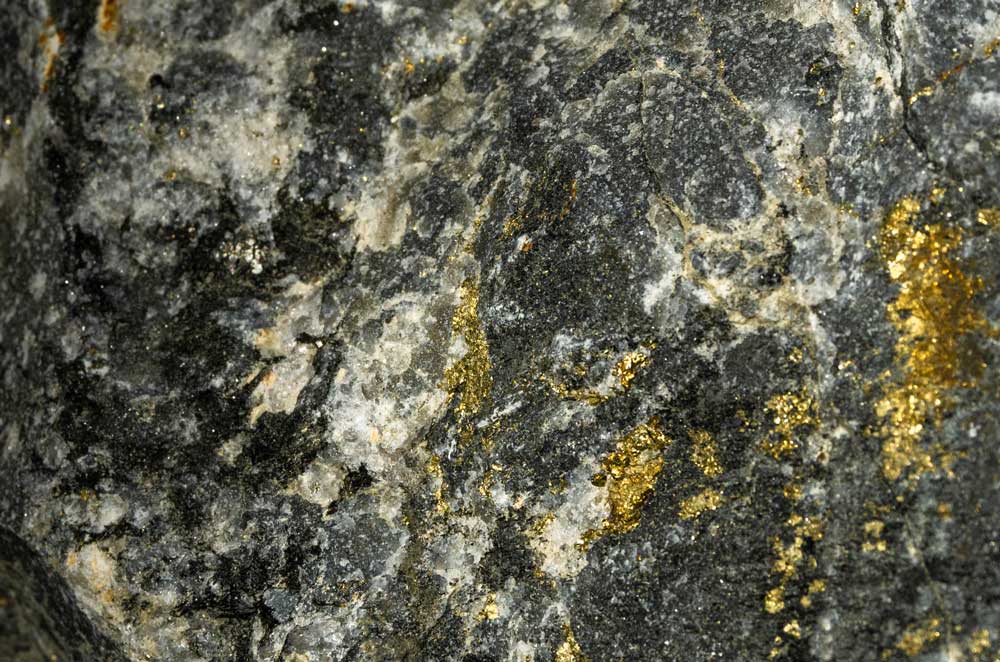
Endomines is the largest Finnish gold mining and exploration company, and its operations are focused primarily on gold production. The company’s primary site is in the Pampalo area along the Karelian Gold Line in Eastern Finland. This greenstone belt, spanning over 40 kilometres in length and 5 kilometres in width, is highly promising in terms of its potential for gold reserves. Additionally, Endomines holds exploration rights to seven gold deposits in the United States, located in Idaho and Montana.
Endomines reported a gold production of 397.8 kilograms in 2023. Vyhtinen takes pride in the company’s achievements, stating.
“We are a Finnish company, and we operate with a small but dedicated team. We also collaborate with contractors at our mining sites, where the workforce can range from 100 to 120 individuals.”
The region where Endomines operates is geologically significant and has substantial potential for gold discoveries.
“The greenstone belt in north Karelia is one of the largest gold-bearing areas in the world, but it has been relatively underexplored until recently. We’ve made great strides in exploration and have discovered several gold deposits,” Vyhtinen notes.
Gold Mining on the Global Stage
Vyhtinen says the international gold mining sector spans multiple continents, with major production hubs in countries like China, Australia, Russia, Canada, South Africa and the United States. Finland has become the largest gold producer in the European Union over the past decade.
According to Vyhtinen, the distribution of gold mining operations across diverse geographies presents opportunities and challenges, particularly when considering infrastructure and regulatory frameworks.
He notes that the industry is also a critical player in central banking systems, with many nations holding gold reserves as a hedge against economic uncertainty. However, the sector faces increasing scrutiny regarding its environmental impact, including concerns about deforestation, water pollution, and carbon emissions. Vyhtinen acknowledges that these ecological and regulatory pressures have made sustainability a growing focus for mining companies worldwide.
Labour Shortages and Workforce Mobility
The CEO stresses that one of the most significant challenges in the gold mining industry is the shortage of skilled labour. Mining operations, particularly in remote areas, often struggle to attract qualified workers.
“Mining sites in regions like Finland are located in remote, rural areas where it’s difficult to find workers. These areas are not urban, and the isolation can challenge recruitment, Vyhtinen explains.”
Endomines has implemented educational programs in collaboration with local schools to address the need for a new generation of qualified workers.
“For example, last year, we had a training program for ten individuals in the processing side of operations,” says Vyhtinen.
Despite these efforts, attracting younger workers remains a challenge, particularly with the rise of remote work and the appeal of flexible, urban-based jobs.”
“It’s tough to attract young people who often prefer more flexible jobs. Mining requires physical presence, and that can be a tough sell.”
Endomines and other companies in the industry are exploring new ways to address the labour gap, including partnerships with educational institutions.

“We need more collaboration between the mining industry and universities to create educational programs that close the skills gap. More technical training programs in mining and metallurgy will help build a sustainable workforce for the future,” says Vyhtinen.
Technology and Automation: The Future of Mining
Vyhtinen says advances in technology, particularly automation, are reshaping the future of the mining industry. Technologies such as autonomous trucks, real-time data analytics, and AI-driven exploration are improving operational efficiency and safety.
“We’re seeing more automation in mining, from autonomous trucks to real-time data analysis to improve efficiency,” he notes.
Automation presents significant opportunities, including reduced labour costs, improved safety, and increased productivity.
Autonomous mining trucks, for instance, can operate 24/7, reducing downtime and enhancing productivity. Additionally, real-time monitoring systems allow for predictive maintenance, helping prevent costly breakdowns.
However, the shift toward automation also introduces new challenges.
“While automation reduces the need for labour in some areas, it also requires a new set of skills. We need workers proficient in robotics, data analytics, and other advanced technologies,” Vyhtinen explains.
Across the mining world, there is growing recognition that addressing the skills gap requires investment in education and vocational training. Whether through apprenticeships, technical certifications, or partnerships with universities, companies must actively develop the talent needed to keep operations running smoothly as machinery in the the industry is becoming increasingly complex.
Sustainability and Responsible Mining
Sustainability is a growing concern for the mining industry, the CEO continues. Mining companies are under increasing pressure from governments, investors, and the public to minimize their environmental impact. This includes reducing carbon emissions, water usage, and waste and ensuring that operations do not harm local ecosystems or communities.
Sustainability is a core priority for Endomines as well, with the company has achieved a 100% recycling rate of process water and maintained CO₂ emissions at 0.93 tCO₂e per ounce of gold produced.
“The mining industry has a responsibility to operate sustainably. We must reduce our environmental footprint while ensuring our operations remain profitable,” Vyhtinen emphasizes.
Companies are increasingly adopting green technologies, including solar and wind power, and exploring new, more sustainable mining techniques.
Despite challenges, the global gold mining sector is poised for continued growth in Finland as well as globally. Vyhtinen envisions significant growth also for Endomines in the coming years, with Finland emerging as a key player in the global gold market.
“There are currently three active gold mines in Finland: Agnico Eagle’s mine in Kittilä, Dragon Mining’s operation, and us,” the CEO explains.
“However, many more gold deposits are still in the licensing phase in Finland. In the next decade, Finland could become a significant gold producer. ”
Vyhtinen envisions Finland reaching an annual gold production of around 500,000 ounces, up from current levels of about 300,000 ounces.
“With major finds in Northern Finland’s Lapland, including the Ikkari deposit, there is a lot of potential for future growth of Finland’s gold mining sector.”
To help secure the needed workforce for future growth, Endomines will continue to integrate international talent into its workforce.
“This global collaboration enriches our team and provide fresh perspectives on our operations. We have already successfully hired workers from countries such as France, Spain, Ukraine and beyond to fill in particularly specialized roles in exploration and geology.”
The CEO adds that maintenance and operational efficiency will remain crucial factors in Endomines’ future success.
“We handle our own maintenance with a small in-house team, but we work with external contractors for larger projects. We operate our plants continuously for eight days, with two days for maintenance.”
However, like many other industries, the mining sector maintenance field is facing a shortage in particularly of skilled technicians, especially in automation and electrical engineering.
“It’s tough to find skilled professionals in these areas. Even though we pay well, attracting talent is still a challenge. The demand is high, and the talent pool is limited.”
Endomines Finland
• Industry: Gold Mining
• Headquarters: Finland
• Primary Operations: Pampalo area, Karelian Gold Line (Finland)
• U.S. Assets: Idaho (Friday Mine, Orogrande Plant) & Montana
• Gold Production (2024): 444,9 kg
• Sustainability: 100% water recycling, 0.93 tCO₂e per ounce
• Listed: Nasdaq Helsinki (Ticker: PAMPALO)
• Mission: Sustainable, traceable gold for jewellery and electronics
Executive Officer
As one of the world’s most valuable and sought-after metals, gold remains a significant asset for investors, governments, and industries globally. According to Endomines CEO Kari Vyhtinen, gold has long been considered a safe haven for investors during economic uncertainty. Geopolitical tensions, inflationary pressures, and fluctuations in interest rates often drive increases.
As Vyhtinen explains: “Gold has always been seen as a safe haven in uncertain times, and with the recent uptick in geopolitical instability and economic fluctuations, demand is stronger than ever.”
The global gold market has benefitted from a combination of factors.
Text: NIna Garlo Photos: Endomines
Subscribe to the free Maintworld newsletter here!
Latest