
Maintenance Strategies Can Help ESG Goals
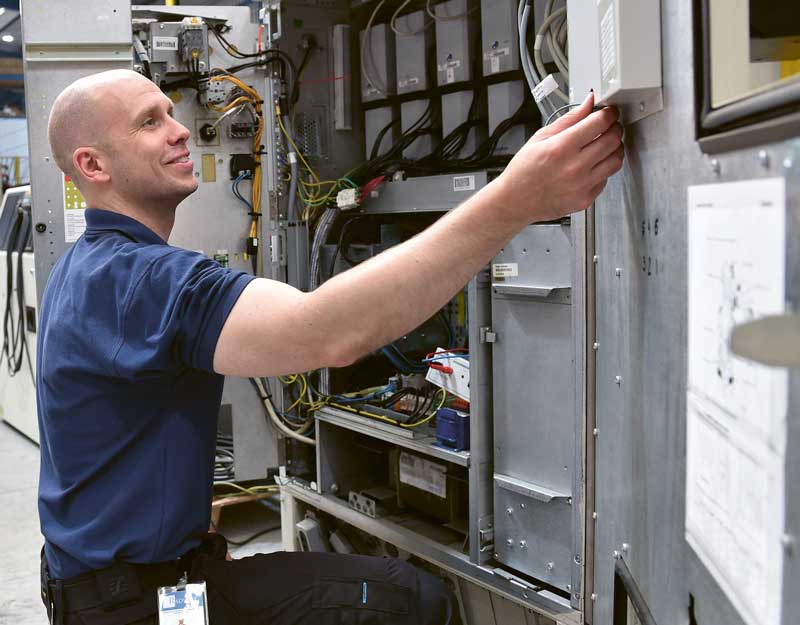
Predictive maintenance and obsolescence management have long been recognised as ways for manufacturers to reduce downtime. But these approaches can also help companies meet their ESG (Environmental, Social and Governance) objectives, argues Matthias Ludwig, Managing Director of Radwell International Germany.
The high cost of downtime
A new Siemens report, The True Cost of Downtime 2024, highlights the financial scale of the problem. It found that unplanned downtime now costs the world’s 500 largest companies an average of 11% of their revenues – a staggering $1.4 trillion, equivalent to the GDP of Spain.
The challenge is exacerbated by ageing assets. A recent white paper by ERIKS UK & Ireland and IET revealed that more than 50% of equipment in 65% of factories is over ten years old. In over 70% of cases, no OEM spare parts are available. While equipment suppliers promote Industry 5.0 and IIoT solutions to minimise downtime in the future, many businesses must continue operating with legacy systems.
This reality makes effective maintenance not only a financial necessity but also an opportunity to strengthen sustainability strategies.
ESG benefits of maintenance and spares
Choosing to repair or replace individual parts, rather than entire systems, brings clear ESG benefits:
• Environmental: Resource efficiency, reduced waste, lower carbon emissions, and less water and energy use compared to full system replacement.
• Social: Support for local suppliers and service providers, plus longer product lifecycles that increase customer trust.
• Governance: Better resource stewardship, reduced operational and compliance risks, and improved transparency in sustainability reporting.
In short, maintenance decisions can make a measurable contribution to a company’s ESG commitments, while also protecting the bottom line.

A strategic approach
To capture these benefits, Ludwig recommends combining predictive maintenance and obsolescence management in a structured plan. The process typically follows four stages:
1. Risk Assessment: Identify critical assets and evaluate obsolescence risk using data such as maintenance logs, supplier reliability, and end-of-line (EOL) plans.
2. Repairs: Define in advance what can be repaired, who will do it, and what lead times apply – particularly for critical components like HMIs.
3. Spare Parts: Secure key spares in advance to minimise downtime. Buying before a breakdown can save costs compared to last-minute sourcing of rare items. Subscription-based inventory services, such as Radwell’s new SparesVault, can also support this process.
4. Strategy and Upgrades: Review maintenance policies regularly and plan upgrades proactively, rather than during unplanned downtime. For example, AC drives are often cost-effective upgrade candidates, offering higher productivity, reliability and energy savings.
Financial and operational gains
Planned upgrades and well-managed spares can significantly cut downtime and reduce costs. In some cases, obsolete parts may be more than twice as expensive as modern equivalents. By upgrading in advance, companies gain access to warranties, longer-term support, and more energy-efficient technologies.
As Matthias Ludwig concludes, “Maintenance is no longer just about keeping the line running. Done strategically, it supports ESG targets, reduces costs, and ensures manufacturers get the best performance from both their people and their capital assets.”



Subscribe to the free Maintworld newsletter here!
Print media is not dead – it is alive, stronger than ever

You are holding the freshly printed Maintworld – the voice and trailblazer of the maintenance sector, now carefully crafted into a visual magazine.
At Maintworld, we believe that in today’s digital era, print is more than just a medium – it is an experience. Print is tangible, authentic, and valuable. When a reader opens a magazine, they pause and dive in – receiving a calm, structured reading experience that leaves a lasting impression.
Well-curated print content is at its best personalized, multisensory, and above all, trustworthy.
Of course, Maintworld is also easily accessible online and through its newsletters. Going forward, we aim to further develop a content strategy where print and digital complement each other seamlessly. While our belief in print remains strong, we are equally committed to expanding our digital services together with you.
Maintworld has reached its audience well online, too. Our ambition is to offer members and readers the best possible combination: the quality and presence of print alongside the speed and flexibility of digital.
In this issue as well, we want to open the world of maintenance as broadly as possible. Be inspired and motivated. Share your feedback or send us your story ideas – we are curious and highly motivated to create the very best maintenance content for you.
Print lives on and thrives wherever a community values depth, trust, and the opportunity to pause with important information. Print is not yesterday – it is today’s premium and a strong partner for all of us working in the field.
And that is precisely why our professional magazine is an investment for you and the community you represent. Together, we want to strengthen trust within the maintenance profession, build on our shared expertise, and leave a lasting mark in our common story.
Jari Kostiainen

Subscribe to the free Maintworld newsletter here!
Machinery Regulation 2027: The Clock is Ticking for Safety, Compliance and Competitive Edge

The new EU Machinery Regulation (EU) 2023/1230 takes full effect on January 20, 2027, replacing the long-standing Machinery Directive. It’s not just an update—it’s a whole new rulebook. Are you ready to play by it?
The old Machinery Directive (2006/42/EC) has governed machine safety and compliance for over two decades, but its time is up. In its place comes the Machinery Regulation (EU) 2023/1230, bringing changes that every OEM, automation specialist, and maintenance professional in the EU—or selling into the EU—must understand.
And this time, there are no opt-outs, no delays, no loopholes: unlike a directive, a regulation applies directly and uniformly across all EU Member States. Translation: you either comply—or you’re out.
ABB’s recent webinar, led by standardisation and certification specialist Anette Wester-Odbratt and market developer Andree Hoffmann, served up a timely breakdown of what’s coming. Here’s what Mainworld readers need to know—and do.
The regulation’s scope is broader and tougher than ever. It now formally includes “quasi-machinery”, digital safety components (including software), partly completed machinery, and introduces new categories like related products (e.g., sensors, slings, chains).
One of the most significant game-changers is mandatory third-party certification for six types of machinery listed in Annex I, especially those with self-evolving behavior or AI-driven functions. For the first time, cyber risks and software integrity are part of the safety equation.
And this is not theoretical. From 2027 onwards, any new machinery placed on the EU market must meet these standards.
Practically it means, if your machine isn’t compliant, it isn’t sellable.
“Are You Ready?” Checklist for Manufacturers:
- Reviewed machine portfolio for affected products
- Identified if Annex I applies
- Updated CE mark labeling
- Shifted to digital
- documentation
- Prepared cybersecurity
- protections
- Established change-log
- tracking for software
Even the documentation game has changed. Manufacturers can now provide digital-only instructions, but customers can still request printed manuals at the time of purchase. CE markings also get a digital upgrade—products certified by a notified body must now include that body’s ID number next to the CE mark. QR codes are encouraged to streamline access to declarations of conformity, instructions, and technical files.
The regulation also raises the bar for machine software updates, which now require detailed logging of safety-relevant changes—retained for five years and accessible by authorities. That means more traceability and less room for error—or excuses—when accidents happen.
Then there’s “substantial modification”, a term now legally defined. If a machine is modified post-market in a way not planned by the original manufacturer—and that change introduces new hazards—it must be recertified from scratch. Think of it as a forced reset button on your compliance obligations.
One standout element in the new regulation is its emphasis on cybersecurity and communication integrity. Machines must now withstand not only physical stress but also intentional digital interference—in line with the EU’s Cybersecurity Act. A new standard, EN 50742, is in development to guide manufacturers through these challenges.
Another critical evolution: human-machine collaboration is addressed with stricter rules. From ergonomic design to minimizing psychological stress when working near collaborative robots, the regulation is catching up with how automation functions today.
As for harmonized standards, over 850 are in the process of being revised or transferred to align with the new regulation. For machines not covered by an updated harmonized standard, a full notified body certification will be required.
To sum it up, the EU Machinery Regulation (2023/1230) marks a shift in how machines are certified, documented, and maintained across the continent. It’s not a bureaucratic reshuffle—it’s a digital, legal, and safety revolution.
ABB’s experts made one thing clear: 2027 is not far away. If you’re waiting until then to prepare, you’ve already waited too long. This isn’t just about ticking a regulatory box. It’s about staying competitive in an industrial world increasingly shaped by digitalization, AI, and traceable accountability. Companies that prepare now won’t just be compliant—they’ll be ahead of the curve.
TIMELINE: Key Dates to Watch
• July 19, 2023 – Machinery Regulation enters into force
• NOW – Transition period (voluntary preparations, documentation updates, training)
• January 20, 2027 – Machinery Regulation fully replaces Machinery Directive
• After Jan 20, 2027 – All new machinery must be compliant to be marketable in the EU
Must-Know Changes in Machinery Regulation 2023/1230
• Applies from: January 20, 2027
• Direct replacement for: Machinery Directive 2006/42/EC
• Mandatory third-party certification: For six machine types (incl. AI-enabled)
• New requirements on: Cybersecurity, corruption protection, remote/autonomous machines
• Digital instructions allowed: But printable copies must be supplied on request
• Software updates: Must be logged and traceable for 5 years
• New term: “Substantial modification” may trigger full recertification
• Scope widened: Includes digital safety components, software, quasi-machinery
• New harmonized standard incoming: EN 50742 for corruption protection
Where should companies start?
• Audit your machinery portfolio: Which products fall under new rules?
• Engage your notified body: For those in Annex I, certification isn’t optional.
• Digital infrastructure check: Are your instructions, labels, declarations QR-ready?
• Cyber-hardening your systems: Communication interfaces must be corruption-proof.
• Documentation and version control: Set up update tracking and change logs now.
Text: Mia Heiskanen Photos: ABB
Subscribe to the free Maintworld newsletter here!
Human-Centric Maintenance for Industry 5.0

For Jan Stoker, Researcher & Strategic Advisor for Asset & Maintenance Management, the transition from Industry 4.0 to Industry 5.0 marks a fundamental shift: “Technology is no longer the goal—it’s the tool that helps us create sustainable, resilient, and human-centric value.”
“Step into any maintenance department and you’ll see both”, Stoker says. “Younger professionals (the digital natives) navigate dashboards and AR interfaces with ease, while their more experienced colleagues (the digital immigrants) recognize subtle signs in equipment behaviour that no algorithm can yet interpret. The challenge is not to replace one with the other, but to combine them. That mix is our strength.”
This intergenerational blend, Stoker emphasizes, is fundamental to building resilience in Industry 5.0. As he explains in his recent insights on generational dynamics, Digital Natives—Millennials and Gen Z who grew up with data, smart technologies, and AI collaboration—bring agility and digital fluency to maintenance operations. Meanwhile, Digital Immigrants—Baby Boomers and Generation X who witnessed the evolution from CMMS to risk-based maintenance and ISO 55000 implementation—contribute deep judgment, tacit knowledge, and process mastery.
“These two digital cultures view Asset & Maintenance Management through very different lenses,” Stoker notes. “Where Digital Immigrants value structured processes, standards, and deep experience, Digital Natives emphasize agility, connectivity, and continuous innovation. Both perspectives are valid—but too often, they operate in parallel rather than in synergy.”
The key, according to Stoker, lies in creating frameworks that connect these generational approaches. His Asset & Maintenance Management Lemniscate and SSAMM Maintenance Landscape Model provide what he calls “a shared language, rooted in standards, where both experience and innovation can thrive.”
“It’s not about speed alone,” he adds. “It’s about combining perspectives to ensure long-term value. In Industry 5.0, where human-centric, resilient, sustainable, and intelligent systems converge, bridging these digital mindsets isn’t optional—it’s essential.”
New roles are emerging as well. One is the “information steward,” who guarantees the accuracy and accessibility of operational data. The other is the “AI model trainer,” who ensures that intelligent systems align with international frameworks such as ISO 55000:2024 and CEN/TC 319. “When these two roles work in harmony, AI stops being a mysterious black box and becomes a trustworthy partner,” Stoker explains. “That’s when digitalisation truly serves the human, not the other way around.”
Education becomes the bridge to this future. Training programmes must remain rooted in Reliability-Centred Maintenance, FMEA, and condition-based maintenance, yet be modular and adaptive enough to integrate new technologies in the Maintenance 5.0.
“Immersive learning is essential,” he notes. “Federated twins and VR simulations allow people to practise real-world complexity without real-world risk.” Stoker also predicts that scenario-based “disruption drills” will become more common, preparing professionals to adapt when supply chains break down or extreme weather interrupts operations.
International certification is another corner stone. EFNMS qualifications such as the European Maintenance Manager (EMM) and European Maintenance Technician (EMT) provide Europe-wide recognition, while WPiAM’s CAMA and Global Certification Scheme ensure global mobility. “Certification gives us a shared language of competence,” he says. “It allows professionals to move across borders with credibility and organisations to know exactly what skills they are hiring.”
But competence alone is not enough. Diversity is equally critical. “We cannot afford to leave talent untapped,” Stoker argues.
Gender balance widens the pool, but neurodiversity brings unique capabilities. He points out that “many neurodiverse professionals excel at pattern recognition, lateral thinking, and creative problem-solving. These are exactly the skills needed for Industry 5.0, where challenges are complex and non-linear.”
Some countries are already leading the way. Finland integrates human-centric digitalisation and neurodiverse inclusion into its education system. Germany has modernised its dual apprenticeship model to include AI and sustainability. The Netherlands embeds ISO and EN standards directly into higher education, while Sweden actively recruits underrepresented groups into engineering programmes. “These are best practices Europe should share more widely,” Stoker notes. “Cross-border collaboration ensures no country is left behind.”
Looking ahead, Stoker envisions 2035 as a milestone. By then, he believes maintenance education will have matured into a stable yet agile learning ecosystem. “Its stability will come from timeless standards and proven methodologies,” he says. “Its agility will come from modular design that adapts as technology changes. Professionals will follow two clear but complementary paths—information stewards and AI model trainers—working in deliberately mixed teams of digital natives, digital immigrants, and neurodiverse thinkers.”
And above all, education will no longer be seen as a phase of professional life, but as an ongoing ecosystem shaping industrial culture itself. “By 2035, education won’t just prepare people for jobs,” Stoker concludes. “It will shape a culture where technical excellence, sustainability, resilience, and human-centric values are inseparable.”
Text: Mia Heiskanen Photo: SHUTTERSTOCK
Two Emerging Roles
Information Steward: Maintains data accuracy and accessibility, ensuring that decisions are based on trustworthy information.
AI Model Trainer: Develops and validates AI systems so that they follow internationally recognised standards.
Together, these roles make sure AI is a transparent partner in decision-making — not an uncontrollable black box.
INSIGHT – How to Future-Proof Training
Stoker highlights three essentials for training programmes in the Industry 5.0 era:
• Scenario-based learning: Use digital twins and AR/VR to simulate real-world disruption.
• Modular design: Allow rapid updates when new tools or standards emerge.
• Certification pathways: Ensure that skills are recognised beyond borders (EFNMS & WPiAM).
“The goal is not just to keep up with change, but to design training that thrives on change,” Stoker says.
PERSPECTIVE – Diversity as a Strategic Asset
Diversity is more than fairness — it’s a resilience strategy.
• Generational mix: Digital natives bring agility, digital immigrants bring tacit wisdom.
• Neurodiversity: Many excel in pattern recognition and unconventional problem-solving.
• Gender balance: Expands the talent pool and widens perspectives.
“Complex challenges need complex thinking,” Stoker notes. “Diversity is how we future-proof our teams.”
Subscribe to the free Maintworld newsletter here!
Future-Proofing Maintenance: Why Sustainable Asset Management Is Mission Critical
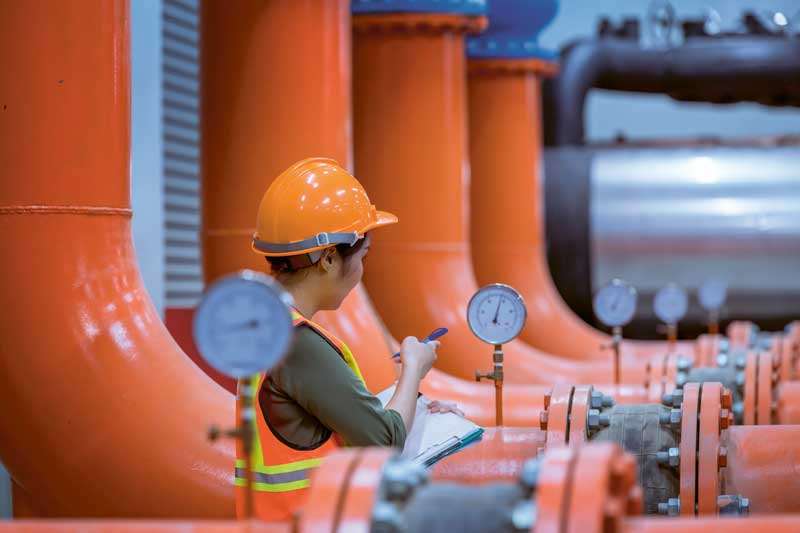
Sustainability has become a decisive factor in industrial competitiveness, shaping how companies invest, operate, and survive. For Europe’s maintenance professionals, this shift offers both a challenge and an opportunity: embracing energy-efficient, low-emission practices is now vital for long-term success.
The EU’s tightening emissions policy—especially the Emission Trading System (ETS)—means companies will soon pay more for every ton of CO₂ they emit. While the number of emission allowances is shrinking, prices are simultaneously rising sharply.
“If you don’t act now, you’ll be forced to buy expensive allowances later. It takes time to reduce emissions—it’s not something you fix overnight,” Wim Vancauwenberghe, Director at BEMAS warns, “and under the current economic conditions, energy-efficient production plants already enjoy a major competitive advantage today.”
The Challenge and the Opportunity
“Sustainability isn’t just about reporting. It’s about awareness, goal setting, and – above all – execution. And maintenance and asset management professionals are right at the centre of it,” says BEMAS’ Vancauwenberghe.
“Sustainability in asset management isn’t achieved with one big leap—it’s built through many small, consistent actions,” continues Mark Haarman, Managing Partner at Mainnovation, a consulting firm that specializes in maintenance and asset management for companies in industry, fleet, and infra.
“Actions like cleaning filters, precisely aligning and balancing rotating equipment, or upgrading drives may seem minor on their own, but collectively they make a significant impact on reducing an organization’s environmental footprint,” Haarman adds.
Introducing MORE4Sustainability
The MORE4Sustainability project funded by the European Union and initiated by the Belgian Maintenance Association (BEMAS), reveals how industrial maintenance and asset management teams can become powerful agents of change toward more sustainable and profitable European industry.
Backed by the Interreg North-West Europe program, the project aims to train professionals working in Maintenance, Overhaul, Repair and Engineering on how to adopt sustainable asset management at industrial production sites.
The MORE4Sustainability project kicked off with a study revealing that companies maintaining consistent effort over nine years are achieving up to a 30% reduction in emissions and energy consumption —a figure with both environmental and economic significance.
The Framework:Four Key Areas
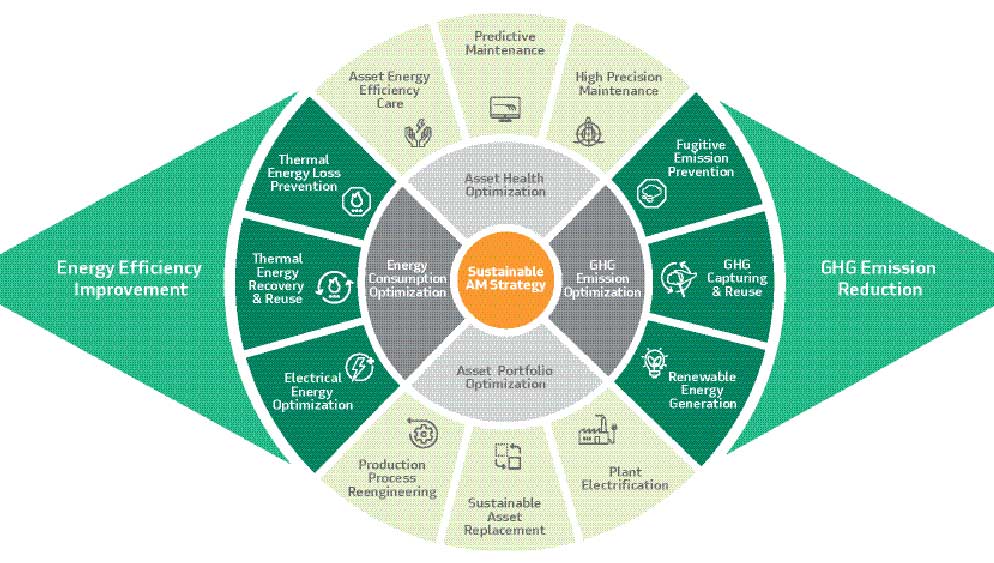
BEMAS’ Vancauwenberghe says that strategy definition is at the core of the MORE4Sustainability framework. You start with translating the company’s sustainability strategy into the asset management strategy. Then, in a specific sequence, you can focus on sustainability optimization in the following areas:
1. Asset Portfolio Optimization – Electrify systems, retire inefficient equipment, and invest in modern, low-emission assets.
2. Asset Health Optimization – Apply predictive maintenance and precision care to reduce energy use.
3. Energy Consumption Optimization – Maximize energy efficiency and minimize energy waste.
4. GHG Emission Optimization – Implementing strategies and actions focused on minimizing GHG and other pollutant emissions.
Training is the Cornerstone
The MORE4Sustainability report offers companies a much-needed practical roadmap for transformation.
“The framework is grounded in real-world success stories, modern strategies, and proven methods that help companies cut greenhouse gas emissions and boost energy efficiency—without sacrificing reliability or profitability,” Vancauwenberghe explains.
One of the project’s key outcomes is a comprehensive online training program designed for technical professionals at all levels.
The course is available in English, German, French, and Dutch, making it accessible across much of Europe.
“So far, over 500 professionals have taken part in one of the different training formats.”
“We offer introductory trainings, in-person classroom sessions, and also a full e-learning course that includes certification.”
The e-learning course is free to access, and those who complete the program and pass the final exam earn the title of Certified Sustainable Asset Management Practitioner—the first designation of its kind in Europe.
“Our goal is for participants to return to their companies as ambassadors for sustainable maintenance and implement at least one sustainability initiative.”
Policy Backing and Business Value
So, what’s the fastest way to make European industry more sustainable? With high energy prices and strict emissions targets approaching, policymakers have a key role to play. But instead of relying solely on penalties, experts are urging a shift toward positive incentives—such as ISO certification programs, subsidies, and other supportive measures.
“Yes, rising CO₂ prices will push companies to change. But we also need rewards and support: investment aid, standards, training subsidies. Especially for SMEs,” says Mainnovation’s Haarman Mark Haarman – an expert behind the MORE4Sustainability study.
Governments could, for example, use ETS revenues to fund training programs or introduce accelerated depreciation for sustainable retrofitting and electrification projects, Haarman suggests.
When asked for concrete examples of how sustainable maintenance benefits businesses, Mark Haarman points to one clear finding from the study: Companies that have been early adopters of sustainable asset management have achieved, on average, a 10% improvement in energy efficiency every three years.
What’s notable is that these gains can often be made without major capital investments—simply by optimizing maintenance practices. Predictive maintenance, for instance, does not only increase reliability and uptime, but it also eliminates excess energy consumption by faulty equipment and energy waste by idle running when a part of the production process is down.
Meanwhile, high precision maintenance practices not only extend the lifespan of rotating equipment, but also significantly impact energy efficiency. Companies that integrate sustainability into their full asset management approach—from strategic planning to renewable energy—are seeing fast payback and stronger long-term value.
“In terms of financial value, a 1% sustainability improvement can generate higher ROI than equivalent maintenance cost or uptime gains,” Haarman says.
Bridging the Gap
According to the industry experts at BEMAS and Mainnovation, the lack of a clear framework and tools has been one of the main reasons why many maintenance & asset management organizations are lagging in the sustainability transition.
“Many companies are committed to climate targets at the corporate level,” says Vancauwenberghe, “However, the connection to daily practices on the shop floor is often missing. This training helps bridge that gap.”
The MORE4Sustainability approach is applicable to both organizations already implementing sustainability and those who may not yet have a structured approach to sustainability.
“Whether you’re on the shop floor or in a strategic role, you can make a difference. Sustainability in maintenance is not just for big players—it’s accessible to SMEs too,” says Mark Haarman.
Next Step for the Industry
As companies work toward 2030 climate goals, the demand for measurable sustainability action within operations will only grow.
Training and certification in sustainable asset management may soon become a baseline expectation, driven by ESG auditors, customer procurement requirements, and tightening EU regulations.
“This project needs to spread like oil—in a positive way,” Vancauwenberghe says.
“One trained person can inspire a complete team and start implementing the best practices. The MORE4Sustainability program helps them to set ambitious but realistic goals and shows concrete examples of how to achieve them. By offering the training online for free we hope to further scale up the project’s impact.”
7 Practical Tips for Greener Maintenance
1. Clean filters regularly – even small blockages waste energy
2. Switch to LED lighting – fast ROI, lower emissions
3. Adopt predictive maintenance – less downtime, less energy loss
4. Balance & align machinery – improves energy efficiency
5. Insulate heat/cold systems – reduces energy waste
6. Install smart meters – track real-time consumption
7. Train your team – knowledge leads to impact
Text: NINA GARLO-MELKAS Photos and images: BEMAS
Subscribe to the free Maintworld newsletter here!
European Industrial Excellence in Focus: Diego Galar at the Helm of EFNMS
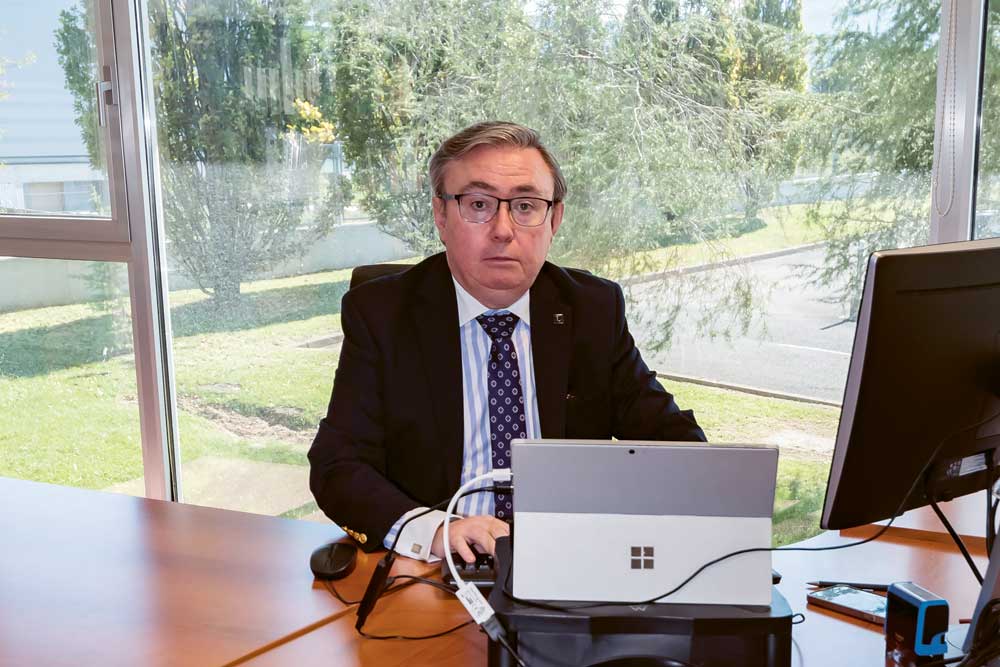
When Professor Diego Galar took over as Chair of the European Federation of National Maintenance Societies (EFNMS) in May, he inherited not only the leadership of Europe’s umbrella organisation for maintenance but also the responsibility to redefine its role in a fast-changing industrial landscape.
Based at Luleå University of Technology in Sweden, where he serves as Professor of Condition Monitoring, Galar is also Director of Technology and Research at Madrid-based industrial solutions company, Sisteplant. This dual role keeps him grounded in both academia and real-world industrial challenges.
In his new role as Chair of EFNMS, Galar is committed to advancing a progressive vision that ensures EFNMS remains a strong and influential representative of European maintenance interests both within the European Union and internationally.
As the Galar puts it:
“Our mission is not only to promote excellence in maintenance but to embed it firmly within the broader discipline of asset management—ensuring that European industry remains globally competitive, technologically advanced, and sustainably resilient.”
At its core, EFNMS exists to connect and amplify expertise: “So that we speak with one coherent European voice.” “This is critical in international forums, whether we are shaping global standards, influencing EU policy, or defining the industrial research agenda.”
Painting the Future of Industrial Maintenance
Galar anticipates that the European maintenance industry will rapidly shift from a reactive, operational task to a proactive, strategic discipline, supporting the entire value lifecycle of industrial assets.
“In this future, maintenance is defined not by breakdowns or scheduled checks, but by an ‘intelligence layer’ that keeps equipment continuously healthy and high performing. Emerging technologies are driving this shift,” Galar explains.
Artificial Intelligence (AI), advanced analytics, and predictive algorithms will play an increasingly significant role in identifying problems early, preventing failures, and enhancing planning and decision-making. Meanwhile, robotics—from drones to tracked crawlers—will increasingly operate in hazardous or inaccessible areas, transmitting real-time data to digital twins
that replicate physical assets. Combined with AI, these twins will predict maintenance needs, support repair-or-replace decisions, and optimise resources, enabling a truly condition-based, predictive approach.
While the efficiency gains from such technological developments can be significant, Galar stresses that the human factor must remain a priority. “Technology must go hand in hand with human capability,” he emphasises. “We need skilled professionals to interpret AI outputs, validate digital twin predictions, and manage robotic systems within an asset management strategy that balances risk, cost, and asset lifespan.”
The professor underscores the importance of human expertise in the face of technological progress. He warns that an overreliance on automation could lead to a loss of fundamental knowledge about how machines work. For him, the solution lies in
Industry 5.0, a phase where people remain at the center and technology supports rather than replaces them.
“In Industry 5.0, technology is a partner, not a substitute,” Galar explains. Robotics will take on tasks that are risky, physically demanding, or repetitive—such as inspecting tall structures, navigating pipelines, or performing precision work in hazardous settings—while AI analyses sensor data to predict failures earlier than before.
Galar stresses that machines can find issues, but humans make the final call. “AI might detect a gearbox problem, but it’s the engineer who must consider the bigger picture, safety, and long-term plans before deciding what to do. For EFNMS, this means putting people first: using AI and robotics to provide better tools, richer data, and safer work environments while respecting human judgment.”
“The future isn’t about replacing workers, but about raising their roles—turning technicians into system designers, supervisors into data analysts, and engineers into strategic managers. The best maintenance teams will be those that combine human insight with technological precision.”
Building the Foundations of Industry 5.0
Translating the promise of Industry 5.0 into reality requires more than technology and ambition, Galar reminds.
“It demands robust frameworks, credible research, and supportive policy to ensure AI, robotics, and digital twins are deployed safely, effectively, and with human expertise at the core.”
Galar highlights that under his leadership, EFNMS will focus on three interconnected pillars – standards, research, and policy. This, he says, will help steer the maintenance profession through this transformation.
“Standardisation is not just technical,” Galar explains. “It ensures innovations like AI-driven diagnostics or robotic inspections are implemented safely, interoperably, and in ways that maximise value across sectors.”
On the research front, EFNMS will strengthen its role as a bridge between academia and industry, ensuring research is relevant, applied, and scalable to help tackle Europe’s most urgent maintenance challenges. Current priorities include AI prognostics, hazardous-environment robotics, sustainable lifecycle management, and even metaverse-based training. “Our role is to turn academic insight into operational best practice,” Galar notes.
The professor emphasises EFNMS’s role in advocating for maintenance as a strategic enabler. The organisation continues to push for recognition of maintenance’s importance, particularly in the context of the European Green Deal, the circular economy, and competitiveness agendas.
“By the end of my term, I want EFNMS to be recognised not only as Europe’s maintenance authority but also as a global thought leader, shaping how assets are managed, maintained, and valued,” Galar says.
“This means pushing for frameworks that incentivise investment in condition-based maintenance, digitalisation, and workforce development – ensuring Europe leads rather than follows in the next industrial revolution.”
Empowering the Next Generation
With discussions about work shortages in many technical fields, including maintenance, engaging young talent is not just a strategic priority but a crucial necessity for maintaining Europe’s leadership in industrial innovation. The active involvement of young professionals is key to shaping the future of maintenance and ensuring its continued relevance in the rapidly evolving industrial landscape.
“We need clear pathways for students, graduates, and early-career engineers to connect with our network, contribute to projects, join working groups, and see the scale of opportunities available,” Galar says,
He adds that cross-border collaboration is not just essential, but also a cornerstone of EFNMS’s approach.
“Maintenance challenges—from AI-driven diagnostics to robotics in hazardous environments and sustainable lifecycle management—are global. Involving young professionals in multinational teams fosters knowledge transfer and exposes them to diverse approaches and innovations.”
Galar notes that EFNMS’s extensive network enables exchanges, mentorship programmes pairing emerging talent with seasoned experts, and participation in EU-funded research. “A young engineer in Portugal could work alongside a robotics specialist in Finland and a digital twin expert in Germany—accelerating innovation and ensuring continuity.”
Galar notes that nurturing talent is not just about technical skills, but also about building curiosity, adaptability, and systems thinking—qualities essential for integrating asset management with the potential of new technologies.
“We have to meet young professionals where they are—online, connected, and ready to collaborate in real time. And we must cultivate not just technical skills, but curiosity, adaptability, and systems thinking.”
If the EFNMS Chair Had One Message
When asked what single message he would deliver to industry leaders, policymakers, and young professionals, Galar doesn’t hesitate:
“If I had to distil my message into one call to action, it would be this: treat maintenance not as a cost to be contained, but as a strategic investment in the future of your assets, your organisation, and your people.”
To industry leaders, Galar urges placing maintenance and asset management at the heart of strategy. The era of reactive, invisible maintenance is over. Today, it is a data-rich, technology-driven, innovation-led discipline. AI, robotics, digital twins, and condition-based maintenance are no longer emerging ideas—they are operational realities that, when used strategically, deliver measurable gains in performance, safety, and sustainability. Those who embrace this shift will lead; those who ignore it will fall behind.
To policymakers, Galar calls for recognising maintenance as a key enabler of their agendas. The European Green Deal, the circular economy, and industrial decarbonisation all depend on assets operating efficiently for as long as possible, with minimal waste and maximum safety. Policies that incentivise proactive maintenance, accelerate the adoption of advanced technologies, and invest in workforce skills will not only strengthen industries but also drive Europe’s environmental and social progress, he notes.
And to young professionals, Galar’s message is one of opportunity and purpose. Maintenance and asset management offer a career path that is intellectually challenging, technologically advanced, and socially relevant.
“This is the field where you can work with robotics one day, AI algorithms the next, and sustainability strategies the day after. You will be solving real problems that keep factories running, infrastructure safe, and societies functioning.”
The future of maintenance will be integrated, autonomous, and intelligent, Galar continues.
“If we work together—industry, academia, policymakers, and professionals across borders—we will not only keep our assets in operation; we will ensure that they operate at their best, delivering value to both business and society for decades to come.”
As a regular contributor to Maintworld magazine, the EFNMS Chair also highlights the role of industrial media in driving this shift. By reporting on innovations, sharing best practices, and amplifying success stories, such media can change perceptions—moving maintenance from the background to the centre of strategic conversations on performance, sustainability, and competitiveness, Galar concludes.
Standardisation and EU Policy Influence: How EFNMS Makes a Difference
EFNMS plays a crucial role in shaping European policies on maintenance, sustainability, and industrial competitiveness. Rather than just observing, it works closely with policymakers, offering practical, trusted advice based on real-world experience in maintenance and asset management.
A significant part of EFNMS’s impact stems from its collaboration with standardisation groups, including CEN, ISO, and IEC. Here, it helps create clear rules for new technologies, such as AI, digital twins, and robotics, used in challenging environments. As EFNMS Chair Diego Galar says, “standards act as the bridge between technical innovation and regulatory acceptance.”
These standards facilitate the safe and confident adoption of new technologies across European industries.
EFNMS also engages directly with European institutions to demonstrate that effective maintenance is crucial to key initiatives such as the European Green Deal and the EU’s Industrial Strategy. They explain how smart maintenance reduces waste, digital tools improve efficiency, and robotics make work safer — all of which help Europe meet its environmental and economic goals.
EFNMS also guides the types of research that should receive funding, focusing on smart assets that can monitor themselves, advanced robotics, AI for predicting failures, designing for reuse, and cybersecurity for connected systems.
Most importantly, EFNMS supports its advice with real-world examples. As Galar says: “Real-world results speak more convincingly to policymakers than theoretical arguments, showing them that well-managed assets are not only more efficient but also more sustainable and more resilient.” By highlighting successful projects, EFNMS is proving that maintenance is vital for Europe’s future green and digital progress.
The European Federation of National Maintenance Societies (EFNMS) is the leading umbrella organisation for maintenance and asset management across Europe, representing 24 national societies. More than just a thought leader, EFNMS backs its advice with real-world success stories. As Chair, Diego Galar notes: “Real-world results speak more convincingly to policymakers than theoretical arguments.” By showcasing proven projects, EFNMS demonstrates how well-managed assets drive efficiency, sustainability, and resilience—making maintenance a cornerstone of Europe’s green and digital transformation.
Text: Nina Garlo-Melkas
Photos: Luleå University & Sisteplant
Subscribe to the free Maintworld newsletter here!
Rising Role of Smart Coatings
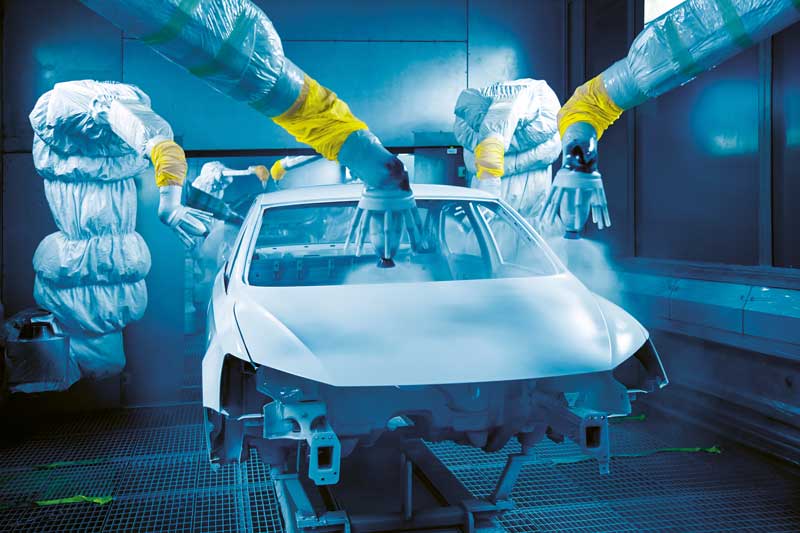
New self-healing, anticorrosive, and antimicrobial coatings can reduce maintenance costs, and their use is expected to increase in the coming years.
Smart coatings may change their structure or appearance when exposed to heat, humidity, mechanical stress or chemical changes such as corrosion. Some are even designed to react to microbial growth.
The scope of applications is broad. In 2011, researchers developed a spray-on antenna that, at a thickness of 8 microns or less, could give electronics wireless connectivity. In 2016, another group created a smart paint that reacts to the metal tip of specialized canes to help pedestrians with visual impairments navigate.
Self-Healing Capabilities
One of the most notable advantages of certain smart paints in industrial maintenance is their ability to repair themselves. In the automotive sector, self-healing clear coats have been in use for years. These coatings typically contain polymers that react to sunlight, releasing a resin that hardens quickly within the paint.
Manufacturers in other industries can also make use of similar solutions. While self-repairing paints cannot restore extensive mechanical damage, they can prevent scratches, chips and surface warping from developing into deeper structural issues. New developments have improved performance as well. A study in 2022 demonstrated a paint that was able to fully recover within just 30 seconds when exposed to heat.
Such coatings are particularly valuable for machinery operating in demanding conditions.
Color-Changing Smart Paint
Another category of smart coatings does not repair damage but reveals it more clearly. Coatings that respond to the chemical changes presented by corrosion are a common and advantageous example.
Severe rust is clearly visible to the naked eye, but this degradation is not always easy to see in its earliest stages. A rust-reacting paint can produce a more dramatic color difference, so technicians can recognize the need for repairs before structural damage occurs.
Smart paints may not offer the same in-depth analysis as an IoT maintenance sensor. They do make some amount of condition-based care possible, which leads to fewer breakdowns and avoids unnecessary repairs.
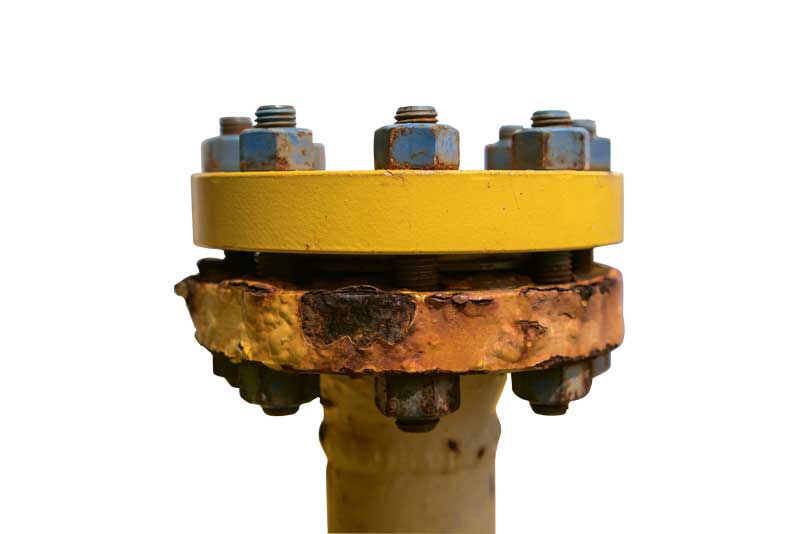
Anticorrosive and Antimicrobial Coatings
Some reactive coatings go a step further by slowing or stopping corrosion once it is detected. One example, adapted from a NASA-developed paint, releases anticorrosive agents when pH levels indicate rust.
Although it cannot completely prevent corrosion, this approach can cut maintenance costs by as much as 50 percent by limiting how far the damage spreads.
When combined with color-changing indicators, such coatings make repair work more efficient. Slowing corrosion until a technician can intervene is especially useful for smaller operators who may not always have maintenance staff available.
Antimicrobial coatings offer a comparable advantage. Using naturally antimicrobial substances such as silver strengthens the protective qualities of paint, preventing the growth or spread of bacteria, fungi or other contaminants. Semiconductor fabs and pharmaceutical production facilities will see the biggest improvements from this use case.
Electronics Protection
Many uses of smart paint act as alternatives to IoT- and AI-based maintenance, but the same technology can also complement these systems to improve their performance. Reactive coatings help safeguard sensitive electronic components, ensuring that advanced systems remain reliable.
Antimicrobial, dust-resistant and scratch-healing layers can keep sensors in good condition, preventing contamination that could interfere with measurements. By reducing these risks, smart coatings support higher data quality and consistency in IoT and AI applications such as predictive maintenance. With poor-quality data costing businesses millions each year, even small improvements in reliability can lead to major savings.
In other cases, facilities may apply smart paints to shield solar panel cells from sun damage or to react to heat in ways that boost efficiency. These adjustments can lower the long-term maintenance costs of renewable energy and help manufacturers reach their climate goals more easily.
One of the most notable advantages of certain smart paints in industrial maintenance is their ability to repair themselves.
Smart Paint Challenges
Smart coatings offer a wide range of applications in factory maintenance, but the technology is not without its limits. These paints can address only minor damage and cover a restricted set of operating concerns.
As such, smart paints can push facility maintenance investments further, but they cannot replace other innovations entirely. This may lead to high upfront costs, even if the coatings themselves are not expensive compared to IoT and AI technologies.
Many of the most disruptive smart coating applications are also in their early stages. More dramatic self-healing, damage prevention and reactive polymers have not seen extensive real-world testing, especially in their newer, more promising forms.
Smart Coatings Market
The economic potential of smart coatings is significant. Market researchers estimate that the global smart coatings industry was valued at $6.34 billion in 2024 and is expected to reach $7.9 billion in 2025, reflecting an annual growth rate of roughly 25 percent. Longer-term projections suggest that the sector could even surpass $19 billion by 2029 if current trends continue. The
Asia-Pacific region was the largest segment of the smart coatings market in 2024 and is expected to be the fastest-growing region in terms of market share.
Key drivers include demand for corrosion protection, antimicrobial properties and self-healing materials. Industries such as automotive, aerospace, construction and energy are expected to lead adoption. In northern regions, anti-icing and de-icing nanocoatings are emerging as a growing niche.
Sources: American Coatings Association (ACA), The Business Research Company, revolutionized.com
Text: Vaula Aunola Photos: Shutterstock
Subscribe to the free Maintworld newsletter here!
Industrial AI to Double Within a year
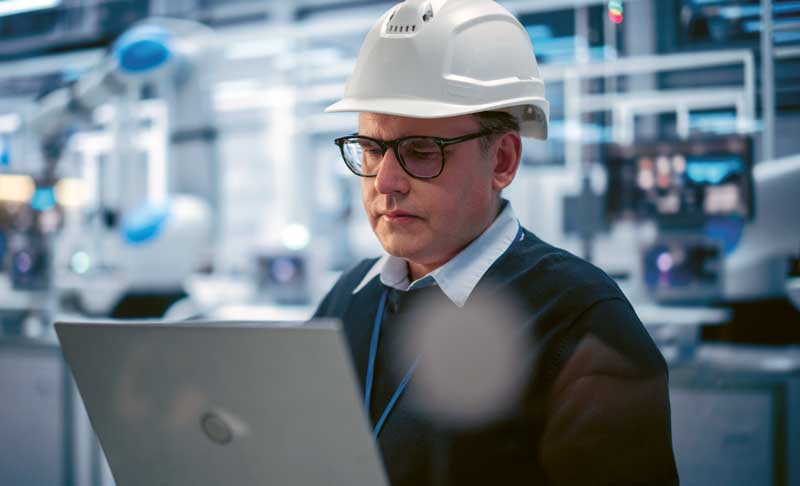
A new global survey of more than 1,700 senior executives reveals that industrial AI is advancing faster than expected.
Industrial AI is no longer a distant prospect. According to the IFS Invisible Revolution Study 2025, the use of AI in manufacturing companies is predicted to almost double in the next 12 months, from 32% today to 59%. At the same time, profitability improvements are already widespread, with 88% of organisations worldwide reporting that AI has had a positive impact on their bottom line.
“AI is a key driver of business performance. Now is the time to close the adoption gap – bringing people, processes and products together to deliver tangible results,” says Kriti Sharma, CEO of IFS Nexus Black.
For example, in the US, 90% of senior decision makers plan to increase AI investment in 2025 compared to 2024.
AI First Becomes the Norm
The shift in organizational AI maturity is even more dramatic. Today, just under one-third of businesses (32%) claim to be “AI First,” meaning AI is deeply embedded into workflows and decision-making. But within a year, nearly 60% expect to achieve this level of integration. The number of companies still “experimenting” with AI is expected to plummet from 24% to just 7%.
The research shows that companies are rapidly moving beyond pilot projects and concept testing. The proportion of organisations still “experimenting” with AI is expected to fall sharply, from 24% today to just 7% within a year.
This marks a decisive shift towards integrating AI into key functions such as asset management, supply chain optimisation and manufacturing.
“More than half of managers admit that their organisation does not yet have a coherent AI strategy.”
But the momentum also reveals vulnerabilities. More than half of executives admit that their organisations do not yet fully understand AI. This lack of clarity can undermine adoption at a time of increasing competitive pressure.
Training gaps become critical
Skills development has emerged as one of the most pressing challenges. Most managers believe that up to 60% of their workforce will need retraining to adapt to AI-enabled activities. Significantly, a third of respondents estimate that this need could apply to all employees in their organisation.
This training gap is already being felt in recruitment. Many managers describe hiring AI talent as “extremely difficult”, even in countries where the education system is seen as supporting the skills of the future. Without large-scale retraining programmes, organisations risk being left behind just as the AI revolution accelerates.
Over half of US firms (54%) offer formal training, yet 65% of US senior decision makers say their businesses still lack the knowledge to use AI to its fullest. By contrast, just 46% of respondents in Japan feel this gap exists, pointing to stronger internal confidence.
AI Gains Without Strategy
Another barrier is the lack of a strategy. More than half of managers, 53%, admit that their organisation does not yet have a coherent AI strategy.
Despite this, financial returns have exceeded expectations. Globally, 70% of respondents report better-than-expected returns on their AI initiatives, which has driven investment. This figure rises to 92% in the US and 94% in Germany.
Companies are achieving measurable benefits but do not yet have the strategies and governance models needed to sustain long-term change.
Trust remains a barrier
Over half of US organizations are already using automation AI (56%), predictive AI (54%), and agentic AI (35%), systems that can act autonomously to execute decisions. Globally, the numbers are slightly lower but still significant, demonstrating early momentum across industries.
Despite improved profitability and operational efficiency, many managers remain hesitant to hand over decision-making power to AI. Only 29% say it would be easy to let AI systems make strategic decisions on their own. A large majority – 68% – believe that human judgement is still necessary before AI-based insights can be deployed.
Concerns about bias and fairness remain acute. In the US, 63% of respondents consider bias to be a major concern, compared to only 40% in the Nordic countries. This difference shows how cultural and regional differences influence the speed and scale of AI adoption.
Global AI Oversight
That lack of trust extends to how AI is governed. While many enterprises are moving forward with implementation, the call for oversight is growing louder. 71% of US senior decision-makers, and 62% globally, believe AI needs some form of regulation.
Notably, 65% of global respondents support the creation of an international, independent body to oversee AI development and deployment, signalling that organizations are not only concerned about risk within their own walls but are calling for globally coordinated oversight as AI becomes more deeply embedded in critical systems.
However, respondents in Japan (22%), Nordics (19%), the Netherlands (16%), and Germany (13%) were the most resistant to the idea of a global independent AI organisation.
Transforming Business
AI is no longer just transforming operations; it’s redefining business models. 77% of respondents (and 85% in the US) believe servitization — the shift from selling products to delivering value through services and outcomes — will become a dominant revenue model enabled by AI.
Furthermore, 80% of senior decision-makers globally (and 90% in the US) expect AI-driven savings to be reinvested into their enterprises, fueling further innovation, growth, and expansion. Nearly three-quarters (73%) plan to pass some of these savings on to customers through improved pricing and enhanced service.
However, this customer-centric view is not universally shared, particularly in asset-heavy industries where margins are tight and competition is fierce. In these sectors, many expect efficiency gains from AI to be channelled directly into strengthening profitability rather than shared externally.
Environmental impact is also firmly on the agenda. 86% of senior decision-makers believe AI will help organizations meet sustainability goals — from energy efficiency and emissions reporting to CO₂ management.
Source: IFS Invisible Revolution Study 2025.
text: Vaula Aunola
photo: iStock
Subscribe to the free Maintworld newsletter here!
From Cost to Value: How Norway is Rethinking Maintenance
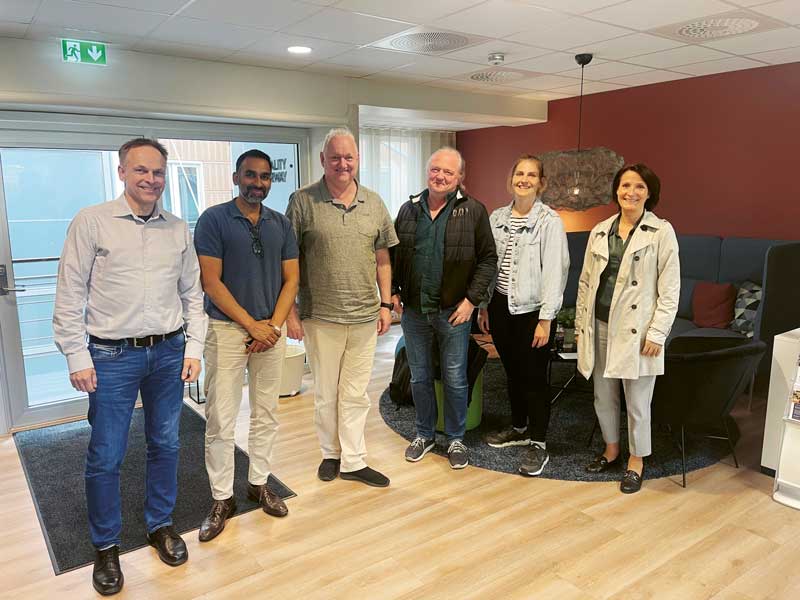
The Norwegian Maintenance Association (Norsk Förening for Vedlikehold, NFV) plays an increasingly vital role in promoting best practices, competence development, and strategic thinking across Norway’s maintenance sector. With almost 200 corporate and individual members, the association focuses on advancing the perception of maintenance as a value-generating activity, rather than a cost centre.
Board members from left to right: Jan Erik Salomonsen, MainTech AS, Fahad Rehman, Elkem ASA, Nils Martin Rugsveen, Equinor ASA, Svein Daae, AMOF-Fjell Process Technology AS, Mina Bjerke, Elkem ASA, Janecke Pemmer, PWC
Fahad Rehman, the current head of the NFV association, is also responsible for maintenance operations at Elkem, a major Norwegian industrial company. He has been on the association’s board for four years and is now serving his third year as chairman.
“The mission of our association is to help our members promote and structure maintenance in a way that shows it creates value,” Rehman explains.
“We want to help them explain to management that maintenance is not just an expense, but a strategic investment for the future.”
Activities and Services
The Norwegian Maintenance Association provides a range of services and events specifically designed to meet the needs of its members. These include quarterly online meetings that are open and accessible to all members, as well as in-person site visits and networking events that encourage peer learning and industry collaboration. In addition, the association organises a range of courses and conferences, with the flagship programme being the World Class Maintenance (WCM) certification.
Designed to be practical and accessible, the WCM programme is based on well-established European best practices in maintenance and asset management. It has recently been modernised and partially digitised to meet the needs of today’s professionals better. One of the key improvements is increased flexibility—participants can now choose to complete individual modules, such as those focused on key performance indicators (KPIs) or reliability, without having to commit to the full certification programme from the outset.
“We want our courses to be accessible. That’s why we now offer individual modules as well as full programmes,” says Rehman.
Addressing Workforce and Competency Gaps
A challenge faced across the Norwegian maintenance sector is the recruitment and development of skilled professionals. Like many countries, Norway is struggling to attract younger workers to industrial and technical roles.
“It’s not easy to find the right competence anywhere right now, including in Norway. Attracting young talent to the maintenance industry is a challenge, which is why we focus on offering practical, low-threshold courses and certifications to upskill people already in the field and make the industry more accessible,” Rehman explains.
Digitisation and predictive maintenance are seen as key to attracting younger professionals to the industry. However, Rehman notes that these technologies require a solid operational foundation to be effective—and many businesses, particularly smaller ones, are not yet fully prepared to implement them successfully.
“You need a competent organisation and well-established processes in place before you can truly capitalise on investments in predictive maintenance,” he explains.
“I have seen first-hand cases in which millions were spent on predictive systems without any return on investment. It led to even more business disruptions—systems would issue alerts, but no one knew how to interpret them. You’d stop operations, send someone to investigate, and still not understand what was wrong.”
Rehman stresses that the transition from preventive to predictive maintenance cannot be rushed. Companies must first ensure that the fundamentals—such as structured preventive maintenance routines and adequate organisational capacity—are entirely in place.
“That’s the catch. Many companies still lack the basics. Predictive maintenance sounds appealing, but without the right infrastructure and organisation, it simply won’t deliver the expected benefits.”

Strategy and Future Development
The NFV association’s strategic focus in recent years has prioritised member value. Approximately 70% of the organisation’s efforts have gone into improving and refining existing services, while the remaining 30% has supported development of new offerings, Rehman explains.
Among the new initiatives is an upcoming asset management programme, designed with the same modular approach as the World Class Maintenance programme.
“We’re also developing smaller, topic-specific courses that people can choose from, depending on their needs. That makes our training more flexible and relevant.”
The State of Maintenance in Norway
According to Rehman, key focus areas in the Norwegian industry today include safety, profitability, and environmental responsibility.
“Safety is a top priority. Many companies run their internal safety programmes. Profitability and environmental impact follow closely.”
This focus is reflected in both operational practices and strategic decision-making. Companies are increasingly expected to demonstrate how their maintenance strategies support emissions reduction, regulatory compliance, and responsible resource use. In many cases, maintenance teams are directly involved in sustainability efforts, such as energy efficiency improvements and equipment lifecycle management.
Rehman says that the association collaborates with Quality Norway, a commercial training provider jointly owned by the association and two other organisations. Quality Norway delivers tailor-made internal training programmes for companies upon request, often focusing on topics such as safety management, condition monitoring, and reliability-centred maintenance.
“Some companies have asked for assistance in developing their internal programmes, and our partnership with Quality Norway enables us to support them with customised content and delivery,” Rehman notes.
External Cooperation and Industry Trends
Rehman continues that although the association is a founding member of the European Federation of National Maintenance Societies (EFNMS), active cross-border collaboration has not been a top priority in recent years.
“We currently have limited structured cooperation with other national associations. Following the COVID-19 pandemic and the war in Ukraine, the industry has become increasingly volatile. We are focusing on strengthening our internal offerings before expanding externally.”
Post-pandemic changes have also altered how the association delivers value to its members. Online participation has increased, while physical course attendance has become more unpredictable.
“Virtual meetings are easier to join—but also easier to leave. We are adapting to that shift and rethinking how we structure our events.”
With a renewed focus on modular education, digital access, and member support, the Norwegian Maintenance Association is helping to modernise industry understanding of maintenance as a driver of long-term value.
Fahad Rehman believes that his dual role—as association head and corporate maintenance leader—creates synergies.
“It gives me insight into both the challenges and the opportunities in the industry. That knowledge helps us steer the association in a direction that benefits our members.”
Norwegian Maintenance Association – Key Facts
• Name: Norsk Förening for Vedlikehold (Norwegian Maintenance Association)
• Leader: Fahad Rehman (Head of Maintenance, Elkem)
• Members: Approx. 200 (companies and individuals)
• Services: Member meetings, courses, conferences, certifications
• Flagship programme: World Class Maintenance (with modular format)
• Commercial partner: Quality Norway (for tailored internal training)
• Website: www.qualitynorway.no
Text: NINA GARLO-MELKAS Photos: Norsk Förening for Vedlikehold
Subscribe to the free Maintworld newsletter here!
Meet the Bright Minds Shaping the Future of Maintenance
The EFNMS Thesis Award* is one of the most prestigious recognitions for emerging talent in the European maintenance and asset management community. Last year’s winners, Aleksanteri Hämäläinen and Camilla Munther, earned the honor for research that combines technical depth with real-world impact. In this Q&A, they share what sparked their work, how their findings can be applied on the ground — and where they see themselves and industry heading next.
Camilla Munther


Let’s start with your story: What’s your background, and how did you end up working on this particular research topic?
I have a background in automation and production engineering. My first real contact with industrial maintenance came about 15 years ago. During my bachelor’s degree in automation and mechatronics, I worked part time as an automation engineer installing patented technology for sootblowing. The system didn’t just change how the sootblowers operated — it also provided valuable data to the maintenance department. I remember a technician’s reaction when we showed the new interface: ‘You mean we’ll get an alarm if the steam valve doesn’t open as expected?’. Today, many of us take that kind of alarm for granted. For them, at that time, having access to real-time data on expected versus actual steam flow was revolutionary. It meant they could act proactively, preventing serious damage to expensive equipment. So, even if the main selling point for this new technology was for operational purposes, it became clear that it also could be used to increase the maintenance performance. But that required a change of their work processes.
Maintenance wasn’t a major topic during my university studies, but I ended up doing my master’s thesis on quantifying the effects of maintenance using discrete event simulation. A few years later, I got the opportunity to start a PhD at Chalmers University of Technology, working in a research group focused on production service and maintenance systems. My PhD journey was driven by a desire to understand how people, processes, and strategies must align to successfully implement new technologies and ways of working in maintenance. This led me to explore Smart Maintenance as an organisational innovation — a perspective that I believe is essential for meaningful and sustainable change.
In a nutshell, what’s your thesis about — explained as if to a maintenance professional over coffee?
My thesis is about helping maintenance organizations and all targeted employees become more skillful, consistent, and committed to working with Smart Maintenance. The key is to treat Smart Maintenance not only as a technical upgrade, but as an organisational innovation.
By viewing Smart Maintenance through the lens of innovation theory, we can better understand how to implement it. In my thesis, I use five innovation characteristics: relative advantage, compatibility, complexity, trialability, and observability. Financial calculations alone aren’t enough — there must be a true belief in the relative advantage of Smart Maintenance. Compatibility means aligning initiatives with existing values and norms, starting at a point that fits the current state of the organization.
Complexity can be reduced by breaking down change into smaller, manageable steps, which also increase the trialability that allows experimentation. Observability ensures that progress and results are visible and measurable. The maintenance manager’s task and responsibility become to lead people in change, rather than being a technical leader.
In my thesis, I propose a cyclical, six-step process that supports Smart Maintenance implementation:
1. Benchmark the organisation.
2. Set clear goals.
3. Define strategic priorities.
4. Plan key activities.
5. Elevate implementation.
6. Follow up.
Combined with the insights gained from the perspective of organizational innovation, this process can be used as a framework to guide organizations in being more skillful, consistent, and committed to Smart Maintenance.
From the lab to the shop floor: How could your findings be applied in real-world maintenance or asset management settings?
In Sweden, we benefit from strong collaboration between industry and academia, which allows research to be conducted very close to the shop floor. I’ve worked closely with several industrial companies, and the cyclical process I propose in the thesis is designed to be applicable by industrial maintenance managers. Smart Maintenance implementation will look different in every organisation, but my findings offer a framework to follow.
A handful of industry practitioners have literally read each word in my thesis. From cover to cover. As a researcher who is driven by industrial impact, that is probably one of the most awarding compliments you can get from industry. I see this as a validation that my research is relevant and applicable for real-world settings.
Research is rarely a straight road: What were the toughest hurdles you faced, and how did you overcome them?
To be honest and a bit personal: the vulnerability that comes with doing a PhD is tough — the feeling of constantly exposing your thinking and work. I became very aware of the importance of how I expressed myself (both in text and speech), always striving for clarity and quality. It’s a demanding process, both mentally and emotionally. Luckily, I was surrounded by amazing people. My supervisor and colleagues I had during the PhD studies were always encouraging and supportive. Their feedback helped me refine my ideas and continue to always try to do a bit better.
Industry 5.0 is all about people, sustainability, and resilience: Where do you see your research fitting into this bigger vision?
My research fits naturally into the Industry 5.0 vision because it emphasizes the human side of technological change. Smart Maintenance, when treated as an organizational innovation, becomes a way to empower people — not replace them. It´s about making the whole organization more skillful, consistent, and committed to Smart Maintenance. It supports resilience by helping organizations and all targeted employees adapt to change, and it contributes to sustainability by enabling more efficient and proactive use of resources.
Inspired by principles from innovation management, my work encourages maintenance leaders to foster creativity, challenge existing routines, and actively seek untapped value. It’s about building a culture of learning and exploration. This aligns with Industry 5.0’s emphasis on human-centric, sustainable, and resilient production systems.
Women in maintenance and asset management: From your perspective, how can the sector attract more women and create an environment where they can thrive?
We need to highlight female role models, offer mentorship opportunities, and foster inclusive cultures where different perspectives are valued. It’s also important to challenge outdated stereotypes and show that maintenance is a dynamic, forward-looking field where women can lead, innovate, and make a real impact. Maintenance and asset management are no longer just about fixing machines — they’re about strategy, innovation, and people. This appeal to a diverse range of professionals, including women, who bring valuable perspectives to the field.
What significance has receiving the EFNMS Thesis Award had for you personally and professionally?
Receiving the EFNMS Thesis Award was a great honor! Anyone who has done a PhD — or supported someone through one — knows the level of commitment it requires. To have that work recognized at a European level is incredibly validating. Personally, I´m full of pride and motivation. Professionally, it led to a wider network and potential collaborations. I look forward to advancing maintenance and asset management together with my new contacts!
Looking ahead: If you could choose, what would be the next big challenge for researchers and industry professionals to tackle in your field?
Rather than a single “next” challenge, I see a continuous and evolving one: integrating Smart Maintenance into broader organizational strategies. We need to move from asking “How do we implement this technology?” to “How do we evolve our organization to unlock its full potential?” That means developing new models, metrics, and mindsets that reflect maintenance’s expanding role in digitalized and human-centric production systems. Inspired by innovation management, maintenance leaders should be encouraged to explore untapped value rather than solving the problems we have today, foster cross-functional collaboration, and formulate a clear vision for how maintenance contributes to the company’s future. This shift requires time, resources, and a willingness to challenge traditional ways of thinking — but it’s essential for long-term competitiveness and sustainability. Like innovation leaders promote freedom to explore and experiment, maintenance leaders must create space for discovering untapped values — and connect maintenance to the company’s broader vision and competitiveness.
Your own next chapter: What’s next for you — more research, industry work, teaching, or something else entirely?
Right now, my focus is on being a mom of two — I’m on parental leave and enjoy this chapter of life. At the same time, I’m staying connected to the field, keeping an eye on ongoing applications for new research projects, as well as planning a conference presentation. From January 2026, I’m excited to return to research and I look forward to collaborating with other researchers in the field, as well as industry partners, aiming to continue contributing to the development of maintenance as a strategic and innovative function.
Aleksanteri Hämäläinen

Let’s start with your story: What’s your background, and how did you end up working on this research topic?
I first got into coding in high school at the Päivölä School of Mathematics, which led me to study computer science at Aalto University. I was similarly first introduced to AI and deep learning in high school, and it has fascinated me ever since. That’s why I ended up majoring in Machine Learning, Data Science and Artificial Intelligence.
As I was searching for a topic for a thesis during the last year of my master’s, I was contacted about a topic on AI and condition monitoring by a doctoral researcher I had worked with earlier on a group project. I had pretty much no experience in mechanical engineering but was promised that the topic was very interesting on the AI side of things and that the data was good. In retrospect, I very much disagree with the quality of the data, but realizations about the problems with the data have become the next interesting topic I have pursued, so it’s not like I’m complaining. As a side effect, I’ve also ended up learning quite a bit about mechanical engineering and signal analysis, which I’m certain will be useful in the future.
In a nutshell, what’s your thesis about — explained as if to a maintenance professional over coffee?
My thesis addresses the challenge of using deep learning models for condition monitoring of rotating machines, particularly when data is limited. In most cases it’s not possible to have fault data from every operating condition, such as varying rotating speeds.
Furthermore, even machines of the same model can differ because of manufacturing tolerances, installations, and usage histories. In my research, I demonstrated how few-shot learning, prototypical networks, and careful consideration of operating conditions can be used to get condition monitoring models to work well for gear fault diagnosis in scenarios not covered during the training. The findings specifically showcase good generalisation over rotating speed, which commonly varies in rotating machines, and sensor locations, which represent differences between machines.
From the lab to the shop floor: How could your findings be applied in real-world maintenance or asset management settings?
Many companies involved in condition monitoring are already using AI in some manner or are experimenting with ways to do so. My thesis offers a way to approach some of the key challenges, particularly generalisation over operating conditions and machines. Additionally, the important parts are not overly complex to implement. Instead of encouraging others to exactly replicate what I have, I hope they will integrate my findings into their own work and ideas. I’d be very glad if my research helped someone to overcome a long-standing problem in their systems or sparked an idea of “Aha, this is how I’ll get it to work!”
Research is rarely a straight road: What were the toughest hurdles you faced, and how did you overcome them?
The ever-present problem in using deep learning for condition monitoring is the lack of high quality, publicly available datasets. The current ones generally have a good selection of rotating speeds and loads, but the ones most often used in research all lack essential elements, such as long enough samples, multiple instances of the included fault types, repeated setups, or sufficient healthy data.
The results of training a deep learning model on 10 seconds of fault data and testing it on the next 10 seconds of the same run do not significantly correspond with real world performance. The aim is not to recognise one exact fault instance, but all faults of the same type. The vibrations of a test rig in a lab do not significantly change within minutes either, so the model could be based on its predictions on the vibration signatures of the installation, manufacturing errors of a component, or even background noise.
This same problem was a concern in my thesis, and ultimately it was only partially overcome. My thesis includes results where model training and testing were conducted with sensors located in different parts of the powertrain in addition to just splitting the data by time. These changes in sensor location introduce significant changes to vibration signatures, simulating changes between two different machines. I was happy with this solution for my thesis but have since then strived for even more realistic test scenarios, by using entirely separate datasets for training and testing.
Industry 5.0 is all about people, sustainability, and resilience: Where do you see your research fitting into this bigger vision?
Wind farms are a perfect example of a setting where condition monitoring is essential for numerous nearly identical rotating machines. Increasing the uptime of wind turbines and decreasing their maintenance costs could help increase their portion of energy production.
What significance has receiving the EFNMS Thesis Award had for you personally and professionally?
I’m very honored to have received the EFNMS award. It showed that there is real interest in the topic and that what I was working on was worth pursuing further. I sincerely hope my next findings will garner similar, and hopefully even greater, interest.
Looking ahead: If you could choose, what would be the next big challenge for researchers and industry professionals to tackle in your field?
I would like to see the creation of better public datasets for research. The ARotor Lab recently published the Aalto Gear Fault Dataset, which includes measurements from multiple healthy and faulty gears and repeated installations of the faulty gears. I hope other research groups will include these elements in future datasets they publish.
However, it would be even more beneficial to have a company publish a dataset containing real fleet data. I of course understand that a lot of data may not be publishable, but I’m sure there is some data that would be at its most valuable when many researchers are working on developing new methods for it. It wouldn’t even have to be highly curated, I’m sure some desperate doctoral researchers, such as I (wink wink), would quickly make a cleaned version.
Afterwards, I would like to see improvements in testing methods to better reflect real-world usage.
What is the point of publishing papers with accuracy close to 99.99% if the results are only relevant to academia?
Your own next chapter: What’s next for you — more research, industry work, teaching, or something else entirely?
I’m currently working on a PhD at the Aalto ARotor Lab focusing on the same topic as my master’s thesis, so you could say my next chapter was not very different from the previous one. As I am writing this, I am at the University of New South Wales in Australia for an exchange with a research group here, so the topic of condition monitoring has taken me to interesting places. After my PhD, I’m leaning towards industry work as the most likely next step.
As I mentioned earlier, I strongly believe that significant progress in AI based condition monitoring is best achieved with larger amounts of higher quality data, which is unfortunately limited in public research. I also enjoy working on problems where I can see more immediate real-world benefits than is common in academia. However, I am not saying that is the only option. I got into this topic by taking a chance on an interesting opportunity and that is the plan for my next step too.
*Academic Awards for Excellence in Maintenance: the Master Thesis Award (MTA) and the PhD Thesis Award (PTA) Sponsored by: Salvetti Foundation Delivered on the: EFNMS Euro Maintenance event.
Subscribe to the free Maintworld newsletter here!
Latest