
Maintenance Has Magnetism!

As the new Editor-in-Chief, I’ve spent this spring getting to know the world of maintenance. And it’s truly fascinating.
Everyday professionals ensure that operations run smoothly in production plants, on roads, railways, in ports, and shopping centres. In factories, production lines are maintained and deliver on their targets without dramatic interruptions. Roads and transport routes are functional and safe, allowing goods and people to move reliably. Homes and public spaces are refurbished and maintained to ensure they remain good places to live and operate.
Ports, rail transport, depots, and airports – the very foundations of our society – must serve their users 24/7, come calm or storm. Maintenance stands guard and keeps everything running. It is a cornerstone of supply security – often invisible, but vital for life and its ongoing pulse.
Maintenance is a critical part of industry, infrastructure, and services. The expertise of professionals in our field will become even more essential as new technologies and artificial intelligence become part of everyday life. These tools will not replace people – on the contrary, they empower us to do our work better, more efficiently, and more safely.
Today, there are unprecedented opportunities for skilled maintenance professionals. Demand for our know-how is growing, and the future looks bright.
There is work in this field – plenty of it, all around the world. Maintenance never ends: equipment, structures, and processes require constant care and development. As a field, maintenance is a major employer, offering diverse career paths for a wide range of talent.
I look forward to inspiring encounters with experts and readers in our field. Together, we can raise maintenance to the position it deserves and ensure the sector remains attractive and vibrant well into the future.
The future of maintenance is built on competence – let’s make sure, together, that the availability of skilled professionals doesn’t become a barrier to progress. Let’s invest in education in every country – education that inspires, evolves, and continues to produce highly motivated top talent for the industry!
Jari Kostiainen




Subscribe to the free Maintworld newsletter here!
NVDO: A Longstanding EFNMS Partner and Leader in Maintenance Innovation

The Dutch Maintenance Society (NVDO), a founding member of the European Federation of National Maintenance Societies (EFNMS), has been a key force in shaping the European maintenance industry for 50 years. As an active member of three EFNMS committees and the General Assembly, NVDO leads efforts that promote innovation and professional growth throughout the sector.
The Dutch maintenance market keeps growing, even with global economic challenges. It now makes up 4.1% of the country’s GDP and provides jobs for around 326,500 people—representing a 3.7% rise in 2024 from the year before, according to NVDO’s annual survey with universities and industry partners.
After slowing down in 2023, the sector bounced back in 2024, but the shortage of skilled technical workers remains a major challenge.
NVDO General Manager Ellen den Broeder notes that more than two-thirds of job openings over the past year were for technical positions, and companies are finding it increasingly difficult to attract qualified candidates.
“The tight labour market remains a major issue, especially in technical and technological roles,” den Broeder explains. “On a positive note, the proportion of women working in maintenance has risen to a record 9.9% this year—the highest level in at least eight years,” she adds.
Turnover and Talent Retention Under Pressure
According to Den Broeder, the absenteeism rate in the Dutch maintenance sector is 5.4%, closely aligned with the national average of 5.3%, reflecting stable attendance levels. Meanwhile, the NVDO Maintenance Compass report reveals a rising staff turnover rate in the sector. This is largely driven by retirements and employee dissatisfaction.
Furthermore, more professionals are leaving the maintenance field altogether, with the percentage of industry exits increasing from 28% to 39% in just one year.
“This poses challenges for the sector when it comes to training talent. With the rise of advanced technologies and the use of complex digital systems, the demand for well-trained and certified maintenance professionals is growing,” Den Broeder says.

Den Broeder emphasizes that addressing the labour shortage requires a collaborative effort “No single organization can solve this challenge alone. Public-private partnerships between government, businesses, and educational institutions are essential. NVDO is encouraged by the increasing number of such collaborations.”
Cybersecurity – a Core Priority
Den Broeder emphasizes the growing importance of training and retaining skilled professionals in the face of rapid technological change. As operational technology becomes increasingly integrated with IT systems, cybersecurity has emerged as a critical concern. Inadequate data protection can result in severe consequences, including the loss of sensitive business information, underscoring the need for proactive and robust security strategies.
She further notes that upcoming European regulations will compel companies to strengthen their cybersecurity posture. Among these is the Cyber Solidarity Act (Regulation EU 2025/38), a key legislative measure designed to bolster cybersecurity resilience across the EU. It introduces enhanced threat detection capabilities, improved coordination of incident response among member states, a unified risk management framework for EU institutions, and the creation of an Interinstitutional Cybersecurity Board to oversee implementation. The regulation will also introduce mandatory cybersecurity standards that companies must comply with.
Building a Resilient, Skilled Workforce Together
In response to these emerging challenges, NVDO is intensifying its support for the maintenance sector. The organization offers targeted training programmes, upholds certification standards, and promotes lifelong learning to ensure professionals stay current with technological advancements. In parallel, NVDO actively collaborates with industry stakeholders to raise cybersecurity awareness and develop practical frameworks to help companies protect their digital infrastructure and meet evolving regulatory requirements.
Den Broeder hopes that the EFNMS with its committees and partnerships can contribute to the common European-wide problem in the maintenance industry: “Tackling the shortage of skilled technical workers is a shared European challenge. NVDO is keen to explore European solutions that could add significant value to our members.”
Dutch maintenance society (NVDO)
• NVDO represents 326.500 maintenance professionals in the Netherlands.
• The Dutch maintenance sector has an estimated value of €30-35 billion, accounting for about 4% of the country’s GDP.
• NVDO serves as Europe’s largest maintenance platform, supporting businesses and professionals in Asset Management.
• The organization promotes knowledge transfer, advocacy, and networking to enhance maintenance efficiency.
• NVDO works closely with various stakeholders (fe: the government) to drive innovation and best practices.
Dutch Industrial Maintenance Market Set to Reach $9.97 Billion by 2032, Powered by Innovation and Steady Growth
The Netherlands’ industrial maintenance market is on a steady growth trajectory, projected to reach nearly USD 10 billion by 2032, with a compound annual growth rate of 2.7%. Despite challenges like high labour costs, the market continues to grow as companies embrace the benefits of digitization and automation.
Key trends include the rise of predictive maintenance using IoT for real-time monitoring, as well as targeted workforce upskilling initiatives to meet demand for specialized MRO (Maintenance, Repair, and Operations) services.
The Dutch government actively supports this shift through strategic policies and investments:
• Green Deal Industrial Plan: Part of the EU’s broader green strategy, it promotes clean tech and reduced carbon emissions in which NVDO contributes
• Industrial Decarbonization Scheme: A €750 million EU-backed initiative encouraging fossil-free industrial processes.
• Vision on Industry Policy:
A long-term focus on digital transformation and sustainability to boost competitiveness.
Sources: Polaris Market
Research, www.eerstekamer.nl
Text: Nina Garlo Photos: NVDO
Subscribe to the free Maintworld newsletter here!
Enhancing Predictive Maintenance at Nordic Sugar: Lessons from Nakskov’s Steam Dryer Project

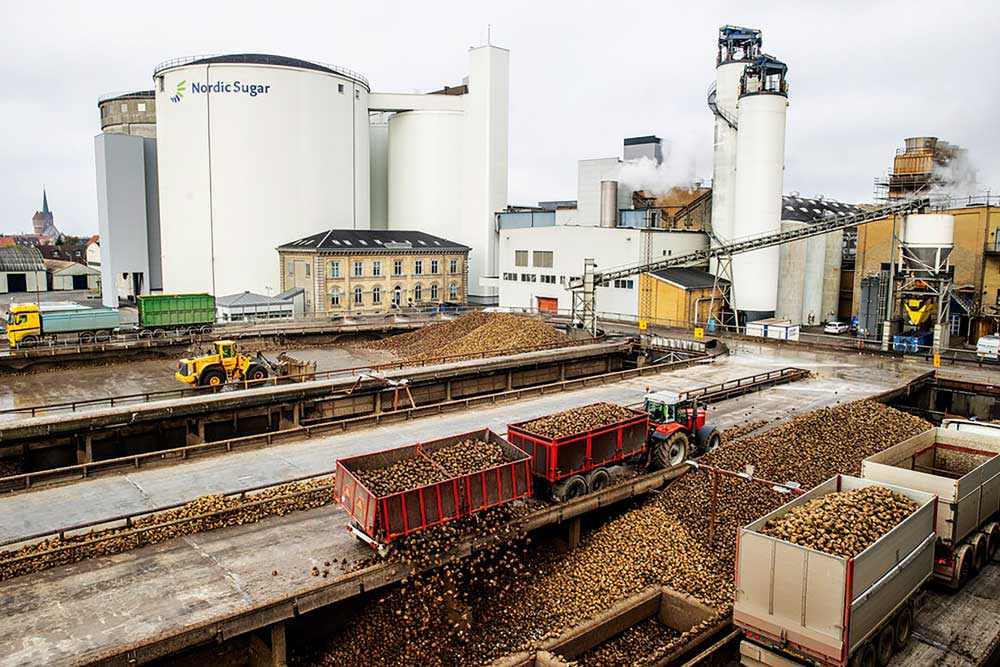
Nordzucker AG, one of Europe’s leading sugar producers, is undergoing a major digital and cultural transformation in maintenance operations across its 13 European factories—with Nordic Sugar Nakskov, member of Nordzucker Group in Denmark leading the charge.
With 4,000 employees and 16 production sites globally (including three in Australia), the company is building a unified strategy to achieve maintenance excellence—combining predictive technologies, structured planning, and mobile tools to maximize uptime and asset performance.
At the centre of this change is a smart approach toward predictive maintenance, exemplified by the work done at Nakskov around a notoriously unreliable piece of equipment: the steam dryer. Modern dryers such as the one at Naskov use hot air from primary steam to dry pulp more efficiently. They also recover and reuse secondary steam, making the process more energy-efficient and sustainable.
“Maintaining the pressure inside the dryer is crucial,” explains Head of Plant Projects at Nakskov, Anders Jørgensen-Juul. “We typically have about 2,5 to 3 bars inside, while the ambient pressure outside is much lower. Our challenge was with the outlet valve, which suffered from multiple breakdowns.”
To address this challenge, Nordic Sugar implemented a predictive maintenance system at its Nakskov plant powered by machine learning. By collecting and analyzing sensor and historical failure data, they trained a model to predict component breakdowns and estimate the remaining useful life (RUL) of parts.

According to Jørgensen-Juul, the initial results were encouraging—predictions were accurate within 13 days in the first year, enabling smarter maintenance scheduling and reducing unnecessary part replacements. Challenges arose in 2023 when needed but unplanned equipment modifications affected model accuracy, highlighting the importance of system stability and data consistency.
“Despite setbacks, the initiative has proven valuable both operationally and environmentally. Predictive maintenance has given more insight for future possibilities to extend equipment life, minimize downtime, and align with Nordzucker’s sustainability goals,” continues Jørgensen-Juul. Going forward, the company plans to cautiously expand machine learning use for high-impact components.
From Reactive to Predictive: Why the Steam Dryer Was the Perfect Test Case
“The steam dryer in Nakskov had a very unpredictable failure pattern, disturbing our seasonal production cycles,” explains Jørgensen-Juul.
“Existing diagnostic tools were not accurate enough, and this made it the perfect case to test predictive maintenance driven by machine learning.”
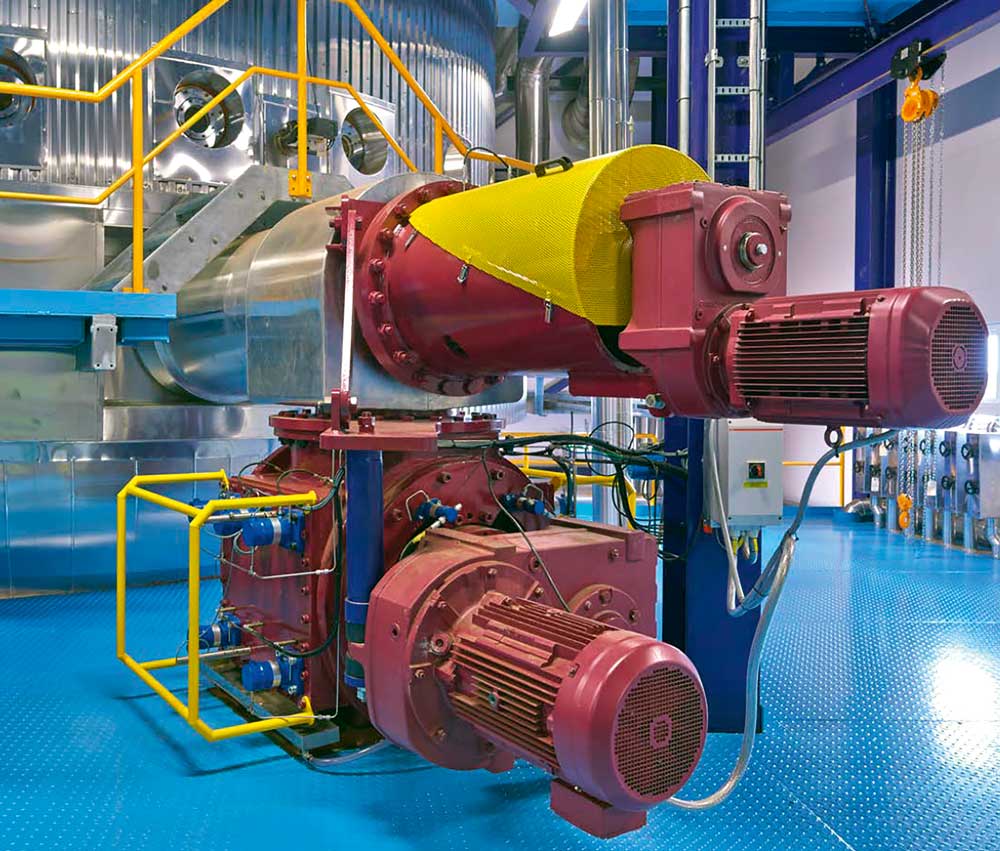
The plant’s challenge was clear: break free from unplanned shutdowns and leverage data to predict failures before they occur. However, integrating machine learning into their distributed control system (DCS) and existing sensor infrastructure revealed a key insight early on.
“We assumed we had ‘big data’ from years of collection, but in reality, very little of it was usable. This forced us to shift our mindset from ‘more data’ to ‘right data.’ Now, we’re strict about what we collect and why.”
Building the Business Case: Scheduling, RUL, and Seasonal Strategy
For a seasonal industry where sugar beet campaigns only run for four months per year, timing is everything, notes Jørgensen-Juul. The goal of predictive maintenance wasn’t just to avoid unexpected breakdowns—it was to optimize inspections and bundle repairs during the narrow maintenance windows during campaigns.
“Being able to estimate Remaining Useful Lifetime (RUL) is incredibly valuable to us. If we can trust a machine learning model to give an accurate RUL, we might skip unnecessary inspections altogether between seasons.”
While early machine learning trials showed promising direction, they also highlighted the complexity of modelling failure. After reaching a prediction accuracy of ±13 days over a 120-day period—short of their ±5-day goal—the hydraulic system was rebuilt, rendering the previous training data obsolete.
“We’re now back to collecting data for three more production periods before relaunching the model.”
Operator-Driven Maintenance and Mobile Digitalization
“Predictive analytics is only one part of the bigger picture,” Jørgensen-Juul says. “Nordic Sugar has restructured its entire maintenance framework.”
He adds that the company has restructured its entire approach, starting with the implementation of a unified SAP-based digital maintenance system. All 13 European factories now use SAP PM for work orders and failure tracking, which supports critical metrics like mean time between failures (MTBF) and helps prioritize tasks effectively.
Since 2022, every maintenance employee has been equipped with a smartphone running the Mobile Work Order (MWO) system by 2BM Software. This digital tool allows staff to report faults using images and receive real-time updates, improving responsiveness and clarity.
“Scheduled maintenance has also become more efficient, with around 60% of planned work now automated via SAP. This shift reduces reliance on manual memory and coordination, while also ensuring compliance with legal inspection requirements,” highlights Jørgensen-Juul.
According to Jørgensen-Juul, a notable innovation is the pilot program in Nakskov focused on operator-driven maintenance. Here, technicians who operate the equipment during production are also responsible for its upkeep. This dual role enhances their understanding of operational conditions and leads to faster, higher-quality maintenance outcomes.
To further streamline efforts, Nordic Sugar has introduced a criticality classification system for all assets. Equipment is ranked A, B, or C based on its business impact, allowing teams to allocate time and resources where they matter most, and deprioritize less critical assets.
Underlying these technical changes is a cultural transformation led by strong leadership: “Reaching 60–70% maintenance efficiency is possible with relatively little effort. But 90%?
That takes leadership, attention to detail, and a shift in workplace culture,” Jørgensen-Juul emphasizes.
Maintenance managers must clearly communicate why predictive tools are being adopted and what value they bring.
“Clear communication from leaders about the reasons for adopting predictive tools—and their value—is crucial,” he stresses.
Furthermore, maintenance staff must be trained to interpret predictive data accurately. Skilled technicians play a key role in defining true equipment failure, providing the essential feedback needed to refine and train predictive models effectively.
Scaling Up—and Knowing When Not To
Interestingly, Nakskov remains the only site currently applying machine learning to RUL estimation. The reason? “The business case only makes sense for equipment with unpredictable failures, short mean time between failures, and where low-cost methods don’t suffice.”
Machine learning projects are currently limited in number due to resource constraints and the parallel push for green transformation. “We’re prioritizing cases in process optimization for now, which are more straightforward. But we believe predictive maintenance will scale across the industry as tools mature.”
For companies just starting their predictive maintenance journey, Jørgensen-Juul’s message is clear:
“Start small. Choose equipment that’s critical, already monitored, and breaks down 2–3 times per year. If you can nearly solve the issue without AI, you’ll better understand how complex data preparation really is. Don’t overreach early—build confidence first.”
Over the next five years, Jørgensen-Juul sees a split trajectory in the sugar industry: some companies will try to scale too fast and fail, while others will build step by step from early successes. The company hopes to play an active role in knowledge sharing.
“In the end, all companies benefit when we share what works. Predictive maintenance can’t be scaled alone—it takes community, leadership, and practical wisdom.”
Text Nina Garlo Photos: Nordic Sugar
FAST FACTS – NORDIC SUGARS MAINTENANCE TRANSFORMATION
• 13 European factories + 3 in Australia
• Full SAP PM integration across Europe
• Mobile maintenance with MWO since 2022
• Criticality classification of all assets (A-B-C)
• 60% of scheduled maintenance now automated
• Pilot site for predictive maintenance: Nakskov, Denmark.
Subscribe to the free Maintworld newsletter here!
From Healthcare to Industrial Care: Kemira’s Revolutionary Approach to Asset Management

Just as modern healthcare has shifted from treating illnesses to preventing them, Kemira is revolutionizing industrial maintenance by treating its rotating assets like a population of patients. The secret? Treating equipment failure is not as inevitable, but as entirely preventable.
Through an innovative partnership with Asensiot Oy, the global chemical company has developed a groundbreaking preventive approach that’s already delivered a sevenfold return on investment across ten production sites.
“In safety, every accident is preventable. Yet, when it comes to rotating assets, we still accept failures as inevitable. Why are we willing to tolerate risks that we know can be eliminated? OEE (Overall Equipment Efficiency) can track performance but misses hidden risks, so we needed new metrics in risk assessment,” begins Carl Bristow, Director of Safety & Manufacturing Excellence at Kemira Oyj, a global chemical company.
Kemira operates over 60 production facilities worldwide, but previously lacked a comprehensive, real-time overview of the true condition of its rotating equipment, an essential requirement for enabling a new, more sustainable maintenance strategy.
Traditional condition monitoring practices focus mainly on critical assets, leaving the overall picture of asset health incomplete.
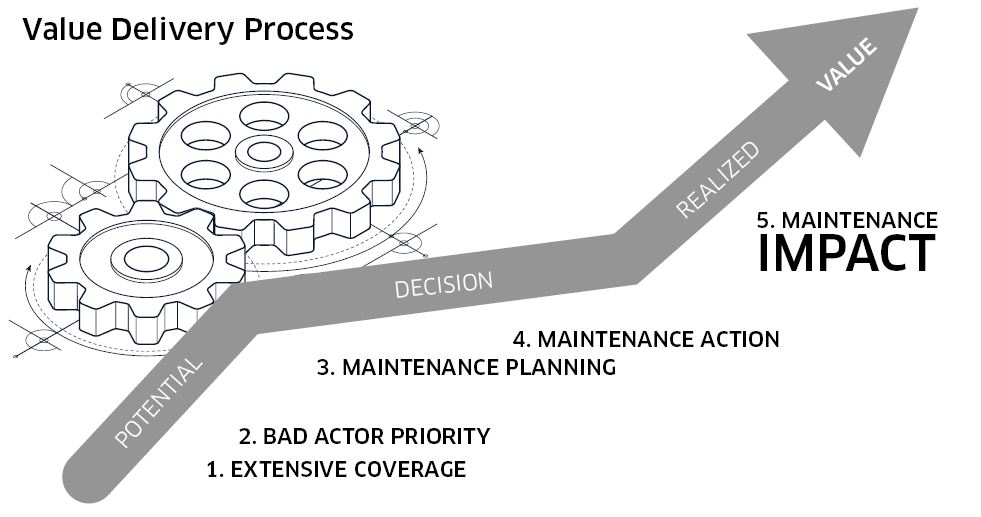
To improve data-driven management, Kemira launched a collaboration project with Asensiot Oy, a Finnish Value-as-a-Service company, in 2021. The goal was to create a new, scalable operating model that would support Kemira’s sustainable maintenance goals, motivate field personnel, and allow for easy and rapid implementation from one plant to another. This approach aimed to quickly identify concrete cases to achieve Kemira’s strategic objectives.
“Just as healthcare focuses on proactive care for large populations, we decided to bring the same large-scale preventive approach to Kemira’s rotating assets. Yet, in industry, the focus is often on scheduling repairs, even though much of the risk of unplanned failures can be minimized by taking proactive actions to address fault progression at an early stage,” says Aki Karuveha, CEO of Asensiot Oy, a MyAsensiot Condition Screening® company.
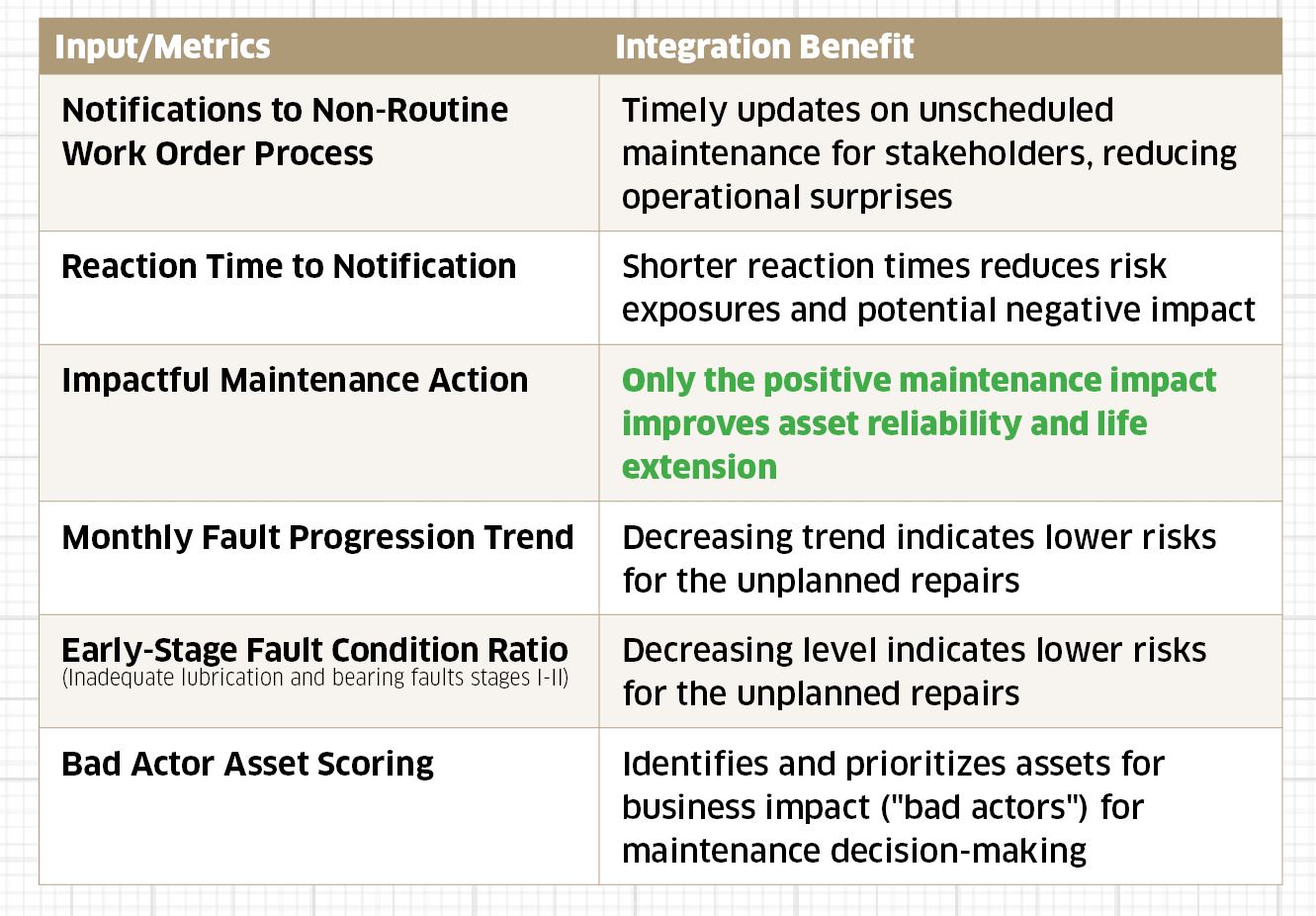
By partnering with Asensiot, Kemira developed a new collaboration model with key metrics that provide proactive, actionable information on rotating assets in a structured format, integrated directly into Kemira’s SAP/HANA system. This enables early detection of potential issues, supports optimized maintenance planning, and reduces the number of corrective interventions required over the long term. It also streamlines maintenance actions, ensuring resources are focused on assets that truly need attention-minimizing unnecessary work and supporting the company’s sustainability and operational excellence goals.
From Vision to Reality: A Scalable Solution
“At first, we wanted to understand what kind of data we should collect and how this could be done efficiently, using available measurement technologies and without requiring special skills at our sites,” says Bristow.
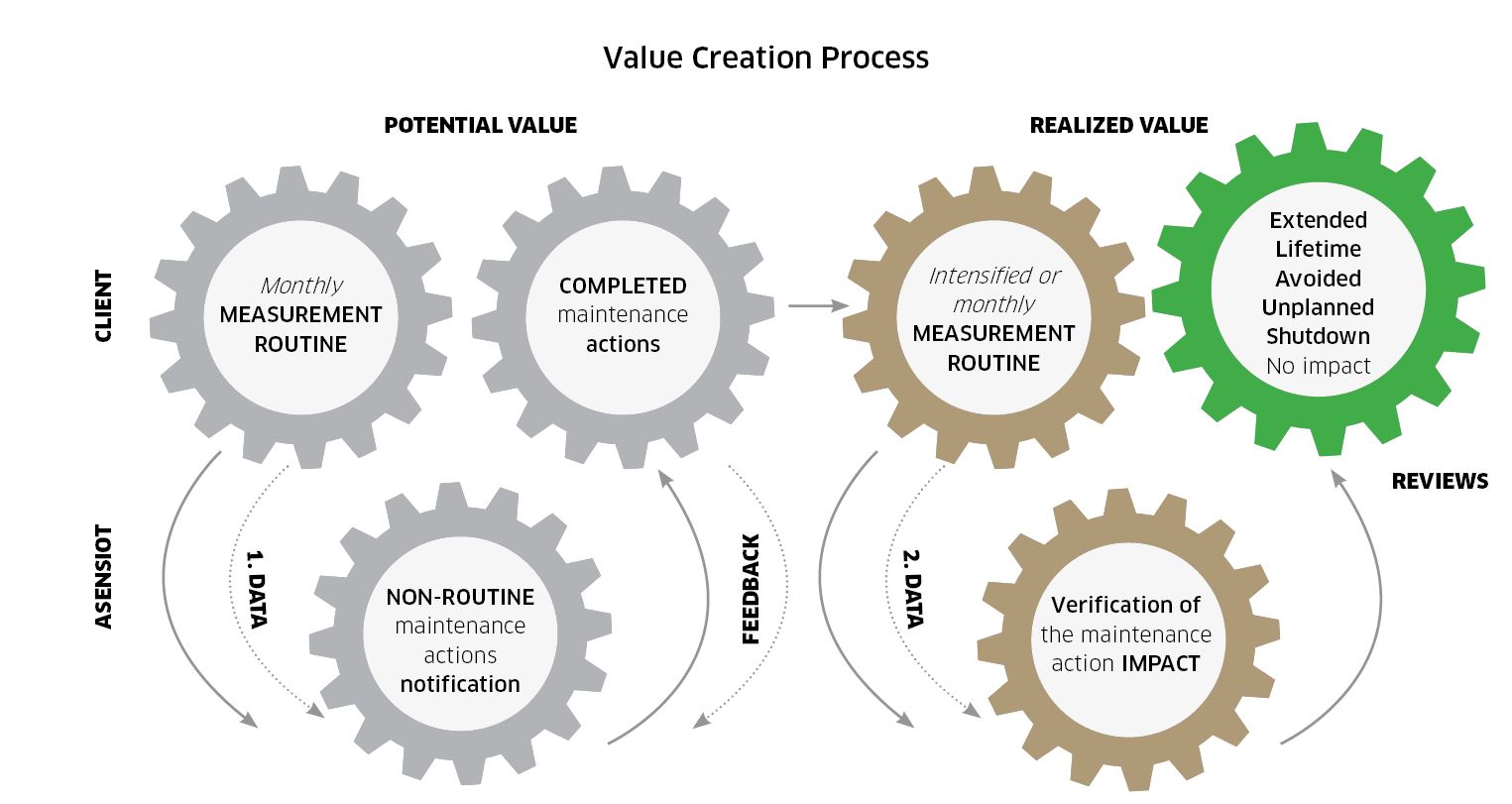
At one of Kemira’s plants, a range of measurement technology tests revealed that wireless technology did not provide a cost-effective solution for achieving a comprehensive overview of asset condition at scale. On the initiative of Kemira’s field personnel, a pilot was launched using an operating model where relevant data is collected quickly and easily with a route collector during existing monthly inspection rounds. RFID technology ensures that data is always measured for the correct asset and later enabled field observations and asset-specific information to be accessed via mobile devices.
“We want our field personnel at production sites to be engaged in the process. Regular route routines and field observations support the development of our safety culture. So monthly measurement routine is much more than only focusing on data,” adds Bristow.
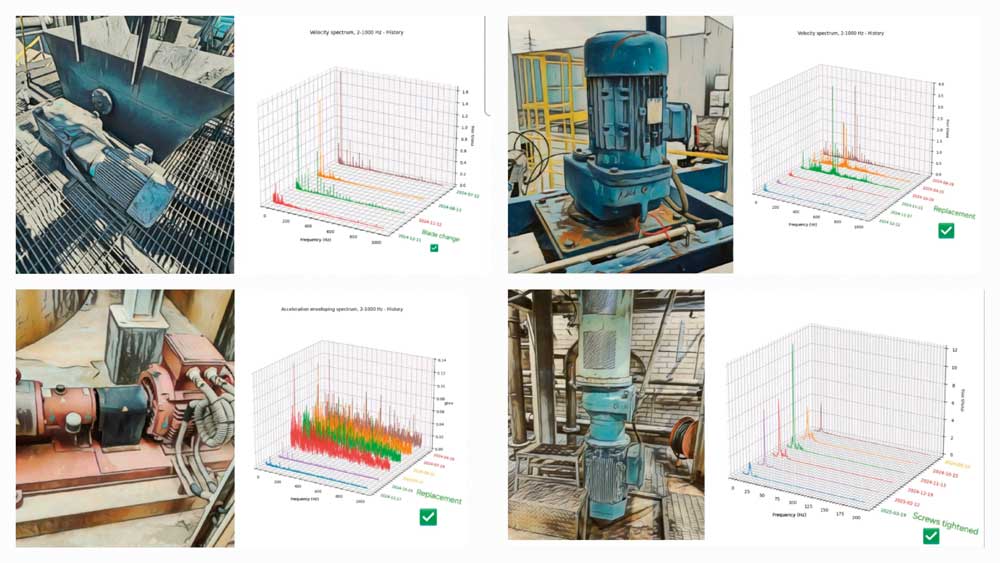
The ability of in-house personnel to conduct measurements provides exceptional flexibility, especially for monitoring batch processes, and enables rapid response when a change in asset performance is suspected. Additionally, quickly verifying asset condition after maintenance helps prevent failures that could arise from potential installation or assembly errors.
At Kemira’s production sites, comprehensive measurements are routinely performed once a month and more frequently if needed with the collected data uploaded to the supplier’s cloud service. The volume of transferred data is optimized, ensuring that only essential, standardized raw signals are sent for processing by artificial intelligence algorithms to pinpoint focus areas.
“We need actionable information integrated into our work order process, not just alarms. It was clear to us that technology alone would not support our sustainable maintenance goals,” highlights Carl Bristow.
Insights into Impact
In Kemira’s new condition screening operating model, only essential action-guiding, standardized non-routine notifications are generated for SAP/HANA, thanks to a scalable AI-algorithm-based screening and expert validation process. This allows Kemira to focus solely on what matters, maintenance actions that truly make an impact.
At the core of this new approach are the people in the field and supporting their daily work. User motivation stems from information that makes their work easier-most importantly, by identifying concrete cases where users can see the direct link between actionable guidance and real impact. Without impact, there is no value.
Following a successful pilot, the new operating model was rolled out to 10 production sites in different countries during 2023 (Wave 1). The deployment of monthly monitoring was straightforward and required no prior site-specific information. For a two-person team, the total fieldwork amounted to just around 14 days. In 2024, Kemira implemented the system at 16 additional production sites (Wave 2).
“Sustainable reliability is not just monitoring critical assets or avoiding unplanned shutdowns by scheduling repairs; its true impact at scale lies in extending asset lifetime and avoiding unnecessary maintenance actions to reduce overall risk of unplanned repairs,” explains Aki Karuveha.
Kemira’s Wave 1 Statistics
• Wave 1: 10 Sites (Results from November 2023 Onward)
• Deployment Time: 14 Days On-Site / 2 Persons
• Measured: 779 Individual Assets
• Extended Asset Lifetime: 14 Realized Cases
• Avoided Unplanned Shutdowns: 45 Realized Cases
• Estimated Costs Avoided: €2,264,000 (~7x ROI)
The Numbers Speak
“Kemira has achieved multiple benefits by adopting a sustainable reliability approach to rotating assets, including increased equipment uptime, reduced maintenance costs, decreased manpower requirements, improved energy efficiency, and a smaller ecological footprint,” summarizes Carl Bristow.
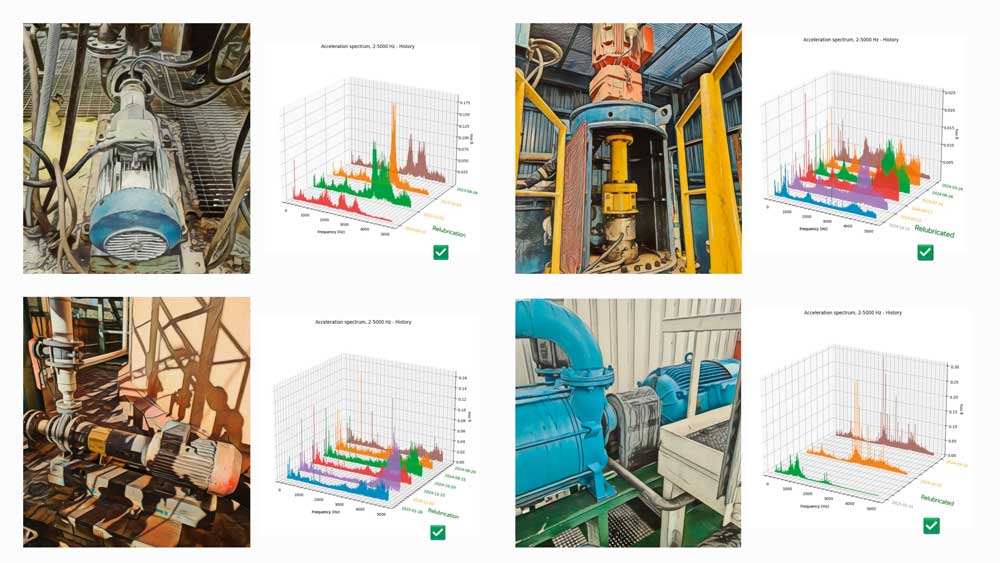
Condition screening provides a comprehensive monthly overview of the health of rotating assets, delivering an extensive situational picture that seamlessly integrates with Kemira’s Asset Performance Management (APM) in SAP/HANA. Without a realistic picture of asset health, APM becomes ineffective, leading to poor decision-making, missed optimization opportunities, increased risks, and fragmented processes. Accurate asset health data is essential for APM to improve reliability, reduce costs, and enhance efficiency.
Kemira is continuously improving communication by linking SAP/HANA with the supplier, enabling tracking of maintenance actions and their impact on resolving flagged issues, and supporting efficient, active collaboration between Kemira and Asensiot.
Text: Mia Heiskanen, Aki Karuveha Images: Asensiot Ltd.
Summary
Kemira’s proactive, data-driven approach to rotating asset risk assessment is delivering tangible benefits across its global operations. By focusing on early detection, actionable insights, and scalable processes, Kemira is setting a new benchmark for sustainable reliability and maintenance excellence in the process industry.
Subscribe to the free Maintworld newsletter here!
The Future of Rail Freight: the Rise of the Internet of Things and Digitalisation

Rail freight transport is undergoing a major transformation, driven by significant investments in the digitalisation of operations.
– The global rail telematics market is driven by the growing demand for efficient, safe, and cost-effective transportation systems.
The expansion is driven by the advancement of digitalization and integration of IoT technologies with an emphasis on real-time data analytics for predictive maintenance, says Adhish Luitel, Principal Analyst, ABI Research.
While Europe has made significant progress in the deployment of IoT, North America is still underdeveloped. According to ABI Research the region has a Total Addressable Market (TAM) of almost 2 million railcars, which offers significant opportunities for IoT-based solutions.
The role of IoT in railways
IoT technologies are transforming freight rail operations by integrating sensors, AI-based analytics, and cloud computing into everyday logistics. Smart train cars equipped with GPS, vibration sensors and automated reporting mechanisms can now send real-time data to operational control centres.
This connection allows operators to monitor location, freight condition and potential maintenance problems, ensuring maximum efficiency and safety throughout the transport process.
Predictive maintenance
Predictive maintenance is one of the most revolutionary aspects of IoT in rail freight. By analysing data collected in real-time from train wagons and infrastructure, AI algorithms can predict failures before they happen.
This reduces downtime, prevents costly disruptions, and improves safety by ensuring that potential mechanical problems are resolved proactively.
Replacing many manual tasks
Traditionally, machine vision and sensor-based inspection equipment, often installed at railway crossings, has been at the forefront of improving operational visibility.
Rail brake inspections are also a critical but time-consuming task. These inspections ensure that the air brake system is functioning correctly throughout the train, which can be more than a mile long. Manual checks require extensive coordination between train crews and control centres, which can cause delays and inefficiencies.
IoT technologies offer a solution by providing real-time data and predictive analytics, ultimately improving safety, reducing downtime, and improving compliance.
Challenges of integration
The deployment of IoT on freight railways faces a number of challenges. In North America, for example, the adoption of IoT-based visibility solutions has been slow compared to Europe, largely due to the extensive infrastructure and the different regulatory environments in different states and countries. In addition, integrating legacy rail systems into modern IoT frameworks requires significant investments in hardware, software, and training.
Security is another growing concern. As more and more train cars are connected, cybersecurity risks will increase, making it important for operators to put in place robust security measures. Strong encryption, real-time threat monitoring and compliance with industry security standards are essential for the successful digital transformation of the industry.
“AI algorithms can predict failures before they happen.”
“The deployment of IoT on freight railways faces a number of challenges.”
Trilogical Technologies: telematics solutions for long freight trains
As freight demand increases, rail operators are moving to longer trains, particularly in North America. Around half of freight trains are now over 1.65 km long, and this growth is continuing.
Trilogical Technologies presented its own technology at InnoTrans 2024. The company has developed the Long-Train Intelligence System (LTIS® ) to manage the complexity of longer trains by integrating real-time control systems that improve safety and efficiency. Key features of the system include:
Continuous Train Integrity: monitors wagon placement from start to finish and ensures train integrity during transport.
Driver Advisory System: provides drivers with status updates and alerts to prevent operational delays.
Condition monitoring: Uses sensors to detect anomalies and reacts quickly to avoid disruptions.
Condition monitoring and predictive maintenance: Supports predictive maintenance strategies that is estimated to reduce costs.
Hitachi Rail, Connected Places Catapult Announce AI Rail Maintenance Tech
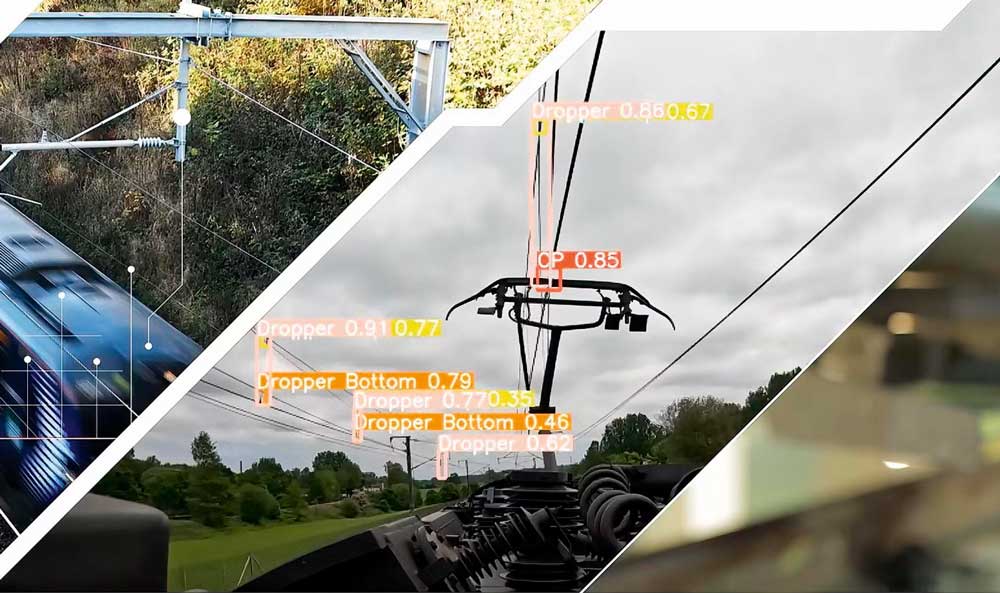
In 2021, Connected Places Catapult (CPC) initiated a technical collaboration that brought together Hitachi Rail, LNER, and Network Rail. The collaboration led to a successful six-month trial on the East Coast Main Line, testing Hitachi’s technology.
The digital overhead line monitoring technology, which Hitachi unveiled at the latest InnoTrans in Berlin, promises to boost punctuality for passengers and improve safety for trackside engineers.
CPC played a pivotal role in supporting the partnership, focusing on understanding user needs and fostering new collaborative working models, thus navigating the challenging “valley of death” in technology innovation.
The project involved mounting cameras on trains to monitor overhead lines in real-time, with machine learning algorithms identifying potential faults to inform maintenance needs.
– The UK’s railway ecosystem has an important part to play in the development of this technology, which is now available to infrastructure operators worldwide, said Hitachi Rail IM and Digital Services Manager Ben Earle.
Following the trial, Hitachi Rail has refined the product, integrating it into its HMAX digital asset monitoring platform.
HMAX, Hitachi Rail’s digital asset management suite, enhances the management of railways by seamlessly integrating operational data from across railway assets and infrastructure into a single platform, optimising the utilisation of railway systems and associated resources. In addition to providing live time monitoring, the system enables the virtual simulation of the physical environment, accelerating the evolution of railway systems.
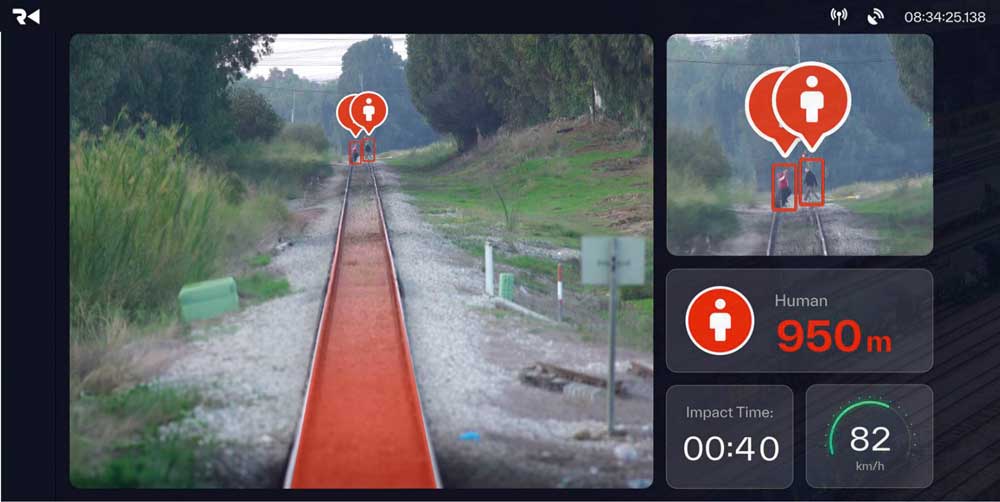
Rail Vision: AI-powered Object Detection for Rail Safety
Subscribe to the free Maintworld newsletter here!
Industrial Robotics: Trends Defining the Next Generation
Industrial robotics is experiencing a transformative shift, driven by rapid advancements in artificial intelligence (AI), machine learning, and automation technologies. No longer confined to repetitive assembly tasks, robots have become central to the future of manufacturing, logistics, healthcare, and industrial maintenance. As companies demand greater efficiency, precision, and adaptability, robotics is evolving from a supportive tool to a strategic asset.
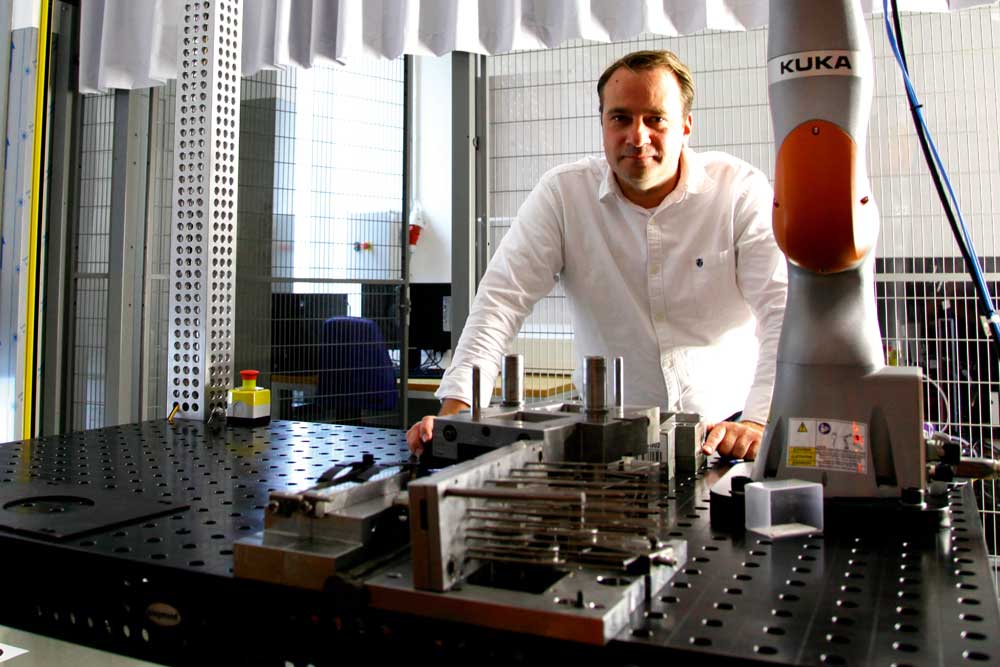
To better understand these changes, Maintworld spoke with Christian Schlette, Professor at the Mærsk Mc-Kinney Møller Institute (MMMI) Head of the University of Southern Denmark’s Center for Large Structure Production (LSP) and co-founder of the Danish Academic Society of Robotics (DACAS-Rob). According to Schlette, a trend in industrial robotics is the integration of AI, which allows machines to make autonomous decisions, learn from their environments, and optimize performance in real time.
“AI is increasingly enabling robots to handle dynamic environments and more complex tasks that go beyond hard-coded programming,” Schlette explains.
Among other innovations, collaborative robots—or cobots—have gained ground for their ability to safely operate alongside human workers, enhancing both productivity and workplace safety. Autonomous mobile robots (AMRs) are also reshaping logistics and warehousing, while soft robotics is opening doors to automation in fields that require delicate, adaptive handling—such as food processing and healthcare.
Robotics in Industrial Maintenance
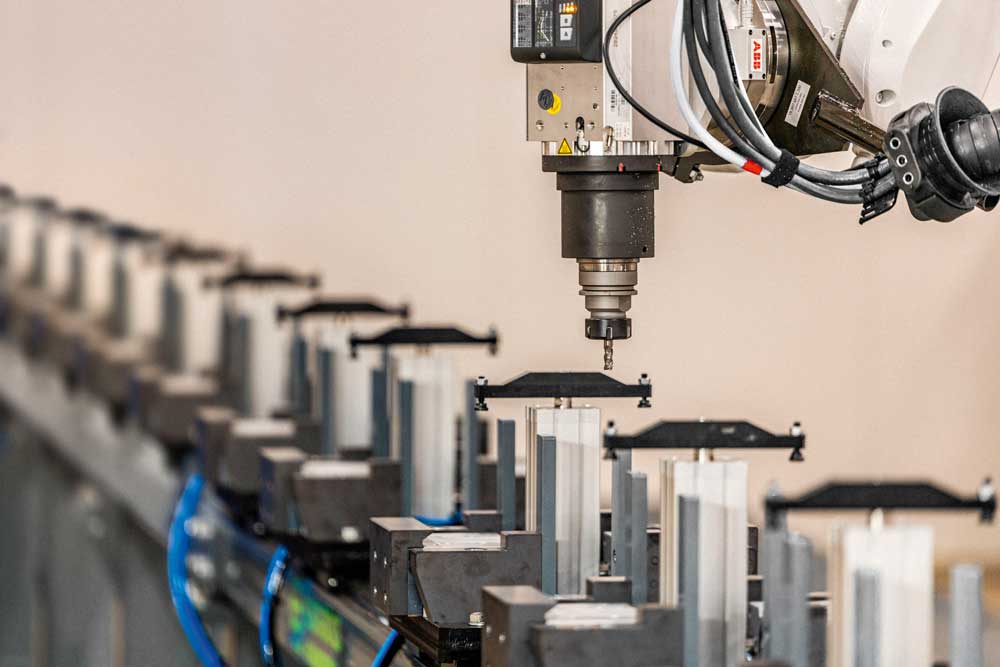
In maintenance, robotics is ushering in a new era of predictive diagnostics. Robots equipped with sensors and powered by AI can now identify and address problems before they cause downtime. This shift from reactive to proactive maintenance reduces costs and improves operational efficiency. Robots are also being deployed in hazardous environments, performing inspections or repairs that would be dangerous for human workers.
Leading Industries in Adoption
Industries such as automotive, electronics, healthcare, and logistics are leading the charge in adopting robotics. In automotive manufacturing, robots improve speed and precision on the production line. Electronics companies use robotics to handle micro-components with accuracy. In healthcare, surgical robots and diagnostic systems are transforming patient care. Warehouses are relying on robots to streamline everything from inventory tracking to order fulfillment.
The Role of AI and Machine Learning
AI and machine learning are at the core of this robotics revolution. These technologies enable predictive analytics for maintenance, enhance visual recognition systems for quality control, and allow robots to make decisions on the fly. This autonomy is making robots smarter, more efficient, and more adaptable to real-world challenges.
Cobots: Redefining Human-Robot Collaboration
Cobots are changing how humans and machines interact in the workplace. They are designed to assist rather than replace, taking over repetitive or physically demanding tasks while allowing human workers to focus on more complex activities. Because cobots are relatively affordable and easy to implement, they are especially valuable for small and medium-sized enterprises (SMEs) looking to embrace automation without major infrastructure changes.
Addressing Labour Shortages and Skills Gaps
The growing use of robotics is helping industries deal with persistent labour shortages. By automating routine jobs, businesses can operate efficiently with fewer workers. At the same time, AI-powered training tools are helping employees develop new skills and transition into roles that support or manage automated systems.
Challenges in Integration
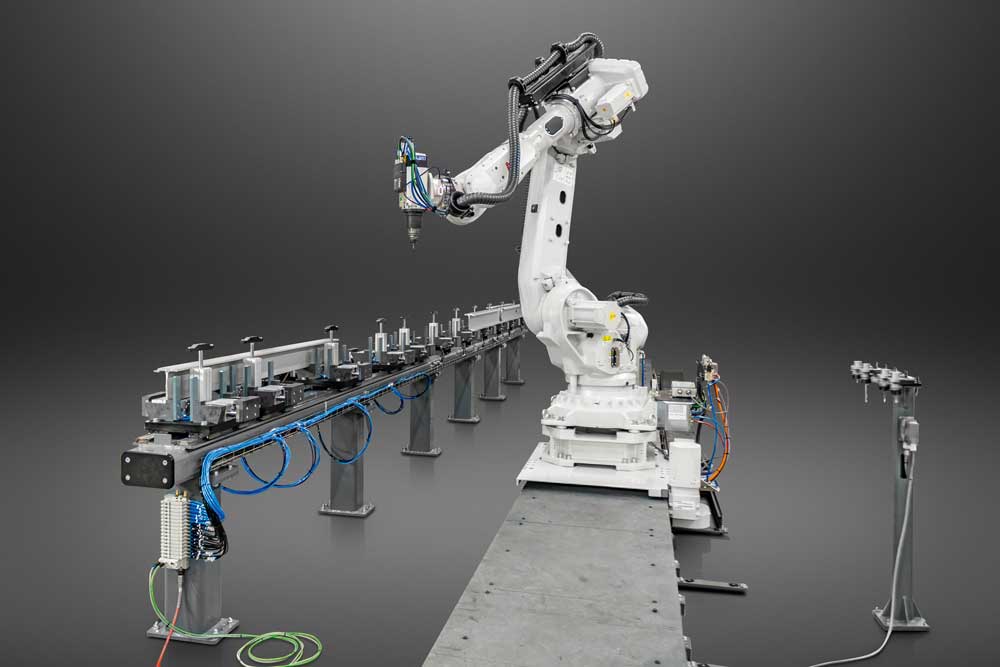
Despite their promise, robotics systems can be challenging to integrate into existing operations. High upfront costs, compatibility issues with older equipment, and the need for workforce reskilling are common hurdles. However, many companies are overcoming these obstacles through strategic planning, modular solutions, and service-based models such as Robotics-as-a-Service (RaaS), which reduces financial risk by converting capital expenses into operational ones.
Supporting Sustainability Goals
Robotics is also contributing to more sustainable industrial practices. Intelligent automation can optimize energy use, reduce material waste, and enhance recycling efficiency. Robots can be programmed to perform tasks with precision and consistency, leading to fewer errors and less scrap, especially in high-precision industries.
Text: Nina Garlo Photos: Jusmatics Oy, the Danish Academic Society of Robotics (DACASRob)
How DACAS-Rob is Shaping the Future of Robotics in Denmark

At the forefront of robotics research and collaboration, the Danish Academic Society of Robotics (DACAS-Rob) connects universities and industry to drive innovation in robotics. Through joint research, educational initiatives, and applied projects, DACAS-Rob supports Denmark’s position as a key player in European robotics.
The society shares insights through webinars, video discussions, and its official YouTube channel, which highlights the latest in Danish robotics research and academic contributions. A dedicated webinar series also showcases leading-edge developments from across the country. https://dacas-rob.org/
Subscribe to the free Maintworld newsletter here!
The Digital Twin Paradox: Data Can Remember – But Physics Knows

The concept of the digital twin has matured. What began as a passive mirror of physical systems has evolved into a strategic, intelligent asset, capable of sensemaking, foresight, and context-driven adaptation. This article explores how digital twins have advanced through successive generations, why physics-based modelling is now essential, and how hybrid approaches like Physics-Informed Neural Networks offer the key to navigating unpredictable, high-risk scenarios—the so-called Black Swan events.
Evolution of the Digital Twin: From Data to Understanding
Digital Twin 1.0 emerged from the world of operational technology (OT), characterized by real-time data acquisition and system visualization. These early twins mirrored reality without interpretation. They offered data, but not meaning; measurements, but not insights. Their role was reactive, not proactive. In a way, Digital Twin 1.0 was like a digital photograph—faithful, detailed, and ultimately flat. There was no depth, no sense of consequence, no capacity to engage with time. The twin showed what was, but had nothing to say about what could be.
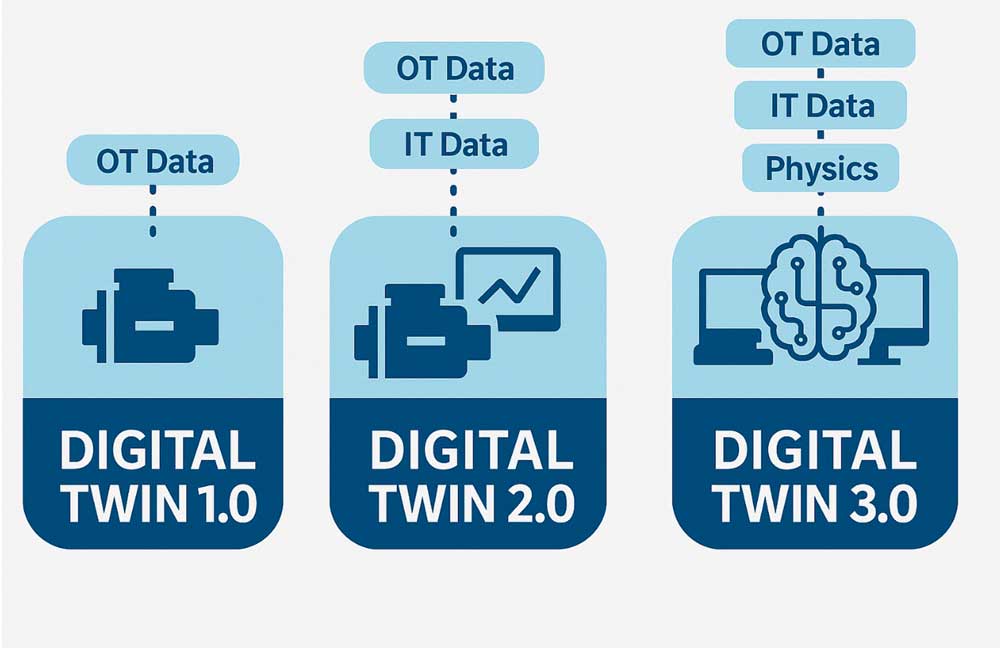
Digital Twin 2.0 integrated IT and OT systems, expanding the scope to include enterprise data, ontologies, and structured coordination. It allowed visibility across operational and managerial layers, allowing stakeholders to ask, “What can I see and manage in my data?” While it improved situational awareness, it still lacked the ability to predict outcomes or guide actions. It was more like an instrument panel than a mirror—a dashboard that contextualized what had happened, but remained tethered to retrospective logic.
Then came Digital Twin 3.0, and with it, a deeper awareness of limitations. This phase highlighted a growing tension between data science and the reality of industrial systems when operations and maintenance professionals encountered the limitations of purely statistical or black-box machine learning models. Algorithms might detect patterns, but they could not explain them. A prediction without understanding is like a prophecy—possibly correct, but fundamentally unusable.
In this phase, digital twins began to resemble the portrait of Dorian Gray: an image evolving in parallel with the physical object, revealing degradation and change, but leaving us uncertain as to what was driving the transformation. Beyond reflection or replication, we needed reasoning. There was a clear need for digital twins to become trustworthy decision aids—not just dashboards or mirrors. That need laid the groundwork for a new wave of hybrid approaches, in which machine learning was enhanced with physics-based understanding. This shift was not only technical, but also cultural: engineers demanded interpretability, transparency, and causal reasoning, arguing, “Without physics, we guess. With physics, we project.”
Data Aren’t Enough
The limitations of purely data-driven methods in industrial contexts are well-documented. Traditional machine learning often fails to generalize to unseen conditions or rare events. It performs well when past patterns are stable, frequent, and well-represented. But the real world rarely behaves so cooperatively. In many cases, these models are trained on narrow slices of history—bounded, biased, and blind to what lies outside them.
When datasets are noisy, incomplete, or suffer from selection bias, models become fragile. Perhaps most critically, they produce results that are difficult for domain experts to interpret. This lack of transparency isn’t merely inconvenient—it can be dangerous. In safety-critical environments like energy, transportation, or manufacturing, trust is not optional. If the model can’t explain itself, engineers won’t act on it.
As systems grow more complex and interdependent, organizations are confronted with a paradox: they have more data than ever before, yet are increasingly unable to convert those data into meaningful decisions. Retrospective analytics focus on past correlations and cannot account for emergent behaviours, cascading faults, or nonlinear dynamics. They can tell us what happened, but not why—or what’s about to happen next.
Even advanced deep learning architectures, powerful as they may be, remain prisoners of their data. They extrapolate patterns; they do not infer causality. They can classify failures but rarely understand failure mechanisms. As a result, they fall short in helping us manage uncertainty, assess risk, or build resilient systems.

Black Swan Events and Limits of Prediction
Black Swan events—rare, high-impact failures that escape conventional forecasting—pose one of the greatest challenges to modern predictive systems. These events may be triggered by subtle system degradation, unexpected interactions between components, or sudden environmental changes. What makes them especially dangerous is their invisibility in historical datasets: they lie outside the statistical envelope of what has previously occurred.
The core issue is that traditional machine learning is retrospective. It learns only from what it has seen. If a critical failure mode has never been captured in data or has occurred so infrequently that it leaves no meaningful statistical signature, the system remains blind to it. This is the paradox of the Black Swan: the more catastrophic the event, the less likely it is to be represented in our records. Absence of data becomes a dangerous illusion of safety.
In complex, tightly coupled industrial systems, this blind spot is a systemic risk. These systems often operate across wide ranges of physical conditions and are subject to wear, aging, and environmental variation. Over time, they can drift into failure modes that were never present in commissioning or early operation. Machine learning, dependent on narrow training distributions, cannot extrapolate meaningfully into these outlier states.
To address this, we must introduce the laws of physics as a structural layer in our predictive architecture. Physics doesn’t require observation to assert truth—it governs even in the absence of data. By incorporating physical principles such as conservation laws, thermodynamics, structural dynamics, or fluid mechanics into our models, we can give them a broader frame of reference. These principles can become a scaffolding for uncertainty, constraining predictions to remain plausible even when data are incomplete, noisy, or unprecedented.
The integration of physics is not just about increasing accuracy; it is also about building resilience into the logic of prediction. With physical knowledge embedded into them, systems can run simulations of hypothetical conditions, stress-test critical functions, and explore how anomalies might evolve—long before those paths are evident in sensor data.
By moving beyond statistical mimicry and embedding an understanding of how systems behave, we can start to detect the early tremors of Black Swan events. Only then can predictive systems evolve from pattern matchers into risk sentinels.
Articulating Physics through Synthetic Data and Simulation
In the industrial world, the scarcity of failure data isn’t just an inconvenience—it’s a fundamental obstacle. Critical failures, while rare and undesirable, are exactly the scenarios predictive models need to understand. But when they do happen, the conditions leading up to them are often chaotic, undocumented, or too hazardous to safely replicate. This creates a structural blind spot: the moments we most need to predict are the ones we least understand.
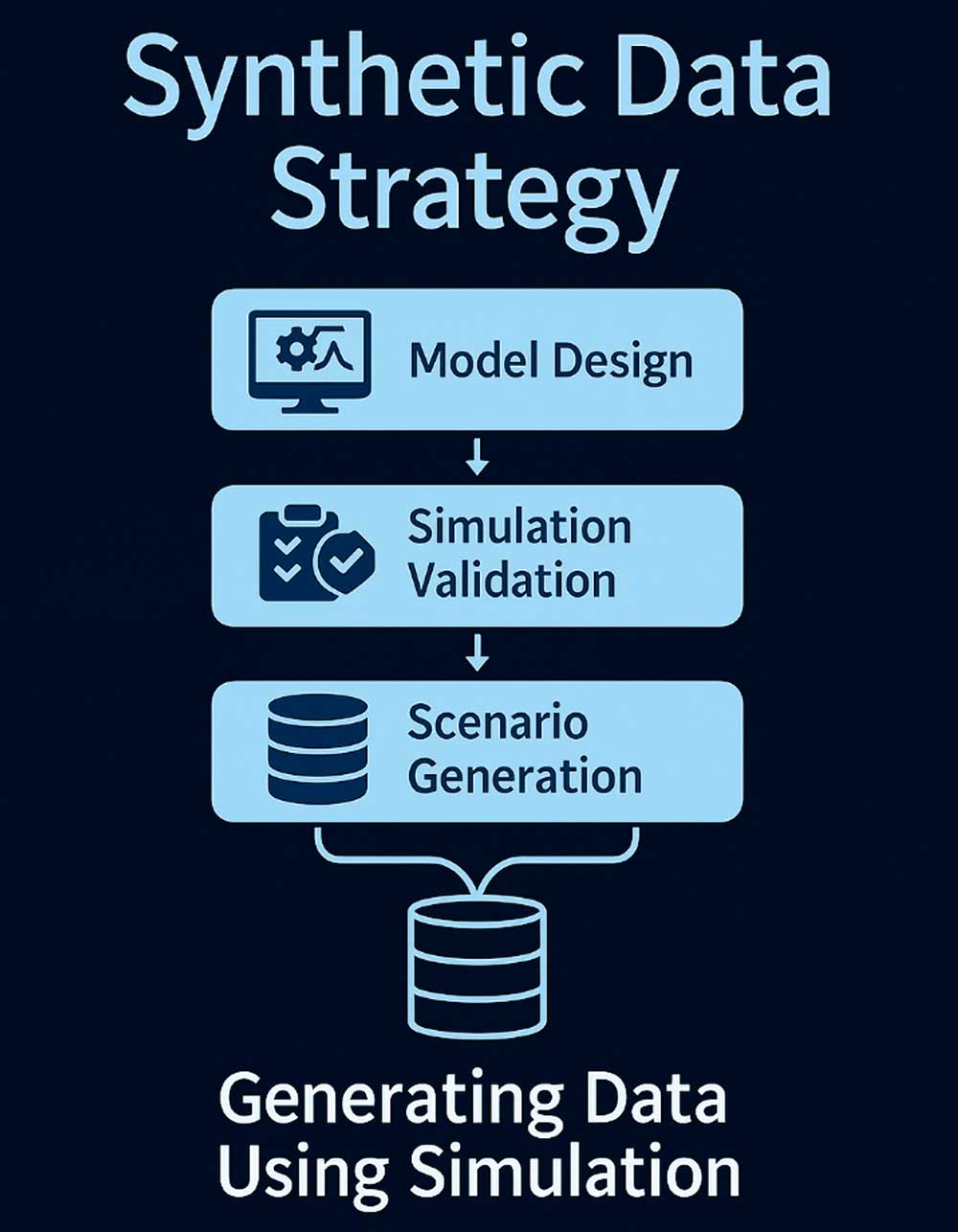
To overcome this, industries are turning to virtual prototyping and physics-based simulation as a new foundation for intelligent modelling. Platforms like Modelica, finite element modelling (FEM), and multi-body simulations allow engineers to recreate both normal and failure-prone behaviours of systems in controlled digital environments. These simulations are not only safe—they are hyper-configurable, enabling us to observe how a component responds under stress, fatigue, corrosion, overload, or even misuse.
The result is a new class of training data: synthetic, scenario-rich, and physically grounded. We can simulate how a rolling bearing degrades under variable loads, how thermal stresses propagate in a turbine, or how a gearbox responds to lubrication loss. Every simulation becomes an experiment—an opportunity to generate labelled datasets that fill the gaps in historical operation.
Techniques such as fault injection, stress testing, and parametric sweeping create data far beyond the reach of real-world experimentation. Because these simulations are based on first-principle physics, the resulting data both reflect possible system behaviours and reinforce the laws governing them.
Physics-Informed Neural Networks: From Data to Understanding
Synthetic data provide a plethora of rich behavioural patterns, but it’s the learning method that determines how much value we can extract from them. Traditional neural networks, even when trained on large datasets, remain limited by their lack of interpretability and adherence to physical constraints.
Physics-Informed Neural Networks (PINNs) revolutionize how machine learning models interact with knowledge. Unlike standard networks that learn correlations from data alone, PINNs encode known physical laws, such as partial differential equations, conservation of mass and energy, or thermodynamic boundaries, into the model’s structure. These equations shape the loss functions, enforce behavioural constraints, and inject meaning into every parameter.
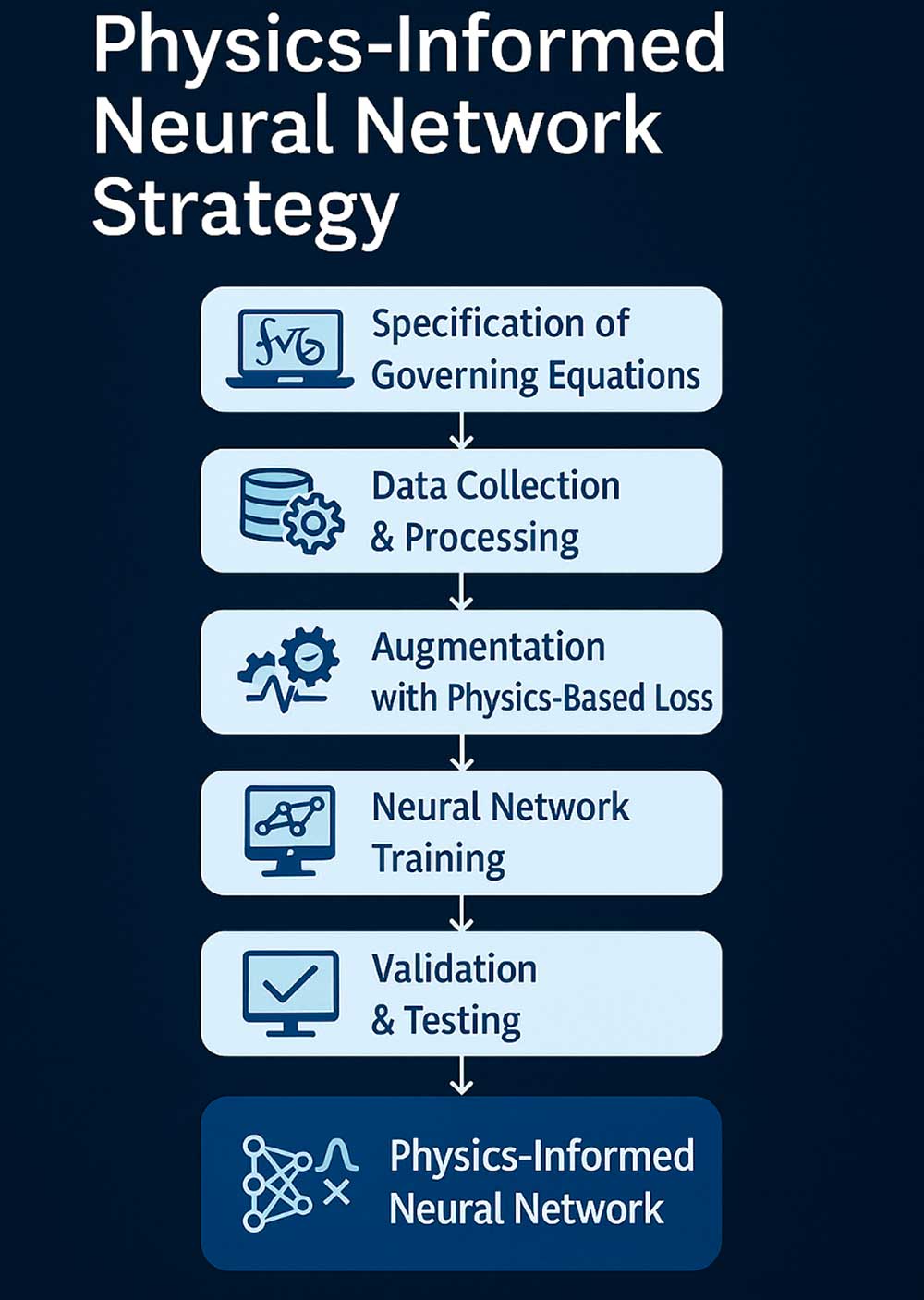
This fusion creates models that are not only data-aware but also physics-consistent. PINNs can infer system behaviour in unmeasured conditions, extrapolate to unseen scenarios, and remain faithful to the physical truths engineers depend on. This makes them particularly valuable in data-scarce domains, where historical measurements are insufficient or unreliable.
In the context of digital twins, PINNs act as intelligent intermediaries between simulation and reality. They use synthetic data not just to train, but also to refine and validate system models in real time. Their predictions come with physical justifications, enabling engineers to see the twin not as a black box, but as a knowledgeable collaborator.
PINNs enable faster simulations, more accurate anomaly detection, and predictive capabilities that are both interpretable and grounded. They allow us to pose “what-if” questions, simulate failure paths, and anticipate how systems might evolve, not only statistically, but also structurally. For instance, a PINN model trained on turbine dynamics can predict the onset of blade fatigue long before vibration sensors detect anomalies.
Ultimately, PINNs elevate digital twins from descriptive to prescriptive intelligence. They do not just signal change—they explain it. They do not just see risk—they understand it. And in doing so, they lay the groundwork for a new generation of industrial decision-making, one that fuses data science with engineering judgment in practical and profound ways.
Conclusion: From Echoes to Insight
The evolution of digital twins is not just technological—it is conceptual. Instead of acting as mirrors of the physical world, twins are becoming intelligent agents that combine data, physics, and simulation into decision-ready insight.
Hybrid approaches, especially those using PINNs, represent the frontier of this transformation. They allow us to embed knowledge into our machines, not just feed them numbers. They empower us to detect the swan song of an asset before silence falls.
Most importantly, they offer a path to true contextual intelligence, turning overwhelming complexity into meaningful, actionable understanding. As Europe pushes for digital sovereignty and resilient infrastructure, the time to embed explainable, physics-informed intelligence into our systems is now.

Text: Diego Galar
Photos: iStock, SHUTTERSTOCK Images: Diego Galar
Subscribe to the free Maintworld newsletter here!
Rapid Growth in the Global Industry 5.0 Market

The increasing usage of advanced automation technology and artificial intelligence is a primary driver of this sector’s growth.
According to Verified Market Research, the revenue of the Industry 5.0 market will exceed 64.79 billion USD in 2024 and is projected to reach approximately 76.7 billion USD by 2032. The market will grow at a CAGR of 3.5% from 2025 to 2032.
Strong Manufacturing Base Drives Europe’s Market
Many innovative industries exist in Europe, particularly in the automotive, aerospace, and machinery sectors, which have long been at the forefront of technical innovation.
According to the European Commission’s 2023 Industrial Policy Report, manufacturing contributes 20% of Europe’s overall GDP, with over €2.1 trillion in yearly production value.
The European Union’s Digital Economy and Society Index (DESI) predicts that 68% of EU manufacturing enterprises have integrated sophisticated digital technology, with Industry 5.0 usage reaching 45% in 2023.
According to the German Federal Ministry for Economic Affairs, industries that implemented Industry 5.0 technology increased productivity by 34% and improved resource efficiency by 52%.
Eurostat figures show that European manufacturers will invest €98 billion in Industry 5.0 technologies in 2023, with 73% of large industrial businesses already using human-centric automation and sustainable manufacturing methods.
Fastest Growth in the Asia-Pacific Region
Asia-Pacific is the fastest-growing region in the Industry 5.0 market. Countries such as China, Japan, and India are adopting sophisticated manufacturing technologies to boost productivity and remain competitive on a global scale, thanks to increasing industrialization and a strong focus on automation, AI, and IoT.
Japan’s Ministry of Economy, Trade and Industry (METI) reported an 85% rise in manufacturing facilities utilizing Industry 5.0 technology in 2023, with investments topping ¥2.5 trillion.
According to the South Korean Ministry of Trade, Industry, and Energy, 62% of its smart factories have integrated human-machine collaborative systems, increasing productivity by 45%.
According to data from China’s Ministry of Industry and Information Technology (MIIT), manufacturers who adopted Industry 5.0 technology saved 56% on operational expenses while improving product quality by 38%.
Singapore’s Economic Development Board states that 70% of its industrial sector has adopted advanced automation and AI technologies, with Industry 5.0 investments increasing at a 28% annual pace.
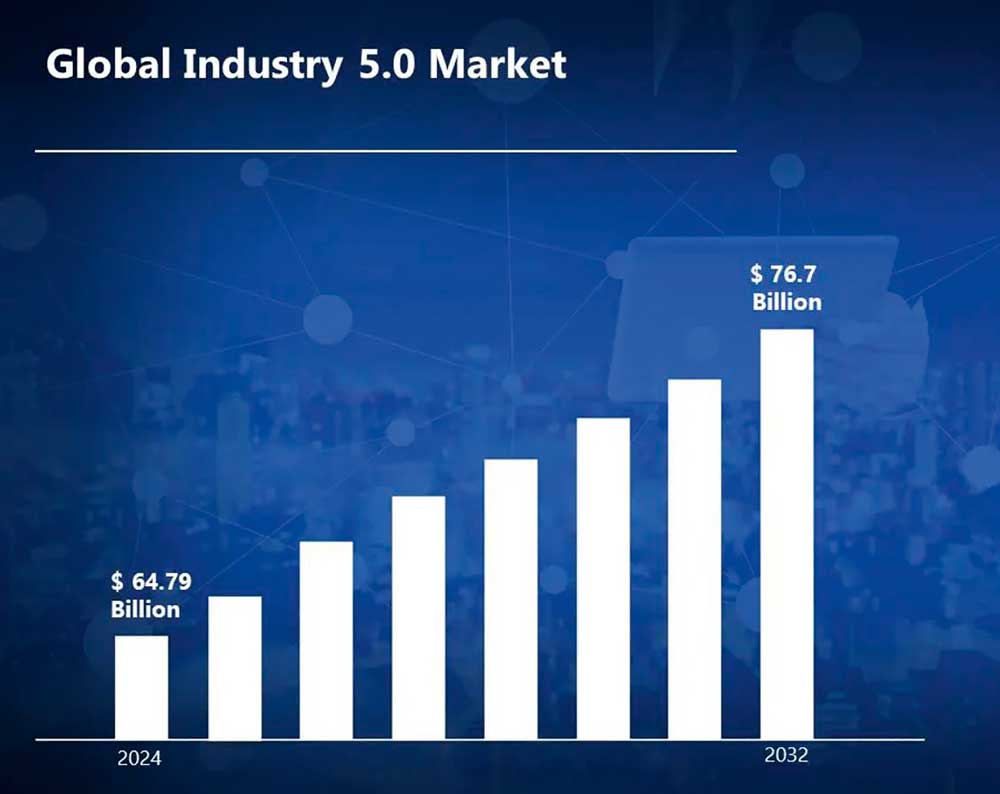
The Global Industry 5.0 Market will grow at a CAGR of 3.5% from 2025 to 2032. Source: Verified Market Research
AI in the Manufacturing segment
As manufacturing evolves, there is a major emphasis on automation to increase productivity, eliminate human error, and cut costs. AI plays an important part in this by allowing robots to learn from data, adapt to changing conditions, and optimize production in real-time. Manufacturers may use AI to automate difficult activities, foresee maintenance needs, and improve quality control, thereby increasing operational efficiency and agility.
The demand for AI-driven manufacturing solutions is projected to skyrocket as businesses realize the benefits of adopting modern technologies into their operations.
Meeting Sustainability Requirements
Companies are under increasing pressure to meet stricter environmental requirements and minimize their carbon footprint, making the inclusion of sustainable practices and green technologies into production processes even more important. Developing smart factories and innovative manufacturing procedures that optimize resource consumption while minimizing waste is consistent with these goals, pushing additional investment.
New Technologies Enhancing Safety
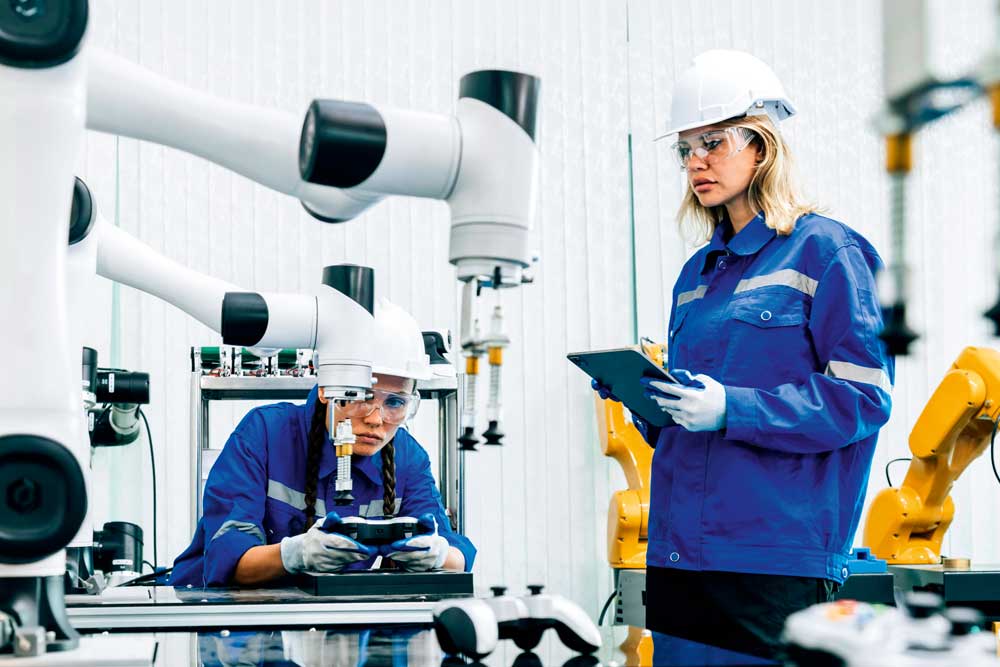
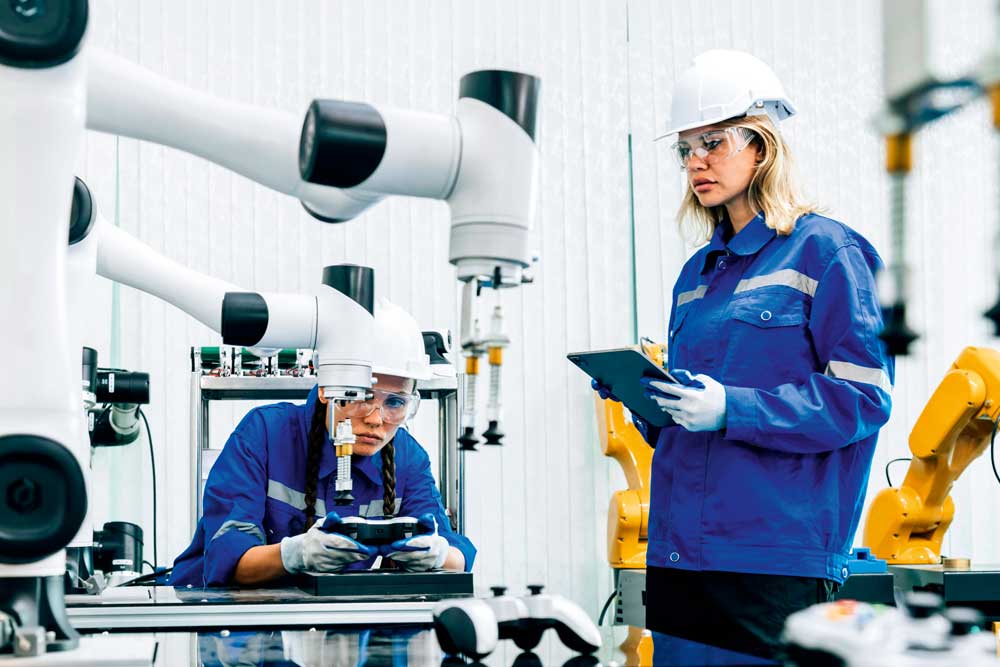
As companies incorporate new technology such as robots, artificial intelligence, and automation, there is a heavy emphasis on establishing work environments in which humans and machines complement rather than replace one another. Furthermore, implementing smart safety systems, real-time monitoring, and AI-driven decision-making tools will increase worker safety while decreasing risks and increasing operational efficiency.
According to the European Commission’s 2023 Industry 5.0 report, workplace accidents in manufacturing were reduced by 65% in facilities that utilized human-machine collaborative systems.
The U.S. Bureau of Labor Statistics says that industries implementing Industry 5.0 technologies showed a 42% improvement in worker safety measures in 2023, with collaborative robots (cobots) contributing to a 38% reduction in repetitive strain injuries.
The Automotive Industry Leads the Way
With the fast incorporation of modern technologies such as artificial intelligence, robots, augmented reality, and digital twins, the automotive sector is becoming more efficient, versatile, and innovative. These developments allow manufacturers to construct highly customized automobiles, increase manufacturing rates, and lower operating costs.
Furthermore, the inclusion of smart technologies into automobiles improves safety, performance, and sustainability, which aligns with rising consumer desire for smarter, more environmentally friendly vehicles.
High Implementation Costs
According to the report the significant implementation costs involved with implementing Industry 5.0 technologies may stifle market growth, particularly for small and medium-sized businesses (SMEs).
As technology improves and becomes more widely used, costs are likely to fall, making it more affordable for a broader spectrum of businesses. Government incentives, subsidies, and collaborations with technology suppliers may also help to alleviate financial pressures.
Source: Verified Market Research – Industry 5.0 Market Valuation (2025-2032)
Text: Vaula Aunola
Photos: Shutterstock
Subscribe to the free Maintworld newsletter here!
Rewiring Industry: How GenAI Can Pull Manufacturing Back Into Profit

Europe’s industrial manufacturers are caught in a bind. Profitability is slipping, productivity has plateaued, and traditional cost-saving levers have lost their edge. But now, Generative AI is emerging as more than a technological trend—it’s fast becoming a strategy for turning the sector’s fortunes around. This became evident in a study, conducted by Strategy& in partnership with VDMA Software and Digitalization, and presented at Hannover Messe in March 2025.
Industrial manufacturing in Europe is under pressure. For decades, productivity and profits grew hand in hand, fueled by waves of innovation from lean manufacturing to automation. But since 2010, something has shifted. Productivity growth has nearly flatlined—rising just five percent in the last 15 years—while costs, especially labor, have surged. The result is a profitability squeeze that spans the sector, from machinery and equipment makers to automation technology suppliers.
This new normal is pushing companies to ask hard questions about where the next wave of value will come from. And increasingly, eyes are turning to Generative AI. Once seen as a futuristic concept or niche software feature, GenAI is now being recognized for what it could truly be: a tool to reshape how industrial manufacturers design, produce, and compete.
A new joint study from Strategy& and VDMA Software and Digitalization makes the case. Surveying 247 companies and evaluating 45 practical GenAI applications, the study finds clear, quantifiable opportunities to improve operating margins—up to 10.7 percentage points across the sector. That equates to a €28 billion profit boost for Germany’s manufacturing industry alone, if executed effectively.
Yet that “if” looms large.
So far, most manufacturers have treated GenAI as an IT or support function play—rolling out chatbots, automating documentation, or experimenting with software tools. These initiatives are valuable but limited. They don’t hit the real profit drivers. As the study shows, the biggest financial impact from GenAI comes when it’s applied directly to core business functions
In sales, for instance, GenAI can personalize offers, anticipate market demand, and dynamically adjust pricing, unlocking real revenue growth. In R&D, it can accelerate prototyping and design, shorten time-to-market, and reduce material waste. Even in areas like production and logistics, predictive capabilities and data-driven recommendations can streamline workflows, reduce downtime, and shrink costs.
Despite this, only 7% of surveyed companies have implemented GenAI company-wide, and fewer than one in three have even deployed a single use case in a real-world setting. There’s a disconnect between potential and practice—and it’s costing the industry.
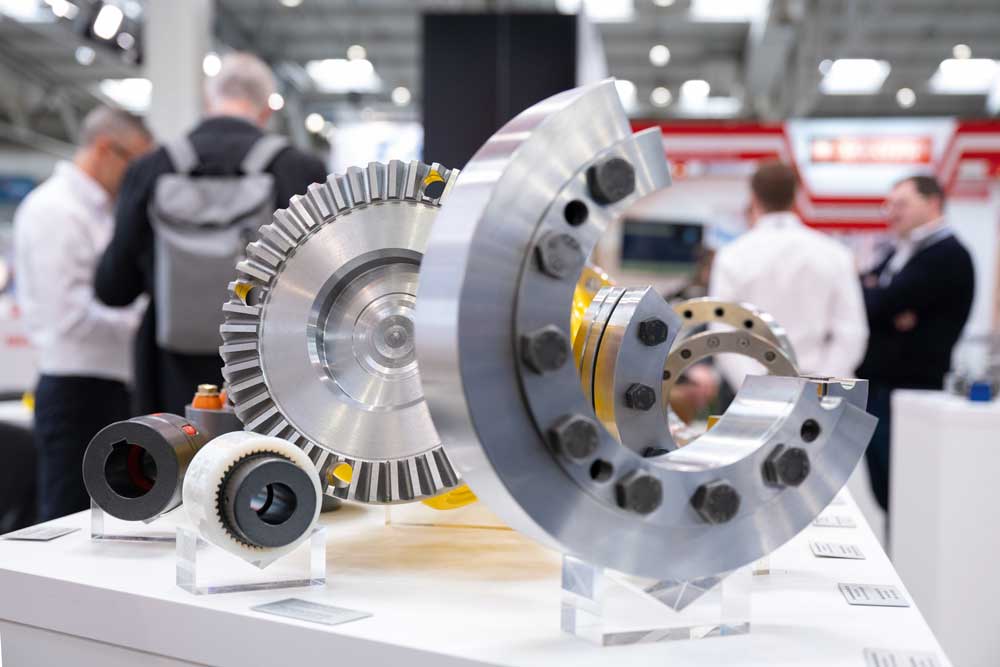
That’s why the report argues for a deliberate, top-down GenAI strategy. Not every business process needs GenAI—but the ones that do must be prioritized, tested, and scaled. This means identifying high-impact opportunities, setting clear objectives, and creating internal “incubators” that can move fast, free from legacy roadblocks.
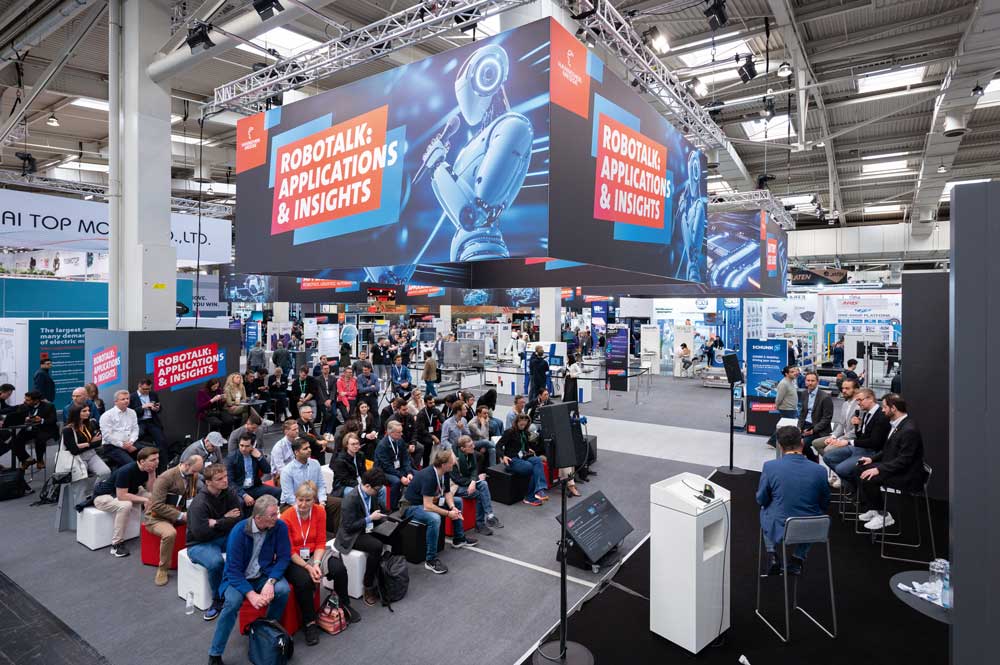
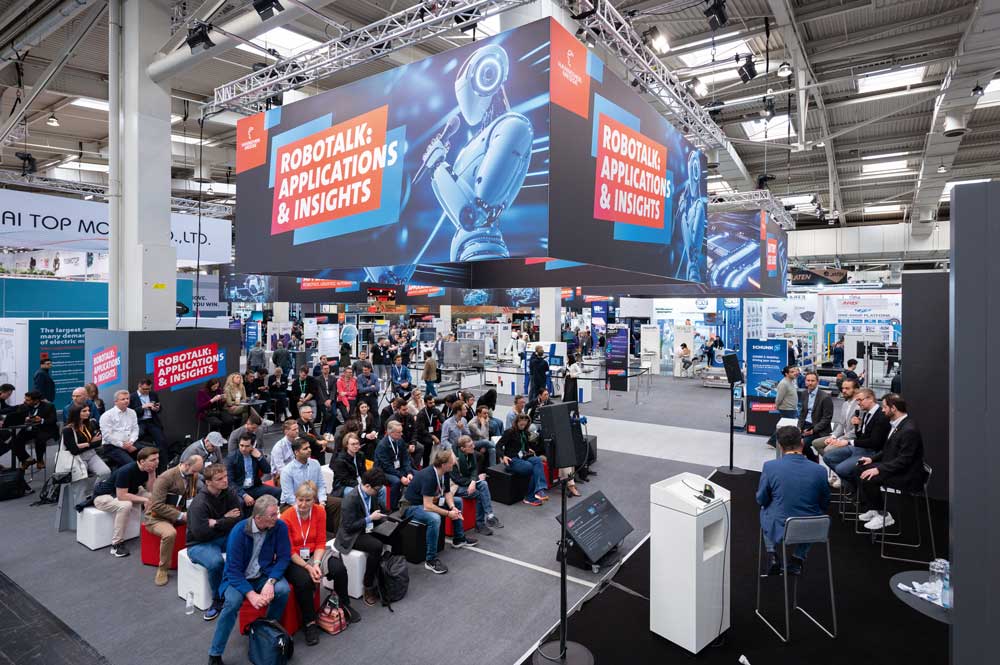
GenAI also opens the door to something more profound than operational tweaks. It invites a rethink of how industrial companies structure their business models altogether. New ways of designing products, serving customers, and optimizing workflows become possible when GenAI is integrated deeply, not just layered on top.
For example, automatically generated product designs based on customer input could radically shorten design cycles. Predictive insights about supply chain disruptions—drawn from unstructured global data—can help firms act before problems hit. Even the onboarding of new employees or the customization of marketing campaigns can be done at a scale and precision that simply wasn’t possible before.
These aren’t futuristic concepts. They’re already being piloted by leading firms—and they work. But the shift from pilot to scale requires executive commitment, not just experimentation.
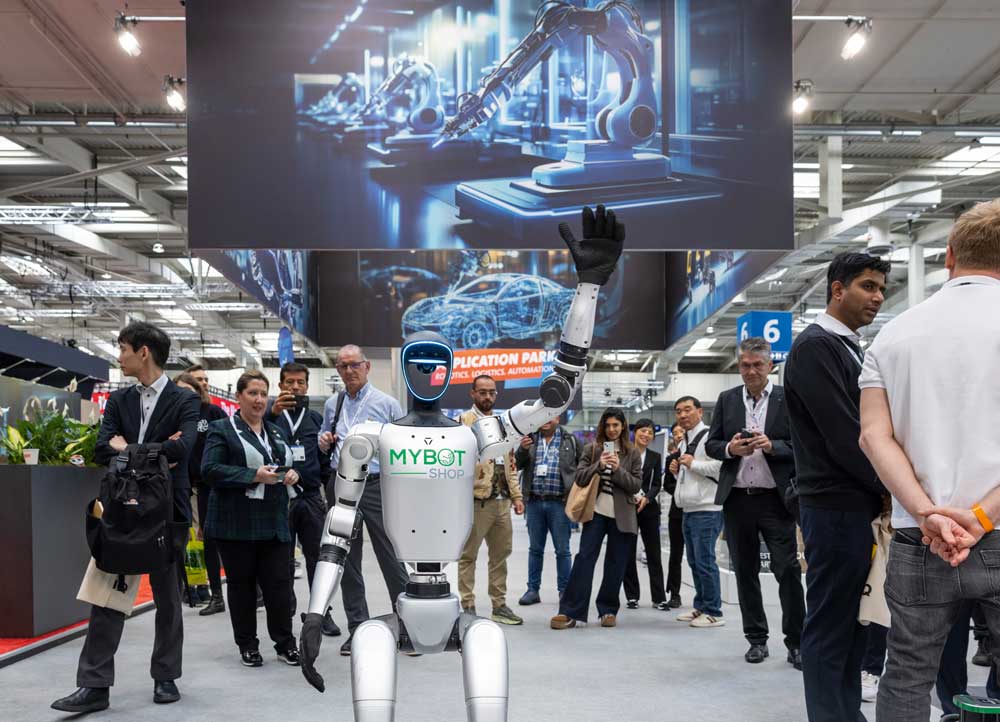
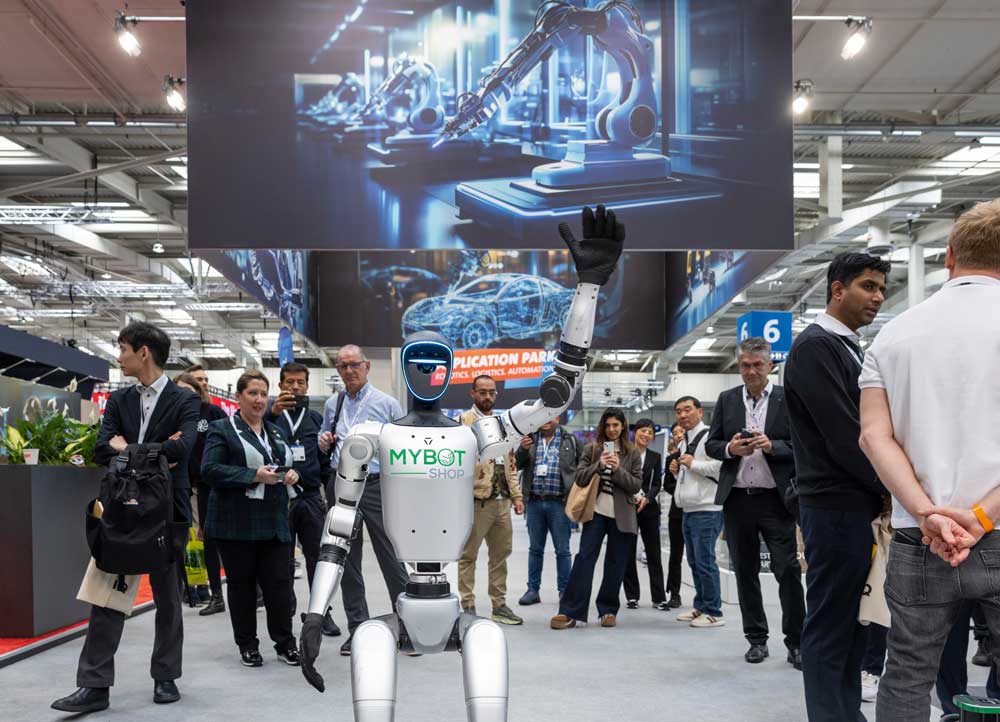
The message is clear: the promise of GenAI in industrial manufacturing is no longer hypothetical. The tools exist, the use cases are proven, and the economic upside is compelling. What’s missing is bold execution.
For companies willing to act now, the opportunity is twofold. They can claw back lost productivity and profit—and just as crucially, they can secure a leadership position in the next chapter of industrial innovation.
Delay too long, and that window closes. As GenAI matures and becomes commonplace, its ability to differentiate will diminish. Those who wait will inherit a commoditized tool. Those who lead will build the future.
Presented at Hannover Messe 2025
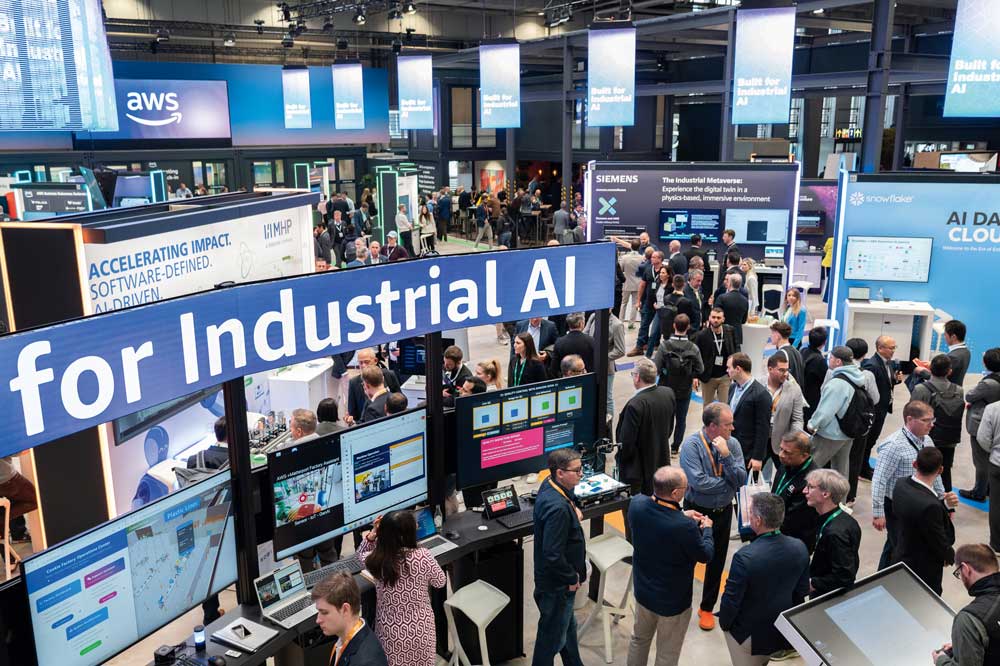
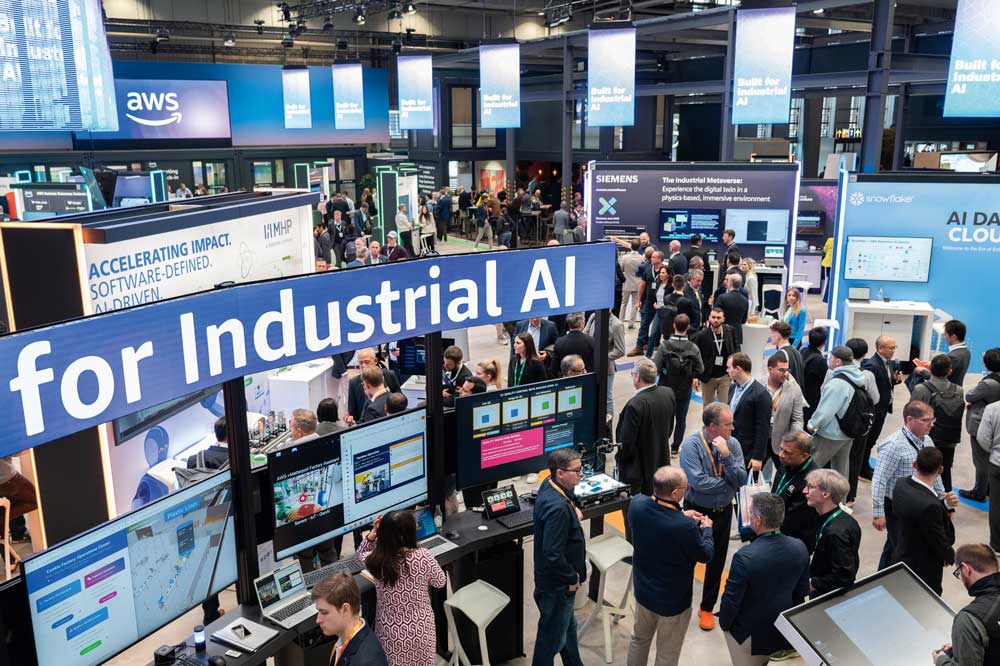
This landmark study, conducted by Strategy& in partnership with VDMA Software and Digitalization, was officially presented at Hannover Messe in March 2025. The event marked a turning point in how the industry views GenAI—not as an experiment, but as a new operating paradigm for Europe’s manufacturing core. The message from Hannover is loud and clear: the GenAI moment is here. Those who lead now will define the next era of industrial competitiveness.
You can download the study at GenAI in industrial manufacturing | Strategy&
Compiled by Mia Heiskanen
Photos: Hannover Messe
Four foundations for a winning genai strategy
1. Strategic Focus: Prioritize high-impact core functions over support use cases.
2. Data Quality: Clean, connected data is non-negotiable.
3. Organizational Readiness: Create an incubator team with decision rights.
4. Execution Discipline: Track use cases against real financial KPIs.
Tech show, business exhibition and platform for economic policy dialog between partners: that was HANNOVER MESSE 2025.
The world’s most important industrial trade fair has been emanating positive signals this year: artificial intelligence (AI), automation, digitalization, and electrification are driving quantum leaps in industry efficiency.
More than 123,000 visitors from 150 countries exchanged ideas with the 4,000 exhibiting companies on how they can use AI profitably, automate their factories, or become more energy efficient. More than 40 percent of visitors came from abroad.
Dr. Gunther Kegel, President of the German Electrical and Electronic Manufacturers’ Association (ZVEI) and Chairman of the HANNOVER MESSE Exhibitors’ Advisory Board:
“HANNOVER MESSE has once again shown that it is the most important platform for industrial innovation. AI in industrial applications was of particular interest to visitors, especially those from abroad. This shows that German industry can continue to offer a global orientation in times of technological change. Our companies are leaders in Industrie 4.0, and we are convinced that we can further expand this very good starting position. Industrial AI is a new growth area that will continue to drive the automation and digitalization of industry.”
The number one topic at this year’s trade fair concerned AI applications for industry.
“AI has the potential to change industry more in just a few years than it has changed in the entire past decade,” says Köckler.
The exhibiting companies used specific examples to show how manufacturing companies can benefit from artificial intelligence.
“Through the targeted use of these technologies, small and medium-sized enterprises can also increase their efficiency, reduce costs, and significantly increase their competitiveness,” said Dr. Jochen Köckler, CEO of Deutsche Messe AG.
Source: Hannover Messe
Subscribe to the free Maintworld newsletter here!
AI-Based Predictive Maintenance Set to Hit $1.69 Billion by 2030 – Why cloud, edge, and smart data are reshaping industrial upkeep—globally
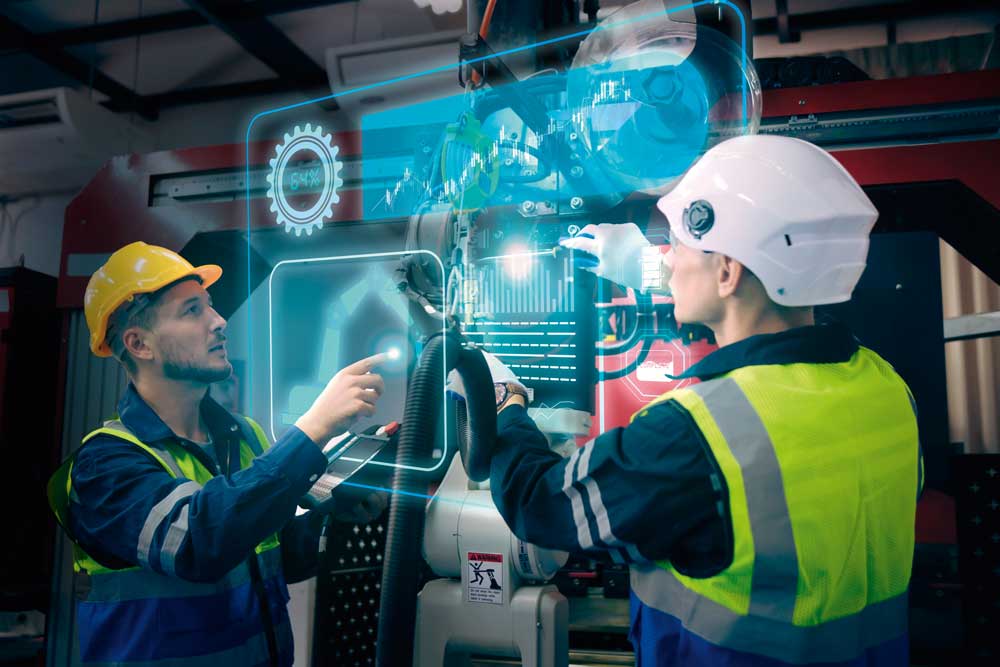
Industrial maintenance has traditionally been reactive—fixing broken pumps,stalled belts, or unplanned shutdowns. But that’s changing quickly. According to the AI-Based Predictive Maintenance Market Report 2025–2030 by Research and Markets, global spending on AI-powered maintenance tools is expected to grow from USD 939.73 million in 2025 to USD 1.69 billion by 2030.
The report published in April highlights the accelerated shift from schedule-based to condition-based maintenance, driven by advances in AI and machine learning. AI systems now flag early signs of issues, reducing the need to wait for breakdowns.
Predictive maintenance offers a clear return on investment by minimizing downtime, reducing repair costs, and extending asset life.
“This not only safeguards critical assets but also ensures operational continuity in high-stakes industries,” the report states.
The Power Duo: Cloud and Edge
Cloud-based and edge technologies play a crucial role in this transformation, according to the report. Edge devices process real-time data on-site, while the cloud handles broader analytics across multiple sites, even globally. This hybrid approach is vital for industries in remote or bandwidth-limited regions like mining, offshore energy, and rail transport.
According to the report, the Americas lead in AI adoption, driven by significant investments in smart infrastructure and digital transformation. Manufacturing and logistics sectors in this region are particularly advanced in integrating AI. Europe, the Middle East, and Africa are following closely, with stricter emissions and safety regulations driving the adoption of AI-powered maintenance. “Environmental considerations are pushing sustainable, efficiency-oriented practices,” the report notes.
Asia-Pacific, particularly China, India, and South Korea, is also experiencing rapid growth due to industrialization and strong government support. High IoT adoption makes the region ideal for implementing AI-based solutions.
Startups Pushing Innovation
While tech giants like IBM, ABB, and Siemens dominate in the industry, startups are contributing to innovation. “Agile companies are reshaping the competitive landscape,” says the report, citing firms like Clarifai, Craftworks GmbH, and Nanoprecise. Canadian startup Nanoprecise uses vibration sensors and AI to monitor wear in machinery, making predictive maintenance more accessible for smaller manufacturers.
What’s Next?
Industry leaders must adopt a layered strategy that combines technological and operational initiatives, the report suggests. First, investing in integrated AI systems that aggregate and analyse data from various sources is key. Embracing cloud and edge AI will improve predictive capabilities and mitigate risks.
Cybersecurity should be a top priority, as the convergence of IoT and AI technologies creates new vulnerabilities, the report continues. Ensuring these systems are secure is as critical as ensuring the accuracy of predictive algorithms. Partnering with technology providers that offer comprehensive security solutions will be essential.
Additionally, workforce training and upskilling in AI and machine learning will enable teams to stay agile and adapt to technological changes. Collaborations with tech vendors, academia, and industry experts will keep companies at the forefront of innovation. Regular evaluations of predictive maintenance systems will improve maintenance outcomes and uncover new business opportunities.
The key takeaway from the report? The report makes it clear that predictive maintenance is no longer optional. It has become a strategic tool for performance, resilience, and cost control. Those who adopt it now—CIOs, plant managers, and maintenance teams—will not just save money; they will set new standards for reliability in the age of AI.
Source: AI-Based Predictive Maintenance Market Report 2025–2030: A Projected US$1.69 Billion Landscape – Businesses Must Invest in Cloud and Edge Technologies for Future Success, Research and Markets, April 2, 2025.
Text: Nina Garlo Photo: Shutterstock
Subscribe to the free Maintworld newsletter here!
Latest