Swedish maintenance industry looks boldly to the future
The maintenance sector in Sweden is of a high level by international standards. The aim of the Society is to grow the Swedish maintenance industry evermore and to maintain a […]
The maintenance sector in Sweden is of a high level by international standards. The aim of the Society is to grow the Swedish maintenance industry evermore and to maintain a high and up-to-date level of activity.
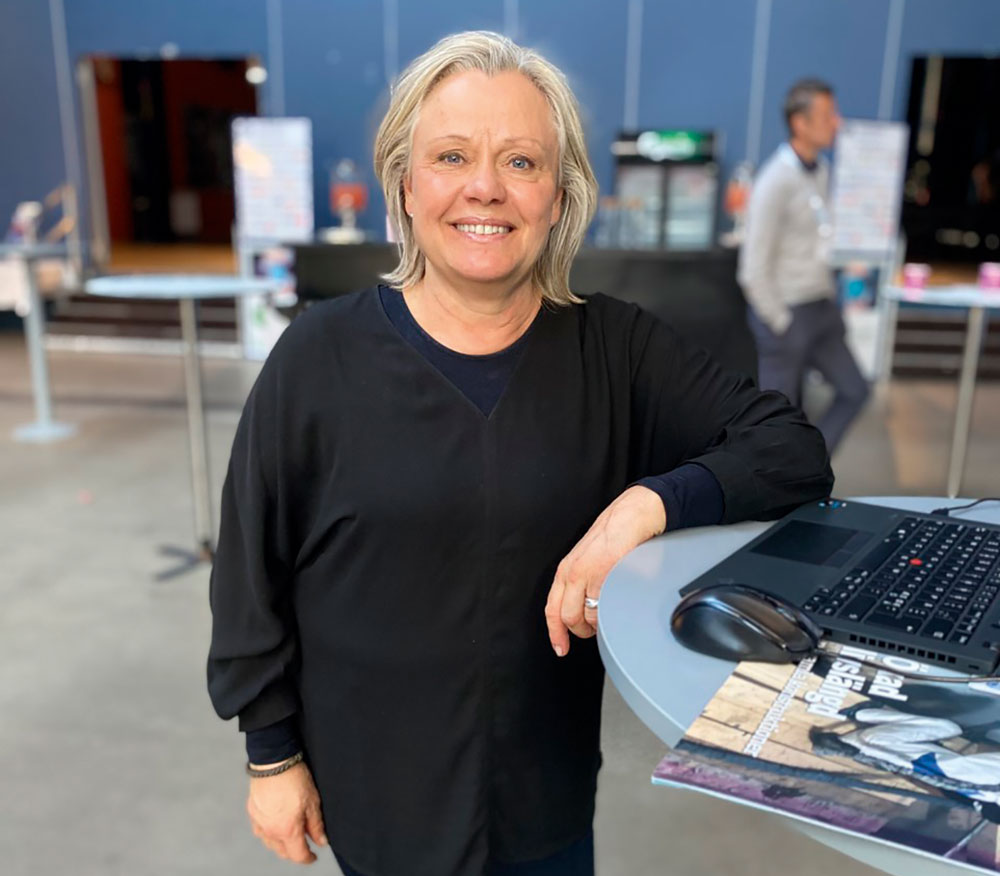
According to Mia Ilkko, Chair of the Swedish Maintenance Society, the number of members of the Society is approaching 150.
The members are from the fields of industry, education, suppliers of goods and services, and authorities.
– Regarding attracting people to the maintenance sector as employees, we know it can be challenging. We first need to be much clearer on how we explain this maintenance sector, its possibilities and the different roles in a career within maintenance.
We as a society, have a lot we can do in communication on different levels, Mia says.
Raising awareness of the sector is also necessary in terms of access to labour. Both Mia and Maria Stockefors, CEO of SVUH, consider it one of the biggest challenges today to attract more employees to the maintenance sector and secure its competence.
– When not knowing the profession, we do not get many students in maintenance education. Maria claims.
– However, with intensified cooperation with educational institutions, we are turning the tide. Moreover, with the development of technology, there is a higher degree of analytics within Sweden’s maintenance sector. This is creating different types of positions within companies, Mia adds.
Competence development is an important task of the Society
Members of SVUH come from a wide range of fields, such as industry, education, service and product suppliers. Maria sees the different backgrounds and competences of its members as a strength of the Society and as factors offering new perspectives.
– In the development of competence, it is important to be aware of what kind of skills will be needed in the maintenance industry in the future. For example, achieving climate goals requires new technological solutions, which in turn require new technical ways of working,” Mia says.
Internal committees have been set up within the association, in which the members are responsible for taking forward the message in various areas: competence development, safety, health and the environment, standardization, the future of maintenance.
For example, professionals in the field of technology bring know-how related to sustainable development and recycling, and service providers bring their expertise in, among other things, methods, and aids for preventive maintenance.
– In addition, the education sector, such as universities, universities of applied sciences and technical colleges, is interested in cooperating with the maintenance field in the form of various research and development projects, Maria adds.
The association is like a window into Swedish maintenance activities, which are opened in both national and international contexts. Mia says that the Society participates both in domestic and foreign conferences and events, where it is possible to meet representatives of the maintenance sector extensively. The Society also has a long history of working in development projects with other fellow European societies.
– In this way, we can increase our own awareness of work elsewhere and gain a new perspective on the development of the field.
• The Swedish maintenance association Utek was founded on September 30th, 1969. In 2012, Utek merged with another Swedish maintenance organization and the name was changed to the Swedish Maintenance Society (SVUH).
• For SVUH it is important to be caught up in current time and therefore the vision of the association follows time closely. Currently SVUH considers its vision to provide an internationally competitive, reliable industry through high-quality maintenance.
Text: Tarja Rannisto



Subscribe to the free Maintworld newsletter here!

Solving the impossible problem of surging methane emissions

It is a finding that seems to defy common sense. Even as industries like oil and gas exploration and air travel slow to a crawl, the amount of methane – […]
It is a finding that seems to defy common sense. Even as industries like oil and gas exploration and air travel slow to a crawl, the amount of methane – one of the most potent greenhouse gases (GHGs) in existence – in Earth’s atmosphere surges. Measurements over South Sudan show methane levels jump from around 1,840 ppb in late 2019 to a peak of over 1,910 ppb at the end of 2020[1]. It is a puzzle that will take over two years to solve – which brings us to 2023, and the troubling findings that reveal methane emissions as an even more insidious threat than previously thought.
The mystery of methane
It is understandable why it has taken researchers over two years to explain why this sharp rise of methane into the Earth’s atmosphere, even as most of the world seemingly ground to a halt. Indeed, emissions of carbon dioxide – a similarly notorious GHG which, while significantly less potent than methane, is also much more abundant – did fall as the world’s heavy industries wound down, as expected.
The answer is that, while anthropogenic (human-caused) methane emissions did fall in line with the world’s reduced natural gas consumption, natural emissions did not. Emissions from wetlands, caused by biomass breaking down and methane-producing algae, among other naturally-occurring phenomena, rose by the highest amount since records began.
These findings, published in the Nature journal, paint a troubling picture. A kilogram of methane emitted into the atmosphere can trap more than a hundred times more heat than a kilogram of emitted CO2. This is because methane’s molecular structure can absorb more energy than CO2 and because methane forms other greenhouse gases in the atmosphere, most notably in the tropospheric ozone.
Much of this methane comes from microbes in wetlands. As these microbes break down biomass and reproduce, they produce methane. A warm, wet climate across large parts of the northern hemisphere meant there were more of these wetlands than ever before in 2020 – and there will continue to be more in future.
Further complicating this picture is the finding that burning fossil fuels can actually help control the amount of methane in the atmosphere. It sounds counter-intuitive, but the Nature Journal paper details how the burning of fossil fuels creates nitrogen oxide, which produces hydroxyl radical molecules when it enters the atmosphere. These molecules break down methane, meaning the reduction in fossil fuels consumed during 2020 – perversely – actually allowed methane concentrations to increase.
The point of all this is not to take a defeatist stance, nor is it to absolve heavy polluters of responsibility. Indeed, global warming is creating more wetland regions as permafrost around the polar regions thaws. The rapid thaw is causing giant craters to form in the earth, creating pockets of waterlogged marshland known as thermokarst, which provide even more habitats for methane-emitting microbes to thrive.

The point is that simply cutting methane emissions is much more complex than it sounds. The solutions to this problem are multi-layered, confusing, and often contradictory. Simply plugging leaky pipelines and limiting agricultural emissions, while important, is not enough to stop the vicious cycle of increasing methane emissions. Trying to navigate this already perplexing landscape without a solid foundation of accurate, up-to-date data to inform the right route forward is like trying to find a shadow in the dark – frankly, it is impossible.
Lasting the distance with data
It is incumbent on all industries – particularly those that produce a lot of emissions, like oil, gas, and agriculture – to come to an agreement on several things. This is a global issue, and so it requires a global consensus to solve.
But how can anyone reach a consensus without the capacity to describe what needs to be done? Methane emitters already face significant challenges in abating emissions – originating from a range of regulatory, financial, and structural factors.
Awareness is low compared with CO₂, and methane emissions are tough to measure and track.
Yet data on methane exists already – all businesses need to do is utilise the tools to collect it. This is the power data gives us – it empowers decision-making by allowing us to quantify the effectiveness of our actions. As the lines between human-caused emissions and natural emissions become increasingly blurred, understanding the delicate interplay between humanity and the planet we live on becomes crucial.
The sensing technology required to achieve this is not some far-off concept – it is available today and is more affordable and accessible than ever. Any company can monitor its industrial gas usage and emissions, providing researchers with a valuable understanding of the true impact humanity’s actions have on our planet.
Laser absorption spectroscopy
Laser absorption spectroscopy is arguably the most powerful tool for promoting this understanding as it has a particularly big role to play in tackling methane emissions. Methane is such a potent GHG because its molecular structure means it absorbs infrared light emitted from the Earth’s surface, trapping heat in our atmosphere. This property makes it a prime target for highly sensitive infrared spectroscopy sensors.
This form of detection is based on how light is absorbed as it passes through a medium. Emitters within the sensor generate beams of IR light which pass through a sampling chamber containing a filter. The filter only allows the required wavelengths – the ones reflected or emitted by the particles of gas being monitored – to make it past, meaning only those wavelengths can reach the detector. Different filters allow different wavelengths of light to reach the detector, which can, in turn, be used to detect different gases and distinct particles.

Newer gas analyser instruments use a laser diode mounted on a thermo-electric cooler to tune a laser’s wavelength to the specific absorption wavelength of a particular molecule. They exploit their high-frequency resolution, which results in enhanced sensitivity – more significant levels of interaction between gas molecules and light in the order of parts per billion – and discrimination, as they are tuned to specific gas compounds. This lowers the risk of false alarms, which can become a serious issue with other common gas detection technologies.
The benefits of these sensors include fast response times and accurate results without using any additional gases to operate.
Modern detectors can now continuously monitor for combustible gases and vapours within the lower explosive limit and provide alarm indications. These can be deployed within oxygen-deficient or enriched areas, require little calibration, and are immune to sensor poison, contamination, or corrosion.
Breaking the vicious cycle
Industrial gas detection is a mature market that continues to expand as devices become cheaper at the compliance end of the market and smarter at the top end. On the one hand, at Umicore, we work with OEMs stripping their devices back to basics, focusing on functionality and cost for low-cost markets. On the other, we assist in driving advances to open up new opportunities and allow end users to use their devices in ways they haven’t considered before.
By embracing data and taking precise, informed action, industries, legislators, and consumers can all work together to help break the feedback loop of emissions driving further emissions.
There are some methane emissions humanity simply cannot control. Accepting this makes it all the more vital that we do what we can to drive down the emissions we can control. But to do that, we must first have the capacity to identify and understand where these emissions are. Only then can we reckon with the vicious cycle of methane emissions – and finally crack it once and for all.
Text: Mark Naples, Managing Director of Umicore Coatings Services
Images SHUTTERSTOCK
Subscribe to the free Maintworld newsletter here!
An integrated approach to infrastructure integrity
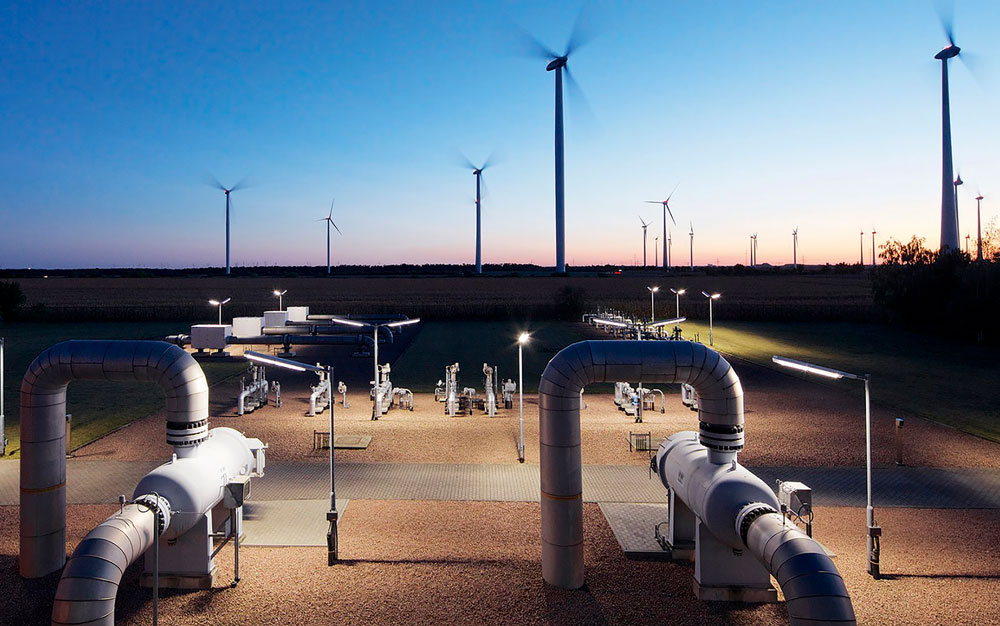
In a pilot project, the transmission system operator (TSO) ONTRAS investigated the requirements for critical infrastructure. The Leipzig-based TSO worked with the experts from TÜV SÜD to design a security concept that permanently and effectively supports the criteria of the Catalogue of IT Security Requirements published by Bundesnetzagentur, Germany’s federal network agency.
The disclosure of the Log4Shell vulnerability roughly one year ago proved that cyberattacks to critical supply infrastructure systems are a very realistic threat indeed. The vulnerability in a popular logging library also presented a threat to data centres, servers and connected systems in natural gas- and coal-fired power stations. Against the backdrop of security of supply, the importance of cybersecurity is also growing in the energy industry. Given this, the German Energy Management Act (EnWG) also covers requirements that address adequate protection of the telecommunications and data processing systems required for safe network operation. In this context, operators of critical infrastructures (KRITIS) are a particular focus of interest.
Digitalisation calls for innovative security concepts
The EnWG obliges enterprises in the energy industry to implement and update an information security management system (ISMS). The objective is to keep the impacts of potential vulnerabilities to a minimum at all times. Information security management systems (ISMS) assess all applications that are necessary to ensure secure, safe and reliable infrastructure operations. The EnWG is complemented by further regulatory requirements, including the ISO/IEC 27001 and ISO/IEC 27019 standards.
ONTRAS Gastransport GmbH (ONTRAS) meets this legally and technologically challenging situation by relying on the experts from TÜV SÜD and their know-how to assess and improve the security concept for its transmission system. ONTRAS operates the pipeline network in eastern Germany, spanning roughly 7,700 kilometres.
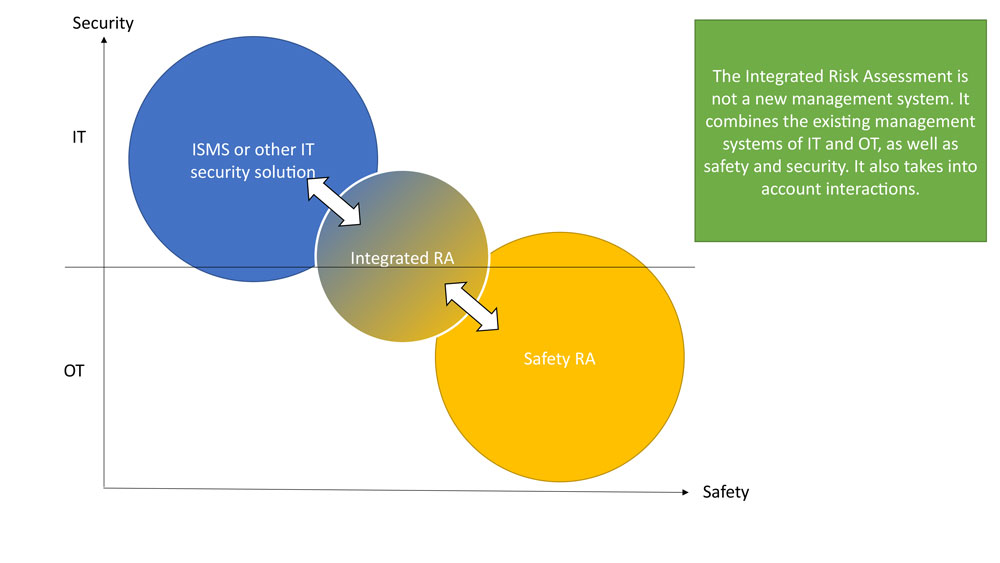
Control and monitoring of this network are highly challenging from a technical point of view. The transmission system comprises about 450 coupling points controlled by electronic data processing, as well as huge amounts of hardware and software for infrastructure operation. Another important aspect is that the integrity of such infrastructure systems always covers both information technology (IT) and operational technology (OT). In other words, unauthorised access to data and systems must be prevented while people, assets and the environment need to be protected at the same time. As digitalisation, including digitalisation of supply infrastructures, grows in significance, an integrated approach to infrastructure integrity is becoming increasingly vital.
Analysing the situation, defining targets, choosing actions
ONTRAS and TÜV SÜD developed and implemented an approach based on extended risk assessment, which examines both the cybersecurity and safety of infrastructures. At the focus of the project was a gas pressure gauge and a regulator. In step one, the project team, comprising experts from both companies, assessed the baseline situation. To evaluate the security and safety status of the transmission system at the start of the project, the project team reviewed the existing safety-risk assessment and the risk assessment from ONTRAS’ ISMS and analysed their interactions.
One challenge was that cyber-risks are harder to quantify than safety risks. In many machine safety concepts (e.g. HAZOP), the security level (SL) is thus more difficult to assess correctly than the safety integrity level (SIL). It also complicates the task of defining the required security targets, which later serve as key performance indicators of project success and may also be used to demonstrate ISMS effectiveness to official authorities. The project team nevertheless succeeded in defining the security targets for ONTRAS’ security and safety concept and determining the scope of analysis. The process included identification and analysis of possible threats and vulnerabilities.
Following this analysis, the experts developed a set of measures that they classified as suitable for risk reduction. In the next step, they looked at each of the specific risks and selected the measure most effective for improving security. An important factor in all these decisions was to keep the entire system in mind at all times, because a new measure must never compromise the function of already existing measures. This “freedom from interference” is one of the key principles for ensuring the safe and secure operation of infrastructure.
Engaging all responsible and knowledgeable parties
For long-term ISMS effectiveness, it is critical that all parties involved share the same understanding of holistic safety and security and how to achieve it. In the design phase of their security and safety concept and in a workshop with TÜV SÜD,
ONTRAS’ safety and security experts developed a common approach and understanding of their transmission system that they can use and pass on to others. The knowledge base of the specific cybersecurity and safety requirements of infrastructures needs to be as broad as possible in order to minimise human factor (HF) risks and provide impetus for further development.
To maintain high levels of safety and security, the parties responsible for these aspects should further engage in regular exchanges of expertise and experience. This is of particular importance in the event of changes to infrastructure, which may give rise to new vulnerabilities or interferences that are easier to identify in a team approach. If additional components are installed or components replaced or removed, the impacts of these actions on safety and security need to be assessed in detail. The joint project team from ONTRAS and
TÜV SÜD developed documentation that also covered this specific case. By identifying the interfaces that are particularly sensitive in terms of safety and security, the documentation also describes the potential risks involved and thus contributes to ensuring rapid and impartial reassessment of safety and security can be performed following structural changes to infrastructure. Ideally, this approach even contributes to further improvements in safety and security.
Detailed risk assessment carried out on ONTRAS’ transmission system also showed that effective safety and security measures are not limited to the IT/OT domain. The use of existing mechanical components or systems for monitoring and control, for example, plays a significant role in consolidating the security level, as these mechanical components are not vulnerable to cyberattacks. With this in mind, parties aiming to ensure a permanently effective ISMS should thus always make use of all dimensions of security and safety and give preference to an integrated approach that looks at the entire system.
Andreas Michael, Industrial IT Security Expert, TÜV SÜD Industrie Service GmbH
Michael Pfeifer, Expert for machine safety and Industry 4.0, TÜV SÜD Industrie Service GmbH
Jens Gerlach, Team Lead Automation and Electrical Engineering, ONTRAS Gastransport GmbH
Sven Kalmeier, Specialist Planning/Technology, ONTRAS Gastransport GmbH
Image and graphic TÜV SÜD
Subscribe to the free Maintworld newsletter here!
Occupational safety and health cooperation in maintenance at mining sites
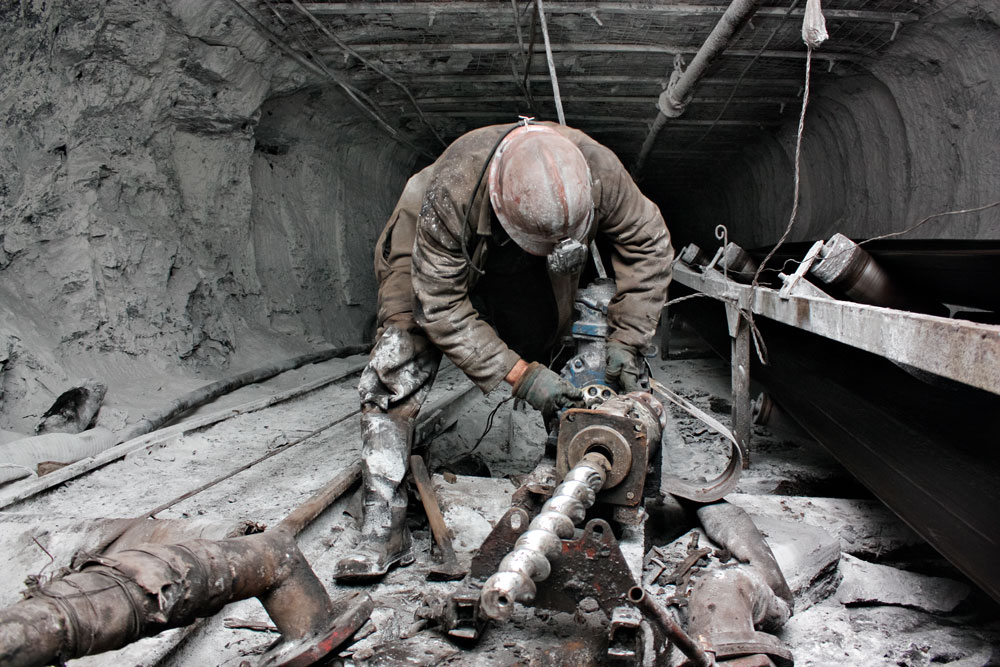
Maintenance activities are one of the most critical safety and health factors in all industries, but especially in mining. Well-managed proactive maintenance leads to cost-efficient, accident-free, smooth operations at mining sites.
Occupational safety and health cooperation must always be managed, irrelative of who is providing maintenance services. In this article the focus is on outsourced maintenance and what the occupational safety and health responsibilities of the customer are (mining company), and on the maintenance service provider at a shared workplace.
First put focus on your own company’s occupational safety and health management
The employer or employer’s deputy is responsible for ensuring that work can be carried out without incidents or health risks.
The employer or employer’s deputy also specifies safety and health targets and ensures sufficient resources to work safely without endangering anyone’s health or life.
The department manager (or foreperson having similar responsibilities) represents the middle management and is responsible for the development of the work environment and cooperation, in addition to safety and health cooperation. The department manager ensures that each work project is organized in such a way that everyone can work safely without endangering health or life, and knows the safety culture of the workplace. The department manager is also responsible for ensuring that instructions and orientation documentation is up to date.
The work supervisor is an immediate supervisor of employees and is responsible for work supervision. They are responsible for ensuring that instructions and safe working methods are followed in daily operations that every employee gets ample work orientation. The work supervisor also monitors the daily condition of the working environment and the work community, also from the work wellbeing point of view.
The employee is responsible for following instructions and regulations and using protective equipment. They are also responsible for informing the supervisor of any hazards they observe or find. The employee must not remove any guidance or warning markings or remove/switch off any safety devices without permission from the supervisor. They must refrain from dangerous and physically or mentally harmful workload duties and should always report such practices immediately to their supervisor. The supervisor thus has the possibility to plan and implement any necessary corrective measures to remove or minimize the risks caused by observed danger or load factors.
In the case of using hired workers, the difference from the occupational safe and health point of view compared to a company using its own workers, is basically only that the hired labour company pays the salary and provides the occupational health care. In practical terms, the responsibility of occupational safety and health is on the employer using hired labour.
Occupational safety and health cooperation shall be organized by the employer from the moment the first employee is hired. The employer and its employees must work together to maintain and improve occupational safety and health in the workplace despite how many employees have been hired. One to one dialogue about occupational safety and health issues should be natural discussion between any employee and their employer.
All workplaces with 10 or more employees must, by law, have an occupational safety and health representative and it is the employer’s duty to ensure that one is elected by employees. Primarily the employer shall carry out dialogue with the occupational health and safety representative. In small workplaces however, all employees should participate in dialogue regarding the safety and health of their own work and working environment. Each employee has absolutely the best knowledge of the safety and health hazards regarding their own work. If any concerns occur, they should immediately be raised with their own supervisor. This is not only a wish; each employee has the responsibility to cooperate in occupational safety and health issues.
Workplaces with at least 20 employees must have an occupational safety and health committee consisting of representatives of the employer, the employees and managerial staff. The role of the committee is to promote occupational safety and health. Occupational safety and health representatives have the right to attend and contribute to the committee’s meetings proactively before any changes e.g., to workers, operations, or facilities having safety and health take effect. The committee can make suggestions to the employer concerning improvements to working conditions, occupational health care, occupational safety and health training, as well as management. The committee also helps to organise activities aimed at maintaining the employees’ work ability and work welfare.
Managing of Occupational Safety and Health in cooperation with personnel
Occupational safety and health are managed as a part of front-line work. However, Occupational safety and health must be managed in cooperation with an occupational safety and health organization (at least 20 employees), with the occupational safety and health representative (at least 10 employees) or, with all personnel (1…9 employees) as described above.
The employer must organize adequate occupational safety and health training for employees’ representatives. These trainings are offered by e.g., associations, expert organizations, labour market organizations and occupational health and safety companies.
Occupational safety and health policy and first aid preparedness are examples of documents and processes which shall be prepared together. Worktime tracking is one example of the tools that are needed to implement the employers’ general duty to exercise care. Added to this, communication supports the opportunity of the entire work community and each employee to participate in improving work and workplace safety.
In addition, cooperation should cover following topics:
- Education and guidance of employees
- Actions of forepersons and the organization
- Each individual’s occupational safety and health inspections plus initiative and notification procedures regarding working conditions
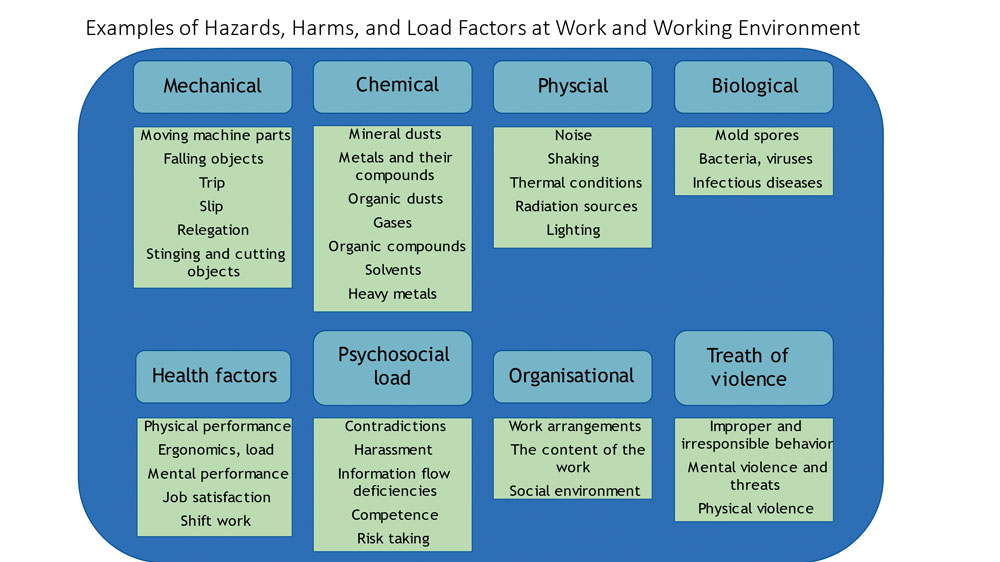
- Investigation and assessment of hazards, injuries and load factors
The investigation and assessment of hazards, injuries and load factors shall cover all work, workstations, and workplaces, also at shared workplaces. Examples of hazards, loads and load factors in work and the work environment are listed in the Chart “Examples of Hazards, Injuries, and Load Factors at Work and Working Environment”.
Promotion of occupational safety and health in shared workplaces
Well-managed occupational safety and occupational health cooperation in all companies working at a shared workplace forms a strong basis for taking care of the occupational safety and health of the shared workplace.
The customer plays a key role regarding to the promotion of occupational safety and health in a shared workplace. By setting common targets preferably in line with Thinking Zero principals a customer gently guides and supports contractors and service providers to pursue incident, burnout, and injury-free working.
When all contractors and service providers tune their own occupational safety and health procedures towards Thinking Zero practices, they help to support a culture of undisturbed working days. Undisturbed working days produce the best result when evaluating not only the level of occupational safety and health and operational responsibility, but also productivity.
With good planning, scheduling and well-managed work, including maintenance work in a shared workplace, all work can be done correctly at once. Proactive occupational safety, and occupational health measures support smooth workflow, and therefore the management and cooperation of occupational safety and occupational health is profitable for all employers in a common workplace. In other words, the recommended aim is that no disturbances, no interruptions and no rush is faced at work which raise the probability of accidents and harmful stress. Therefore, the high-quality management of occupational safety and occupational health by the customer is profitable for all employers in a common workplace.
Employer’s responsibilities
- Who is the employer? Who are the employer’s deputies?
- Managing director
- Other members of the Company’s government
- Department heads
- Group leaders
- Forepersons
- Experts who give and guide others’ work
Thinking
- Zero accidents
- Zero sickness absences due to work
- Zero harmful exposures
- Zero employers, supervisors, and employees unaware of occupational safety
- Zero tolerance of workplace bullying
- Zero cases of job burnout
- Zero no-flow working days
Shared workplace
A shared workplace is a workspace shared by employees of several different employers and independent contractors. Provisions on cooperation in occupational safety and health matters in a shared workplace are laid down in the Act on Occupational Safety and Health Enforcement and Cooperation on Occupational Safety and Health at Workplaces 44/2006 (Chapter 5a) and in the Occupational Safety and Health Act 738/2002 (Sections 49–51 and 53).
Subscribe to the free Maintworld newsletter here!