
Where Can We Find Future Maintenance Experts?
European economic growth is expected to settle at around 1–1.5 percent in the euro area and the EU in 2026. Growth is moderate, but the trend has turned.
In Europe, industry in particular has shown signs of recovery in the early part of the year. Germany has increased its investments in defense and infrastructure, Poland’s economy is growing faster than the EU average, and in several countries, industry is once again acting as the economic driver. In Finland, too, the industrial recovery is bringing much-needed positive momentum.
As production lines accelerate and investments increase, a question arises that directly affects the field of maintenance: are there enough people who know how to do it?
There is already a shortage of experienced maintenance experts. At the same time, the level of demands in the field is rising.
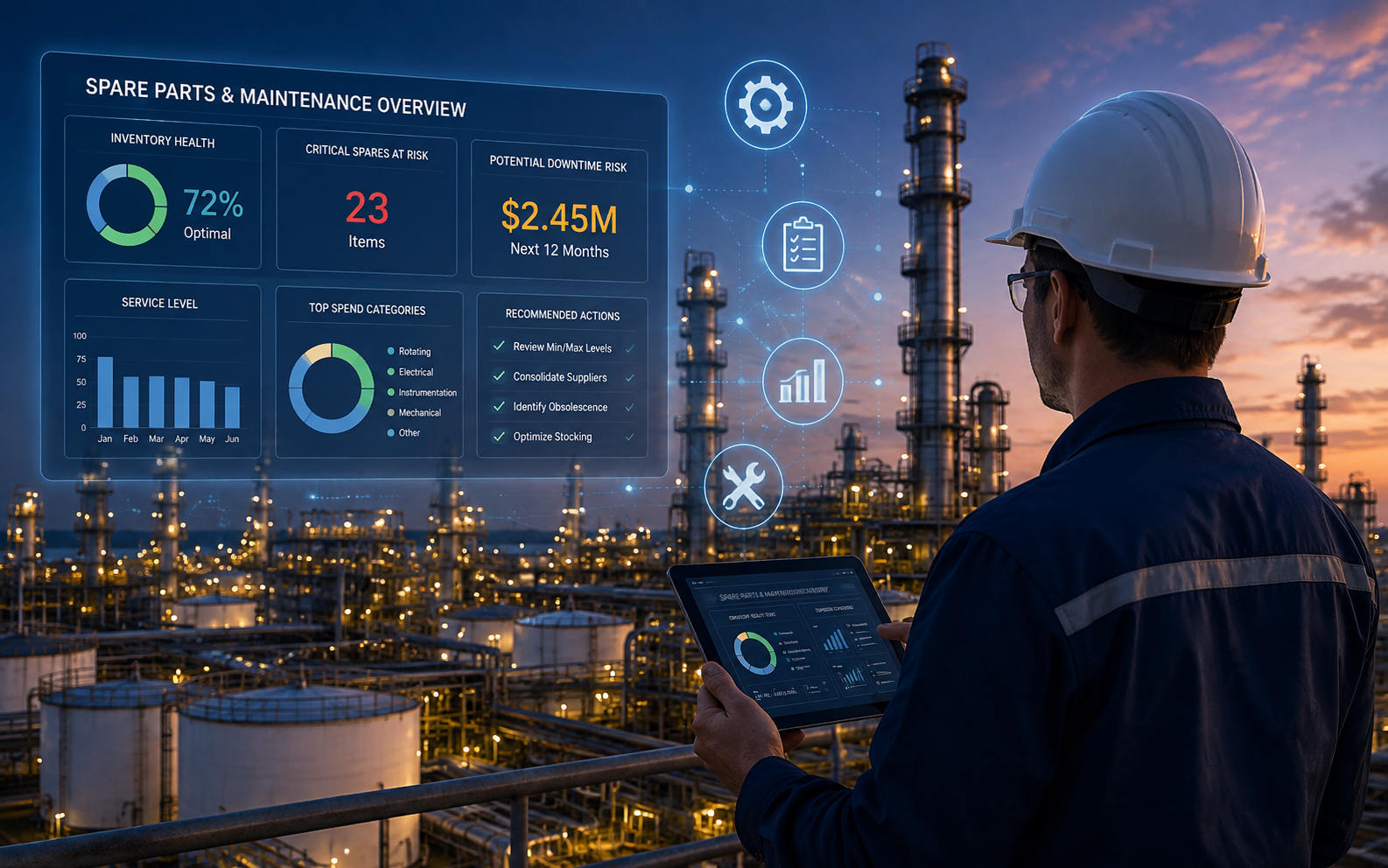
Maintenance is no longer just about fixing faults or performing predefined maintenance tasks. It is increasingly about understanding systems, interpreting data, and making proactive decisions.
Technological upheaval has rapidly changed professional images.
The job of a maintenance engineer is not the same as it was a decade ago. Real-time condition monitoring, sensor technology, data analytics and artificial intelligence-based predictions are part of everyday life in many organizations. This development does not reduce the need for experts – on the contrary. It changes the focus of expertise.
Tomorrow’s maintenance will require professionals who, in addition to measurement technology, also master data management, analytics and reporting. The ability to combine technical understanding with digital tools is needed.
Maintenance is no longer routine, but expert work and its value is directly reflected in the reliability and competitiveness of production.
Therefore, one key question for us is: where do we find these new factors?
Perhaps we need to look in that famous mirror. Could maintenance also offer an attractive career path for experts in information technology, automation or data analytics?
Could we communicate our industry more boldly from a technology and impact perspective – not just as a support function, but as a strategic competitive factor?
Maintenance is the invisible backbone of society. It ensures that factories run, energy flows and infrastructure functions. When we succeed in making this visible and opening the doors to multidisciplinary expertise, the industry can become even more attractive.
The creators of the future may not yet know that they belong to maintenance. Our job is to tell them why they should.



Subscribe to the free Maintworld newsletter here!
Silje Langhelle was Elected as Chair of the Swedish Maintenance Association on January 20, 2026.
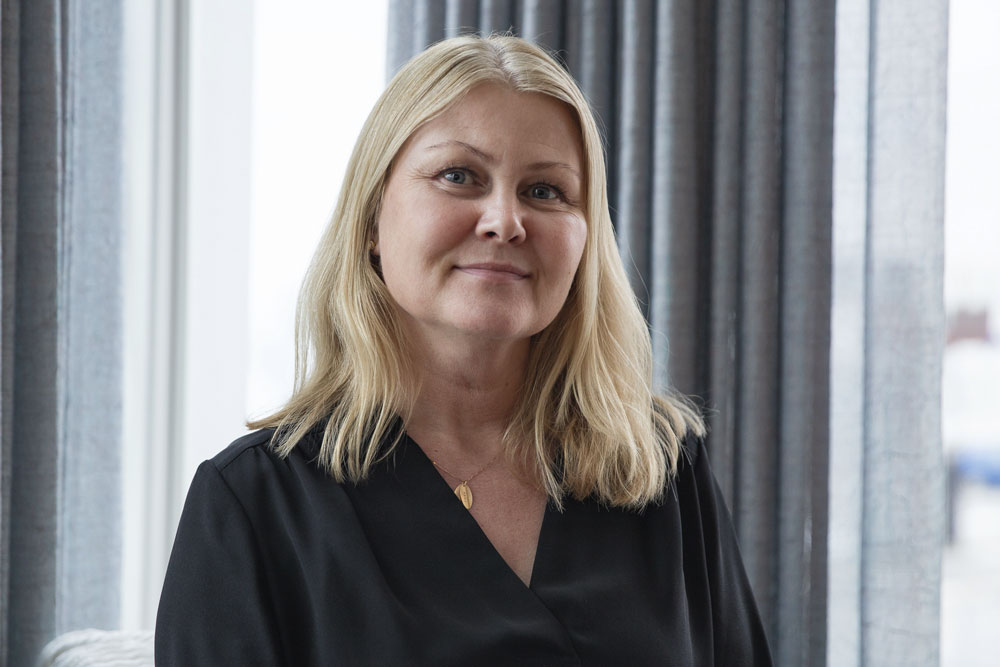
Along with our congratulations, we wanted to ask the new Chair for her views on the future of the association.
On LinkedIn, you mention that you see this role as an opportunity to further strengthen the organization with a strong brand. What new developments or initiatives can we expect?
The Swedish Maintenance Association already has a strong reputation as a trusted platform for knowledge sharing and networking. My ambition is therefore not to change its foundation, but to further strengthen its relevance in a rapidly evolving industrial landscape.
Going forward, we can expect an increased focus on strategic visibility of maintenance as a key enabler of industrial competitiveness, sustainability, and resilience. I also see opportunities to further develop collaboration between industry, academia, and technology providers, as well as to enhance the association’s role as a voice for the profession both nationally and internationally.
How do you assess the Swedish Maintenance Association’s impact so far on the maintenance profession within industry, and what do you see as the key factors for ensuring that the association continues to deliver value to its members?
The association has played a very important role for more than 50 years in bringing together stakeholders across the maintenance ecosystem. It has contributed significantly to professionalizing maintenance, promoting best practices, and building networks across industries.
Looking ahead, the key to continued relevance lies in staying closely connected to members’ real challenges. This means focusing on competence development, supporting knowledge exchange, and ensuring that the association addresses both technological shifts and broader business drivers such as productivity, sustainability, and asset lifecycle performance.
In your view, where is maintenance heading – and what will most significantly transform our profession in the coming years?
Maintenance is moving from being a reactive support function toward becoming a strategic discipline that directly influences business performance.
Several trends will be particularly transformative: digitalization and data-driven decision making, predictive and condition-based maintenance, increasing automation, and stronger integration between maintenance, production, and sustainability strategies. At the same time, human competence will remain critical – technology will support professionals, not replace them.
How is Sweden responding to these changes, and what does this mean in practice for the association’s activities?
Sweden has a strong industrial tradition and is generally quick to adopt new technologies and working methods. Many Swedish companies are already advanced in areas such as reliability engineering, digital maintenance tools, and asset management.
For the association, this means continuing to act as a bridge between knowledge and practice – facilitating learning, sharing experiences, and helping members navigate the transition toward more predictive, data-driven, and sustainable maintenance strategies.
What do you see as the most important task for the Swedish Maintenance Association right now, and how do you plan to advance this as Chair?
The most important task right now is to further strengthen the visibility and recognition of maintenance as a strategic function within industry and society.
As Chair, I aim to support this by ensuring a clear strategic direction for the association, fostering strong collaboration with members, and promoting the importance of maintenance in public and industrial discussions. My role is primarily to enable the board and the organization to work effectively together toward these shared goals.
How can the association better support both large industrial companies and SMEs – and how can we attract more young professionals to become involved?
Large companies and SMEs often share the same challenges, but have different resources. The association can support both by offering accessible knowledge platforms, practical tools, and networking opportunities that address real operational needs.
Attracting young professionals is also essential. This requires making the profession more visible, highlighting its technological and societal importance, and strengthening collaboration with universities and educational institutions. Maintenance today is about innovation, sustainability, and digital transformation – this is a story we must communicate more clearly to the next generation.
Background information

Education:
I have studied International Shipping in Oslo,
a shipbroker’s programme.
Chair of the Swedish Maintenance
Association:
Chair since January 20, 2026.
Current role and career summary:
I am currently VP Sales & Marketing at Easy-Laser AB, a global technology company specializing in precision measurement and alignment systems for industrial reliability. In this role, I lead an international organization and work closely with customers, distributors, and partners in more than 80 countries.
Key milestones or highlights:
My career has been centered on the intersection of technology, business performance, and people. Highlights include leading
global commercial organizations, contributing to the transition toward precision-driven maintenance strategies, and engaging
in international industry collaboration and board work. My career strengths lie in professional experience within industrial
technology and global sales leadership.
Compiled: Jari Kostiainen Photo: Silje Langhelle Archive
Subscribe to the free Maintworld newsletter here!
From Prediction to Decision
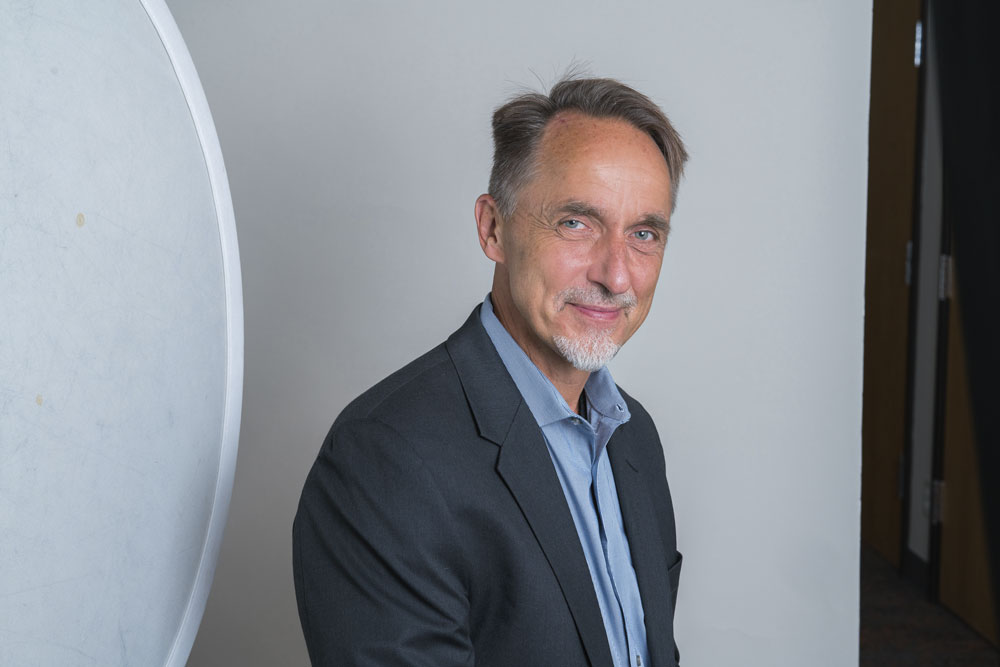
Maintenance is entering a new phase. Not because of louder buzzwords, but because the logic underneath is changing. Kai Goebel has watched Prognostics and Health Management grow from statistical guesswork into data driven intelligence. Now he argues that the real transformation is only beginning.
Kai Goebel has watched Prognostics and Health Management grow from statistical guesswork into data driven intelligence.
For more than three decades, Kai Goebel has worked at the forefront of Prognostics and Health Management (PHM). Known for his senior scientific leadership at NASA Ames Research Center, he helped move health management technologies from research labs into safety critical aerospace systems and later into broader industrial use. When he looks back at the early days of PHM, the contrast is striking.
From averages to individual asset health: “In the beginning, prognostics meant statistics,” he explains. “You took the average lifespan of an asset, subtracted how long it had been in use, and that was your estimate. It was a numbers game based on asset populations, not individuals.”
The shift came with Condition-Based Maintenance. Instead of relying on statistical averages, companies began asking a more precise question: what is the actual health of this specific asset, under these specific operating conditions? Sensors, physics-based modeling, and data science opened the door to understanding degradation mechanisms and early failure indicators.
From there, PHM evolved rapidly. Neural networks entered the scene in the 1990s. Today, large language models and advanced analytics tools add new layers of interpretation. So, Artificial Intelligence, in one form or another, has been part of PHM for decades.
“We have made great progress in prognostics,” he says. “But less progress in “M” of PHM, the management part.”
“The idea that AI suddenly appeared in maintenance is misleading,” Goebel says. “We have been using it for decades. What has changed is visibility and accessibility.”
The missing link: For all the technical progress, one part of PHM has not advanced as quickly as he had hoped.
“We have made great progress in prognostics,” he says. “But less progress in “M” of PHM, the management part.”
Predicting failure is only the first step. The real value lies in turning that prediction into action. If an asset is likely to fail in three weeks, what should be done? Should the load be reduced? Should maintenance be scheduled earlier? Is the spare part available? How does the decision affect production targets and overall risk?
These questions create a multi objective optimization problem. Maintenance timing, logistics, asset availability, and risk all interact. According to Goebel, this integration into real operations has been slower than expected. Academic research often focuses on developing new algorithms, while the less visible work of connecting predictions to enterprise systems receives less attention.
“The integration is not glamorous,” he says. “It involves software plumbing, decision logic, and understanding what operators actually need.”
What autonomy really means: Autonomy is another area where expectations and reality must be carefully aligned. When people speak about autonomous maintenance, they often imagine systems that make decisions entirely on their own. Goebel prefers a more grounded view.
Autonomy can mean algorithms that automatically flag anomalies.
It can mean drones performing inspections of tall stacks or remote assets. It can also mean operational adjustments, such as reducing load to extend asset life in highly automated plants.
But full autonomy without human oversight remains unlikely, especially in high-risk environments. Aerospace has long operated with advanced automation, yet pilots remain in the cockpit. The same logic applies to industrial settings.
“The human will not disappear,” Goebel says. “But the scope of responsibility will expand.”
Instead of monitoring a single boiler or machine, engineers may oversee entire systems supported by intelligent dashboards and predictive models. This changes the skill profile. “Traditional maintenance expertise remains essential. The ability to hear a subtle change in vibration cannot be fully replaced,” Goebel explains.
Learning to work with uncertainty:At the same time, maintenance professionals must become comfortable interpreting probabilistic information. PHM does not deliver certainty. It delivers likelihoods, distributions, and risk estimates.
Goebel recalls presenting engineers with a full probability distribution for time to failure. The response was clear. They did not want a distribution. They wanted a single actionable number, ideally at the 99th percentile.
The episode revealed a deeper issue. Advanced analytics can generate rich information, but if users are not trained to interpret uncertainty, much of that value is lost. Education must therefore evolve alongside technology.
“There is a tendency to trust machine generated data too much,” Goebel notes. “But no information is ever 100 % certain.”
Understanding how models are built, where they may fail, and how to act under uncertainty will be central competencies. For managers, the data load will only increase. For technicians, combining hands on skill with data interpretation will define excellence.
The next five to ten years: Looking ahead, Goebel expects structural change rather than incremental improvement. AI assisted planners will help coordinate maintenance activities. Enterprise level health dashboards will connect asset status with risk management. Autonomous inspections will become routine. Digital twins will operate in near real time. Supply chains will increasingly anticipate demand instead of reacting to breakdowns.
In this emerging paradigm, failure will be treated less as a surprise and more as a managed risk variable. Maintenance will shift from deterministic rules and fixed intervals to probabilistic, risk informed decision cycles.
“We are redefining the epistemology of maintenance,” Goebel says. “It is no longer about fixed thresholds and binary states. It is about dynamic uncertainty distributions.”
Advice for maintenance leaders: For maintenance leaders, his advice is both encouraging and cautionary. The opportunity to use data more effectively has never been greater. But there is no universal solution. Each plant has its own operating context, asset base, and constraints. Algorithms, sensors, and implementation strategies must be tailored accordingly.
“Be open minded,” he advises. “Adopt modern technologies but be mindful. Do not fall for buzzwords. Make sure the solution fits your plant.”
Standing between physics and algorithms, between operators and enterprise systems, Kai Goebel sees a field that is not simply improving but fundamentally transforming. Prediction alone is no longer enough. The future of maintenance lies in turning insight into intelligent, risk-aware decisions.
Kai Goebel
Kai Goebel is a globally recognized expert in Prognostics and Health Management, known for his leadership in advancing systems of health technologies across aerospace and industrial domains. He is President of Fragum Global, a company specializing in Resilience of Industrial Systems. He was the Director of the Intelligent Systems Lab at SRI and Xerox PARC and prior to that Branch Chief at NASA Ames Research Center, where he led research in diagnostics, prognostics, health management, decision making under uncertainty, and autonomous systems. He also founded and directed NASA’s Prognostics Center of Excellence, which has played a significant role in developing benchmark data sets and advancing predictive health research.
Goebel holds advanced degrees in engineering, including a Ph.D. in mechanical engineering from the University of California at Berkeley, following his Diplom Ingenieur degree in Germany. Before joining NASA, he worked for a decade as a senior research scientist at General Electric Corporate Research and Development, focusing on artificial intelligence, real time monitoring, diagnostics, and prognostics.
His work bridges physics-based modeling and data driven approaches, with a consistent emphasis on practical industrial value. He has published extensively, holds numerous patents, and has contributed significantly to shaping the global PHM community through research, collaboration, and professional leadership. In addition to his research roles, he serves as an adjunct professor and has been active in editorial and professional societies related to intelligent systems and health management.
Profile sources:
NASA Prognostics Center of Excellence, member profile
IEEE Computational Intelligence Society, Kai Goebel profile
Publicly available biographical information from NASA Ames Research Center
Text: Mia Heiskanen
Photos: Kai Goebel archive
Subscribe to the free Maintworld newsletter here!
Soil Microbes and Forest Industry Side Streams: The Hidden Maintenance System for Global Food Security
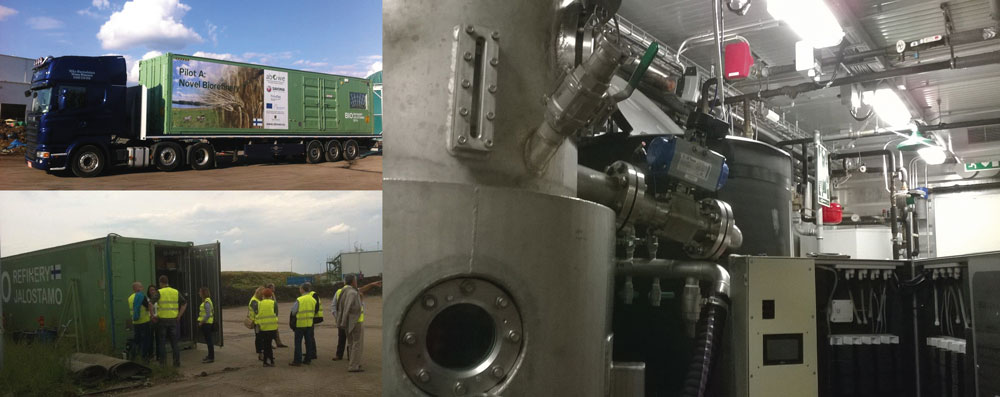
Soil microbes and forest industry side streams may hold the key to global food security. Acting like nature’s maintenance crew, they restore degraded soils, boost fertility, and keep agriculture running smoothly but effectively.
The United Nations Educational, Scientific and Cultural Organization (UNESCO) and the Food and Agriculture Organization (FAO) warn that, without major changes, most of the world’s arable land could lose its productivity by 2050. This decline won’t be sudden—it results from gradual erosion, climate stress, falling soil fertility, and overuse of chemicals. According to the Intergovernmental Technical Panel on Soils (ITPS), in every 5 seconds, an area of soil equivalent to one soccer pitch erodes globally.
From an industrial perspective, this is strikingly familiar. Soil is a critical production asset, and its deterioration resembles machinery failure caused by years of deferred maintenance. Traditional fertilization often works like reactive maintenance: it restores short-term output but does little to repair structural fatigue or maintain long-term resilience.
“Soil failure is rarely sudden. Like industrial breakdowns, it is the result of years of unaddressed stress”, explains Adjunct Professor Elias Hakalehto, a microbiologist and biotechnology expert, who explores the potential of microbes in industrial applications.
Microbes: The Soil’s Autonomous Maintenance Crew. At the heart of soil resilience are its microbial communities. Bacteria, fungi, and other microorganisms form a living network that “keeps up nutrient circulation and utility for plants, as well as modulates water and mineral balances, mitigating the adverse effects of erosion, climate stress, over-chemicalization, etc.”
These microbes operate continuously, acting as self-regulating maintenance crews. They sense imbalances, redistribute nutrients, break down complex molecules, and even form biofilms that reinforce soil structure. By “mattressing any adverse or recalcitrant effects,” microbes reduce inhibitory conditions, improve water retention, and stabilize soil gas exchange.
“Once established, microbial communities act like self-regulating maintenance systems—constantly monitoring and correcting soil conditions”, Hakalehto says.
Microbial strains and their communities help improve soil health and increase crop yields. They play an important role in food production. These microorganisms support traditional farming methods and help keep soils healthy and productive over the long term. Supporting microbes with humic substances and processed biomass boosts their activity further. The result is long-lasting improvement, often lasting three to five years or more, without compromising soil quality.
Finland’s forest industry is uniquely positioned to step up and contribute to this form of ecosystem maintenance. It produces vast volumes of organic side streams—including zero fiber and other biomass fractions—that can be transformed into soil amendments.
“What industry calls waste can function as soil’s most effective service material.”
By combining biochemical knowledge with industrial processing, these side streams can support microbial activity in degraded soils, restore nutrient cycles, and improve soil structure. From a maintenance perspective, these inputs act like lubricants or corrosion inhibitors in industrial machinery—they protect the system, prevent degradation, and extend its functional lifespan.
Unlike conventional fertilizers that primarily deliver nutrients, microbe-activated amendments work in balance with natural processes, buffering climate effects, reducing leaching into waterways, and even recovering previously accumulated biomass from lakes, rivers, and sea bottoms for productive use.
Microbial Networks: Preventive Maintenance for Agriculture. Microbial strains form functional networks of nutrient immobilization and transfer, improving soil biological and biochemical potential while promoting plant growth.
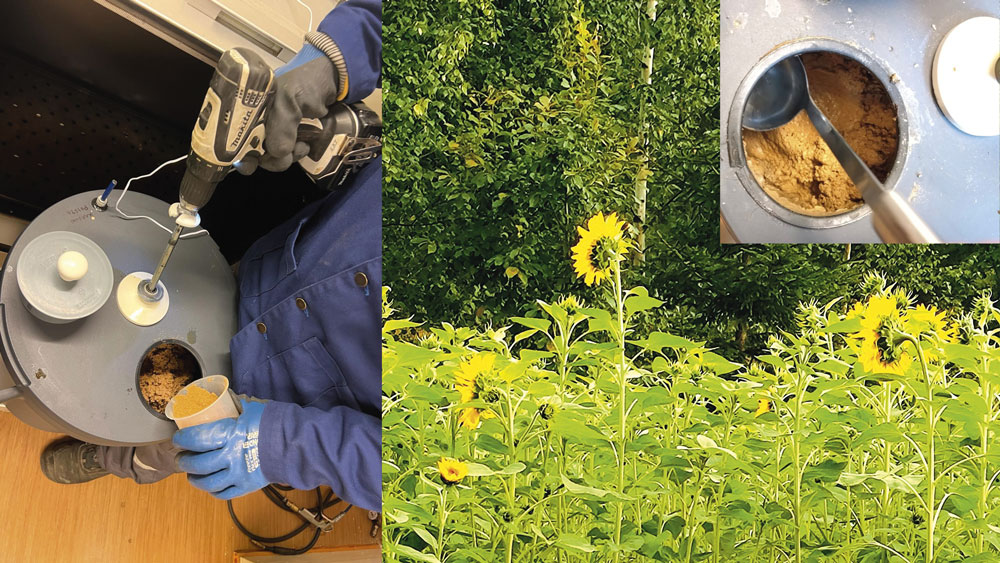
They also generate short-distance physical and chemical forces that facilitate nutrient circulation, water distribution, and symbiotic relationships between each other and with plants.
“Fertilization boosts output. Maintenance preserves the system”, says Hakalehto.
By establishing these networks, microbes effectively reduce the risk of “unplanned downtime” in food production, similar to condition-based maintenance in industrial systems. Their effects are often more measurable collectively than individually, creating resilient soils, higher yields, and improved ecosystem balance.
“Healthy soils show the same signs as healthy machines: stability, predictability and resilience.”
Reviving Degraded Lands to restore soil health, boost biodiversity, and support sustainable agriculture. Even severely degraded or erosion-damaged soils can be restored using microbial and forest industry solutions, Hakalehto notes.
“Yes. In a big way. This could be extended to forest growth and ecology, too.”
Microbial activity, combined with processed side streams, helps rebuild soil structure, retain water, and restore nutrient availability. Over time, this approach can return previously unproductive land to reliable, long-term agricultural use, reducing the need for chemical inputs and lowering environmental stress.
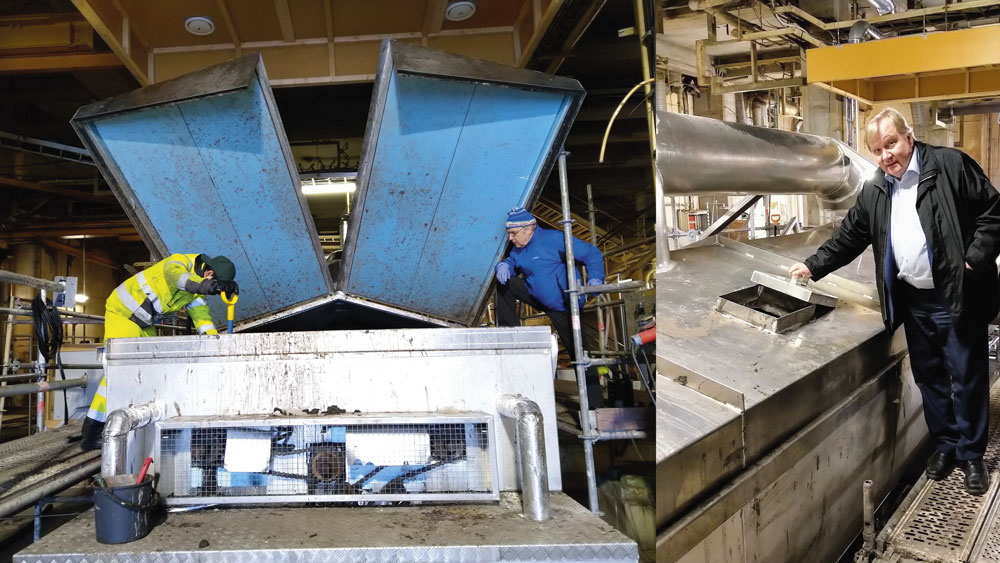
Finnish experience provides compelling evidence. In the early 2000s, researchers of Finnoflag Oy studied industrial sludges from the Savon Sellu factory in Kuopio, converting them into chemicals, energy gases, and fertile soil. The EU Baltic Sea Region ABOWE project (2012–2014) expanded this work, piloting forest and food waste through mobile biorefineries in Finland, Poland, and Sweden.
Later projects, including Zero Waste from Zero Fibre (funded by the Finnish Ministry of Agriculture and Forestry and the City of Tampere in 2018–2019), produced food-grade biochemicals such as lactate and biomannitol while simultaneously improving soil resilience. Later on, in further trials by the Finnoflag team and Hakalehto, the production levels of the above-mentioned non-toxic chemicals for food and other industries, reached record levels of up to 14.7% and around 13%, respectively. The results were published in Vienna in the General Assemblies of the EGU (European Geosciences Union) between 2022–2025. Collaborations with Swedish and other foreign researchers have further demonstrated the industrial and ecological potential of microbial biorefineries, says Hakalehto.
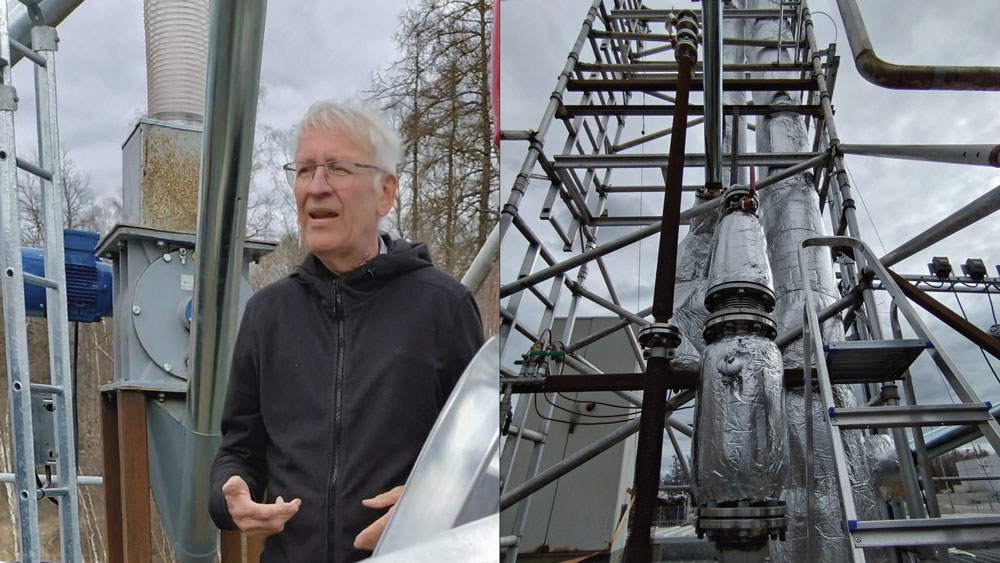
“These are not theoretical models—they are tested maintenance strategies for biological systems.”
Other initiatives, such as the EU BioResque project (2023–2025), examined soil amendment potentials of combined biomass fractions in Europe and North Africa, showing tangible improvements in soil microbiology, structure, and nutrient retention.
It plays a role in global food security. Globally, forest industries generate tens of thousands of tons of organic side streams annually, while millions of tons of biomass lie dormant in sediments. By transforming these resources into soil amendments, industries could simultaneously improve soil health, increase food production, and clean water ecosystems.
“The next frontier of maintenance lies beyond factories—in the living systems that sustain production itself.”
Examples have shown how combining microbial science with industrial expertise can create scalable solutions that strengthen both agriculture and forestry. In effect, forest industries can become ecosystem maintenance operators, not just product manufacturers.
Hakalehto stresses that the main barrier to scaling microbial, biomass-based soil solutions is not technological—it is strategic. Many industrial processes are still oriented toward single-product efficiency rather than multi-role, ecosystem-oriented operations.
Shifting industrial mindset to prioritize preventive maintenance of soil and ecosystems could deliver long-term benefits: resilient soils, sustained yields, healthier crops, and reduced environmental impact.
Hakalehto highlights that soil is more than a substrate—it is a complex production system that underpins global food security. Just like industrial machinery, it requires maintenance, monitoring, and strategic intervention.
Microbes serve as autonomous maintenance crews, while forest industry side streams provide the functional inputs to keep this system running.
Harnessing this combination could be one of the most effective strategies for preventing soil collapse, restoring degraded land, and ensuring food security for future generations.
Microbial Environmental Impact: Key Examples
• Wastewater Treatment: Microbes purify water and remove pollutants, returning cleaner water to the environment.
• Carbon Sequestration: Certain microbes capture CO₂, helping reduce greenhouse gas levels.
• Oil Spill Cleanup: Natural microbial communities break down hydrocarbons, as seen after the Deepwater Horizon spill.
• Bioremediation: Bacteria and fungi degrade toxins and industrial waste, transforming harmful substances into safer ones.
• Bioenergy Production: Microbes convert organic waste into biogas and biofuels, providing renewable energy.
• Agriculture: Nitrogen-fixing bacteria and microbial soil conditioners improve crop yields while reducing chemical fertilizer use.
• Industrial Applications: Microbial fermentation produces bio-based chemicals, plastics, and pharmaceuticals, lowering reliance on fossil fuels.
Read more about the role of microbes in Maintworld 1/2025 “The Microbial Revolution”
Text: NINA GARLO-MELKAS Photos: Elias Hakalehto, Finnoflag Oy
Subscribe to the free Maintworld newsletter here!
Right from the Beginning Building Maintenance into Scania’s Battery Factory
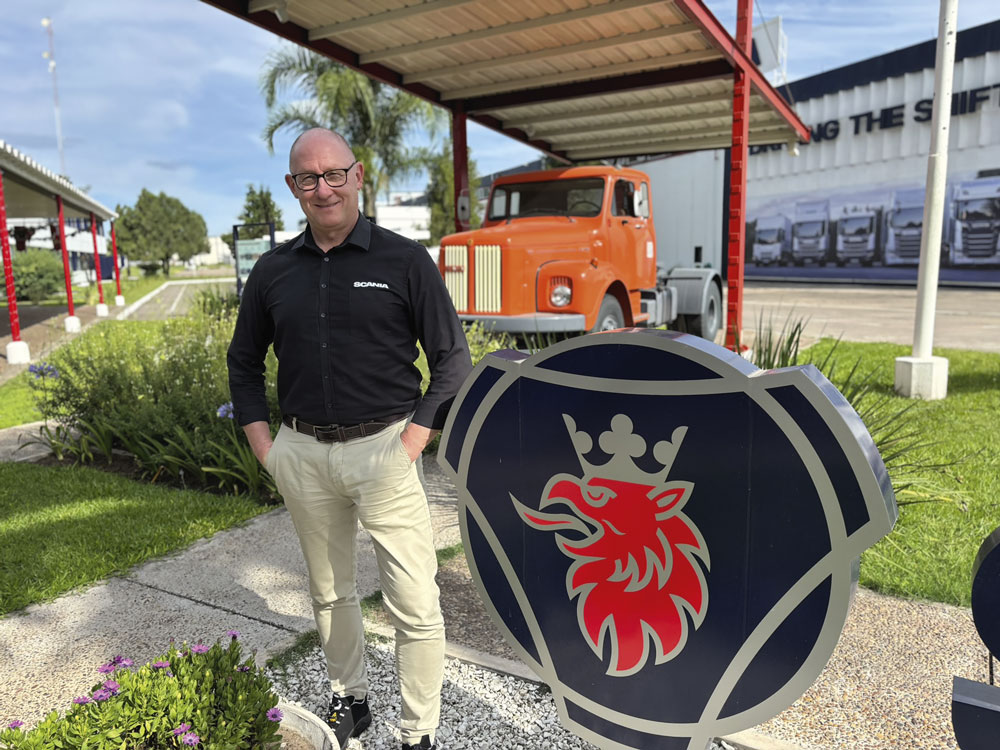
When Scania decided to build its new battery factory, and Kent-Olof Bingmark decided from the start to place value in a clear maintenance strategy. Through cross-functional strategy meetings with discussions about maintenance philosophy and recruitment interviews. His approach is simple in words but demanding in practice: getting things right from the beginning.
Kent-Olof Bingmark’s career at Scania spans more than four decades. He started at the age of 16 in the company’s own school and grew through roles in maintenance, coordination and management across several Swedish plants. Today he belongs to Scania Industrial Maintenance, a 1 200-person organization responsible for ensuring reliability across Swedish production sites.
His professional journey has shaped a clear conviction: maintenance is not a support function. It is a strategic capability.
For the past 1.5 years, his mission has focused on securing maintenance competence across Scania plants. The task has three pillars: attracting new talent, developing internal skills and, in the future, transferring knowledge from retiring experts. At the centre there is a new ambition: to build structured internal training instead of relying only on external courses.
“We know almost everything somewhere in the company”, he says. “The challenge is to organize that knowledge and make it accessible.”
Recognition Beyond a Project: Bingmark’s nomination for the European Maintenance Manager Award (EMMA) 2026 reflects more than one successful project.
He previously received a Swedish maintenance award for his work in establishing the maintenance organization for Scania’s new battery factory. For him, awards are not personal victories but confirmation that the team has done something meaningful.
Three Critical Success Factors
Reflecting on the battery factory project, Bingmark highlights three decisive elements:
1. A clear maintenance strategy from day one.
Maintenance must be involved from the earliest investment decisions. Strategy determines lifecycle cost, reliability and required competence.
2. Competence and ownership across functions.
Maintenance excellence depends on clear responsibility between production and maintenance.
3. Open communication and cultural trust.
Teams must talk with each other, not about each other. Mistakes should be discussed openly and solved together.
“Nothing is done alone and it’s recognition that we are on the right path”, he says.
A Blank Sheet: When Scania strengthened its commitment to “driving the shift toward a sustainable transport system,” electrification became a central strategic focus, and battery production a cornerstone of that transition. A key step was the establishment of Scania’s new battery assembly plant in Södertälje, Sweden, where battery packs for electric trucks are assembled.
Bingmark was asked to build the maintenance organization from scratch.
He started alone. No defined machinery. No detailed layout. No maintenance team. Just a laptop and a mandate.
“It was a blank sheet. Before any machines were installed, I focused on defining the maintenance strategy.”
That early decision shaped everything that followed: recruitment profiles, competence requirements, spare parts planning and collaboration models with production.
Handshake Strategy: Maintenance and Production Together – One of the most decisive moves was establishing a common maintenance strategy shared by maintenance, production and logistics.
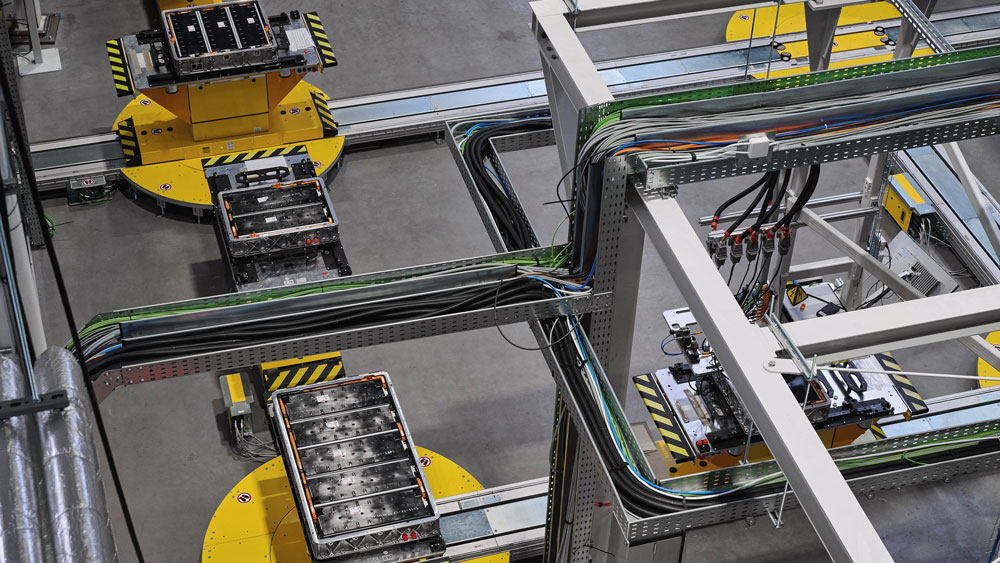
The chosen strategic plan includes working preventively through condition-based maintenance and connected machines. Another part of the strategy is to choose the timing for recurring preventive maintenance together with production. Instead of carrying out maintenance outside regular production hours and isolating maintenance work to evenings, nights, and weekends, the battery factory adopted a model with a higher maturity level. The factory introduced what Bingmark calls “planned stop maintenance.”
“Production is deliberately paused at agreed times, so that operators and maintenance technicians work together on the line, performing maintenance, cleaning, inspecting, adjusting, and learning from each other”, he explains. The result is ownership.
In Bingmark’s philosophy, the largest share of everyday machine care belongs to operators. Lubrication and early detection of deviations prevent failures before maintenance teams are needed. Maintenance becomes a partner.
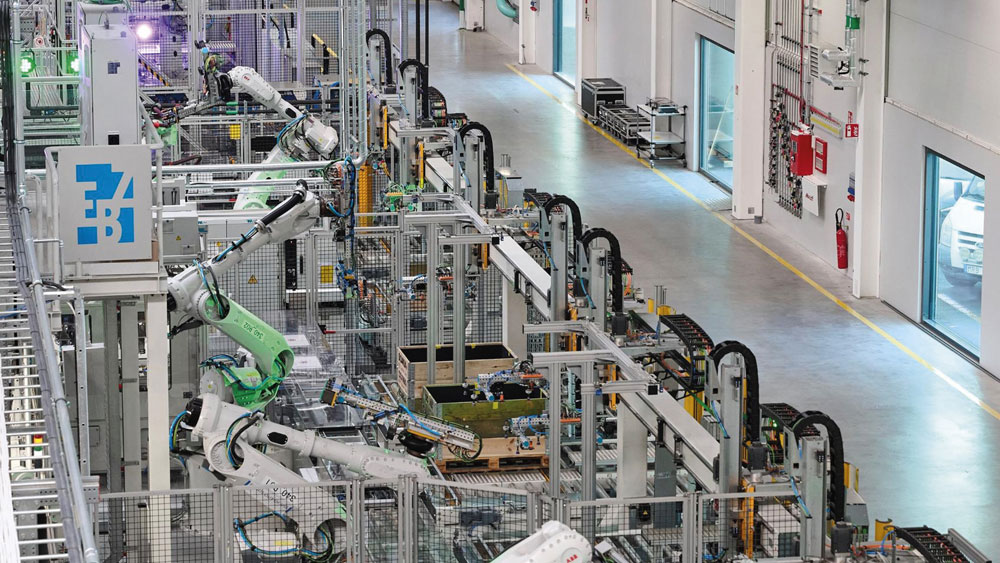
Learning Before Installation: Battery production differs significantly from traditional heavy vehicle manufacturing. Automation levels are high, processes are sensitive and safety requirements are strict.
Five Lessons for Maintenance Leaders
1. Involve maintenance at the investment stage.
Strategy defined early saves years of correction later.
2. Define a shared maintenance philosophy.
Operators are part of maintenance. Build ownership.
3. Invest in competence before start-up.
Training during equipment build phases accelerates ramp-up.
4. Use data, but build culture first.
Connected machines are powerful only when people act on the signals.
5. Stay close to your team.
Leadership is not distance. It is dialogue.
Before the equipment was shipped to Sweden, Bingmark and his team travelled to Germany, where the lines were pre-assembled. They learned directly from suppliers, tested systems and built competence before start-up.
Standing next to the first assembled line, he remembers thinking: How will we ever manage to ensure competence for all this?
The answer was structured recruitment and careful delegation. Hundreds of interviews later, he had built a team, selected not only for technical skills but for attitude.
“I wanted to see that all recruited people wanted to be part of what we were about to create,” he says.
Leadership Close to the Floor Bingmark describes his leadership style as close and democratic. He believes presence matters and dialogue even more.
His most important lesson over 42 years is to look beyond behaviour. If someone underperforms, the visible behaviour is only the surface. The real cause may lie in unclear processes, lack of competence or organizational barriers.
“Don’t judge a person too quickly,” he says. “Understand what is behind.”
During the battery factory project, this mindset was essential. The scale and complexity could easily have become overwhelming. Instead, he chose to build step by step, prioritizing what had to be done first and delegating responsibility as the organization matured.
“You cannot do everything yourself. You must trust others and let them grow into their roles.”
For Bingmark, leadership is indeed not about controlling every detail. It is about creating structure, setting directions and building a culture where people dare to speak openly, admit mistakes and solve problems together. That culture, he believes, is as important as any technology installed on the shop floor.
Kent-Olof Bingmark
Kent-Olof Bingmark has worked at Scania since the age of 16, for more than 40 years, and began his career as a maintenance technician. Over the decades, he has held roles ranging from coordinator to senior maintenance manager across multiple Swedish production sites.
He played a central role in establishing the maintenance organization for Scania’s new battery factory and is currently responsible for securing long-term maintenance competence across Scania’s Swedish operations. His leadership philosophy combines early strategic involvement, strong cross-functional collaboration and a belief in clear ownership between production and maintenance.
He is a nominee for the European Maintenance Manager Award (EMMA) 2026.
Text: Mia Heiskanen Photos: Scania media bank
Subscribe to the free Maintworld newsletter here!
Rethinking Steelmaking: SSAB’s Path Away from Fossil Carbon
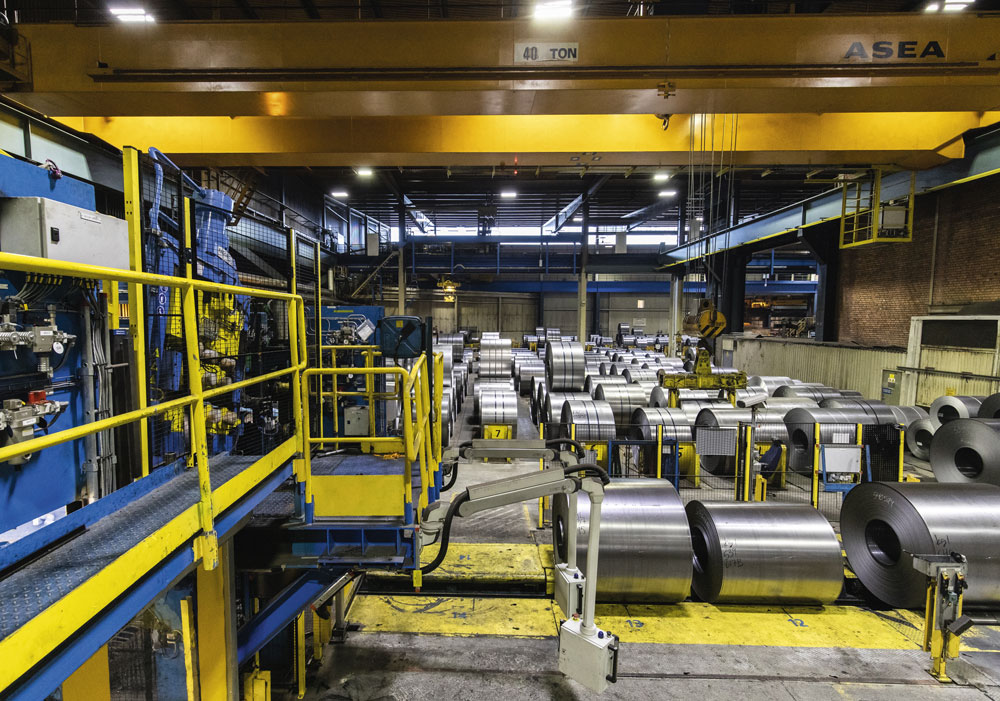
The steel industry is at a turning point. Globally responsible for 7–9 per cent of carbon dioxide (CO₂) emissions, steel production has long been associated with high carbon footprints. Companies, including Nordic steel producer SSAB, are aiming to rewrite that story.
When discussing sustainable steel, Thomas Hörnfeldt is careful with terminology.
“We try to avoid using the term green steel,” Hörnfeldt explains.
“There is no recognised definition—it could mean slightly better than conventional steel, or a revolutionary technology. What we focus on is decarbonised steel, a shift in production technology that drastically reduces CO₂ emissions,” he continues.
The urgency behind a shift toward decarbonised steel is clear. Global steel production is among the world’s largest industrial emitters, accounting for as much as 9 per cent of global greenhouse gas emissions, according to international assessments.
At the same time, global steel consumption has risen sharply and is expected to continue rising. According to the World Steel Association, world crude steel production has nearly tripled since 2000, driven by population growth, rapid urbanisation, and rising living standards across emerging economies.
According to a recent white paper published by the World Steel Association, the traditional blast furnace-basic oxygen furnace (BF–BOF) technology, which accounts for about 70 per cent of global steel production, relies on metallurgical coal and produces on average 2.34 tonnes of CO₂ per tonne of steel.
“This emissions intensity, combined with the sector’s scale, makes steel decarbonization essential for achieving global climate targets,” the report states.
For SSAB, transitioning away from fossil-based steelmaking is both a climate responsibility and a strategic opportunity.
Hörnfeldt highlights the scale of impact possible in the Nordic region: “At our home turf, we can reduce Sweden’s CO₂ emissions by 10 per cent and Finland’s by 7 per cent. That’s our contribution to the climate challenge.”
Some steelmakers, such as Finland’s Outokumpu, focus on recycling scrap steel. While this reduces emissions, Hörnfeldt, notes that scrap steel is a scarce resource. “The world’s growing steel demand outpaces recycled steel availability. That’s why we also need to use iron ore.”
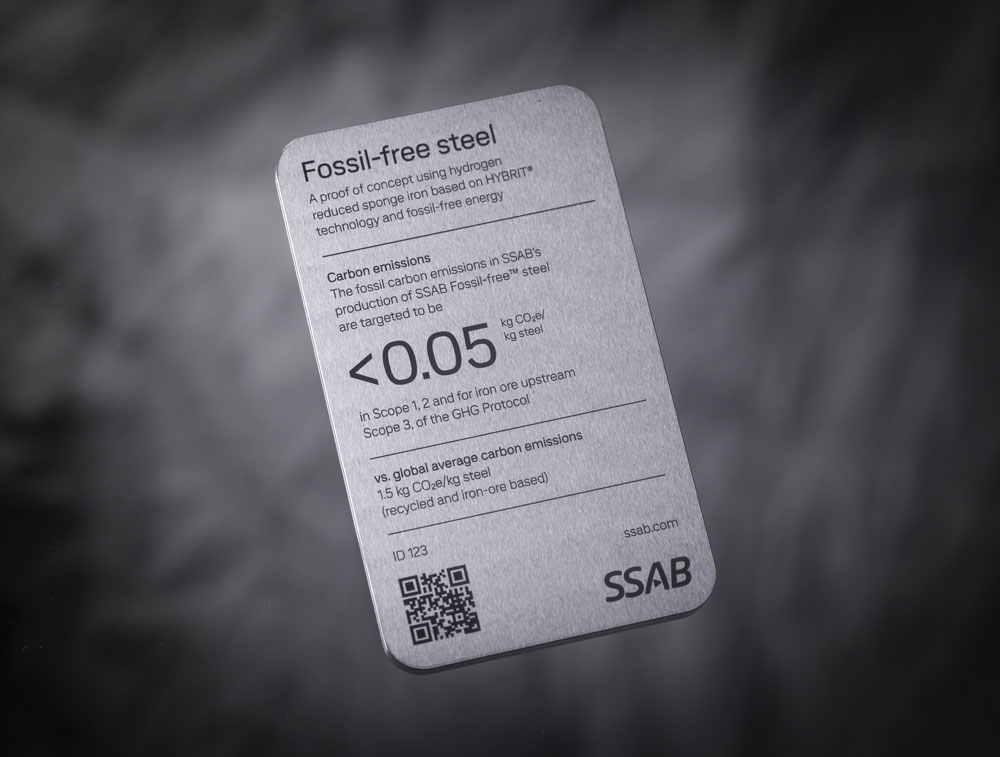
Traditionally, iron‑based steelmaking generates large amounts of CO₂ because carbon is used to remove oxygen from iron ore. However, SSAB is now working with its iron‑ore supplier LKAB (Luossavaara‑Kiirunavaara AB) and its electricity provider Vattenfall to replace this carbon‑intensive step with a hydrogen‑based process. When hydrogen is used as the reducing agent, the reaction produces water (H₂O) instead of carbon dioxide—eliminating the main source of emissions in conventional steelmaking.
Why Automakers Are Racing Toward Fossil-Free SteelThe transition toward decarbonization of steel production is already underway at SSAB’s Nordic facilities.
The automotive sector is emerging as one of the earliest adopters of low-emission steel, driven by strict sustainability targets and the rapid phase-out of tailpipe emissions.
SSAB’s Thomas Hörnfeldt notes that as vehicles become cleaner in use, the material footprint becomes the next major challenge: “Passenger cars are getting rid of tailpipe emissions as we speak. That means the carbon footprint of a car today is very much related to the materials, where steel is a big part.”
This shift is pushing automakers toward fossil-free steel at a rapid pace. SSAB already collaborates with more than 60 industrial partners, including major automotive brands. “The interest is quite high from that area,” Hörnfeldt says. “Volvo Trucks used our SSAB Zero product in 12,000 trucks last year to reduce their carbon footprint.”
For passenger cars, the impact is equally significant. “Using fossil-free steel can reduce the vehicle’s carbon footprint by roughly 30 per cent,” he explains.
EU policy is reinforcing the trend. Hörnfeldt points out that discussions around allowing combustion engines after 2035 include conditions tied to material emissions.
“There has been a trade-off saying that yes, you may continue to use combustion engines—but then you have to use low-emission steels as part of your car.”
With regulatory pressure rising and major manufacturers (OEMs) committed to reducing their Scope 3 emissions, the automotive industry is becoming a key driver of demand for SSAB’s fossil-free steel.
In Oxelösund, Sweden, one of the company’s key plants is being rebuilt to use recycled steel as a primary raw material. The upgraded plant is scheduled to go live in early 2027, and once operational, it is expected to reduce Sweden’s national CO₂ emissions by approximately 3 per cent.
Following that, the Luleå plant—SSAB’s largest facility in northern Sweden—is slated for an upgrade with a new mini-mill by 2029. This modernisation will further cut emissions, contributing to another 7 per cent reduction at the national level.
“This plant represents the ultimate goal of the company’s decarbonisation strategy: producing steel without generating CO₂ emissions,” explains Hörnfeldt.
The third step planned is for the transformation of Raahe, Finland. The Raahe project timing will depend on SSAB’s financing and execution capacity, raw material availability as well as the learnings from the Luleå project.
Unlike many industries looking to cut emissions through carbon-capture technologies, Hörnfeldt is clear that SSAB has no plans to rely on them. Continuing to import carbon only to capture the resulting CO₂ later, he says, “seems a silly way of doing things.”
In traditional blast-furnace steelmaking, carbon is used to strip oxygen from iron ore — a chemical reaction that inevitably produces CO₂. Carbon capture can trap some of these emissions, but Hörnfeldt argues that it treats the symptom rather than the cause: the process still depends on fossil carbon, and the system remains fundamentally carbon-based.
SSAB is instead moving to hydrogen-based steelmaking powered by clean electricity. This eliminates the need for carbon capture altogether, avoids transporting fossil carbon across the world, and represents a complete redesign of the steelmaking process.
SSAB is not the world’s largest steelmaker, but it is a global leader in high-strength steels.
“In high-strength steels, we hold roughly a third of the world market,” Hörnfeldt says.
“These steels allow customers to use less material while maintaining performance, delivering inherent sustainability benefits.”
The company’s decarbonised steel — marketed as SSAB Zero™ — is already used by well-known partners, including Volvo Group, Toyota Material Handling, and Epiroc. Current production of SSAB Zero amounts to a few hundred thousand tonnes. Upgrades in Oxelösund will expand capacity to more than a million tonnes annually, meeting rising demand in Europe and North America.
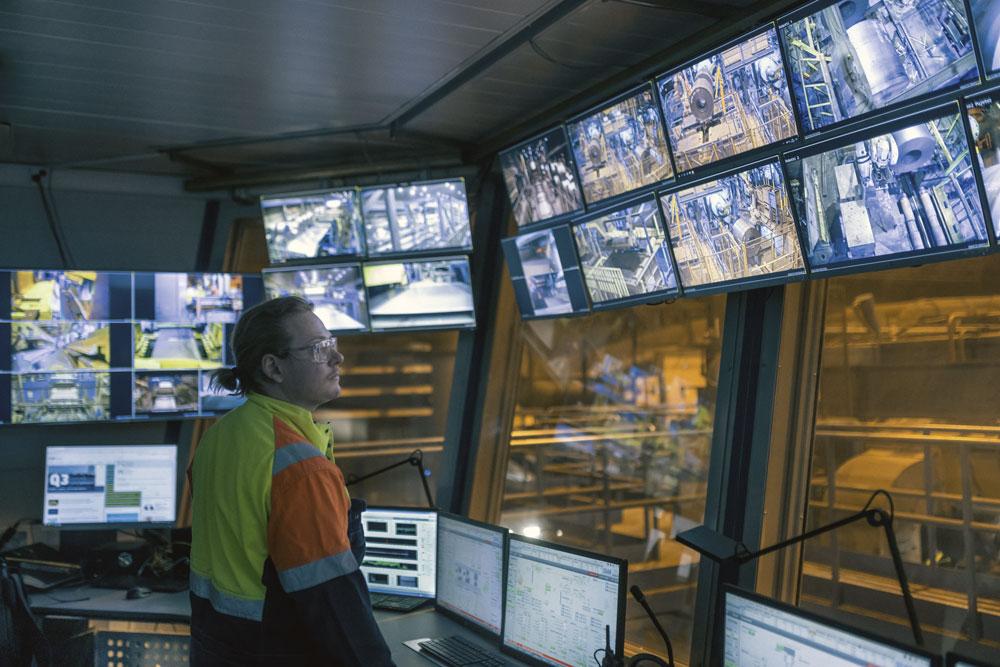
“Our own emissions for SSAB Zero are almost zero,” Hörnfeldt explains. “Across the supply chain, carbon reductions reach 70–80 per cent compared to conventional steel.”
For automotive customers like Volvo, using SSAB Zero can cut a vehicle’s carbon footprint by around 30 per cent. Similar reductions apply to heavy trucks.
SSAB’s long-term ambition is unambiguous.
“We aim to become a mainly fossil-free steel company,” Hörnfeldt says.
He believes that by 2035, rising CO₂ costs will make conventional blast-furnace steel increasingly uncompetitive in Europe.
Automakers and the construction sector are emerging as the earliest adopters of fossil-free steel, driven both by customer expectations and regulatory pressure. EU climate policy is accelerating this shift. The phase-out of combustion-engine car sales after 2035 is pushing manufacturers to cut emissions across the entire value chain, including the materials they use. Under the EU’s 2035 rules, new cars must reduce CO₂ emissions by 90%, with the remaining 10% addressed through low-carbon materials such as fossil-free steel or sustainable fuels.
The message is clear: as regulation tightens and carbon costs rise, demand for low-emission steel is moving from niche to necessity.
“The European Union’s climate framework is tightening rapidly, and the steel sector is one of its primary industries,” Hörnfeldt says.
Measures such as Fit for 55, the strengthened EU Emissions Trading System (ETS), and the phased introduction of the Carbon Border Adjustment Mechanism (CBAM) are designed to reduce industrial emissions and ensure that both EU-produced and imported steel reflect their true carbon cost. As carbon prices rise and free allowances are phased out, traditional blast-furnace steelmaking faces mounting financial and regulatory pressure.
These policies are reshaping market dynamics. Automakers, construction firms, machinery manufacturers, and other industrial customers now face stricter reporting requirements and Scope 3 expectations under EU sustainability rules. As a result, demand is shifting toward low-emission steel — including hydrogen-based and recycled routes — which help downstream industries meet their own decarbonisation targets.

For SSAB, this regulatory momentum directly supports its strategy. Its two flagship, low-emission products — HYBRIT-based fossil-free steel, produced using hydrogen-based direct reduction, and SSAB Zero, made from recycled scrap using fossil-free electricity — align closely with the EU’s long-term climate objectives. As carbon-intensive steel becomes more costly and less competitive, SSAB’s early investment positions it to benefit from growing demand across Europe.
In this environment, SSAB is not only reducing its own emissions but strengthening its market position. By aligning technological development with evolving EU policy, the company shows that decarbonised steel can be both commercially viable and strategically advantageous as Europe accelerates its transition toward a climate-neutral industry.
Decarbonisation is reshaping far more than SSAB’s emissions profile — it is driving a full operational reset. As production shifts from coal-based blast furnaces to hydrogen- and electricity-driven processes, the physical and digital infrastructure of the steel plant changes with it.
Hörnfeldt notes that the new technology brings a different set of maintenance demands. High-voltage electrical systems, hydrogen pipelines, electrolysers and automated controls require safety routines and technical skills that diverge sharply from those used in traditional coke-based operations.
“Hydrogen introduces its own protocols, from leak detection to ventilation, while electrified processes call for expertise in power electronics and energy-efficient operation”, Hörnfeldt says.
Digitalisation becomes the backbone of this new environment. Next-generation plants will rely on dense sensor networks and real-time monitoring, enabling predictive maintenance that identifies issues before they cause downtime. The result is a more reliable, data-driven and energy-efficient production system — one that supports both climate targets and cost competitiveness.
Hörnfeldt says that this technological shift is mirrored in the workforce. SSAB is retraining employees to operate and maintain next-generation equipment, blending metallurgical know-how with skills in renewable energy systems, process safety and digital analytics. The company sees this as essential preparation for a low-carbon industrial future.
In practice, decarbonisation is modernising steel plants of the future from the ground up. The facilities of tomorrow will be cleaner, quieter and more automated — and the people running them will be equipped with a new blend of skills to match.
In this landscape, digitalisation becomes central.
As one of the first companies to produce fossil-free steel at scale, SSAB is proving that even the most carbon-intensive sectors can change course. “Steel has traditionally been hard to abate,” Hörnfeldt says. “We want to show that it can be done — and must be done — long term. In that sense, our role is both practical and symbolic.”
Europe currently leads the push toward green steel, driven by regulation, customer demand and early investment in hydrogen-based technologies. But the momentum is no longer regional. Hörnfeldt notes that China, the United States and other major steel-producing regions are now pursuing similar pathways, particularly in industries such as electric vehicles, renewable energy and heavy machinery.
“The global trend is unmistakable: reducing steel’s carbon footprint is becoming a priority everywhere,” he says.
SSAB 2025 Profit Tops Expectations as Fossil-Free Steel Momentum Builds
Nordic steelmaker SSAB ended 2025 on a stronger note than analysts anticipated, supported by solid performance in North America and rising interest in the company’s low-emission steel products.
Despite a softer steel market resulting in lower-than-expected revenue growth, profitability improved year-on-year, helped by higher prices in North America and continued growth in premium and special steels.
CEO Johnny Sjöström said in a statement that the company’s strategy is paying off:
“Increasing the share of premium products supported profitability in 2025, even in a weak market.”
Looking ahead, SSAB expects steel deliveries to rise in early 2026 across all divisions, particularly in Special Steels.
SSAB’s financial results came after an interview with Maintworld. Thomas Hörnfeldt, Vice President of Sustainable Business, said that geopolitical uncertainty has not altered the long-term trajectory toward decarbonised steel.
“Large industrial companies have official sustainability objectives, and those targets remain unchanged,” he noted. “Even with global turbulence, the mid- and long-term demand for low-emission steel is intact.”
Automotive and heavy-vehicle manufacturers continue to lead adoption. Volvo Trucks, for example, used SSAB Zero in 12,000 trucks in 2025, significantly reducing supply-chain emissions. Hörnfeldt emphasised the impact: “Using fossil-free steel can reduce the carbon footprint of a vehicle by roughly 30 per cent.”
SSAB’s Nordic transformation program—replacing blast furnaces with electric arc furnaces and preparing for hydrogen-based HYBRIT production—remains on schedule.
“Once fully implemented, the shift is expected to cut Sweden’s national CO₂ emissions by 10 per cent and Finland’s by 7per cent,” Hörnfeldt says.
Despite short-term market fluctuations, Hörnfeldt sees a clear global direction: “Different parts of the world move at different speeds, but the overall trend is the same. Every region is heading toward lower-emission steel.”
Text: NINA GARLO-MELKAS Photos: SSAB Archive
Subscribe to the free Maintworld newsletter here!
Digital Transformation of Facility Management: Integration of Cafm Systems With Other Technologies

Why is integration key for effective fm? CAFM (Computer-Aided Facility Management) systems are essential for the effective digital management of buildings and technology. They centralize all information—covering assets, processes, and technology—into a clear interface, enabling facility managers to plan maintenance, monitor asset status, manage operational costs, and ensure regulatory compliance.
To achieve higher efficiency, better oversight, and eliminate redundant work, integration with other digital systems is crucial. Modern CAFM is not a standalone tool; it cooperates with diagnostic technologies, IoT, BIM models, and geodetic data. This interconnection significantly reduces operating costs, boosts maintenance effectiveness, and minimizes manual data entry errors.
IOT Monitoring and its role in Predictive Maintenance: Integrating CAFM with IoT sensors enables predictive maintenance based on the actual condition of the equipment, rather than solely on fixed maintenance schedules. Most traditional CAFM systems schedule service based on time intervals, whereas connecting with IoT allows for reaction based on the real utilization of the equipment.
Service actions are thus triggered only after real performance, for example, based on a predefined equipment “cycle,” where a service request is automatically generated after every 1,000 cycles. Another possible use of IoT sensors connected to HVAC systems (heating, ventilation, air conditioning) is the continuous monitoring of their performance. If sensors detect unusual vibrations or a performance drop, the system automatically generates a service request and assigns it to technicians. This prevents unexpected outages and expensive repairs.
Integration of Cafm with BIM: By linking with BIM (Building Information Modeling) models, the CAFM system gains access to detailed information about the construction and technological elements of buildings, which significantly increases the quality of facility management. BIM provides digital models of objects with complete construction documentation, technical elements, and systems, allowing facility managers immediate access to all relevant information.
This integration allows maintenance planning based on actual data rather than estimates and blind adherence to fixed schedules. An air conditioning unit is an example. Thanks to access to the BIM model, the facility manager has an immediate overview of the unit’s location in the building, including the detailed routing of pipes and utility lines across the premises. At the same time, they have access to technical specifications of the equipment, installation drawings, service documentation, warranty records, and previous interventions. They can quickly identify the cause of a malfunction, determine which parts of the building are affected, and effectively coordinate the service intervention.
Integration with Geodetic Systems, Advanced Building Diagnostics, and 3d Scanning: For large buildings and campuses, the integration of CAFM with geodetic data and advanced diagnostics is crucial. Thermographic cameras, 3D scanning, and drone inspections help facility managers gain a detailed overview of the building’s condition and detect problems early.
For buildings with large flat roofs, the integration of CAFM with drones and thermographic cameras helps efficiently detect and resolve leaks. Measurement results are transferred directly to CAFM, where maintenance tasks are automatically generated with the precise location of the problematic areas. Furthermore, the technician can view a 3D model of the roof and see a visualization in a realistic display, enabling precise preparation for the intervention itself.
Energy Management and Operational Cost Optimization: The integration of CAFM, IoT, and energy management enables the effective monitoring and control of energy consumption in buildings. Smart meters continuously monitor the consumption of electricity, water, or gas, which helps facility managers identify savings opportunities and minimize waste.
By linking CAFM, IoT, and energy management, it is possible, for example, in shopping centers, to monitor space occupancy and automatically regulate heating or air conditioning to match the current use of the building. Similarly, in industrial complexes, where the integrated system detects anomalies in electricity consumption, technicians are immediately alerted to potential machine malfunctions or energy leaks.
Management of Lubricants and Oils in Building Technology Systems: In asset management, oils and lubricants are not only used in industrial operations but also in various building technology systems such as elevators, HVAC systems, cogeneration units, and backup diesel generators. The quality of oils in these devices directly affects their operational reliability, lifespan, and efficiency.
Through the connection of the CAFM system with IoT sensors and lubricant/oil management systems, a request for oil testing and its replacement or purification can be automatically generated when defined threshold values are reached. For instance, in cogeneration units in hospitals or shopping centers, the condition of lubricants—which are exposed to high temperatures and contamination—can be monitored and addressed in this way. This prevention avoids unplanned outages and costly repairs.
Systems with Augmented Reality (ar) and Virtual Reality (vr) Technologies: Integrating CAFM systems with Augmented Reality (AR) and Virtual Reality (VR) technologies brings a new dimension to the management of buildings and technology. Augmented reality allows technicians in the field to view layers of hidden infrastructure, such as utility lines, distribution networks, or structural elements, without having to consult technical documentation.
Information is displayed on a mobile device or smart glasses in real space, accelerating orientation and increasing intervention safety. AR also proves useful for accessing manuals, service plans, or visual identification of components in complicated technical areas.
Virtual reality also finds application in staff training. Thanks to realistic simulations, technicians can practice correct procedures, crisis situations, or troubleshooting without physically entering the real environment. This approach is used, for example, in training for maintenance of energized equipment, handling hazardous materials, or simulating building evacuation. Both technologies significantly increase the efficiency of training, occupational safety, and the level of technical preparedness of personnel.
Integration with Access Control and External persons’ Security Technologies: Effective management of access to buildings and technical areas is an important part of modern facility management. The integration of CAFM systems with access control technologies such as turnstiles, attendance systems, document readers, or smart cards allows for monitoring the movement of employees and external personnel within the facility and ensuring that sensitive areas remain secured.
In data centers, for example, a system can be set up to permit entry to technical rooms only to authorized individuals with valid access rights. The movement of external persons, such as suppliers and service technicians, is also a crucial area. An automated system can ensure their pre-registration, verification of entry authorization, provision of safety instructions and training, or generation of a temporary access code. This approach not only increases security but also reduces the administrative burden associated with recording and approving individual entries.
Integration with AI – AI-Powered Cafm: Artificial intelligence (AI) in various forms is taking the lead in optimizing and automating processes – and in CAFM systems will be no exception. However, we should admit that many of the AI applications were not enabled by AI itself and were possible even before the massive hype of AI-powered technologies from recent years. Rather, these use cases get even more powerful with the integration with AI. AI can be made use of in the area of Predictive maintenance, monitoring and managing environmental aspects of buildings, monitoring and analysing the use of space in buildings, AI can create chatbots or virtual assistants for visitors and users of buildings, intelligent chatbots connected with AI-powered Knowledge Base can be utilized to support technicians in the field. These days, AI powered inspection tools are often combined with walking robots like cyber dogs. Also in construction project management robots are being applied to measure the progress of works on the construction site.
The Result is highly Effective Facility Management: The integration of CAFM systems with technologies like IoT, BIM, and advanced diagnostics delivers highly effective facility management, enabling condition-based maintenance, significant cost reduction, and increased operational reliability. With a growing emphasis on process automation, personnel safety, and energy optimization, the digitalization of facility management is a necessity for sustainable building operation. The future lies in smart technologies and data interconnection, providing companies that integrate CAFM systems with a crucial competitive advantage.
About the Author
ING. ONDŘEJ ANTOŠ
ING. ONDŘEJ ANTOŠ is the founder and director of EASY FM s.r.o. He has been working in asset and facility management for over 15 years. His main focus is on process digitalization and asset management automation. He was at the inception of the CAFM/CMMS system SW KLID, which is now used by companies across sectors. He actively lectures at conferences, conducts training, and is a member of professional organizations such as IFMA and the Czech Society for Maintenance.
Subscribe to the free Maintworld newsletter here!
Your Best Maintenance Tool Is Your People. Are You Training Them?

Maintenance and asset management experts are constantly adapting to new equipment, care standards and compliance frameworks. While automation and data-driven operations are addressing some of the industry’s pain points, they have yet to provide holistic maintenance solutions for any sector.
A competitive company’s strongest maintenance assets are — and will continue to be — its staff. This requires it to prioritize training as the best preventive and proactive measure for corporate longevity.
How Poor Training Impacts Industry: neglecting education and failing to upskill will lead to severe consequences for organizations. Their machinery will begin to fault and fail regularly, costing copious resources for replacements and compensating for lost productivity. Continued failures to process orders in time create a resentful customer base, while trained employees could prevent this from happening.
Dismissing the importance of fine-tuning the workforce’s knowledge about modern maintenance measures — especially for new equipment — introduces safety concerns, absenteeism and low morale among the team. Injuries, fatalities and illnesses resulting in workers’ compensation claims run companies over $1 billion weekly. If they were more familiar with how to use and maintain equipment to safe standards, these costs may be avoidable.
Additionally, improving the workforce’s knowledge about machinery maintenance boosts productivity because they become familiar with the most effective ways to preserve their lifespan. Equipment could work at peak efficiency for longer periods as staff apply their knowledge and see beneficial results in real time. This eventually translates into higher product quality, which reinforces an entity’s reputation among its audience, competitors and stakeholders.
The gratification could make people feel more satisfied with their work, which inspires them to come to work more regularly and become tenured professionals. These side effects are ideal from a maintenance perspective because every team member becomes an expert in their employer’s specific machinery. The longer they work on maintaining the same devices, the more their familiarity positively impacts the organization.
They eventually begin to waste fewer materials, parts and time. When replacing business-critical parts like bearings or conveyor rollers, they conserve energy and prevent irreparable damage to machinery. The positive reinforcement confirms the value of the training.
How to Create a Culture of Continuous Learning: Management teams and workers must have equal buy-in to benefit fully from educational programs. Otherwise, engagement and retention will be low. Therefore, stakeholders must establish a cohesive mindset among maintenance teams that celebrates professional development and continuing education. These are the most effective strategies for implementing and solidifying this change.
Use the Kaizen Mentality: Kaizen is a Japanese learning philosophy leaders worldwide are adopting. It makes learning accessible by focusing on incremental changes that lead to increased expertise and gains over time. It incorporates observational walks, root-cause analysis and community engagement as part of the learning process to involve everyone equally.
For maintenance professionals, this is ideal because it gradually introduces technicians to new problems and a wide range of solutions for addressing them. Doing so is better than bombarding professionals with everything all at once, which can be demoralizing if a team member cannot remember every detail.
Share Responsibility: many facilities have distinctions between production experts and maintenance professionals. Blending these worlds to remove silos democratizes access to maintenance knowledge, making every worker more well-rounded and proactive in the event of an issue. This is a frequent tactic used in total productive maintenance frameworks, which spreads knowledge by:
• Sharing documents across teams.
• Having interdepartmental training sessions.
• Fostering human-robot collaboration with autonomous technologies.
• Reminding staff of best practices.
Embed Training Into Workflows: if training is a part of an employee’s job description and task structure, they are likely more willing to accept it as part of their responsibilities. On-the-job training remains vital, but external resources are equally important for providing a comprehensive education.
Some enterprises are leveraging gamified experiences like virtual reality training to improve knowledge retention by up to 80%, which could give staff something to look forward to. Others are incorporating skill development through mandatory mentorship programs, where new hires are paired with experienced professionals to convey knowledge in a more interpersonal medium.
How Training Creates Competitive Organizations:pursuing this effort can yield significant benefits for companies, enhancing their reputation and competitiveness within the sector.
Productivity Equals Profitability: well-trained workers have more intimate knowledge of the equipment and software they maintain. This information can reduce human error and eliminate costly mistakes associated with harmful maintenance practices. Research from the Association for Talent Development found that businesses with better training increase income per employee by 218%, resulting in more overall revenue.
Innovation Creates Adaptability: more expansive training opportunities introduce workforces to more ways to maintain equipment. As their knowledge grows, they become more adept at generating solutions independently. The increase in agency will likely make them more receptive to the idea of disruptive technologies integrating into their workflow.
Doing so reinforces a culture of adaptability. Therefore, greater education could correlate with more innovative corporate practices as staff buy-in increases.
Brand Recognition Attracts Talent: organizations with an educational commitment become reputable employers with strong brand awareness. The best talent in the pool becomes curious about these enterprises, which improves maintenance protocols by attracting the industry’s top talent. Additionally, workers who come to a company and are excited to work there might be more likely to stay, which results in lower turnover as a by-product of prioritizing training.
In turn, this lowers the responsibilities required by acquisition and recruiting professionals. They would need to issue fewer marketing campaigns to find prospective staff and spend less time interviewing and onboarding newcomers.
Transforming Training From an Expense to a Strategic Imperative: many companies may consider education as an unjustifiable cost because it removes workers from their stations and causes downtime. However, accounting and management teams must view it as more than a budgetary item. Training is a technique for improving resilience, bottom lines and workforce skills. A sector’s foremost thought leaders became juggernauts by empowering their employees with maintenance skills for the coming generation, and everyone else must follow suit.
Text: Guest column by Elli Gabel Photo: Elli Gabel ARCHIVE, Shutterstock

Subscribe to the free Maintworld newsletter here!
Accurate Flare Metering Is No Longer Optional
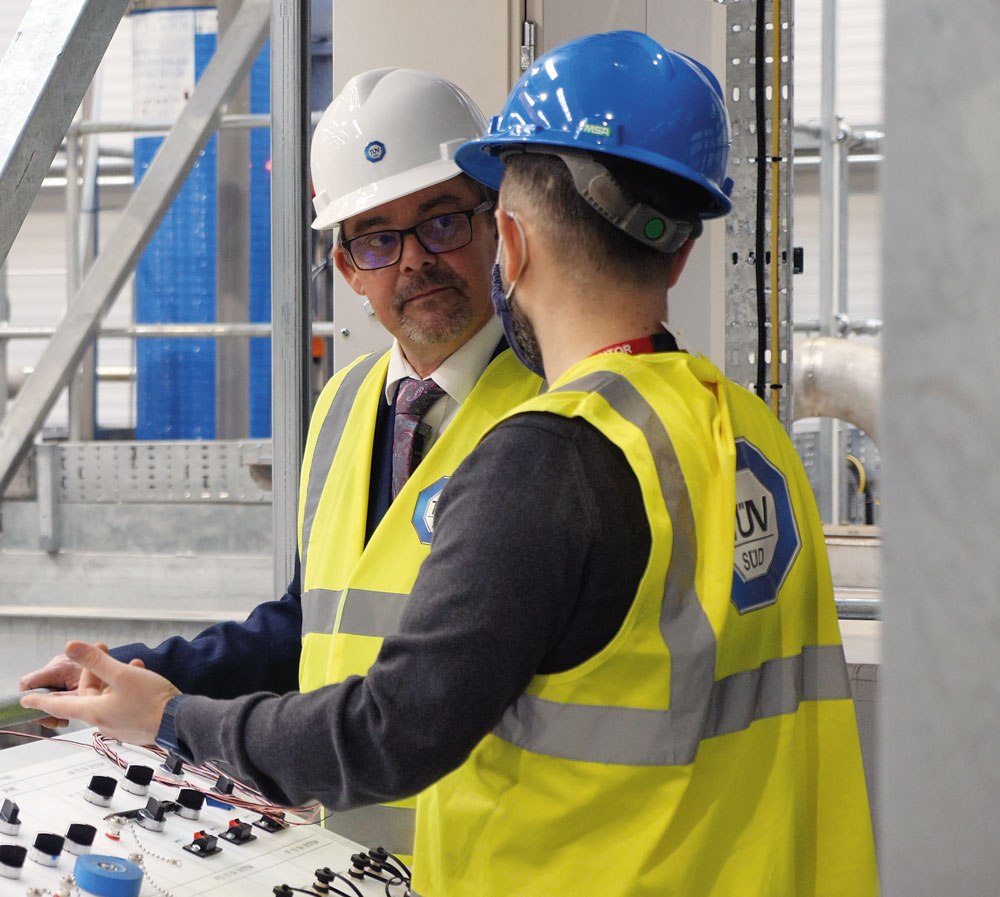
Emissions measurement is one of the oil and gas industry’s biggest challenges.
For decades, gas flaring has been an accepted and necessary part of oil and gas operations. Its primary role has always been safety: providing a controlled way to dispose of hydrocarbons during abnormal or emergency situations.
Today, gas flaring is under growing scrutiny because of its environmental impact. As regulatory pressure intensifies and global targets such as the World Bank’s Zero Routine Flaring by 2030 initiative approach, accurate flare metering and emissions quantification have become critical for operators. In the EU, this pressure is driven primarily by the new EU Methane Regulation, which mandates high-standard measurement, reporting and verification of methane emissions, with similar requirements emerging internationally.
A recent webinar, “Challenges in Flare Gas Metering and Emissions Quantification,” hosted by TÜV SÜD—a global provider of testing, inspection and certification services—emphasised that the need for accurate emissions measurement will only continue to grow.
“Accurate flare metering and accurate emissions quantification has never been more important,” said Colin Lightbody, Head of Flow Measurement Consultancy at TÜV SÜD National Engineering Laboratory. “Yet achieving reliable flare measurement in real operating conditions is far from straightforward.”
Gas flaring is responsible for roughly 400 million tonnes of CO₂ emissions every year, along with significant methane releases (World Bank 2023; IEA 2023; Science 2022). Recent satellite-based studies show that methane emissions from flares may be up to five times higher than previously estimated, largely due to poor combustion efficiency and unlit flares.
Governments, operators and NGOs are now pushing for greater accuracy and transparency in emissions reporting, placing flare systems under closer examination than ever before. Lightbody noted that emissions reporting is often discussed in terms of methane, carbon dioxide or CO₂-equivalent figures, but the practical challenges behind those numbers are frequently underestimated.
Low flow velocities, installation effects and proprietary calculation methods all contribute to rising uncertainty. For operators using flare gas recovery systems, the challenge is even greater when regulations demand tight uncertainty limits.
“Is it possible to meet a 7.5 percent uncertainty if you have a flare gas recovery system and you are flowing at 0.1 metres per second? I would say no.”
In such cases, even operators actively reducing emissions may find themselves constrained by requirements that are difficult—or impossible—to meet in practice. “In these cases, the regulations are not viable, even though the operator is trying to do the right thing.”
For maintenance teams, this increases the importance of understanding how instrumentation performs across the full operating range, not just under design conditions.
Despite the growing focus on emissions, flaring remains first and foremost a safety-critical system. Maintenance professionals working offshore or in refineries know that flare systems must function reliably during abnormal and emergency conditions.
This dual role—safety system and emissions measurement point—creates a complex maintenance challenge. Flare gas systems consist of large-diameter pipework, knock-out drums, valves, ultrasonic flow meters and highly engineered flare tips. Each component influences not only availability and safety, but also measurement accuracy.
Routine maintenance can also introduce uncertainty. When ultrasonic transducers are removed and reinstalled, even small changes in positioning or alignment can affect repeatability, particularly at low flow rates. As regulatory expectations rise, maintenance strategies that were once considered conservative may now require re-evaluation.
Accurate flow measurement is only part of the emissions equation. Quantifying emissions also depends on how efficiently hydrocarbons are destroyed at the flare tip. Historically, the industry has relied on static assumptions, often assigning a combustion efficiency of 98 percent. Increasingly, this approach is being challenged.
“It’s not just as easy as saying my flare is 98% efficient,” Lightbody noted. Combustion efficiency and methane destruction rates vary depending on flare design, exit velocity, gas composition and environmental conditions such as wind. Assuming fixed performance values can oversimplify a complex and dynamic process, leading to emissions figures that reflect theory rather than reality.
Gas Flaring: From CO₂ Control to Methane Accountability
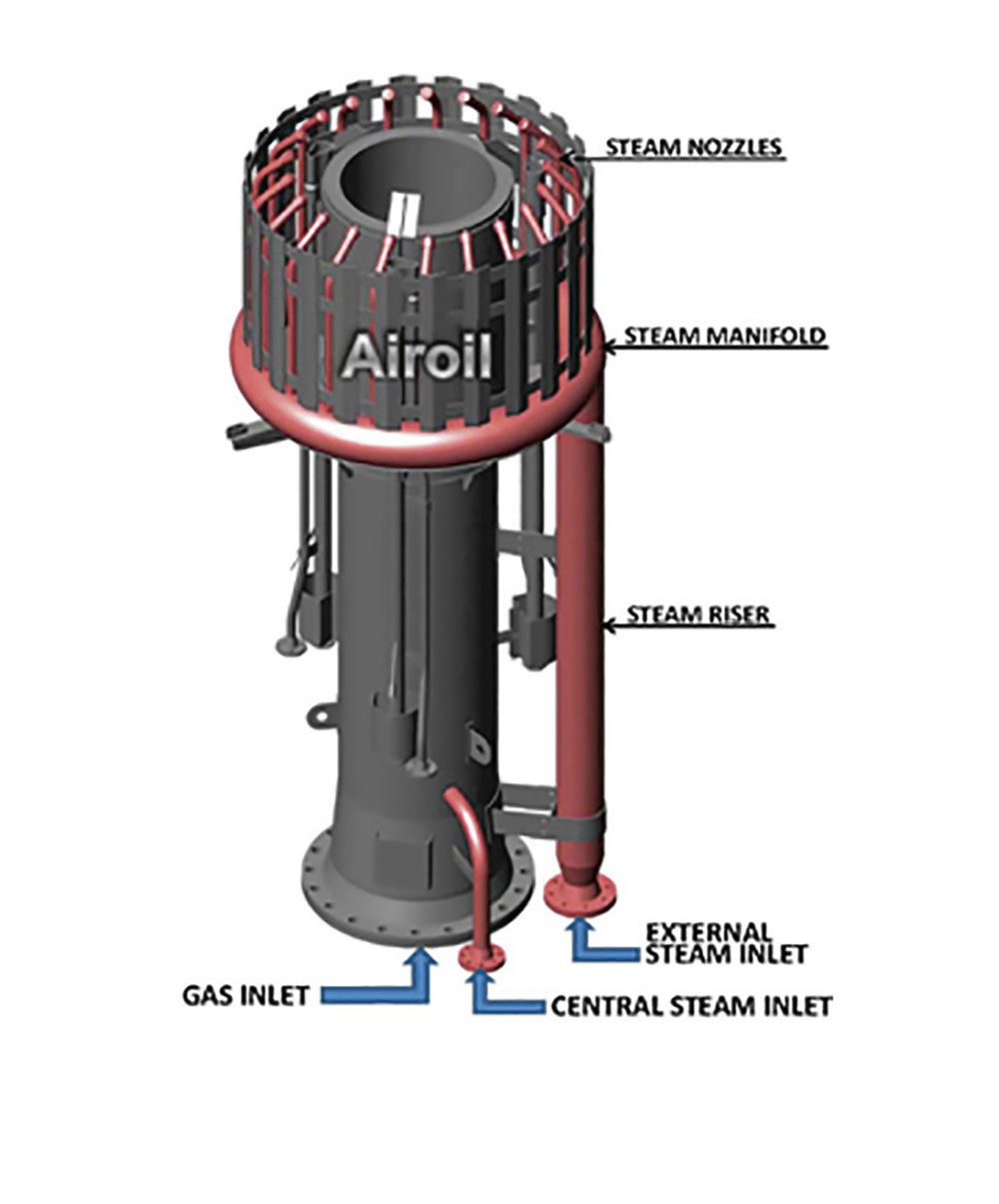
Gas flaring is the combustion of natural gas associated with oil extraction, primarily used to dispose of waste gas when capturing it is not economically viable or infrastructure is lacking.
While a safety measure, gas flaring is a significant source of CO2, methane, and toxic pollutants, impacting local health and climate.
The regulatory environment for gas flaring is continually evolving. Historically, most legislation has focused on CO₂ emissions. However, the spotlight is now on methane, which makes up about 90–95% of natural gas and has a global warming potential roughly 28 times that of CO₂ over 100 years (GWP100).
For maintenance professionals, this reinforces the need to view flaring systems as performance assets rather than passive infrastructure.
Despite the technical and regulatory challenges, the webinar made it clear that improvement is achievable. Better understanding of flow behaviour, more careful consideration of installation effects and more realistic combustion assumptions can all reduce uncertainty and improve emissions management.
From a maintenance perspective, condition-based approaches, improved documentation of as-found and as-left conditions, and closer collaboration between operations, instrumentation and environmental teams can all play a role.
TÜV SÜD offers a safety assessment service designed to evaluate the performance and compliance of industrial flare systems. According to Lightbody, this helps companies verify that their flares operate efficiently and meet international safety and environmental standards.
During the webinar’s Q&A session, attention turned to the ambition of achieving zero routine flaring by 2030. With only a few years remaining, the outlook was cautious.
“With four years to go, that might be a bit ambitious.”
Progress is expected to vary significantly by region and operator. Some countries and global companies are making strong advances, while others face structural, economic or regulatory barriers.
“There’ll be some countries and operators—like Norway or companies such as BP—who are really pushing for this.”
However, the expectation of a fully global outcome remains uncertain.
“Do I think that there’ll be zero routine flaring by 2030? Old cynic that I am—no.”
One clear takeaway from the webinar was the importance of continued learning and collaboration. As regulations evolve and expectations around emissions transparency increase, no single organisation has all the answers. Sharing real-world experience—particularly around measurement uncertainty, maintenance practices and system behaviour at low flows—is becoming increasingly valuable.
Industry workshops, technical forums and peer-to-peer exchanges provide opportunities to discuss challenges openly and learn from those facing similar issues in different operating environments.
For maintenance and reliability professionals, the message is clear: accurate flare metering is no longer a specialist concern or an environmental afterthought. It is now a core part of asset integrity, regulatory compliance and operational credibility. In a data-driven industry, the ability to measure accurately has become inseparable from the ability to maintain effectively.
Flare Emissions Measurement Challenges
• Meter Uncertainty: Regulators often require a meter uncertainty of less than 7.5%, sometimes even as low as 5%. Achieving this level of accuracy is challenging, especially in large diameter pipelines.
• Installation Effects: The presence of bends, T-pieces, and other complex piping geometries can introduce significant biases in measurement. Ensuring a fully developed symmetrical flow profile is crucial but difficult to achieve in practice.
• Dynamic Conditions: Flare systems operate under constantly changing conditions, including fluctuating flow rates, varying gas properties and environmental factors like wind speed and direction. This dynamic environment complicates the measurement process.
• Proprietary Calculations: Many flare gas meters use proprietary calculations for flow rate determination. While these are the result of extensive research, they are difficult for regulators to independently verify.
Innovative Approaches to Emissions Quantification
• Real-Time Data Analysis: Utilising real-time data analysis to monitor and adjust flare operations can optimise CE and DRE values. For instance, increasing the flow rate on windy days can improve combustion efficiency.
• CFD Modelling: Computational Fluid Dynamics (CFD) modelling can simulate various operating scenarios, providing valuable insights into potential biases and inefficiencies. This helps in generating correction factors to improve measurement accuracy.
• Transparent Calculations: Using established and verifiable calculations from recognised standards (e.g., ISO, API) for emissions quantification ensures transparency and traceability, making it easier for regulators to verify reported figures.
• Integrated Systems: Combining CFD models, live weather data, and traceable calculations into an integrated system allows for real-time optimisation of flare operations, reducing emissions and improving safety.
TÜV SÜD
TÜV SÜD offers a safety-assessment service designed to evaluate the performance and compliance of industrial flare systems. It helps companies verify that their flares operate efficiently and meet international safety and environmental standards.
Text: Nina Garlo-Melkas Photos: TÜV SÜD, SHUTTERSTOCK
Source:
World Bank. (2023). Global Gas Flaring Tracker Report 2023.
Johnson, M. R., et al. (2022). Methane emissions from flares: unlit and inefficient flares are a major source. Science.
Subscribe to the free Maintworld newsletter here!
The Last Technician – Why Maintainability Must Be Rethought for Autonomous Workers
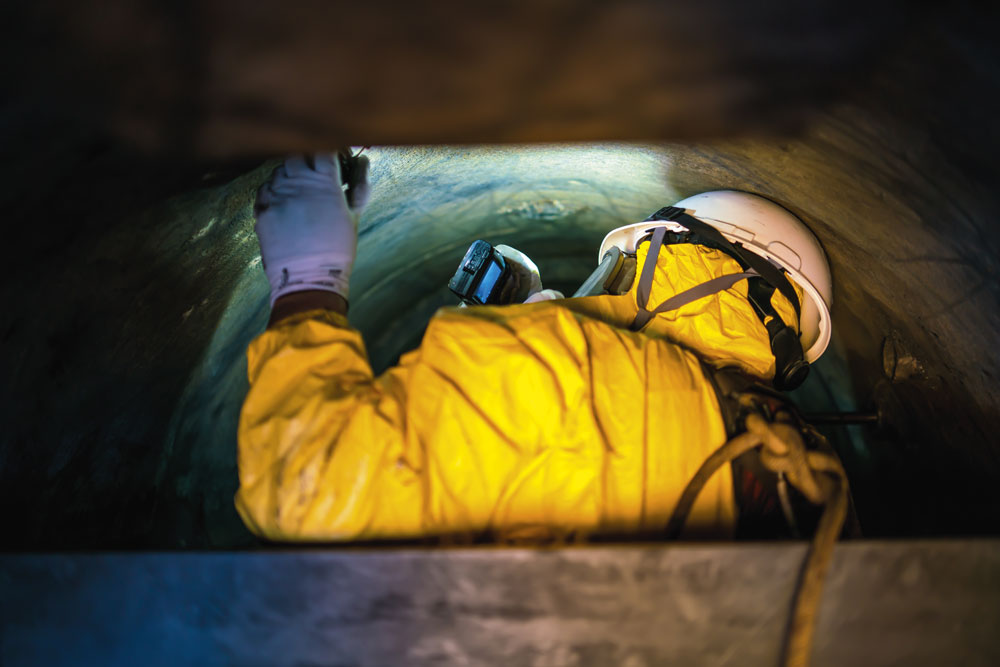
A discipline built around the human body as a discipline, maintenance has always been inseparable from the human body. From the earliest industrial systems to today’s complex plants, maintainability has been defined—often unconsciously—by what a trained person can physically and cognitively do.
The human body is the reference model: how far an arm can reach, how long a person can stay in a confined space, how much force can be applied safely, how information is perceived through sight, sound, touch, and even smell.
Designing-for-maintenance evolved from this reality. Accessibility meant physical access for people. Visibility meant line of sight for the human eye. Safety meant protecting the human body from energy, height, heat, chemicals, and motion. Procedures were written as step-by-step narratives intended to be read, interpreted, and sometimes adapted by technicians on site.
This human-centric foundation may have been a limitation, but it was a necessity, as humans were the only possible maintainers. Standards, best practices, and engineering culture have been developed based on that understanding.
The world changed while maintainability stood still: Over the last decade, something fundamental has shifted—not suddenly, not dramatically, but slowly and inevitably. Inspection tasks began to migrate away from humans and were handed to machines. At first, it was justified by safety: “We will only use robots where humans should not go.” Then by efficiency: “We will use drones because scaffolding is expensive.” Then by data quality: “Robots collect better, more consistent data.”
Slowly, inspection by machines stopped being an exceptional case and became a default option.
Today, robots inspect assets more frequently than humans ever could. They operate at night, in bad weather, during production. They enter confined spaces without permits, climb structures without scaffolding, and record conditions continuously rather than episodically.
Yet the assets they inspect remain stubbornly human-oriented.
The result is a growing misalignment: maintenance execution is changing faster than maintenance design.
Robots are present, but they are guests in a human house: Robotic systems are now common in maintenance environments, but they are still treated as visitors rather than residents. They are deployed in plants and tunnels, on roofs, and in areas that were never designed with robotic autonomy in mind. Their presence is tolerated, sometimes welcomed, but rarely anticipated at the design stage.

This matters because robots do not adapt to environments the way humans do. A technician entering a poorly designed maintenance space compensates instinctively: adjusting posture, changing sequence, improvising tools, interpreting ambiguous signals. These adaptations are invisible to standards, because they live in human experience.
Robots cannot compensate in this way. Every ambiguity becomes a failure mode. Every inconsistency becomes a risk. Every undocumented modification becomes a potential dead end.
What humans absorb effortlessly, robots must resolve explicitly—and often cannot. There is a moment in the movie Blade Runner when replicants—bioengineered humans—move through a world that is technologically advanced and carefully engineered, but fundamentally not designed for them. Doors open too slowly, interfaces feel indifferent, and the environment tolerates their presence without acknowledging their needs.
That world is replicated in industry today. Robots navigate plants that operate perfectly well for humans yet remain quietly hostile to autonomous actors. The space speaks the wrong language for robots to understand.
Like replicants, robots are not limited by capability but by environments that assume someone else—the human—is still in control. No amount of artificial intelligence can fully compensate for an asset that was never designed to recognize its new caretaker.
Inspection is solved; meaning is not: From a technical perspective, inspection is no longer the hard part. Industry has largely solved the problem of sensing. Cameras, thermal sensors, lidar, ultrasound, vibration probes, and gas detectors provide unprecedented visibility into asset conditions. And robots do not “miss” inspections because of fatigue, weather, or scheduling conflicts.
However, sensing is not understanding.
Traditional maintainability assumes a human interpreter. Someone looks at the data, integrates them with experience, recalls previous cases, and decides whether action is required. This decision process is informal, contextual, and difficult to codify, but it works because humans are good at ambiguity.
Robotic systems require explicit criteria, however. They need to know what constitutes normal, degraded, and unacceptable states. They need thresholds, confidence levels, and decision logic. When assets are not designed to expose their condition clearly and consistently, autonomy cannot progress beyond observation.
This is why many robotic maintenance initiatives plateau. Robots gather data, but humans still decide and act. The bottleneck is not technology—it is asset intelligibility.

In 2001: A Space Odyssey, HAL 9000, the space ship’s onboard AI computer, has a massive failure. HAL does not fail because it lacks intelligence. It fails because it is asked to operate within a system built on incomplete, contradictory, and human-centric assumptions. HAL sees everything, monitors everything, and calculates relentlessly—yet its understanding is fatally misaligned with the reality it is meant to manage.
Modern robotic inspection systems face a less dramatic version of the same dilemma. They observe more than any human inspector ever could, yet they are expected to infer meaning from assets lacking explicit logic. Data are abundant, but context remains implicit.
When we say “the robot did not understand,” what we often mean is that the asset never explained itself. Autonomous systems do not need better algorithms.
They need assets that are explicit, interpretable, and honest by design.
What the 2025 standard says—and what it does not: The updated maintainability standard published in 2025 consolidates decades of practice. It describes maintainability as an inherent property of design. It emphasizes accessibility, testability, maintenance time, skill levels, procedures, and support. It provides guidance on planning, analysis, and verification.
But it remains silent on a critical question: Who is performing maintenance?
By not explicitly addressing the performer, the standard implicitly assumes maintenance is still carried out by humans. Accessibility is human accessibility. Testability is human-operated testability. Procedures are written for human execution. Human analysis is central.

This silence is understandable. Standards follow established practice, and large-scale autonomous maintenance is still emerging. But the silence is also revealing. It highlights a growing gap between formal guidance and operational reality.
Assets are increasingly maintained by machines, yet maintainability is still defined as if humans were in the loop. This gap will not close on its own.
The limits of ergonomics in an autonomous world: Ergonomics is one of the great achievements of maintenance engineering. The emphasis on reducing physical strain, improving safety, and designing for human comfort has prevented countless injuries and saved many lives. Wherever humans are involved, ergonomics will be essential.
But ergonomics does not translate directly into robotic effectiveness.
A layout that is comfortable for a human may be confusing for a robot. A component that is “easy to reach” by hand may be unreachable by a manipulator with fixed degrees of freedom. A reflective surface that poses no issue to human vision may blind a machine’s vision system. A label readable at arm’s length may be invisible to a camera operating at a fixed distance and angle.
Robotic maintainability requires a shift from ergonomic thinking to semantic and geometric clarity.
From accessibility to legibility:
Accessibility answers the question of physical reach. Legibility answers the question of understanding.
For a robot, an asset must be legible in multiple dimensions. Components must be uniquely identifiable without relying on context, something humans infer automatically. States must be observable in a way that sensors can interpret reliably. Interfaces must signal how they can be interacted with, without the need for trial and error.
Legibility is not accidental. It must be designed. It requires deliberate choices about geometry, markings, contrast, interface standardization, and spatial organization.
An asset that is legible to machines reduces uncertainty, simplifies autonomy, and increases reliability. Interestingly, such assets often become clearer for humans as well—but clarity for humans alone is no longer sufficient.
Intervention exposes every hidden assumption: Robotic inspection is one thing—intervention is another. Robotic intervention remains rare, not because robots lack dexterity but because assets demand human intuition.
When a robot is asked to act—to turn a valve, connect a service line, tighten a fastener, or replace a module—it encounters the accumulated assumptions of human-centered design. Tactile feedback, variable force requirements, informal alignment cues, and undocumented dependencies all surface at once.
Simply stated, if a maintenance task is difficult to teleoperate reliably, it will be impossible to automate safely.
This shifts responsibility upstream. Intervention success depends less on robot capability and more on asset design maturity.
If the earlier examples concern how systems perceive and interpret reality, intervention exposes a different vulnerability: what happens when execution exceeds the assumptions embedded in design. The Titanic did not fail because it was poorly designed or carelessly built. On the contrary, it represented the best engineering practices of its time and complied with all existing standards. The failure occurred because the system was designed around a set of fragile assumptions: that damage would be limited, that deviations would remain within known bounds, and that the operating context would behave as expected.
Many industrial assets behave in the same way when robots attempt intervention. As long as human intuition compensates for small inconsistencies, undocumented dependencies, and design shortcuts, the system appears robust. Once that intuition is removed, those same assumptions are exposed mercilessly.

Robots do not panic, but they do not absorb uncertainty the way humans do. When robotic intervention fails, it is rarely because the robot is incapable. It is because the asset was designed to operate safely only as long as someone was there to absorb uncertainty—until the assumptions were exceeded.
When robots attempt intervention, small design ambiguities suddenly become absolute blockers. Interfaces that “work fine for technicians” fail when intuition is removed. What humans manage through experience becomes unmanageable when execution must be precise and repeatable.
The digital twin becomes the operational authority: In an autonomous world, models are the key to successful maintenance.
The digital twin is no longer a descriptive artefact. It is a navigational reference, a semantic map, and a decision framework. Robots rely on it to know where they are, what they are looking at, and what actions are permitted.
This elevates configuration management to a safety-critical function. Deviations between physical reality and digital representation are no longer inconveniences; they are sources of operational risk.
Humans notice when something “does not look right.” But robots trust their models. When the model is wrong, confidence becomes dangerous.
Preventing failure without heroics: Traditional maintenance celebrates intervention under pressure. A failure occurs, a team responds, and production is restored. Stories like these shape organizational identity and reinforce reactive behavior.
Robotic maintenance offers a different narrative. Continuous inspection, early detection, and small corrective actions prevent failures from becoming major events. Work happens quietly, often invisibly.
This is not a loss of professionalism. It is a sign of maturity.
Reliability without drama may be boring, but it is optimal.
A strategic choice—hiding behind technical discussions: Many discussions about robotic maintenance focus on technology: sensors, AI, navigation, manipulation. These are definitely important, but they distract from a deeper question.
The real question is whether organizations are willing to redesign assets for non-human maintainers.
If assets continue to be designed primarily for humans, robots will remain peripheral tools—useful but limited. If assets are designed with autonomous execution in mind, robots will become first-class maintenance actors.
This decision influences availability, safety, life-cycle cost, and ultimately competitiveness.
This is not an operational choice. It is a design philosophy.
Standards lag behind reality—and that is normal: Standards are not visionary. Instead, they formalize consensus after practice stabilizes. The fact that current maintainability standards do not address robotic maintainability is not a failure but a signal that practice is moving faster than formalization.
Practitioners, asset owners, designers, and researchers must articulate what is missing, demonstrate what works, and push the discipline forward.
If we wait for standards to lead, we will wait in vain.
The closing image: A plant is operating. There is no emergency. No alarms. No rush.
A robotic system moves through an asset, observes, interprets, intervenes if needed, and updates its own model. Humans oversee the system, review decisions, and improve designs—but they are not exposed to danger.
Nothing remarkable happens. And that is exactly what modern maintainability should achieve. Maintainability has not disappeared. It has changed its primary actor. To succeed, assets need to thrive quietly, not struggle loudly.
Text: Prof. Diego Galar Photos: SHUTTERSTOCK, gettyimages
Subscribe to the free Maintworld newsletter here!