
Where can we find future maintenance experts?

European economic growth is expected to settle at around 1–1.5 percent in the euro area and the EU in 2026. Growth is moderate, but the trend has turned.
In Europe, industry in particular has shown signs of recovery in the early part of the year. Germany has increased its investments in defense and infrastructure, Poland’s economy is growing faster than the EU average, and in several countries, industry is once again acting as the economic driver. In Finland, too, the industrial recovery is bringing much-needed positive momentum.
As production lines accelerate and investments increase, a question arises that directly affects the field of maintenance: are there enough people who know how to do it?
There is already a shortage of experienced maintenance experts. At the same time, the level of demands in the field is rising.
Maintenance is no longer just about fixing faults or performing predefined maintenance tasks. It is increasingly about understanding systems, interpreting data, and making proactive decisions.
Technological upheaval has rapidly changed professional images.
The job of a maintenance engineer is not the same as it was a decade ago. Real-time condition monitoring, sensor technology, data analytics and artificial intelligence-based predictions are part of everyday life in many organizations. This development does not reduce the need for experts – on the contrary. It changes the focus of expertise.
Tomorrow’s maintenance will require professionals who, in addition to measurement technology, also master data management, analytics and reporting. The ability to combine technical understanding with digital tools is needed.
Maintenance is no longer routine, but expert work and its value is directly reflected in the reliability and competitiveness of production.
Therefore, one key question for us is: where do we find these new factors?
Perhaps we need to look in that famous mirror. Could maintenance also offer an attractive career path for experts in information technology, automation or data analytics?
Could we communicate our industry more boldly from a technology and impact perspective – not just as a support function, but as a strategic competitive factor?
Maintenance is the invisible backbone of society. It ensures that factories run, energy flows and infrastructure functions. When we succeed in making this visible and opening the doors to multidisciplinary expertise, the industry can become even more attractive.
The creators of the future may not yet know that they belong to maintenance. Our job is to tell them why they should.
Jari Kostiainen




Subscribe to the free Maintworld newsletter here!
Leadership Lessons on Building a Future-Ready Maintenance Organization
In industrial and maintenance environments, leadership is often defined by reliability. Keep the assets running. Hit the KPIs. Avoid surprises. But as technology, skills, and expectations change faster than ever, reliability alone is no longer enough.
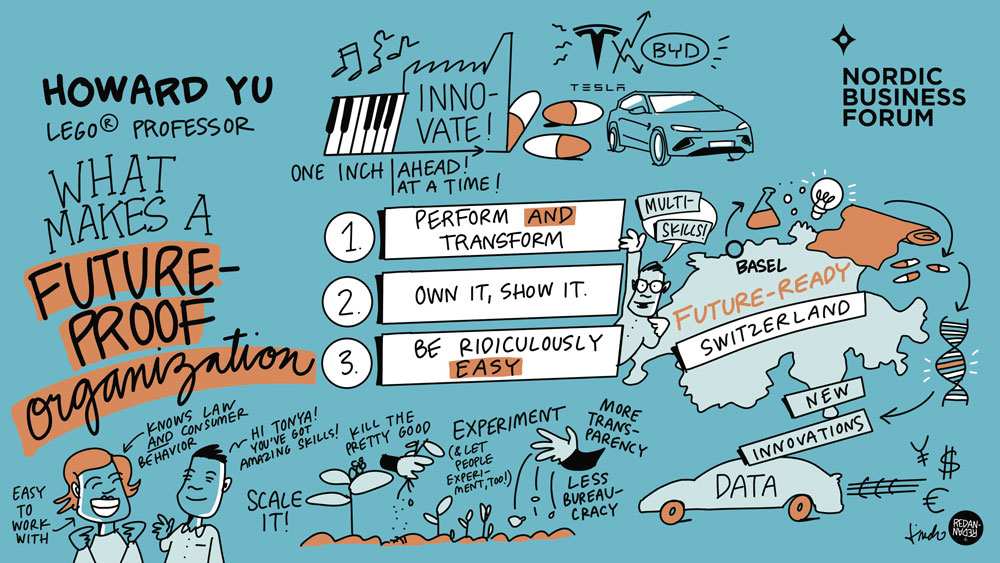
Howard Yu, Professor of Management and Innovation at IMD Business School, shares a simple but powerful idea: future-ready organizations are built by leaders who learn to perform today while transforming for tomorrow. Not later. Not after the next shutdown. Now.
For industrial and maintenance leaders, this tension is familiar. Every hour spent experimenting can feel like an hour taken away from uptime. Yet organizations that focus only on optimizing today quietly fall behind. The leaders who endure are those who do both.
Yu calls this discipline perform and transform. It means protecting today’s operations while deliberately building new capabilities alongside them. In maintenance, this might be a small pilot in predictive maintenance, a limited AI use case for work planning, or training one technician in data analysis while the rest of the team keeps production moving.
Another core lesson is ownership. Transformation is not a big program rolled out from above. It is a series of experiments. Some will work. Some won’t. Future-ready leaders make failure survivable and learning visible. They are also willing to stop what is merely “pretty good” to scale what is truly valuable. In maintenance, this can mean retiring legacy routines that feel safe but add little value and doubling down on practices that genuinely improve reliability or safety.
Yu also emphasizes ecosystem thinking. Strong organizations don’t try to do everything alone. They make themselves easy to work with. For maintenance leaders, this means reducing friction between operations, IT, OEMs, contractors, and partners. Learning speeds up when collaboration is simple.
Perhaps the most human insight is Yu’s reminder to “find your Tony”, the curious individual who steps forward without being asked. Often young, often unnoticed, and often closest to real work. Many maintenance breakthroughs don’t come from consultants, but from technicians who see problems every day and dare to suggest a better way.
Future readiness is not about giant leaps. It is about being one inch ahead. One process improved. One skill learned. One experiment launched. Over time, those inches add up.
Leadership in industry and maintenance has always been about responsibility. Today, it is also about readiness.
Howard Yu
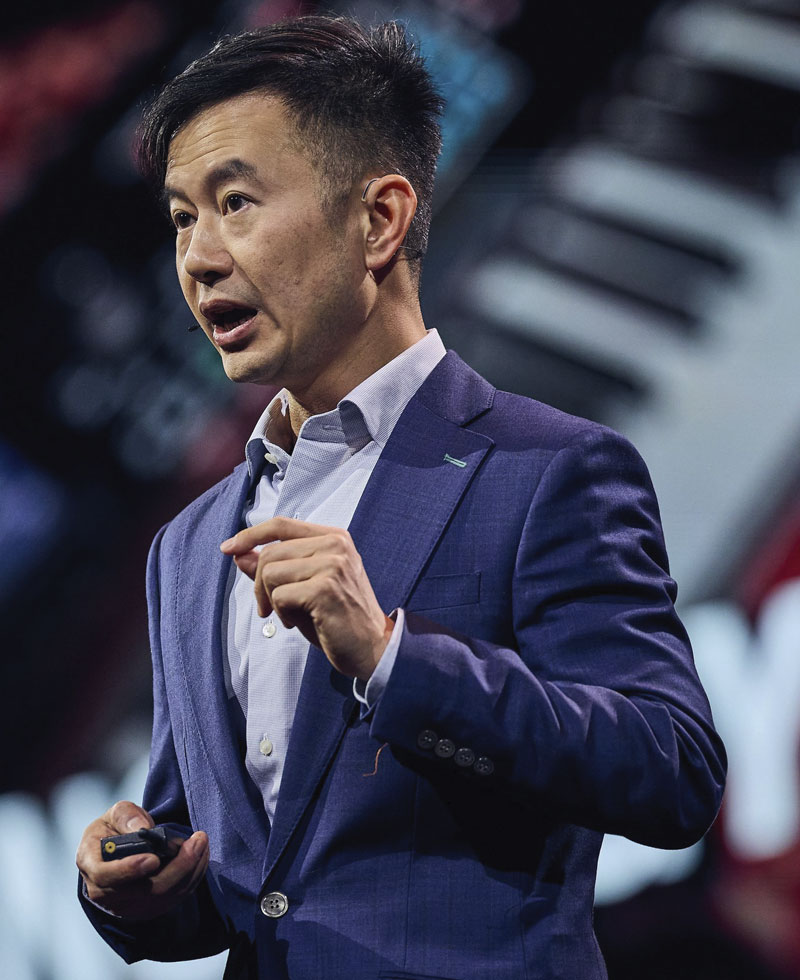
Howard Yu is the LEGO® Professor of Management and Innovation at IMD Business School and Director of IMD’s Center for Future Readiness. His research focuses on why some organizations adapt and grow while others fall behind. Working closely with industrial and technology-driven companies worldwide, Yu helps leaders turn strategy into everyday habits that keep organizations just one inch ahead.
Key takeaways for industrial & maintenance leaders
1. Perform and transform simultaneously. Protect today’s performance while intentionally building tomorrow’s capabilities.
2. Make learning faster than change. Encourage experimentation, stop low-value routines, and scale what works.
3. Progress beats perfection. One small step forward, taken consistently, builds future readiness.
Text: Mia Heiskanen Photos: Pasi Salminen Visual: Nordic Business Forum/Linda Saukko-Rantala
Subscribe to the free Maintworld newsletter here!
Engineering the World’s First Artificial Energy Island
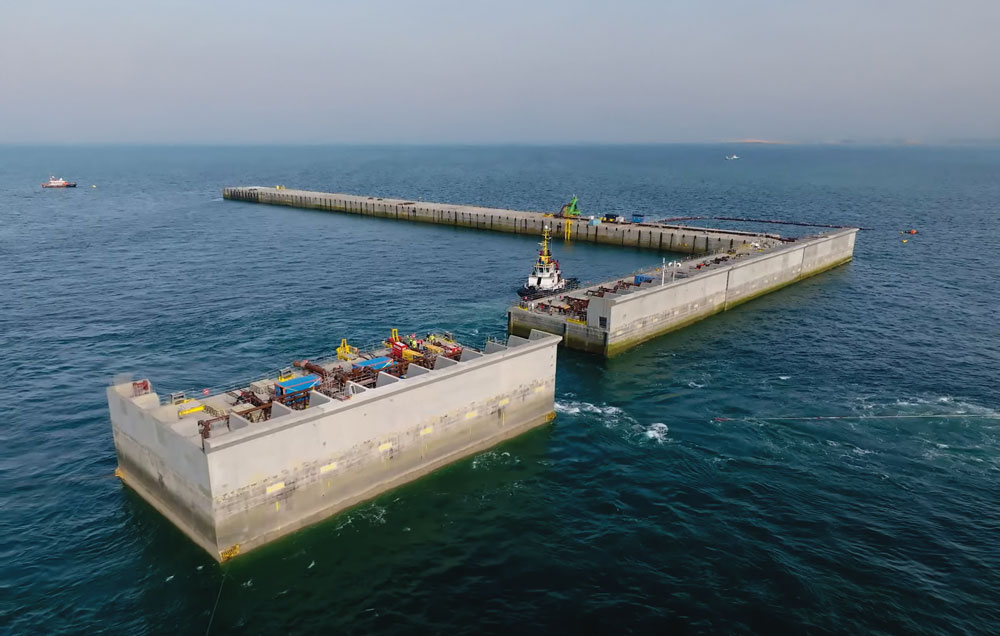
In 2022, the Belgian publicly-owned transmission system operator Elia Group announced plans to build what it called “the world’s first artificial energy island”, connecting up to several gigawatts of offshore […]
In 2022, the Belgian publicly-owned transmission system operator Elia Group announced plans to build what it called “the world’s first artificial energy island”, connecting up to several gigawatts of offshore wind capacity.
“By quadrupling our offshore wind capacity by 2040, we will strengthen our energy independence, reduce our energy bills and cut carbon emissions,” said Belgian Energy Minister Tinne Van der Straeten, presenting the Elia plan.
Construction of the island started in 2023.
A New Model for Large-Scale Offshore Grid Integration: Located approximately 45 kilometres off the Belgian coast in the North Sea, the Princess Elisabeth Energy Island represents a pioneering approach to integrating offshore energy at scale.
The main construction work will be carried out by the TM Edison consortium, a joint venture between the Belgian marine engineering companies DEME Group and Jan De Nul Group. The consortium will be responsible for dredging, seabed preparation and the construction and installation of the concrete revetments on the island.
Other partners include engineering companies such as Iv, HSM Offshore Energy and Smulders, which will support the design and integration of the island’s high-voltage infrastructure, and materials supplier Holcim Belgium.
The structure is engineered to withstand the demanding environmental conditions of the North Sea, including high waves, storm surges and long-term marine exposure.
Princess Elisabeth Energy Island reached its first major milestone in January 2026, when all 23 massive concrete caissons were completed and made ready for installation.
“The scope was significantly revised due to rising costs.”
“The caissons are now at the Scaldia terminal for final finishing works,” said DEME in its press release.
This spring, offshore installation of the remaining caissons resumes in the North Sea, alongside continued works to prepare the island’s interior.
At the heart of the project is a civil engineering solution based on 23 prefabricated concrete caissons. Each caisson measures roughly 58 metres in length, 28 metres in width and up to 30 metres in height, with individual weights reaching approximately 22,000 tonnes.
Once positioned, the caissons are submerged in a prepared seabed footprint and installed in a circular configuration to form the island’s outer perimeter. The caissons are filled with water to sink them in a stable and controlled manner and will form the island’s outer perimeter.
The next phase involves reinforcing the caissons with rubble to protect against summer storms, filling them with sand and preparing for the placement of the next unit.
Nature-Inclusive Engineering at Sea: The project incorporates nature-inclusive design principles as an integral part of its engineering concept.
The caisson walls and surrounding rock structures are specifically designed to enhance marine biodiversity, creating habitats for shellfish and other marine organisms.
Elia Group has emphasised that these measures aim to compensate for the ecological impact of constructing an artificial island in the North Sea.
The upper sections of the structure are planned to serve as nesting sites for seabirds, while the submerged components are intended to support oyster reefs and other underwater ecosystems.
Construction of the high-voltage alternating current (HVAC) systems began in June 2025 at HSM Offshore Energy’s shipyard in Schiedam the Netherlands, marking a key step forward in multi-yard project execution.
The contract for the HVAC stations was awarded by HSI Pemac, a Belgian-Dutch consortium comprising HSM Offshore Energy, Smulders and IV.
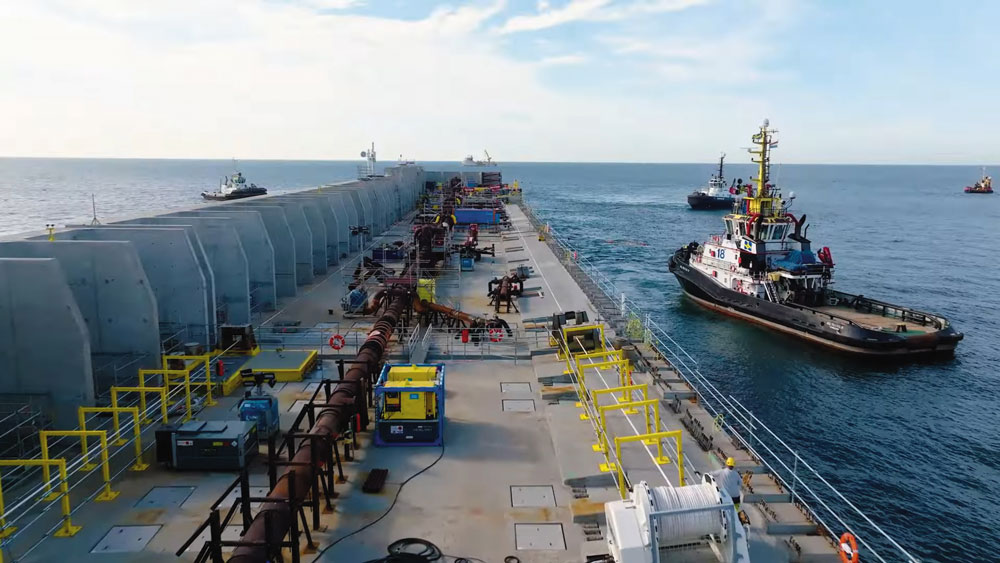
Detailed 3D modelling and other design work is carried out at IV’s offices in Papendrecht, while prefabrication takes place at Smulders’ Belgian facilities and HSM’s Schiedam plant.
Final assembly takes place in Schiedam and Vlissingen.
In addition to the electrical infrastructure, the island will include a small harbour and a helipad to support maintenance operations. These facilities will allow crew transfer vessels and helicopters to access the offshore hub efficiently, minimising downtime and operational risks.
Princess Elisabeth Energy Island was originally conceived as a hybrid offshore grid platform combining both high-voltage alternating current (HVAC) and high-voltage direct current (HVDC) systems, before the project evolved toward a stronger AC focus.
The HVAC infrastructure would collect electricity from multiple wind farms via subsea export cables, while HVDC converter stations would enable efficient long-distance transmission and the development of new international interconnectors — including a planned second link between Belgium and the United Kingdom.
However, in the summer of 2025, the Belgian government announced that the scope of the project would be significantly revised due to rapidly rising costs.
Cost Escalation Forces Project Revision: Initially estimated at just over €2 billion in 2021, total project costs had risen to approximately €7 billion, driven largely by escalating prices for high-voltage direct current (HVDC) systems and installation works.
As a result, the federal government cancelled the second phase — which would have included a third wind farm connection and a direct HVDC link to the UK. The cut is expected to bring savings of around €3 billion.
While construction of the island itself and its AC infrastructure continues, discussions with UK partners regarding a future second interconnector remain ongoing.
Strong EU Backing for the Project: The Princess Elisabeth Energy Island has secured significant European financial support as part of the EU’s wider green transition agenda. In 2024, the European Investment Bank (EIB) signed a €650 million Green Credit agreement with Elia Group to help finance construction of the offshore hub and its associated grid infrastructure.
The project has also received €100 million from the NextGenerationEU recovery fund and benefits from backing under the EU’s REPowerEU initiative, which aims to strengthen Europe’s energy resilience and accelerate the shift away from fossil fuels.
Despite the scope reduction, the Princess Elisabeth Energy Island remains a landmark project in offshore grid development, showcasing innovation under pressure.
With construction progressing in phases, the Princess Elisabeth Energy Island is widely viewed as a prototype for future offshore energy hubs in Europe.
As offshore wind capacity continues to expand, the island model offers a scalable solution for grid consolidation, cross-border energy exchange and system resilience in increasingly complex renewable energy networks.
The project now serves as both a technological prototype and a case study in the financial and supply-chain pressures facing large-scale energy infrastructure. As construction progresses, its success will likely influence how future offshore hubs are engineered, financed and phased across Europe.
Operations Scheduled to Begin in the 2030s: The island itself is due to be completed by 2027, after which construction of the wind turbines can begin, with the island expected to be operational by the 2030s.
Once completed, the modules, including the substations and the power plant unit, will support the supply of at least 2.1 GW of wind power to the continent.
In its first phase of operation, it will collect electricity from two new wind farms located in Belgium’s second offshore wind zone and will enable this energy to be connected to the country’s onshore grid.
Text: Vaula Aunola
Photos: Elia, HSM Offshore Energy
Subscribe to the free Maintworld newsletter here!
Slovakian Maintenance Society: “Maintenance is no Longer just Fixing—It’s Data, AI, and Strategy”
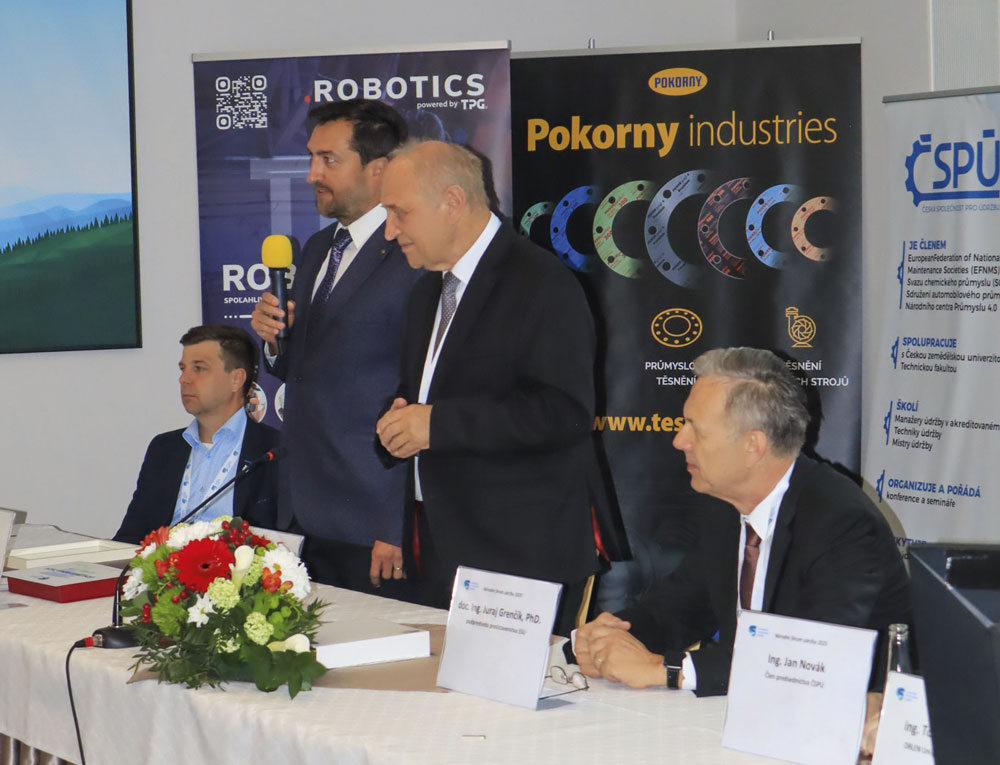
“Maintenance is no longer just fixing machines after they break—it’s about data, AI, and strategy,” points out Branislav Kysel, President of the Slovakian Maintenance Society.
For over two decades, SSU (Slovenská spoločnosť údržby) has been quietly transforming the maintenance landscape in Slovakia, positioning it as a hub for professional excellence, innovation, and sustainability within Europe’s industrial heartland.
Founded in 1999 and officially registered in 2000, the SSU is an independent, non-profit association that brings together 59 members from companies, universities, research institutes, and individual experts. Its core mission is to ensure the sustainable development of the maintenance sector while raising the professional profile of maintenance specialists across Slovakia.
Slovakia’s industrial base has long been a cornerstone of its economy, with a particular strength in automotive, machinery, and chemical industries. Over the past decade, the maintenance sector has evolved alongside this industrial growth, transitioning from reactive, repair-focused work to a modern, technology-driven discipline.
“Our role has always been to professionalize and standardize the industry,” explains Kysel.
“We promote European maintenance standards, share best practices, and encourage the adoption of modern approaches like predictive maintenance, digitalization, and Asset Management 4.0.”
The society organizes the National Maintenance Forum, Slovakia’s premier maintenance conference, which in 2026 will host its 25th edition with international participation. Beyond conferences, SSU provides workshops, seminars, and specialized courses that address trends like AI-driven maintenance, big data analytics, and condition-based maintenance.
“These initiatives help professionals move away from time-based or reactive approaches toward smarter, data-informed strategies.”
Attracting young talent to maintenance remains a challenge. Despite Slovakia’s strong engineering tradition, maintenance is often seen as a traditional, behind-the-scenes profession. SSU has taken active steps to change that perception, emphasizing maintenance as a high-tech, strategic career.
“We partner with universities such as Žilina University, the Technical University in Košice, and the Slovak University of Technology in Bratislava to integrate maintenance into academic programs,” says Kysel.
“Through training, workshops, and awards for the best diploma theses or the Maintenance Manager of the Year, we show students the innovative and impactful side of our work.”
Lifelong learning is another cornerstone of SSU’s mission. Courses based on the EN 15 628 maintenance standard train technicians, engineers, and managers to stay at the forefront of industry knowledge. SSU also offers targeted consulting for specific sectors—including automotive, transportation, metallurgy, and chemicals—ensuring the workforce is prepared for Slovakia’s diverse industrial landscape, Kysel says.
Globally, maintenance is increasingly recognized as a driver of sustainability. By optimizing processes, extending asset lifespans, and reducing downtime, maintenance directly contributes to energy efficiency and waste reduction.
“Green practices are integral to what we do,” Kysel emphasizes.
“Improved maintenance leads to better resource management and aligns with climate and environmental goals. In industries like automotive, streamlined procedures and predictive maintenance help minimize material waste and maximize energy efficiency.”
Innovation is no longer optional in Slovakia’s industrial sector. Digital tools, IoT sensors, and predictive maintenance are transforming traditional workflows. By analyzing big data and deploying AI, maintenance professionals can intervene precisely when needed, reducing downtime and operational costs.
“Predictive maintenance has grown steadily since the 1960s, but in the last twenty years, implementation and availability have skyrocketed,” Kysel notes.
“Today, maintenance integrates automated measures using AI agents, moving the industry from reactive repairs to proactive reliability management.”
Slovakia is also aligning with global trends through national strategies like the Concept of Smart Industry for Slovakia and EU-funded projects. SSU plans to participate in an Interreg Danube Region project using AI in maintenance, demonstrating the country’s commitment to digitalization and innovation.
SSU serves as Slovakia’s official representative in the European Federation of National Maintenance Societies (EFNMS). Members actively participate in committees, including Health, Safety, and Environment (EHSEC) and Maintenance Assessment (EMAC), ensuring Slovak practices align with European best practices.
“Our connection to EFNMS allows us to implement international standards in Slovakia and Eastern Europe,” says the head of SSU.
“Juraj Grenčík was recently elected EFNMS Board Secretary, which strengthens our influence and knowledge-sharing capacity across Europe.”
Juraj Grenčík is an Associate Professor at the University of Žilina (UNIZA) in Slovakia, specializing in rail vehicle maintenance, operation, and technology, with extensive experience in developing maintenance systems, active roles in the Slovak and European Maintenance Societies (SSU/EFNMS), and recognized contributions to maintenance science. Grenčík holds a PhD in the field and is known especially for his work on environmental aspects like noise/vibration in rail transport.
Kysel adds that through conferences, LinkedIn updates, newsletters, and workshops, SSU ensures that its members remain informed about the latest international standards, KPIs, and methodologies, fostering a highly connected, knowledge-driven maintenance community.
SSU envisions a future in which maintenance is recognized as a strategic driver of industrial competitiveness. By integrating digitalization, AI, and international standards, the society aims to transform Slovakia’s maintenance sector into a linchpin for productivity, quality, and sustainability.
“Effective maintenance ensures the reliability of high-value assets and complex production lines, particularly in automotive,” Kysel emphasizes.
“It directly impacts productivity, quality, and sustainability—critical factors for Slovakia’s competitive position within the EU.”
Branislav Kysel also highlights Slovakia’s strengths: a skilled workforce, a strong industrial heritage, a strategic location in the heart of Europe, and a commitment to innovation. For SSU, the ultimate reward lies in helping members share knowledge, implement best practices, and advance the profession.
“Maintenance has been my passion since university, when I started with technical diagnostics and vibrodiagnostics, ” shares Kysel.
“The most rewarding part is seeing others learn from our work, applying best practices, and pushing the industry forward.”
For maintenance professionals, the SSU represents more than a professional association—it is a knowledge hub, innovation driver, and advocate for professional excellence.
“As Slovakia continues to modernize its industry, our society’s influence ensures that maintenance is not just a function but a strategic advantage.”
About SSU
Founded in 1999, the Slovakian Maintenance Society (SSU) is a non-profit association dedicated to advancing maintenance as a profession. Its initiatives include professional education, promotion of European standards, organizing the National Maintenance Forum, and connecting Slovak professionals with international best practices.
Photos: SSU
Text: NINA GARLO-MELKAS
Subscribe to the free Maintworld newsletter here!
Cybersecurity Moves to the Forefront of Industrial Maintenance as AI and Supply Chain Risks Escalate

Cybersecurity is no longer a niche concern for IT departments; it has become a strategic pillar of industrial maintenance and operational resilience.
As digitalisation accelerates and geopolitical tensions rise, maintenance teams responsible for physical and cyber-physical systems face a rapidly evolving threat landscape. The World Economic Forum’s Global Cybersecurity Outlook 2026 highlights this shift.
Drawing on insights from more than 100 executives and security leaders, the report shows how technological change, political fragmentation and economic disparities are creating a more volatile digital environment. Cybersecurity has moved from a back-office function to a core determinant of business continuity, national security and public trust. Decisions about AI, supply chains and international cooperation now carry direct cybersecurity implications.
Geopolitics is an increasingly important factor. Fragmentation between states, concerns over technological sovereignty and declining cross-border trust complicate coordinated cyber defence. Cyber operations now intersect more often with political tensions and trade disputes, making unified responses harder even as attacks spread rapidly across jurisdictions.
The report also warns of a widening “cyber resilience gap.” Well-resourced organisations are pulling ahead, while smaller actors face rising exposure to cybercrime, supply-chain disruptions and systemic failures. This imbalance is economic as much as technical.
For industrial maintenance, the consequences are immediate. Systems once isolated are now connected and optimised through digital tools. While this improves efficiency and predictive maintenance, it also exposes critical assets to cyber threats that can disrupt operations, damage equipment and cascade across supply chains.
AI: A Double-Edged Sword for Maintenance Operations. AI is both a catalyst for innovation and a growing source of risk. According to the report, 94% of respondents see AI as the most significant force shaping cybersecurity in 2026.
While AI strengthens defences through automated threat detection, rapid adoption has outpaced many organisations’ ability to govern it securely.
In 2025, 87% of leaders identified AI-related vulnerabilities as the fastest-growing cyber risk. For maintenance teams relying on AI-driven predictive tools, this creates both opportunity and caution. AI can detect early signs of mechanical failure, but poorly secured models may leak operational data or introduce faults. Securing AI—from model training to real-time inference—must become part of the maintenance lifecycle.
Supply Chain Security: From Third-Party Risk to Operational Continuity. The report highlights systemic vulnerabilities in complex supply networks. In 2025, 65% of large companies cited supply-chain and third-party risks as their biggest barrier to cyber resilience.
For maintenance teams dependent on equipment manufacturers, software vendors and cloud systems, any weak link—outdated firmware, insecure access or unmanaged endpoints—can become an entry point for attack.
This calls for broader risk assessments, including vendor audits, dependency mapping and continuous monitoring of third-party security posture to avoid unplanned downtime.
Geopolitical Fragmentation and Its Ripple Effects. Geopolitical tensions increasingly shape cyber-risk strategies, with 64% of organisations now factoring geopolitically motivated attacks—such as disruptions to critical infrastructure—into their planning. For maintenance operations in energy, transportation and manufacturing, this means integrating geopolitical awareness into risk management and collaborating with national initiatives to share threat intelligence.
From Reactive Repairs to Proactive Resilience. The Global Cybersecurity Outlook 2026 reframes cybersecurity as a resilience issue spanning technology, operations and human expertise. For maintenance professionals, this means shifting from isolated technical fixes to an integrated, forward-looking approach.
Key priorities include embedding cybersecurity into maintenance planning, securing AI tools throughout their lifecycle, improving supply-chain visibility and investing in cross-disciplinary skills that bridge OT, IT and cybersecurity.
A Strategic Imperative for the Digital Age. Cybersecurity is now central to keeping industrial systems safe and reliable. As AI adoption grows and cyber threats become more advanced, maintenance teams must adapt by managing risks early, collaborating across functions and embedding security into everyday practices. In an era where digital failures can halt operations as quickly as physical breakdowns, cybersecurity has become an essential component of maintenance strategy and long-term competitiveness.
Source:
World Economic Forum (2026). Global Cybersecurity Outlook 2026.
Text: Nina Garlo-Melkas Illustration: SHUTTERSTOCK
Subscribe to the free Maintworld newsletter here!
Euromaintenance 2026 Sets its Sights on the Future
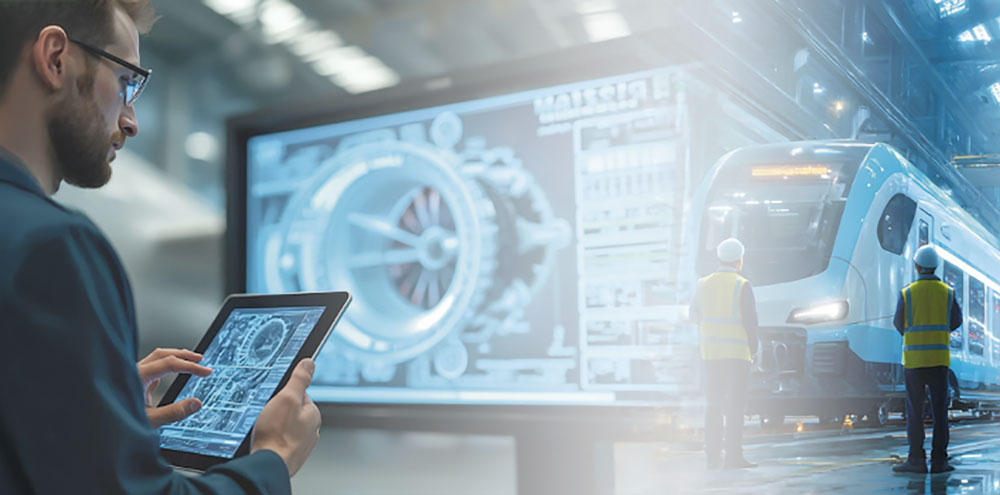
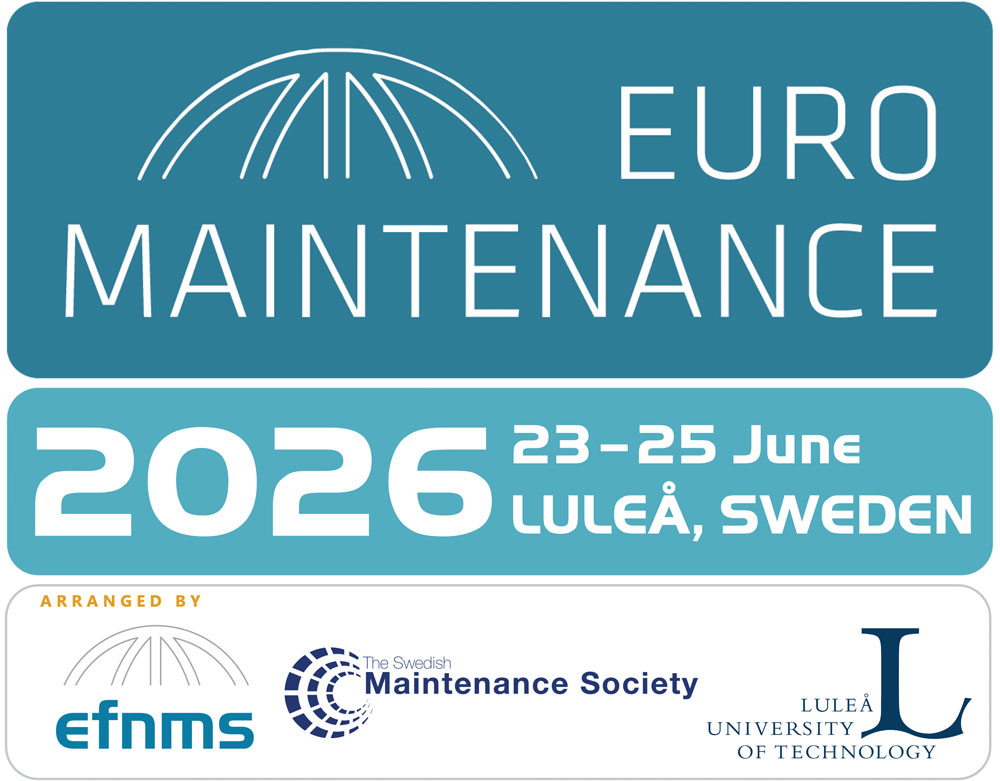
When Euromaintenance comes to Luleå in June 2026, it will not only mark a new geographic destination for Europe’s flagship maintenance conference but also signal a decisive moment for the profession itself. According to EFNMS Chair Diego Galar, this event is designed to reposition maintenance and asset management as strategic drivers of industrial performance, resilience, and sustainability.
“This is not intended to be just another conference. It is designed to be a strategic moment for the profession, where maintenance is discussed not as a support activity, but as a core driver of industrial performance, resilience, and sustainability.”
Across Europe, asset intensive organisations are facing mounting pressure from ageing infrastructure, energy transition, digitalisation, skills shortages, and stricter safety and environmental requirements. Maintenance and asset management sit at the centre of these challenges yet are still too often treated as secondary functions. According to Galar, Euromaintenance 2026 aims to change that narrative by grounding discussions in real cases and expert dialogue that demonstrates how maintenance enables value creation at the highest organisational level.
“I want participants to leave Luleå with a shift in perspective,” he says. “Maintenance today is about making informed decisions across the asset lifecycle, combining engineering expertise with data and digital tools, and aligning technical actions with business and societal objectives.”
The choice of Luleå as host city is central to that message. Northern Sweden is currently undergoing one of Europe’s most ambitious industrial transformations, with major investments in fossil free steel, advanced mining, electrification, renewable energy systems, and data centres. These are not experimental projects, but full-scale industrial systems operating under real constraints.
“What makes Luleå particularly relevant is that these industries operate in demanding Arctic conditions,” Galar explains. “Reliability, robustness, and intelligent maintenance are difficult to achieve. Assets must perform under extreme temperatures, long lifecycles, remote locations, and strict safety and sustainability requirements. This creates a very authentic link to the core themes of Euromaintenance.”
Beyond the industrial context, the setting itself is intended to support dialogue. The compact city layout, the central venue Kulturens Hus, and the Arctic summer light are expected to encourage interaction and networking. “Luleå is not just a host city,” Galar says. “It is part of the message of Euromaintenance 2026.”
Galar’s involvement in the event is shaped by his dual role as Chairman of EFNMS and Professor of Condition Monitoring at Luleå University of Technology, where the conference is being organised by the Division of Operation and Maintenance Engineering. From the EFNMS perspective, his focus is on strategic coherence and long-term relevance. From the academic side, the ambition is to ensure a strong balance between scientific depth and industrial reality.
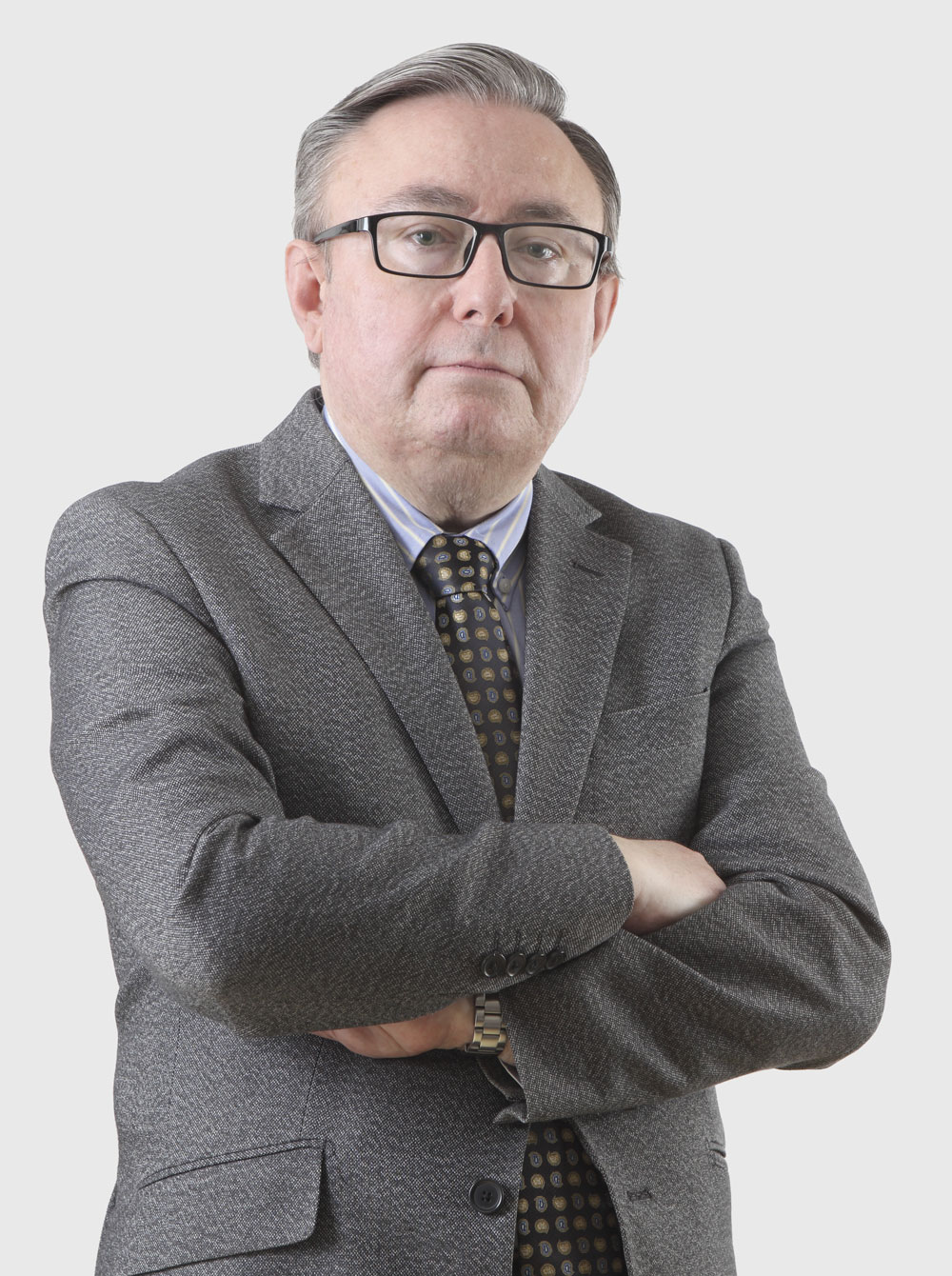
“Euromaintenance must remain a reference event,” he says. “Not driven by hype or commercial interests, but by substance, experience, and long-term thinking.”
The organisational structure behind EM26 reflects that ambition. At national level, Svenskt Underhåll provides the Swedish anchoring and industrial connection, while EFNMS ensures European governance and continuity. The academic backbone is delivered by Luleå University of Technology, with Professors Ramin Karim and Uday Kumar providing leadership of the scientific programme and overall continuity respectively.
Industry, Galar emphasises, is not treated as a passive audience.
“Industrial leaders are shaping the programme through real case studies, keynote contributions, and honest discussions about what works and what does not. The exhibition and industry participation are curated to support dialogue rather than commercial noise.”
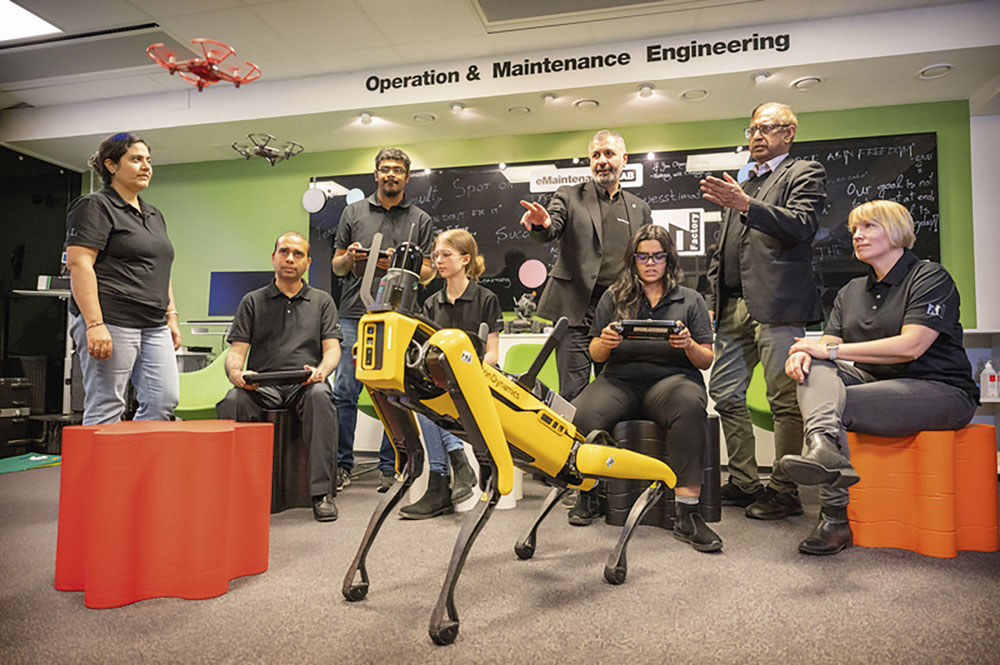
One of the defining characteristics of Euromaintenance 2026 is its deliberate effort to bring practitioners, researchers, and decision makers into the same conversation. Instead of separating audiences, the programme is built around shared challenges such as lifecycle decision making, risk management, sustainability, and digital transformation.
“In real organisations, these roles are deeply interconnected,” Galar notes. “Progress only happens when they are part of the same dialogue.”
This integrated thinking is also reflected in the conference themes. Asset management provides a strategic framework. Reliability and condition monitoring form the technical backbone. Industrial AI is treated as an enabler rather than a goal. Sustainability frames all decisions as a boundary condition rather than a slogan.
“Industrial AI will be discussed through concrete applications,” Galar explains. “Asset health monitoring, predictive maintenance, decision support, and risk-based prioritisation. Not as black boxes, but as tools that must be combined with engineering knowledge and human judgement.”
Equally important are the lessons from less successful implementations. EM26 is designed to encourage openness about limitations, organisational barriers, and failures. “Moving beyond hype is essential if AI and digitalisation are to deliver real value,” he says.
Sustainability, meanwhile, is addressed through practical maintenance driven actions. Extending asset life, reducing energy waste, preventing failures, and improving reliability are presented as some of the most effective sustainability measures available to industry. “Sustainability happens through decisions about assets,” Galar says. “Maintenance is one of the most powerful levers organisations have.”
For first-time attendees, Euromaintenance often feels different from other events in the field. It is neither a vendor driven trade fair nor a purely academic symposium.
“Euromaintenance is a European forum built on trust,” Galar says. “It is shaped by professional societies, not commercial agendas, and that creates open, honest discussions focused on learning.”
Looking beyond June 2026, Galar hopes the event will be remembered as a turning point. A moment when the European maintenance community gained clarity about its role and confidence in its voice.
“If EM26 helps move maintenance closer to strategic decision making, strengthens European collaboration, and inspires the next generation of professionals, then its impact will extend far beyond the conference itself,” he says. “The real success will be measured in how maintenance and asset management are valued and practiced across Europe in the years that follow.”
Text: Mia Heiskanen Photos: AdobeStock, Justin Jägare
Subscribe to the free Maintworld newsletter here!
Future Making and Systems Thinking in Maintenance and Asset Management
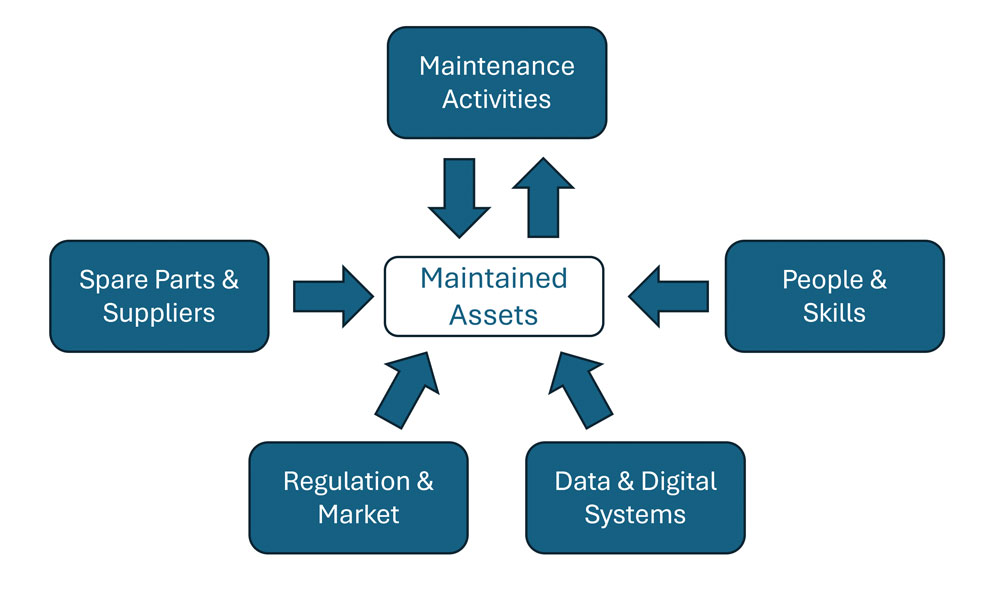
Maintenance and asset management are facing a growing number of simultaneous challenges.
Many industrial assets are operating beyond their original design life. Supply chains have become less predictable, spare parts availability is less reliable, and access to experienced maintenance personnel is increasingly constrained. At the same time, regulatory requirements related to safety, emissions, and reporting continue to expand.
Digital technologies are now deeply embedded in assets and maintenance processes, creating new opportunities but also new dependencies between physical equipment, software, and data.
These developments change the role of maintenance. Decisions that were once mainly about short-term availability or cost now have long-term effects on asset reliability, compliance, resilience, and lifecycle performance. Maintenance choices influence how well organizations can adapt to changing operating conditions over many years.
Traditional maintenance approaches work well in stable environments with clear cause-and-effect relationships. However, as assets become more interconnected and operating contexts more dynamic, linear planning and optimization become less effective.
This article examines how future making and systems thinking can support maintenance and asset management in this environment. It focuses on how these perspectives help organizations understand long-term consequences, manage interdependencies, and make more robust decisions under uncertainty.
Maintenance always shapes the future. Every maintenance decision influences the future performance of assets.
Deferring maintenance creates one type of future. Investing in condition monitoring creates another. Choosing modular upgrades instead of full replacements creates yet another. Over time, these decisions affect safety, availability, costs, emissions, and resource use.
Future making starts by making this influence explicit. It encourages maintenance teams to look beyond immediate issues and consider how today’s actions shape future options.
Instead of focusing only on questions such as “How do we fix this problem?” or “How do we reduce downtime?”, future making adds broader questions. What kind of asset system are we building over time? Which dependencies are we creating? Which options are we preserving, and which are we limiting?
This perspective is especially important in industries where assets remain in use for decades. During these lifecycles, markets change, regulations evolve, technologies mature, and operating assumptions shift. Maintenance decisions connect current conditions with future realities.
Many maintenance methods are based on linear thinking, which can limit how effectively organizations address complex and evolving operational challenges.
A fault has a clear cause. An intervention produces a predictable result. Performance can be optimized based on historical data. In stable environments, this approach remains effective. However, many maintenance challenges today are no longer linear.
Changes in operating conditions can trigger unexpected failure patterns. Software updates can affect mechanical behaviour. Measures taken to reduce short-term costs can increase long-term risk exposure. Improvements in one part of the system can create bottlenecks in another.
Systems thinking helps address this complexity.
It shifts attention from individual components to relationships between elements. It highlights feedback loops, delays, and interactions over time. This helps explain why well-intended maintenance actions sometimes produce unintended results.
From a systems perspective, an asset always functions as part of a larger interconnected system rather than in isolation.
It is part of an operational system, which is part of a business system, which is embedded in a wider economic, regulatory, and environmental context. Changes in energy prices, climate regulation, workforce availability, or supplier markets can directly affect maintenance strategies.
This broader view helps explain why some improvement initiatives fail. Optimizing a single asset or performance indicator without considering the surrounding system often shifts problems rather than solving them.
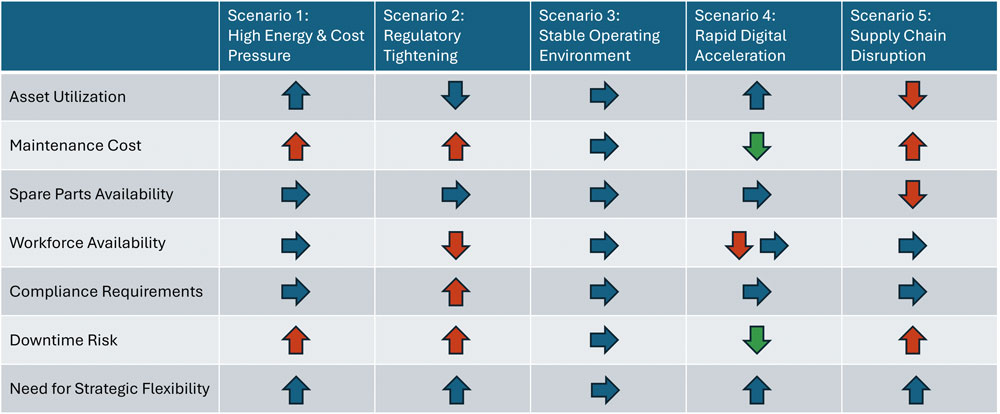
For example, increasing asset utilization may improve short-term efficiency. At the same time, it can accelerate wear, increase maintenance backlog, and reduce the ability to respond to disruptions. Systems thinking makes these trade-offs visible earlier, when corrective action is still possible.
Systems thinking is not only about understanding current interactions. It also helps organizations anticipate how the wider system may evolve over time.
Assets that are technically reliable today may become constrained by future regulatory requirements, new technological standards, or changing societal expectations. For example, equipment designed without consideration for stricter emissions limits, digital interoperability standards, or increased reporting obligations may require costly retrofits later.
A broader system perspective therefore supports future readiness. When planning asset upgrades, maintenance intervals, or digital integrations, organizations can consider how technological developments, regulatory trends, and market shifts may affect the relevance and performance of assets over their remaining lifetime.
This does not require precise prediction. It requires awareness of external dynamics and their potential impact on asset strategy. Systems thinking provides a structured way to connect maintenance decisions with these larger developments.
Future making is not about predicting the future accurately, but about preparing effectively for the possibilities ahead.
In complex and interconnected systems, precise prediction is rarely possible. Instead, future making focuses on preparedness and adaptability.
For maintenance and asset management, this often involves working with multiple plausible future scenarios. These may include different demand levels, regulatory conditions, technology adoption rates, or workforce availability. Maintenance strategies can then be tested against these scenarios.
The objective is not to select one expected future, but to identify actions that perform reasonably well across several possible futures. This supports more robust decisions and reduces vulnerability to unexpected change.
Practical implications for maintenance organizations: when applied in practice, future making and systems thinking lead to several concrete changes.
When applied in practice, future making and systems thinking lead maintenance organizations to implement several concrete changes.
Maintenance planning becomes more closely linked to long-term business and asset strategies. Data is used not only for performance optimization, but also to detect emerging patterns and early signals of change. Collaboration across functions becomes more important, as system effects often cross organizational boundaries.
The role of maintenance professionals also evolves. In addition to executing plans, they contribute to shaping asset systems that remain reliable and adaptable over time.
These perspectives do not replace established maintenance methods. Reliability engineering, condition monitoring, and asset performance management remain essential. Systems thinking and future making complement these tools by providing a broader decision context.
Maintenance has always involved uncertainty, but what has changed is the scale, speed, and interconnectedness of today’s challenges.
Future making and systems thinking provide structured ways to engage with this reality. They help organizations move from reactive responses toward more deliberate, long-term decision-making.
As assets operate under changing assumptions, the ability to understand system behaviour and consider future consequences becomes an increasingly important capability for maintenance and asset management.
About the author
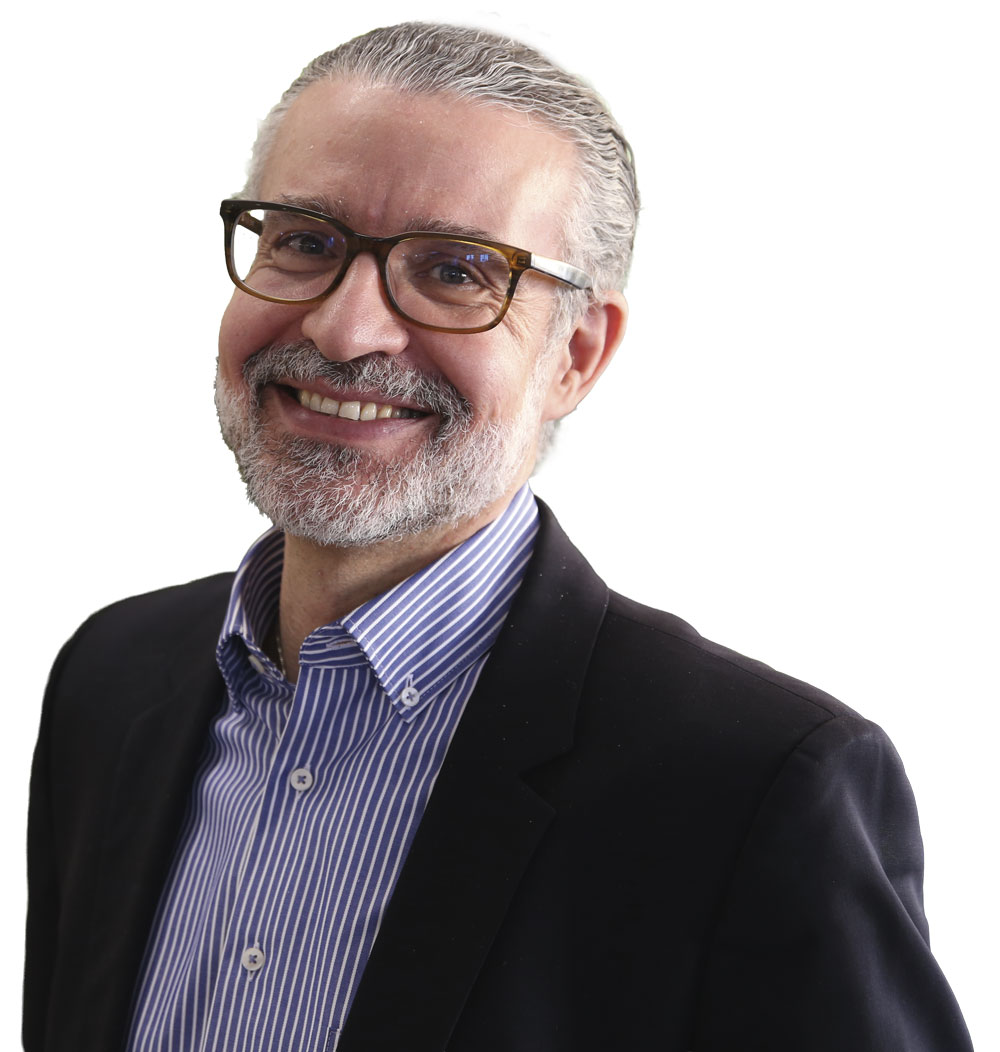
Michael Hanf is a strategy and sustainability advisor based in Helsinki. He works at the intersection of systems thinking, foresight, and industrial transformation, supporting organizations in strengthening long-term resilience and strategic decision-making.
Text: Michael Hanf Figures: Michael Hanf’s archive
Subscribe to the free Maintworld newsletter here!
Maintenance Debt – Key Indicators and Measurement Methods
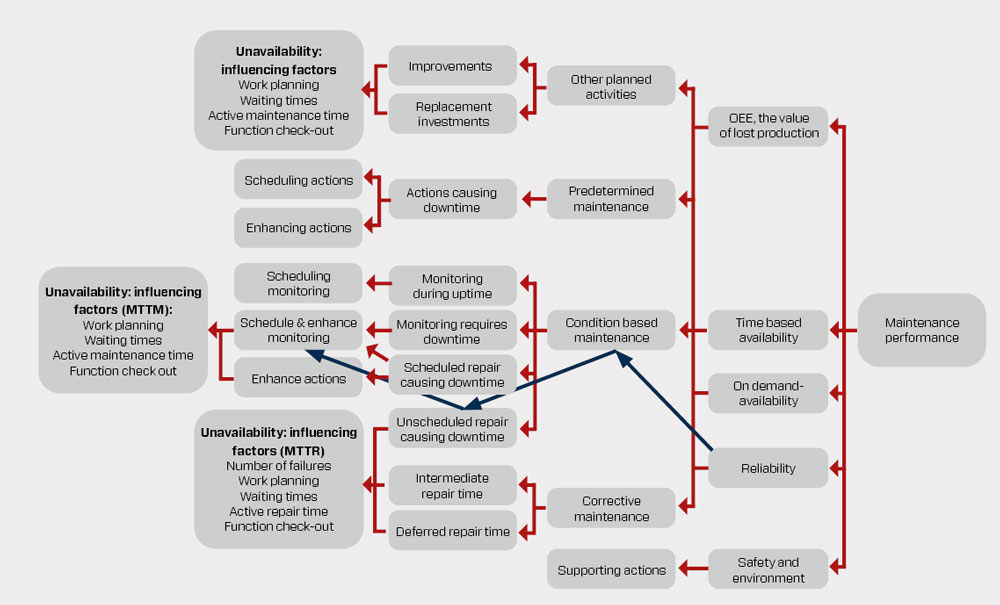
Maintenance debt (maintenance backlog, deficit in physical asset management) arises when maintenance is not carried out as planned, in sufficient scope, or at the appropriate time. The consequence is a deterioration in the performance of equipment and systems relative to requirements.
Key indicators for identifying maintenance debt: in industrial environments, maintenance debt is most often detected by observing trends in key performance indicators rather than single point observations. A single indicator rarely reveals emerging or existing maintenance debt. Instead, individual indicators primarily act as triggers for more detailed investigations.
Debt arising during the procurement phase: Debt incurred in connection with investments can be assessed by comparing alternative options in terms of lifecycle returns and lifecycle costs. Options with low lifecycle returns and high lifecycle costs may indicate investment debt originated in the procurement phase.
Indirect, indicative conclusions can also be drawn from the financial evaluation methods applied in equipment acquisitions. If the required payback period is short (for example one year) and the evaluation method emphasises purchase price or internal rate of return (IRR), there is a risk that investment debt will be created.
Debt arising during the operating phase of physical assets: a comprehensive indicator that supports the identification of maintenance debt can be formed as a composite variable consisting, for example, of:
• unavailability costs
• maintenance costs
• capital costs of replacement investments
• energy costs
• equipment integrity and quality related costs
• other equipment-related lifecycle costs.
If the trend of this composite indicator is increasing, maintenance debt may be suspected. However, whether the increase indicates maintenance debt requires additional analysis. For example, over-maintenance may raise both maintenance costs and unavailability costs. Premature replacement investments may also increase total costs.
A decline in performance rate of the item may likewise indicate emerging maintenance or upkeep debt. Naturally, performance can deteriorate for many other reasons besides maintenance, such as design errors, installation errors, operational mistakes, or changes in usage patterns.
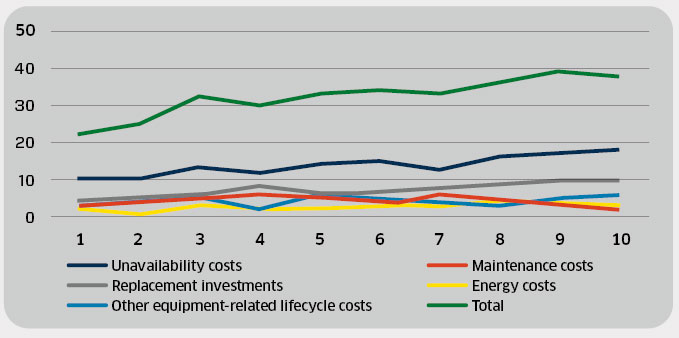
Evaluation of maintenance debt using maintenance indicators:
if an organisation knows the optimal maintenance effort in relation to production volume or to the replacement value of assets, defining maintenance debt becomes considerably easier.
a) MOTBF (Mean Operating Time Between Failures) and/or unavailability costs
If requirements, strategies, operating profile, and operating conditions remain unchanged, a shortening of the failure intervallin sijasta MOTBF together with an increase in unavailability costs may indicate the emergence of maintenance debt.
b) Ratio of corrective to preventive maintenance
If the share of corrective maintenance increases while the share of preventive maintenance decreases in total maintenance, this may be a sign of maintenance debt developing. If preventive maintenance is deliberately reduced or reduced for other reasons (for example summer holidays, retirements, hurry, cost savings, or lack of resources), this may later manifest itself as maintenance debt.
c) Maintenance costs relative to replacement value of the equipment
This is one of the indicators for measuring maintenance efficiency and aging of the assets that also considers the size of the installed assets. It may indicate maintenance debt, but it must be reviewed together with the trend of unavailability costs. A decreasing value of the indicator can either reflect improved efficiency or, under otherwise similar conditions, an increased risk of maintenance debt.
d) Maintenance costs related to output
A reduction in maintenance cost per produced output generally indicates improved efficiency, assuming that production volumes, product mix, and prices remain roughly the same.
However, the interpretation should be complemented by examining repair times. Growth in total repair time (RT) and in mean repair time (MRT) often accompanies a shortening of MOTBF. An increase in the average repair time suggests that repair actions are becoming more demanding.
e) Cause–effect chains between indicators
Example: During the review period, the delivery reliability of a production line declined. At the same time, the total time allocated to planned condition-based maintenance decreased. This resulted from changes in the interval of condition monitoring measurements (i.e., measurements were performed less frequently). Consequently, unplanned condition-based shutdowns and failures increased, which further weakened delivery reliability. The outcome was maintenance debt.
It is difficult to develop a single, unambiguous indicator for maintenance debt. Using several indicators simultaneously provides a more reliable basis for conclusions.
Measurement methods and benchmarking:
Trend analysis and indicator combinations: in most cases, maintenance debt is identified by examining trends rather than individual values. One indicator alone is seldom sufficient. Therefore, organisations should define combinations of indicators whose joint information allows maintenance debt to be assessed. In addition, the procedures and rules for interpretation must be defined in advance.
Risk-based indicator: a risk-based indicator is founded on the organisation’s own risk assessment, which may rely on expert judgement. The assessment identifies events and assets that can cause unavailability, additional costs, or safety challenges. It also evaluates the consequences and severity of maintenance debt as well as the probability of its occurrence in different assets.
Benchmarking procedure: Benchmarking is an effective but often difficult method for assessing maintenance debt. Finding a sufficiently similar production unit is challenging, and even when one is found, competitive considerations frequently prevent meaningful comparisons.
Conclusions and practical considerations: Maintenance debt most often becomes visible through changes in key figures over time. Individual metrics mainly function as alerts that prompt deeper analysis.
Anticipating maintenance debt is inherently difficult because the future involves uncertainty. Nevertheless, defining suitable indicators, monitoring them systematically, and understanding their causal relationships supports proactive management.
When evaluating maintenance debt, it is essential to recognise the long-term effects of procurement choices, operational practices, and resource allocation on the development of physical assets.
Text: Janne Hakala, Juha Huitula, Mika Kari, Kari Komonen, Timo Lehtinen
Translation: Mia Heiskanen
Subscribe to the free Maintworld newsletter here!
What is the Main Objective of your EFNMS Committee for 2026? And What is EFNMS’s Overall Goal?

Maintworld asked EFHMS key leaders to describe their main objectives for 2026. Together, the answers highlight a shared focus on people, competence, and collaboration, while reflecting the specific roles of each committee and the federation.
The EMAC team’s main objective for 2026 is to increase its visibility within the maintenance community. Through workshops and practical examples, the committee aims to show how assessment methods can support and improve daily maintenance work.
Christian Jorgensen Storm
European Maintenance Assessment Committee (EMAC)
In 2026, the European Health, Safety & Environmental Committee will focus on the mental health of maintenance personnel. This work is closely linked to the committee’s cooperation with EU-OSHA and supports the upcoming European campaign on mental health in occupational safety and health.
Jan Teun Koningen
European Health, Safety &
Environmental Committee (EHSEC)
A key priority for 2026 is the successful delivery of EuroMaintenance 2026 and a high-quality technical programme in cooperation with the Swedish organisers. In parallel, EFNMS will strengthen collaboration between its committees, with a shared focus on workshops, certification development, and standardisation.
Jaakko Tennilä
EFNMS Board – Committees and
Projects
The main priority of the European Asset Management Committee in 2026 is the development of a new EFNMS certification scheme for individuals. Alongside this, the committee will address workforce development, digitalisation, sustainability, and cross-sectoral asset management.
Janez Tomazin
European Asset Management
Committee (EAMC)
For EFNMS, 2026 is about execution and impact. The goal is to position maintenance and asset management as strategic enablers of industrial resilience, competitiveness, and sustainability, while strengthening EFNMS’s visibility, influence, and role as a connected European federation.
Diego Galar
EFNMS Chair
In 2026, the EFNMS Railway Committee will focus on consolidating its organisation and strengthening its expertise. At the same time, the committee aims to position EFNMS as a trusted European platform for railway maintenance engineering and asset management solutions.
Uday Kumar
Chairman, Railway Committee
The ECC committee aims to maintain its annual volume of 80–100 certificates and add one or two new countries.
Ilkka Palsola
European Certification
Committee (ECC)
Compiled: Mia Heiskanen
Subscribe to the free Maintworld newsletter here!
Championing Competence

Introducing the EFNMS European Certification Committee (ECC) and its mission to elevate maintenance professionalism across Europe.
Ilkka Palsola, Chairman of the EFNMS European Certification Committee (ECC), brings decades of experience in maintenance and a unique perspective shaped by his electrical automation background. Having led the Finnish Maintenance Society, Promaint, for 18 years, Palsola’s career has spanned both technical and organizational leadership roles. Reflecting on his journey, Palsola notes, “I have been involved for a long time. My background is in electrical automation, which is a bit unusual in a field traditionally dominated by mechanical maintenance.”
The ECC operates as a volunteer-driven group within the European Federation of National Maintenance Societies (EFNMS), tasked with certifying maintenance professionals according to the EN 15628 standard. “Our mission is to validate competence in maintenance and asset management across Europe, especially in countries where maintenance is not part of formal education,” Palsola explains. He emphasizes that certification provides a means for professionals to demonstrate expertise in a field that often lacks official recognition.
One of the committee’s most significant achievements has been the digitalization of the certification process. “The biggest accomplishment in recent years has been moving the certification process from paper to a digital platform,” Palsola says. This transformation was made possible by an EU-funded project involving six countries: “It required us to completely renew our question bank, structure, and materials. Now, the exam is fully computerized, with both multiple-choice and open questions selected at random for each candidate.”
Spreading certification across Europe remains a challenge. “The biggest challenge is expanding certification to new countries,” Palsola admits. “Launching the process requires significant resources and commitment from national organizations. In the Nordic countries, where there are no formal degrees in maintenance, certification fills a gap. In contrast, in German-speaking countries, maintenance is already part of the official education system, so the need for certification is less.”
Originally, the ECC’s philosophy was to validate existing knowledge and experience without preparatory training. “The idea was that if you have the knowledge, you can prove it against the standards without mandatory training,” Palsola says. “However, in practice, many countries have developed preparatory courses linked to the exam, which blurs the line between certification and training. New countries often expect training first, then the exam, which complicates expansion.”
Looking ahead, Palsola sees the coming years as decisive. “I believe the future of certification will be determined in the next two to three years: either it will strengthen or it will wither away,” he concludes. The committee aims to maintain its annual volume of 80–100 certificates and add one or two new countries but faces competition from other asset management certifications and the ongoing need for local engagement. “If there is no real demand or active participation, we may have to try different approaches or focus our resources elsewhere,” Palsola remarks.
Palsola’s message to the maintenance community is clear: “The ECC provides support and structure, but only national organizations can drive meaningful adoption. As the sector evolves, we remain dedicated to promoting competence, quality, and recognition for maintenance professionals across Europe.”
Text: Mia Heiskanen Photo: Ilkka Palsola
Subscribe to the free Maintworld newsletter here!