AI-Assisted Maintenance: What Changes, and Does Everything Change?
AI-assisted maintenance is moving from the theoretical to the practical, coming into use as an everyday tool as operators build up a level of trust. But what changes in maintenance work when artificial intelligence enters the picture, and what stays the same?
The short answer is that AI does not replace maintenance expertise; it helps the roles of technician, engineer or document controller, for instance, evolve by accessing relevant established, tried and tested guidance to support their tasks.
Maintenance professionals have long aimed to transition from reactive firefighting toward preventive and predictive approaches. As an accessible, intuitive tool, AI can accelerate that shift by finding patterns humans may miss, especially when data comes from multiple sources: condition monitoring, process data, work orders, spare parts history, and operator notes, for instance.
“The promise for now and in the future is simple: fewer surprises, increased efficiency in work planning, and empowered workers with easy access to right documents and data. Organizations have a clearer view of risk and where any uncertainties will come from,” said Risto Vuopala, Global Business Driver for Industrial Digital Software, ABB’s Process Industries division.
Predictive maintenance answers a familiar question: When is something likely to fail? Prescriptive maintenance goes a step further: What should we do about it, when should we do it, and what is the expected impact on risk, cost, and availability? “AI supports both, but only when it has access to reliable, contextual data,” Vuopala notes.
In day-to-day work, the most important change is not that machines suddenly “maintain themselves”. It is that maintenance teams spend less time searching for signals in noise and more time on decisions: diagnosing root causes, validating recommendations, prioritizing work based on production impact, and improving reliability practices.
“Maintenance becomes more proactive and data-driven, while need for the craft remains the same,” Vuopala said.
Expertise still matters. Machines still wear out over time, environments still vary, and failures still have physical causes, but the ability to anticipate and coordinate improves. Modern AI-assisted tools can support the unexperienced worker to perform as skilled workers.
One of the biggest misconceptions is that AI is primarily a technology project. In reality, it is often a data and operating model project. If data is inconsistent, supporting data is outdated or irrelevant, and sensor data is not trusted, AI will simply scale the same uncertainty.
“If the foundations are not in place, AI does not create clarity, it multiplies ambiguity,” Vuopala said.
Organizations that succeed typically do the basics well: they have clear asset hierarchy and criticality classification, consistent failure modes and coding practices, disciplined work order routines, and reliable instrumentation. AI can help clean and structure data, but it cannot compensate for missing context.
“Maintenance knowledge, such as what happened, why it happened, and what was done, still needs to be captured,” Vuopala adds.
Even a strong model is useless if people do not trust it. For maintenance teams, trust is built when AI outputs are understandable enough to be validated, consistent over time, linked to real operational outcomes, and integrated into everyday workflows, planning routines and daily meetings.
AI hallucinations instantly destroy trust. Therefore, it is important that AI uses only factory and machinery specific data and documentation, work and maintenance instructions and other up-to-date available and relevant documentation. “Explainability and clear workflows empower the worker and turn analytics into action,” Vuopala said.
Combatting the skills shift: In many established industrialized countries, ageing workforces and retirements are an issue. The loss of tacit knowledge poses a real threat to cost-efficient operations.
Younger generations have, however, grown up with smart devices. With AI-supported workflow creation, including easy-to-use enhancement and commenting features, both user groups can be served with clear work instructions. At the same time, critical tribal knowledge can be captured and used to continuously improve workflows and site-specific process instructions.
“The goal is not to turn technicians into data scientists, but to make AI a practical tool that supports expert judgement, work safety and doing things right the first time,” Vuopala said.
As maintenance becomes more connected, cybersecurity and governance move from background topics to frontline concerns. OT environments have long lifecycles, and introducing new analytics layers must not compromise safety or uptime. Clear governance answers practical questions: who owns the data and who can use it, how models are updated and validated, what happens when recommendations conflict with local experience, and how decisions are documented for continuous improvement.
So, does everything change? No. The fundamentals of maintenance remain: asset knowledge, disciplined execution and continuous improvement. What changes is the speed of situational analysis, the quality of decisions, and the capability to act quickly on the factory floor, when AI is implemented with the right foundations.
“AI provides a tool to empower your workforce with capability you build on data quality, reliability practices and cross-functional collaboration,” Vuopala concludes.
According to Vuopala, ABB is currently implementing its new AI-assisted maintenance tools, Industrial Knowledge Vault, at its global customer base. For example, ABB is working with a European mining company on procedure dispatches for their mine hoist inspections and work tasks. Another example case is a major Indian battery materials company taking these new tools into use.
Text: Mia Heiskanen



Subscribe to the free Maintworld newsletter here!
The Future of Asset Management: Where People and Technology Must Converge
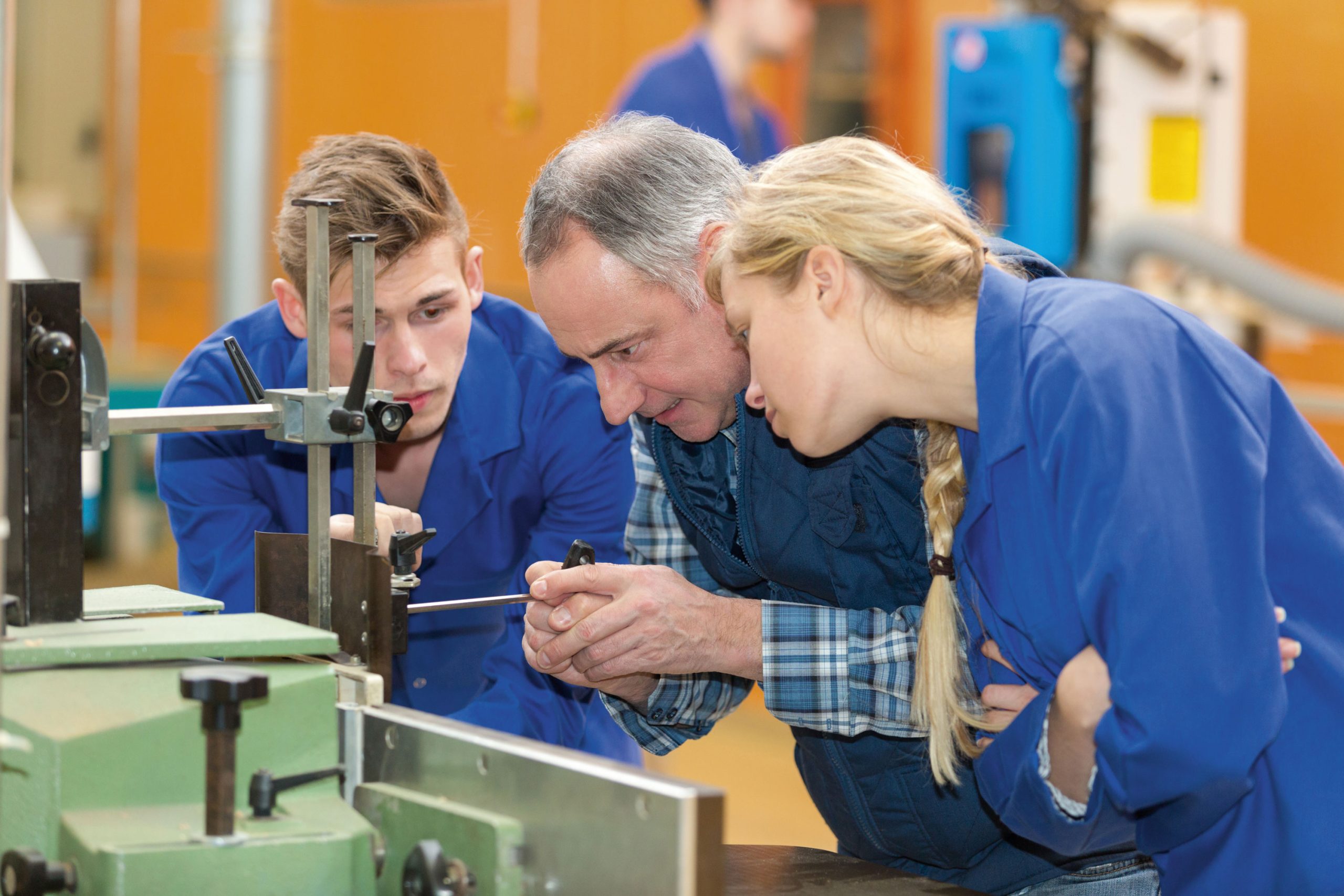
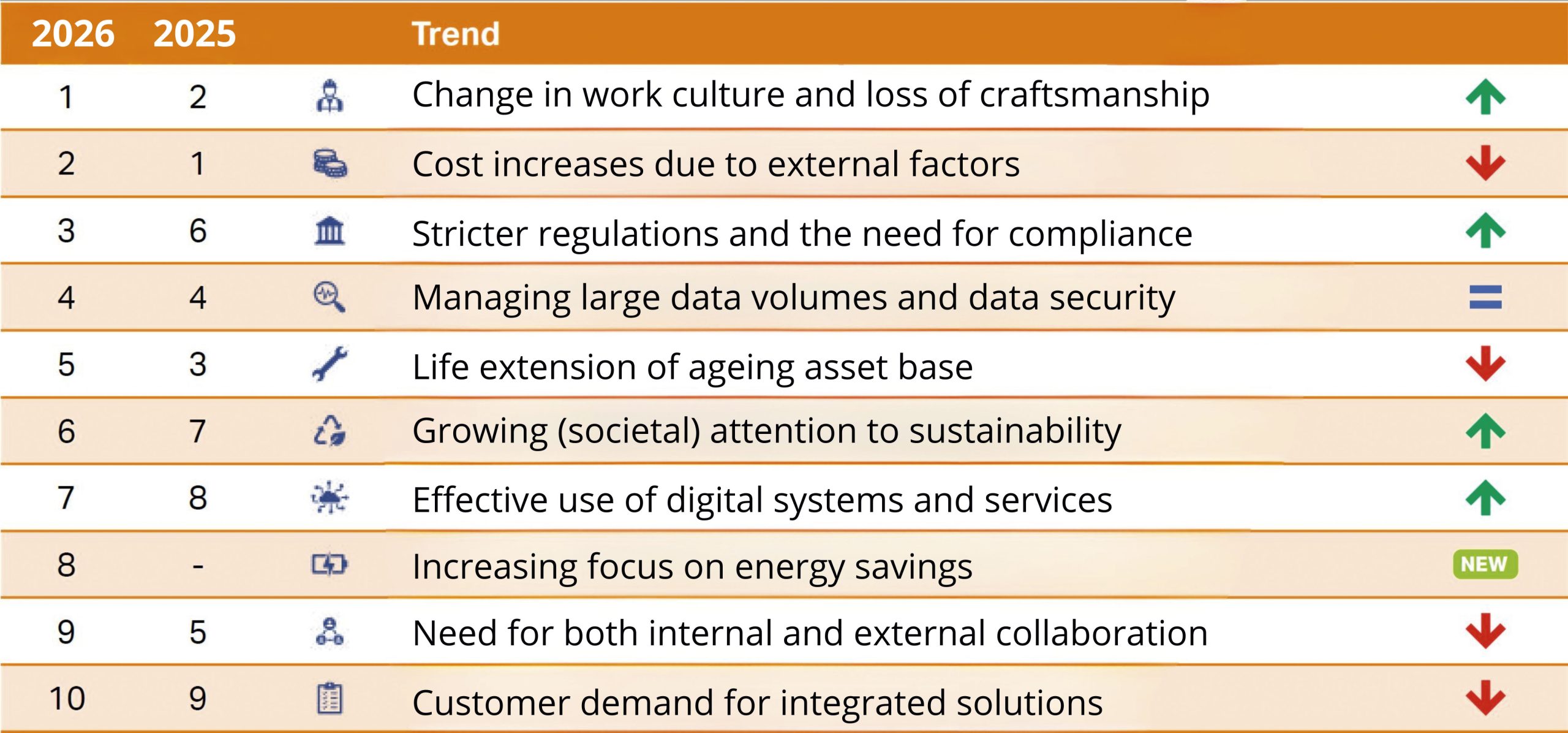
Why the Future of Asset Management is about People as much as Technology? Maintenance and Asset Management are entering a decisive decade. According to the NVDO Maintenance Compass 2025, the sector faces a convergence of major developments: rapid digitalisation, a growing shortage of experienced technicians, and increasing pressure from the energy transition and sustainability goals.
We spoke with Ellen den Broeder-Ooijevaar, General Manager of the Dutch Maintenance Society, NVDO, about the key insights from the research and what they mean for organizations responsible for maintaining critical assets. “Maintenance has always been about reliability and continuity,” she explains. “But the context in which we operate is changing dramatically. Technology, workforce dynamics and societal expectations are all evolving at the same time”.
The Loss of Craftsmanship in the Age of Automation. One of the most striking findings in the NVDO research concerns the labour culture in Maintenance. What is happening according to the recent Dutch Maintenance Compass?
Den Broeder: “We see a clear shift. Traditionally, Maintenance relied heavily on craftsmanship passed down from generation to generation. Many technicians learned their trade through experience on the shop floor. But that type of knowledge transfer is under pressure”.
According to NVDO’s findings, many experienced professionals are approaching retirement while fewer young technicians enter the field. “This creates a knowledge gap,” Den Broeder says.
“When craftsmanship disappears without being properly transferred, organizations become vulnerable in terms of quality, safety and operational continuity.”
At the same time, the expectations of the younger workforce are different. “Young professionals want flexibility, autonomy and meaningful work. Organizations therefore need to rethink how they attract, develop and retain talent in Maintenance.”
Digitalisation is changing the game. At the same time, technology is evolving rapidly. How does digitalisation affect Maintenance according to NVDO’s Maintenance Compass?
Den Broeder: “Digitalisation is transforming Maintenance into a much more data-driven discipline. Sensors, predictive analytics and digital platforms allow us to monitor assets continuously and anticipate failures instead of reacting to them.”
This shift fundamentally changes the role of Maintenance professionals. “In the past, Maintenance was often reactive. Today, the goal is predictive and strategic Asset Management. That requires different competencies: data interpretation, systems thinking and collaboration across departments.”
However, she emphasizes that technology alone is not enough. “Digital tools are powerful, but they must be embedded in the right culture and processes. Without skilled people who understand both the assets and the data, digitalisation will not deliver its full value.”
Maintenance in the Age of Sustainability. Sustainability also plays an important role in the NVDO research. How does Maintenance contribute to that transition?
“Maintenance is actually a crucial enabler of sustainability. Well-maintained assets consume less energy, operate more efficiently and last longer. That directly contributes to climate goals and circularity.”
Organizations increasingly recognise that Asset Management is not just about reliability and cost control, but also about environmental impact. “Extending the lifetime of installations, improving energy efficiency and preventing unnecessary replacements all contribute to a more sustainable industry.” In other words, Maintenance has moved from a supporting role to a strategic one. “Asset Management is now directly linked to corporate strategy.”
From Maintenance Department to Strategic Function in Modern Asset Management. Another important conclusion from the NVDO Maintenance Compass is the growing strategic importance of Maintenance within organizations.
“Historically, Maintenance was often seen as a cost centre,” Den Broeder explains. “But leading organizations increasingly recognise it as a value driver.” Reliable assets are essential for productivity, safety and sustainability. As a result, Maintenance professionals are becoming more involved in strategic decision-making. “We see Maintenance leaders participating in boardroom discussions about asset strategy, risk management and long-term investments. That is a major step forward for the profession.”
The Human Factor Remains Crucial in an Increasingly Digitalised Maintenance Environment. Despite the rise of digital technologies and data-driven approaches, Den Broeder stresses that people remain at the heart of Maintenance.
“Technology can support us, but craftsmanship and expertise are irreplaceable. The challenge is to combine traditional knowledge with new digital capabilities.”
This is why NVDO focuses strongly on education and knowledge development. “We work closely with industry, education and government to strengthen the Maintenance profession. Initiatives such as learning programmes and knowledge platforms help professionals develop the skills needed for the future.”
Collaboration Across the Ecosystem. Another trend highlighted in the research is the growing need for collaboration. Maintenance challenges are becoming more complex and often extend beyond the boundaries of a single organization.
“Supply chains are more interconnected than ever,” Den Broeder says. “Maintenance performance increasingly depends on collaboration between asset owners, service providers, technology suppliers and knowledge institutions.”
Sharing knowledge and best practices therefore becomes essential. “That is exactly the role NVDO aims to fulfil: bringing together professionals from different sectors to exchange insights and accelerate innovation.”
If you look ahead, what will determine success in Maintenance and Asset Management? Den Broeder does not hesitate. “The organizations that succeed will be those that balance technology with human expertise.” They will invest in digital tools, but also in people. They will treat Maintenance not as an operational necessity, but as a strategic capability. “And above all, they will understand that reliability, sustainability and innovation are closely connected.”
She concludes with a clear message; “Maintenance is no longer just about fixing things. It is about managing assets intelligently, sustainably and strategically. That makes our field more important than ever.”
Key Signals from the NVDO Maintenance Compass
• A significant shift in labour culture and a shortage of experienced technicians
• Rapid digitalisation of Maintenance and Asset Management
• Increasing importance of sustainability and energy efficiency
• Growing recognition of Maintenance as a strategic business function
• Stronger need for collaboration across the industrial ecosystem
About the Author:
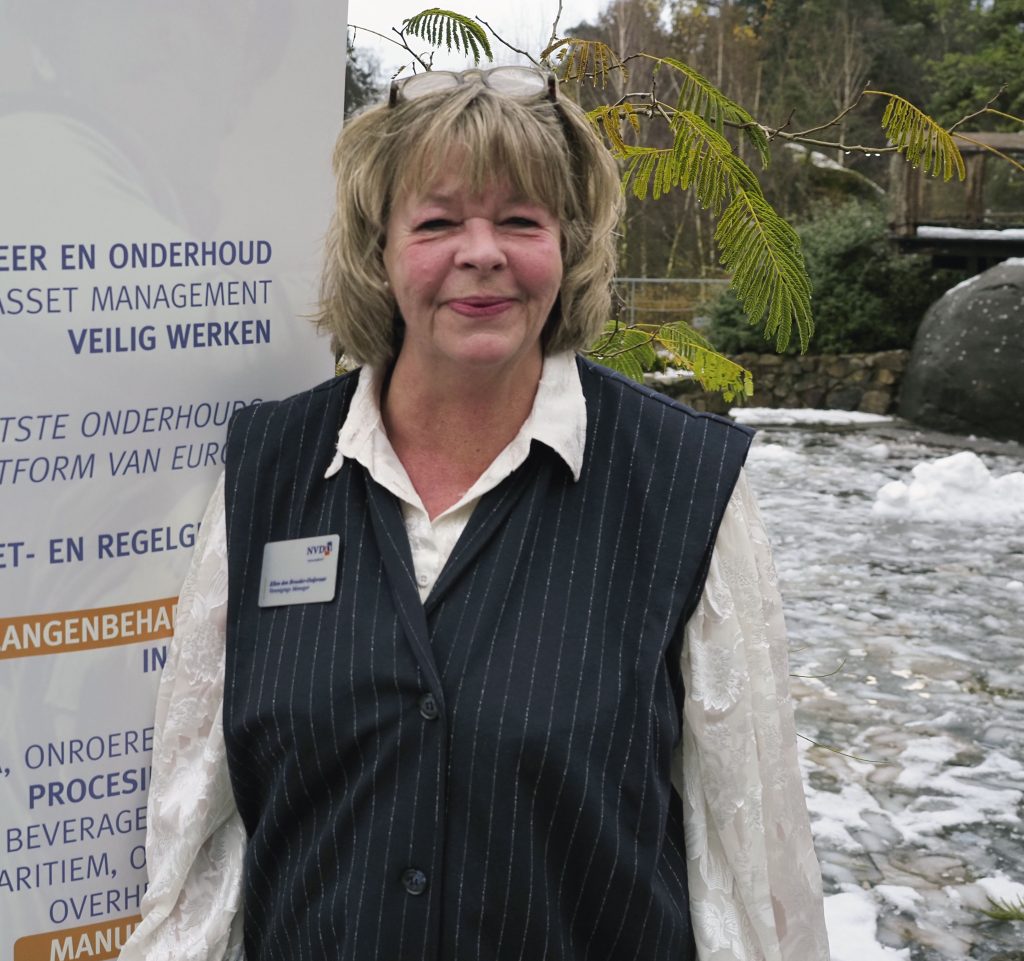
Ellen den Broeder-Ooijevaar, General Manager NVDO; “The biggest transformation in Maintenance is not only digital. It is cultural. Organizations must rediscover craftsmanship while embracing data-driven Asset Management”
Subscribe to the free Maintworld newsletter here!
Stop Pushing Change, Remove the Brakes Instead

Why do so many improvement initiatives stall, even when the benefits seem obvious? According to marketing professor and bestselling author Jonah Berger, the problem is not that people resist change. The problem is that organizations try to push harder instead of removing the barriers that hold people back.
In maintenance and asset management, leaders constantly introduce new ideas: predictive maintenance, digital tools, new work processes, or safety improvements. Yet even well-planned initiatives often struggle to gain traction.
Meetings are held, strategies are communicated, incentives are created. Still, people continue working the way they always have.
The instinct is to push harder with more communication, more pressure, more persuasion. But Berger argues that this approach rarely works. Instead of pushing people toward change, effective leaders act as catalysts. They focus on removing the obstacles that prevent change from happening in the first place. This idea is captured in the REDUCE framework, which identifies five common barriers that slow down or stop change.
The REDUCE Framework highlights five “parking brakes” that hold organizations in the status quo:
Reactance
When people feel pushed, they push back. Instead of telling teams what to do, leaders should give them agency. Asking questions or offering choices often works better than issuing directives.
Endowment
People value what they already have. Even if a new system is better, the current process feels safer and familiar. Successful change leaders highlight the hidden costs of staying the same and make switching easier.
Distance
If a proposed change feels too radical, people reject it outright. Breaking change into smaller steps can bring it closer to people’s comfort zone.
Uncertainty
People hesitate when outcomes are unclear. Pilot projects, trials, and demonstrations can reduce the risk people feel when trying something new.
Corroborating Evidence
One voice is rarely enough. Change spreads faster when people hear similar messages from multiple trusted sources across the organization.
What This Means for Maintenance Leaders. Maintenance organizations often operate under pressure: reliability targets, cost control, safety requirements, and digital transformation. In such environments, it is tempting to drive change quickly through mandates. But catalysts take a different approach. Before launching the next initiative, ask a different question: What is stopping people from changing already?
Maybe technicians are uncertain about a new predictive maintenance tool. Maybe planners believe the current system works well enough. Or maybe the change feels too large to adopt all at once.
Identifying these “parking brakes” allows leaders to remove friction instead of adding pressure.
The key lesson from Berger’s work is simple: people rarely change because they are persuaded. They change when barriers disappear.
In maintenance organizations, where experience and established routines run deep, this insight is especially valuable.The next time an improvement initiative slows down, resist the urge to push harder. Instead, look for the brakes.
Author bio
Jonah Berger is a professor at the Wharton School of the University of Pennsylvania and an internationally bestselling author. His book The Catalyst: How to Change Anyone’s Mind explores why change is difficult and how leaders can remove the barriers that prevent it.
Text: Mia Heiskanen
Photo: Pasi Salminen
Subscribe to the free Maintworld newsletter here!
Labour Shortages Now a Structural Risk to Workplace Safety, EU-OSHA Warns
Europe’s labour shortages are hardening into a long-term structural challenge, and they are increasingly intertwined with workplace safety risks, according to a new analysis from the European Agency for Safety and Health at Work (EU-OSHA).
The agency’s findings suggest that an ageing workforce, rapid technological change and the green transition are reshaping labour markets in ways that intensify staffing gaps across nearly all sectors.
While healthcare, ICT and skilled trades remain the most visibly affected, EU-OSHA notes that few industries are untouched. And the consequences extend far beyond unfilled vacancies.
When teams shrink, the remaining workers often face heavier workloads, faster work pace, longer hours and more irregular schedules. These pressures heighten exposure to musculoskeletal strain, accidents and psychosocial stress – conditions that can push even more workers out of the labour market.
EU-OSHA describes this as a “tightening feedback loop”: shortages worsen safety and health conditions, and deteriorating conditions make it harder to recruit and retain staff. Poor occupational safety and health (OSH) performance becomes not just a symptom of labour scarcity, but a driver of it. Organisations that invest in strong OSH systems—clear procedures, ergonomic design, predictable schedules, supportive management—tend to retain workers more effectively and attract new ones even in competitive labour markets.
Prevention, the agency argues, is no longer just a compliance obligation; it is a competitive advantage.
The analysis outlines several channels through which OSH can strengthen labour supply. Safer workplaces reduce early exits due to injury or illness. Better working conditions improve the appeal of sectors struggling to recruit. Jobs designed for older workers and proper rehabilitation help people stay in work longer. At the same time, clear safety training helps new workers become productive faster without increasing the risk of accidents.
EU-OSHA also warns that poorly designed responses to shortages can backfire. Accelerated recruitment, compressed training or excessive overtime may ease short-term pressure but often increase long-term risks to workers and productivity.
To avoid this, the agency calls for OSH considerations to be embedded directly into labour shortage strategies at company, sector and policy levels.
For workplace safety professionals, this means explicitly accounting for understaffing, fatigue and time pressure in risk assessments. It also requires maintaining robust onboarding systems, ensuring training is not skipped, and monitoring psychosocial risks such as stress and burnout. Indicators like overtime levels or sickness absence can serve as early warning signs of overload.
Worker representatives, EU-OSHA notes, play a crucial role in ensuring that chronic understaffing does not erode protections. Treating persistent shortages as a safety hazard, safeguarding the voluntary nature of extra work and protecting the right to refuse unsafe tasks are highlighted as essential. Tight labour markets also give representatives leverage to push for improvements in job quality that support retention.
Employers, meanwhile, are encouraged to compete not only on wages but on overall job quality. Predictable hours, ergonomic workplaces, clear career pathways and consistent safety practices are all cited as key retention tools. Even under staffing pressure, safety checks, equipment maintenance and supervision must be preserved. An open safety culture—where workers feel able to report risks—is described as indispensable.
At policy level, EU-OSHA urges national governments and EU institutions to integrate OSH indicators, such as injury rates or burnout levels, into labour shortage strategies with clear targets.
Investments in labour inspectorates, training systems and data collection should explicitly consider their impact on workforce participation and productivity. Public procurement and social dialogue are identified as important levers for spreading good practice.
Labour inspectorates are encouraged to focus enforcement where shortages are most acute, ensuring that working time rules, training requirements and safety procedures are not eroded under pressure. Better use of data and closer cooperation with social partners are seen as essential for identifying systemic risks early.
In short, the European Agency for Safety and Health at Work views workplace safety as an economic strategy: improving safety helps retain workers, attract new talent, and boost productivity, especially in times of labour shortages.
ELA report – Key highlights for manufacturing
• Skilled trades are at the centre of labour shortages in manufacturing, with roles like welders, machinists and machine operators consistently hard to fill. According to the European Labour Authority, these shortages have remained unchanged for years, pointing to a structural problem.
• Demand for skilled workers remains high despite digitalisation and the green transition, meaning the need for experienced workers on the shop floor is not going away.
• Labour shortages increase pressure on existing staff, who often have to take on more tasks, run multiple machines or work longer hours—raising safety risks in already demanding and hazardous environments.
• Improving job quality is essential: better training, safer workplaces and clear career paths can help attract and retain workers, while a lack of improvements will likely keep shortages in place long term.
(Labour shortages and surpluses in Europe 2024, ELA)
Text: Nina Garlo-Melkas
Subscribe to the free Maintworld newsletter here!
Reliability Is Built by People
Industrial maintenance is undergoing a major transformation. Artificial intelligence and today’s highly advanced technologies have made real-time condition monitoring almost routine. AI-driven solutions are being piloted at an accelerating pace, […]
Industrial maintenance is undergoing a major transformation. Artificial intelligence and today’s highly advanced technologies have made real-time condition monitoring almost routine. AI-driven solutions are being piloted at an accelerating pace, and more data is being collected than ever before. It is easy to believe — and to convince ourselves — that technology alone will solve the future challenges of maintenance.
Yet amid this technological enthusiasm, it is important to remember one fundamental truth that has not changed: reliability is still built by people. Our journalist Mia Heiskanen interviewed Maroua Ouerghemmi, Senior Manager for the United Kingdom and the Nordics at The Coca Cola Europacific Partners CCEP, for this issue’s cover story. In the article, Ouerghemmi captures the essence of the matter perfectly. According to her, trust, clarity, and the ability to turn strategy into everyday actions are just as important as the most advanced analytical tools. Without these elements, technology easily remains disconnected from daily operations — the potential exists, but the impact falls short.
Maintenance is not only about processes and systems; above all, it is about collaboration between people. Trust is built in everyday work: in how information is shared, how mistakes are handled, and how decisions are made. Clarity means that everyone understands their role and objectives. Only then can broad strategies be transformed into practical actions on the factory floor.
The maintenance environment is often demanding and high-pressure, and success requires the ability to understand the people behind the numbers. The best leadership is ultimately about leading people.
Communication between professionals cannot be one-directional. It must be based on dialogue, interaction, and flexibility for everyone involved in the process. Empathy is not merely a soft addition to leadership; when applied correctly, it can become a genuine competitive advantage. It improves engagement, communication, and ultimately operational reliability.
A company may have the world’s best ERP systems, cutting-edge technology, and advanced AI tools, but if its people are not committed to the company’s story, values, and goals, much of it becomes meaningless. People create the results.
The human dimension becomes even more important in today’s modern and diverse workplaces. Factories now employ professionals from all over the world, and a single production facility can become a true melting pot of cultures.
This should not be seen as a challenge, but as an opportunity. During the construction of the West Metro project in Finland (2009–2017), infrastructure professionals from as many as 33 different countries worked together. This kind of diversity enriches expertise in ways that cannot easily be achieved otherwise.
In the future of maintenance, the winners will be the organizations that combine the possibilities of technology with a strong human foundation. Data can tell us what is happening — but people decide what will be done about it.
Jari Kostiainen

Subscribe to the free Maintworld newsletter here!
Sewage Sludge Isn’t Just Waste Anymore — Utilities Are Becoming Resource Factories
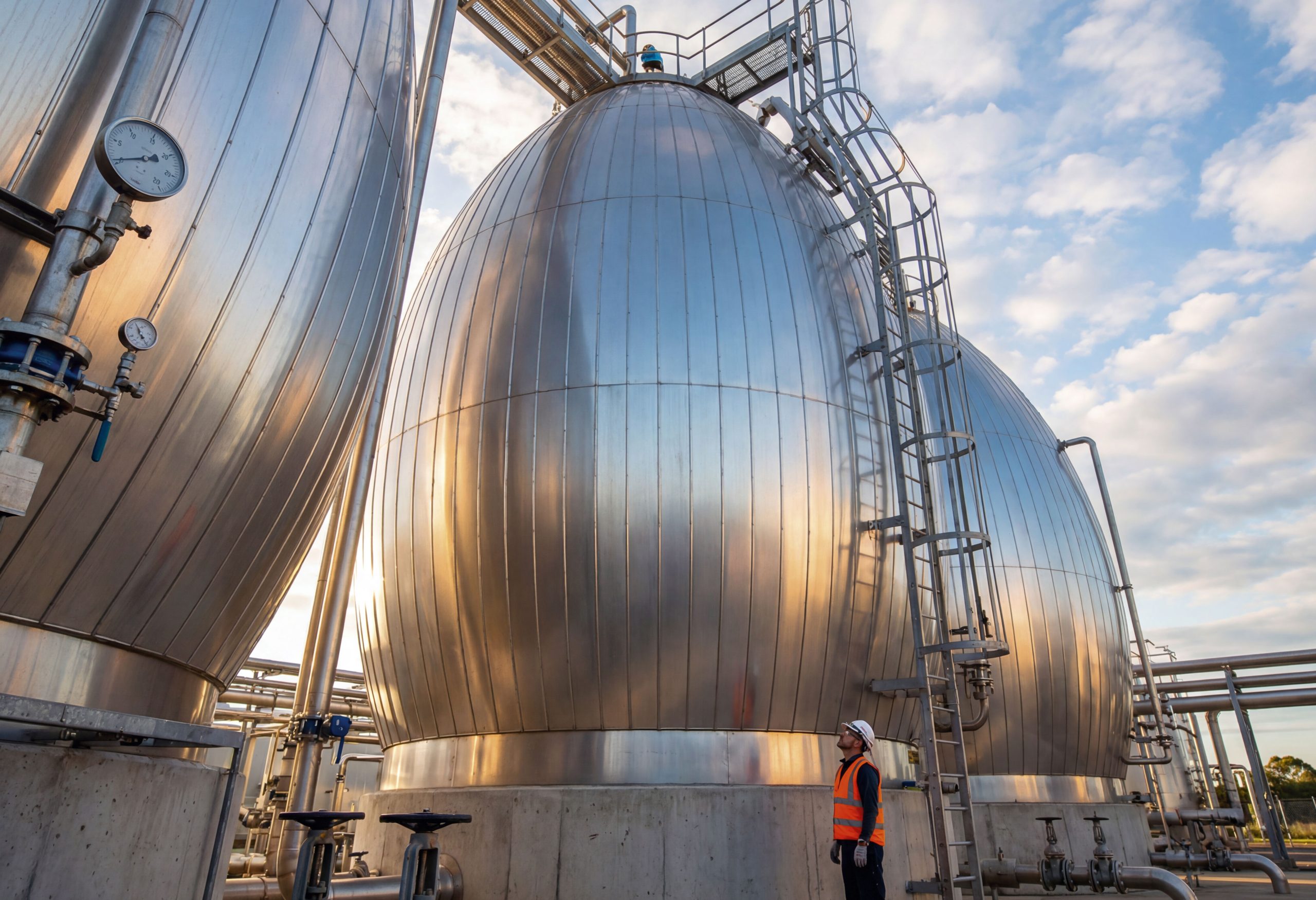
Energy, nutrients, and carbon products are moving into the core of wastewater operations. But what does that shift look like in practice?
For decades, sewage sludge was the part of wastewater treatment utilities preferred not to talk about. It was heavy, wet, costly to move, and ultimately something to dispose of. That framing is now changing fast and not just in policy documents or sustainability reports, but in day-to-day plant design and operations.
Across Europe and North America, wastewater utilities are beginning to treat sludge not as a disposal problem, but as a feedstock. Energy, nutrients, and even carbon products are being extracted from what used to be written off as waste.
The shift is often described in policy language—circular economy, resource efficiency, decarbonisation—but its real meaning only becomes clear when you look at how plants are operating.
“This is not just a conceptual change. It is an operational one,” says Water & Sanitation Expert, Eng. Ayman Abdallah AbuRowaa.
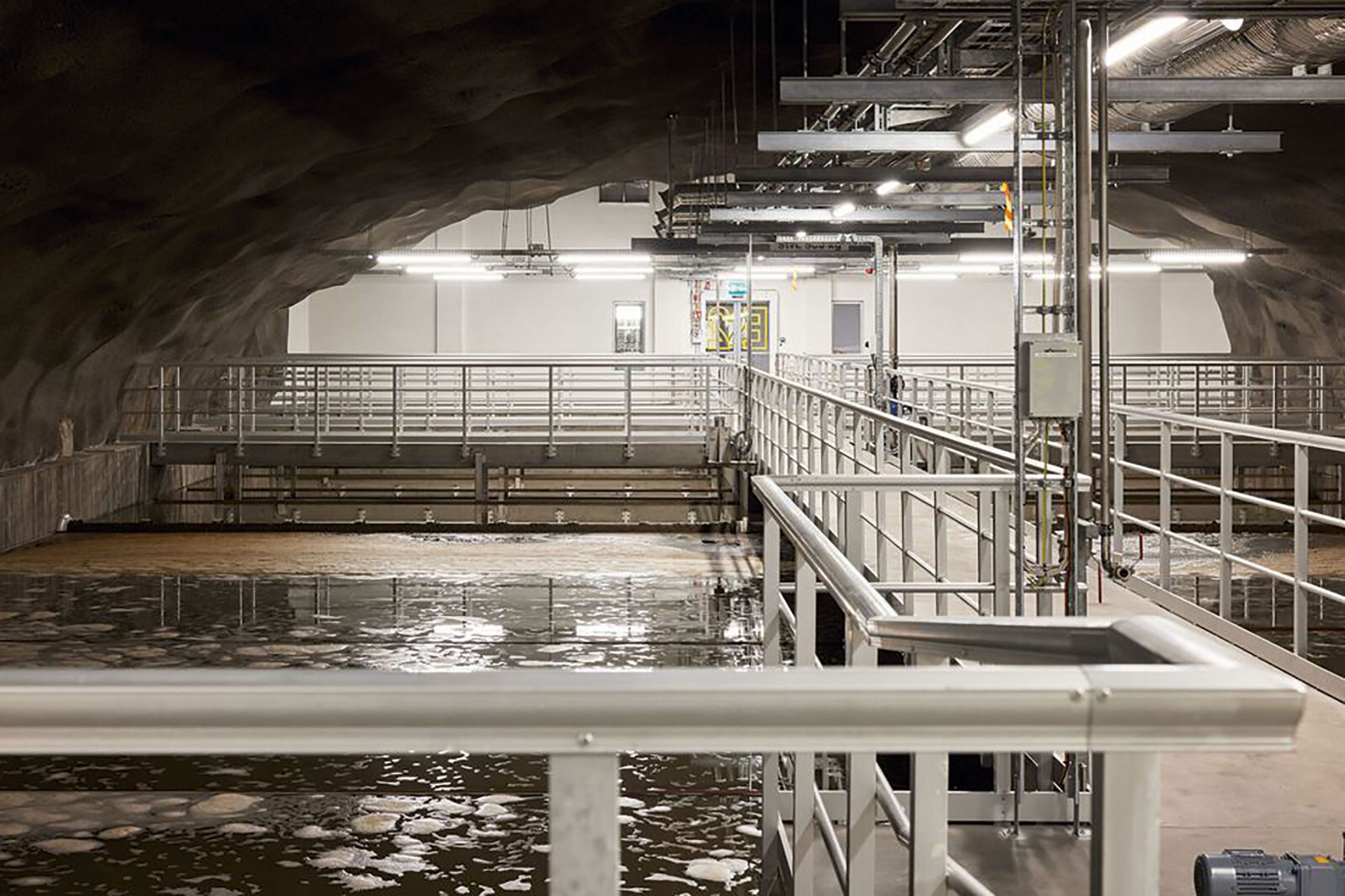
The industry’s terminology hints at the scale of the shift. Wastewater treatment plants (WWTPs) are increasingly being reframed as water resource recovery facilities (WRRFs). This distinction matters.
“It’s not just rebranding. The direction of travel is clear,” AbuRowaa notes.
A traditional plant is designed to remove contaminants from water as efficiently and safely as possible. A resource recovery facility is designed to do that and extract value from the residual streams at the same time.
In practice, this means that sludge is no longer the end of the process. It becomes the starting point for a set of parallel production lines.
An example of such transition that is already underway is at WSSC Water in Maryland, United States. There, enhanced biological phosphorus removal is already part of the core treatment process, biogas production is being scaled up, and the utility is now exploring how to recover phosphorus from biosolids as a marketable product.
None of these steps, on their own, is revolutionary. Together, they signal something more fundamental: a steady move away from “treat and dispose” toward “recover and reuse.”
AbuRowaa notes that the “resource” in sludge is not a single product but a portfolio of many potential outputs.
Biogas is the most established pathway. Through anaerobic digestion, sludge is broken down by microorganisms, producing methane-rich gas. Many large utilities already use this gas on-site to generate electricity and heat, reducing their reliance on external energy. Some go further, upgrading the gas and injecting it into the grid or selling it as transport fuel.
Nutrient recovery is moving from niche to mainstream. Technologies such as struvite precipitation allow utilities to extract phosphorus and nitrogen from sludge streams and convert them into slow-release fertilizers. Given that phosphorus is a finite and geopolitically concentrated resource, this has both economic and strategic value.
Nutrient recovery can cut chemical costs, reduce biosolids volumes (which cuts hauling fees), and generate offtake revenue from fertilizer products. Ostara, one of the best-known companies in wastewater nutrient recovery and similar players now offer turnkey deals with multi-year fertilizer offtake agreements, which shifts the risk profile for a utility that doesn’t want to become a commodity trader.
One Croatian techno-economic study found struvite recovery — the process of crystallising phosphorus into a slow-release fertilizer — to be the top-ranked option when economic and environmental criteria are evaluated together. It’s a finding that matters, AbuRowaa notes, because “green” and “cheap” so rarely point in the same direction.
Biosolids products—treated sludge used in agriculture or landscaping—remain a major outlet. In higher-grade forms, these materials can be composted, packaged, and sold rather than simply disposed of. Beyond these, newer pathways are emerging. Pyrolysis can convert sludge into biochar, a stable carbon material with applications in soil improvement and carbon sequestration.
Other – more experimental routes – include incorporating sludge into construction materials such as bricks or cement blends.
Taken together, these streams begin to resemble a small industrial ecosystem rather than a waste operation.
In Finland, Helsinki Region Environmental Services (HSY) offers a concrete example of how this shift plays out at scale.

HSY operates the Viikinmäki and Blominmäki wastewater treatment plants, which serve the Helsinki metropolitan area. Both facilities already integrate energy and nutrient recovery into their core operations.
Biogas produced from sludge digestion is used to generate electricity and heat, bringing the plants close to—or in some cases effectively at—energy self-sufficiency. This is not a marginal gain; it directly reduces operating costs and exposure to energy price volatility, AbuRowaa says.
On the materials side, dewatered sludge is processed into compost products, recycling significant quantities of phosphorus and nitrogen back into agricultural and landscaping use. Rather than leaving the system as waste, these nutrients re-enter the economy.
HSY has also works with Gasum, the Nordic energy company that specialises in biogas upgrading and distribution, to turn raw digester gas into transport-
grade fuel. This extends the value chain beyond the plant itself resulting in a clear “sludge-to-energy” pathway and links wastewater treatment directly with the wider energy system.
“This is not a pilot or demonstration project. It is standard operation,” AbuRowaa notes.
The same pattern is visible elsewhere. At the Blue Plains facility in Washington, D.C., United States, operated by DC Water, sludge is processed into a branded soil product marketed to farmers, landscapers, and even home gardeners. The plant combines advanced digestion technologies with large-scale production, turning what was once a disposal challenge into a recognizable commercial output. Examples like these matter as they show that the shift is not confined to one regulatory environment or geography. It reflects a broader change in how utilities think about their role.

So, why the shift is happening now? Three forces are driving this transition, AbuRowaa says.
First, economics. Resource recovery can offset operating costs—through energy savings, reduced chemical use, and lower volumes of material requiring disposal. While the revenues are rarely transformative on their own, they improve the overall cost structure.
Second, risk. Traditional disposal routes are becoming less reliable. Landfills are reaching capacity, incineration faces tighter emissions standards, and agricultural reuse is under increasing scrutiny.
Utilities that depend on a single outlet for sludge face growing uncertainty. Diversifying into multiple recovery pathways provides resilience.
Third, policy and climate pressure. Cities and utilities are under increasing pressure to reduce emissions and move toward circular systems. Biogas can displace fossil fuels, and nutrient recovery reduces reliance on mined resources. These benefits are increasingly reflected in regulatory frameworks and long-term planning.
The direction of travel is clear: sludge is being repositioned as a resource. But the shift brings complexity with it, AbuRowaa notes.
Resource-recovery systems are more technologically demanding, more capital-intensive, and more sensitive to operational conditions than traditional disposal routes. They also depend on markets—for energy, fertilizers, or materials—that can be volatile or policy-dependent.
In other words, the story does not end with “waste becomes resource.” That is where it begins. The next question is harder: does this model work—economically, operationally, and at scale?
“That is where the optimism around sludge circularity starts to meet reality,” AbuRowaa says.
As plants shift from simple disposal systems to multi-stream production facilities, the operational demands rise sharply. More equipment, more sensors, more biological processes running in parallel leave far less room for failure. A digester that once served a single purpose can now feed heat recovery, gas upgrading, nutrient extraction, and downstream solids processing. A “hiccup” in one line can spread across the entire system.
That interdependence changes the nature of risk. In a conventional plant, a pump failure or a clogged line is an operational headache. In a resource-recovery facility, the same failure can halt biogas production, disrupt nutrient recovery, damage equipment, and trigger costly downtime. The more value a plant extracts, the more vulnerable it becomes to small disruptions.
One issue, AbuRowaa points out, is certain: the success of these new systems depends on something often far less visible. Maintenance.
“Maintenance is one of those topics that sounds boring — until the digester fails on a Tuesday afternoon and suddenly the whole circular economy story falls apart.”
A 2026 review by IWA Publishing notes that as utilities adopt resource‑recovery technologies, they increasingly rely on predictive maintenance and automated fault detection to keep more complex systems running reliably.
“The plants that succeed will not be the ones with the newest technology, but the ones that keep it running every single day,” AbuRowaa says. “Sludge has stopped being waste. Now we have to make sure circularity doesn’t become the next thing we throw away.”
***
Next issue preview: We will continue the circularity theme in Maintworld 3/2026 with Circular Sludge Systems Don’t Fail on Technology—They Fail on Maintenance. The article will examine why resource‑recovery systems depend less on new technology and far more on stable operations, reliable data, and the people who keep processes under control.
Text: Nina Garlo-Melkas Photos: HSY, Ayman Abdallah AbuRowaa
Ayman Aburowaa

Ayman AbuRowaa, MSc, PMP®, PMI-RMP® is a Water & Sanitation Expert and consultant with 13+ years of experience advancing wastewater management, circular economy solutions, and climate-resilient infrastructure across Jordan and the wider region. He most recently served as a Wastewater Management & Operation Expert with GITEC-IGIP GmbH, a German consulting and engineering company that works mainly in the fields of water, wastewater, sanitation, and infrastructure development. AbuRowaa has led national sludge management programs, delivered multimillion-dollar projects, and supported utilities and development partners in improving performance, reducing emissions, and turning waste streams into valuable resources.
Subscribe to the free Maintworld newsletter here!
Where can we find future maintenance experts?

European economic growth is expected to settle at around 1–1.5 percent in the euro area and the EU in 2026. Growth is moderate, but the trend has turned.
In Europe, industry in particular has shown signs of recovery in the early part of the year. Germany has increased its investments in defense and infrastructure, Poland’s economy is growing faster than the EU average, and in several countries, industry is once again acting as the economic driver. In Finland, too, the industrial recovery is bringing much-needed positive momentum.
As production lines accelerate and investments increase, a question arises that directly affects the field of maintenance: are there enough people who know how to do it?
There is already a shortage of experienced maintenance experts. At the same time, the level of demands in the field is rising.
Maintenance is no longer just about fixing faults or performing predefined maintenance tasks. It is increasingly about understanding systems, interpreting data, and making proactive decisions.
Technological upheaval has rapidly changed professional images.
The job of a maintenance engineer is not the same as it was a decade ago. Real-time condition monitoring, sensor technology, data analytics and artificial intelligence-based predictions are part of everyday life in many organizations. This development does not reduce the need for experts – on the contrary. It changes the focus of expertise.
Tomorrow’s maintenance will require professionals who, in addition to measurement technology, also master data management, analytics and reporting. The ability to combine technical understanding with digital tools is needed.
Maintenance is no longer routine, but expert work and its value is directly reflected in the reliability and competitiveness of production.
Therefore, one key question for us is: where do we find these new factors?
Perhaps we need to look in that famous mirror. Could maintenance also offer an attractive career path for experts in information technology, automation or data analytics?
Could we communicate our industry more boldly from a technology and impact perspective – not just as a support function, but as a strategic competitive factor?
Maintenance is the invisible backbone of society. It ensures that factories run, energy flows and infrastructure functions. When we succeed in making this visible and opening the doors to multidisciplinary expertise, the industry can become even more attractive.
The creators of the future may not yet know that they belong to maintenance. Our job is to tell them why they should.
Jari Kostiainen
Subscribe to the free Maintworld newsletter here!
Smart Manufacturing and Predictive Maintenance Drive Growth in the Industrial Automation Market
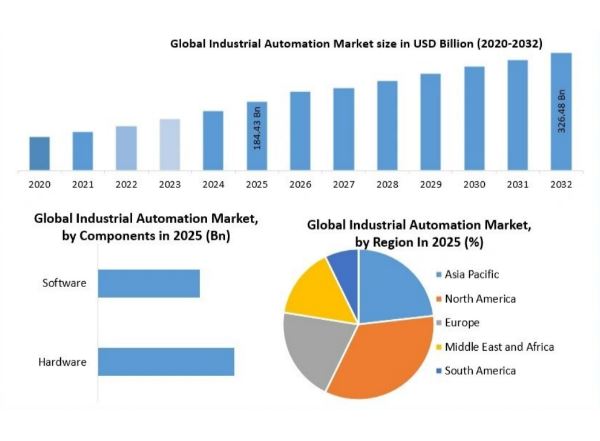
The global industrial automation market is projected to reach US$ 326.48 billion by 2032.
The market was valued at US$ 184.43 billion in 2025 and is expected to grow at a compound annual growth rate (CAGR) of 8.5% from 2025 to 2032, reaching nearly US$ 326.48 billion by 2032, according to Maximize Market Research.
Hardware Segment Maintains Market Leadership
By component, hardware accounted for the largest share of the market in 2025, capturing approximately 50–60%. Growth is driven by increasing demand for physical components in manufacturing automation systems. Industrial robots, programmable logic controllers (PLCs), human–machine interface (HMI) panels, and sensors form the backbone of automation infrastructure.
Investment in robotics and advanced control systems is expected to remain strong, particularly in the automotive, electronics, and energy utilities sectors.
Software and Services Gain Momentum
The software and services segment is experiencing accelerated adoption, fueled by smart manufacturing solutions, AI-driven process control, and real-time analytics platforms. This segment is projected to grow faster than hardware, as companies increasingly deploy predictive maintenance, remote monitoring, and data-driven optimization to improve operational efficiency.
Industrial Robotics at the Core of Innovation
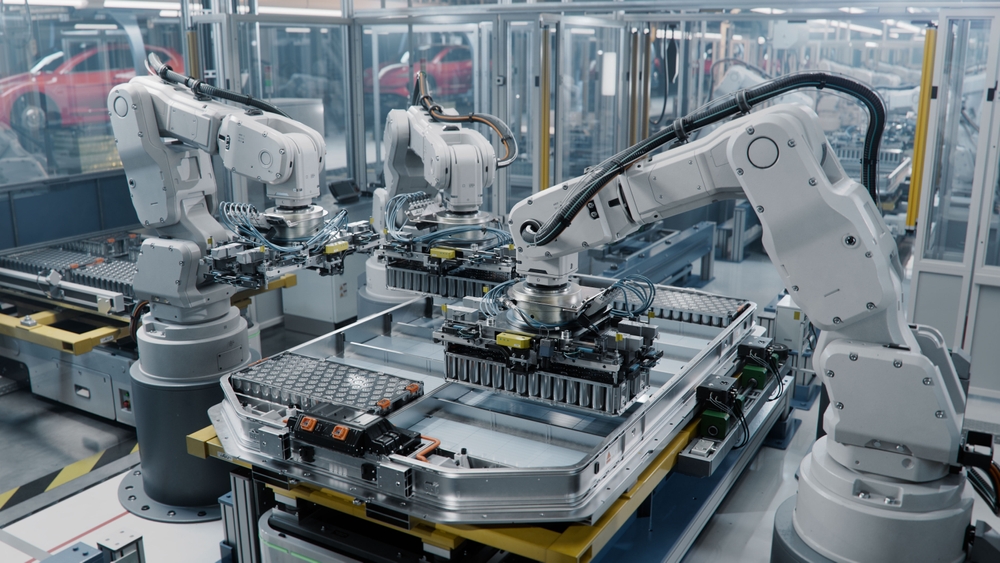
Industrial robots continue to be a key driver of automation growth. Collaborative robots (cobots) and AI-enabled systems are increasingly deployed in assembly, welding, and material handling applications.
Emerging markets in Asia-Pacific, particularly China, are contributing significantly to growth, with a reported 23% year-on-year increase in units shipped in 2022.
Predictive Maintenance and Functional Safety in Focus
Predictive maintenance systems, AI-driven diagnostics, and industrial IoT platforms are transforming manufacturing operations by reducing unplanned downtime and improving equipment performance.
At the same time, safety automation solutions are becoming increasingly critical to prevent workplace accidents and ensure compliance with IEC and ISO functional safety standards.
Automotive Sector Leads End-Use Adoption
The automotive industry remains the largest end-user of industrial automation technologies due to its reliance on precision manufacturing, assembly line automation, and advanced quality control systems.
Automation enables higher productivity, reduced production errors, and improved operational efficiency, positioning the automotive sector as a primary driver of market expansion.
North America Leads, Europe and APAC Close Behind
North America currently leads the global industrial automation market, supported by strong adoption of advanced robotics, smart manufacturing technologies, and high exports of automation equipment.
Europe and the Asia-Pacific region follow, driven by IoT-enabled Industry 4.0 initiatives and government-backed industrial modernization programs.
Consolidation Reshapes the Competitive Landscape
Mergers, collaborations, and strategic partnerships are reshaping the industrial automation sector. Leading providers are integrating AI, IoT, and cloud-based capabilities into unified platforms, expanding product portfolios and delivering end-to-end smart manufacturing solutions.
Subscribe to the free Maintworld newsletter here!
Local Water Supply Crucial to the Success of Europe’s Hydrogen Initiative
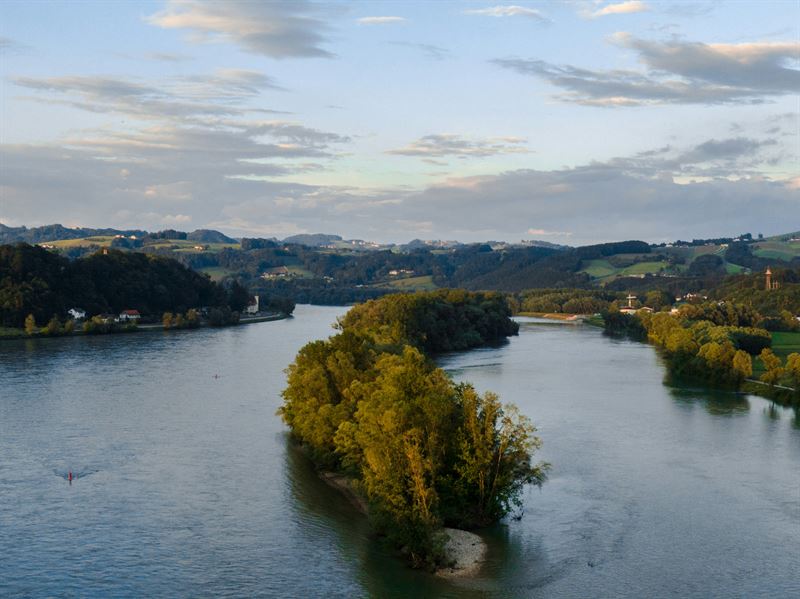
Large-scale green hydrogen production requires sustainable water management to prevent local shortages and potential conflicts with agriculture over access to resources.
A new study from Chalmers University of Technology shows that careful planning of hydrogen production sites, combined with appropriate technology choices, will be essential to ensure that large-scale deployment does not create water stress in parts of Europe.
The study, published in Nature Sustainability, explores different scenarios for how Europe’s hydrogen production could affect water resources, electricity prices, and land use by 2050 – a milestone year for many countries’ carbon reduction commitments and potential widespread adoption of hydrogen technologies.
“We can show that even if hydrogen production does not require very much water in total compared to say agriculture, the local effects can be significant. This is because it’s better to produce hydrogen in close proximity to industry and access to renewable electricity, which generally means areas where water resources are already under strain,” says Joel Löfving, doctoral student at the Division of Transport, Energy and Environment at Chalmers.
Sörmland and Roslagen are high-risk areas
For Sweden, it is anticipated that the water supply in the Sörmland and Roslagen regions, for example, is going to be hard pressed even without hydrogen production in 2050.
“In Sörmland there is already a steel mill and a refinery. If they were to switch to hydrogen and use local water sources to produce it, this could exacerbate the projected water shortage.”
“Also in the Roslagen region northeast of Stockholm, we can see that it might be difficult to source local water for the production of green hydrogen, and in the Bohuslän region on the Swedish west coast, and parts of Norrland in the north, large-scale hydrogen production could increase water withdrawal by more than 50 per cent.”
“Although the water supply there is considered to be good, there is a risk that this production could have a significant impact on the natural environment”, Löfving says.
Over 700 Water Sub-Basins Analysed Across Europe
The study analysed more than 700 local water sub-basins across Europe. Similar patterns to those identified in Sweden were found in several other regions. In southern and central Europe, where strong solar and wind resources make green hydrogen production particularly attractive, access to water is projected to be highly constrained by 2050 due to existing stress and climate change impacts.
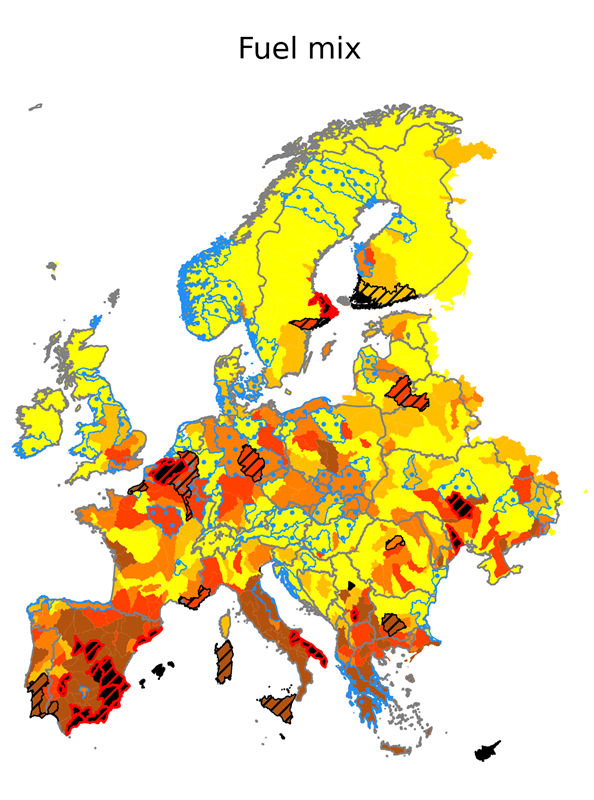
Major industrial clusters in Spain, Germany, France, and the Netherlands could therefore face conflicts with agriculture and other sectors over water use.
“There are many potential conflicts around water as a resource, but also many solutions, such as seawater desalination or the reuse of water from wastewater treatment plants. There are also interesting synergies, as the oxygen that remains from the hydrogen production could be used in the processes that treat the wastewater. Hydrogen has great potential to contribute to the climate transition, but we need to find sustainable ways to manage water resources – for the production of fuel and for agriculture,” says Löfving.
Limited Impact on Electricity Prices
In addition to water use, the researchers assessed how a large-scale hydrogen economy could influence Europe’s electricity prices. By integrating their hydrogen model into Chalmers’ Multinode energy system model, they estimated regional price changes under different scenarios.
Electricity demand increases substantially with hydrogen production, as replacing fossil fuels requires significant electrical input. Despite this, the study shows that the impact on average European electricity prices remains relatively modest.
Regions with strong access to renewable energy, such as northern Europe, experience the smallest price effects. In contrast, some southern European regions with greater reliance on gas or nuclear generation could see larger price increases.
Balancing System-Level Trends and Local Impacts
Large-scale green hydrogen production would require significant expansion of solar and wind power capacity. However, the study estimates that the additional land use would account for only a few percent of the land currently used for agriculture – considerably less than what would be needed to generate the same energy through biofuels.
Previous research has typically focused either on local impacts or on broader system-level effects. This study combines both perspectives.
“If we are going to build the future’s energy system, we need to understand both the broad patterns and the local consequences. By considering risks, we will be able to manage them, and thus create more certainty for investments in green technology,” says Löfving.
About the Research
The study, “Resource requirements and consequences of large-scale hydrogen use in Europe,” was published in Nature Sustainability. The authors are Joel Löfving, Selma Brynolf, Maria Grahn, Simon Öberg, and Maria Taljegard, all affiliated with Chalmers University of Technology. The research was conducted within the competence centre TechForH2 and the Division of Transport, Energy and Environment in collaboration with the Division of Energy Technology.
Subscribe to the free Maintworld newsletter here!
Case: Next-Generation Data Center Cooling Built on Polymer Flow Solutions
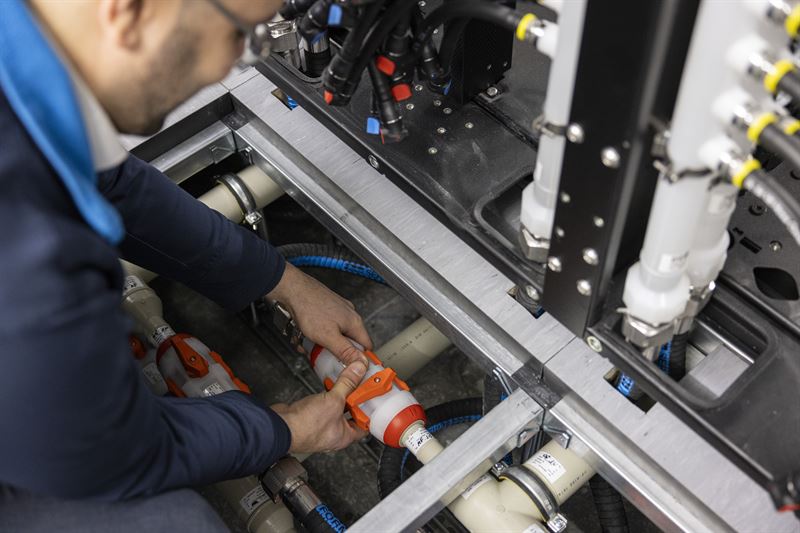
As data center operators increase rack densities and accelerate the adoption of direct liquid cooling, the requirements for cooling infrastructure are rapidly evolving.
GF and Rittal have collaborated to deliver a fully integrated cooling solution for NETMOUNTAINS’ new colocation data center in Velbert, Germany.
GF supplied the entire polymer-based cooling loop for the project – from the chiller and dry cooler all the way to the rack and chip – covering the FWS, Technology Cooling System (TCS), and HVAC. Rittal serves as the complete solution provider for IT infrastructure and cooling equipment, integrating the full cooling ecosystem.
Designed for expansion
NETMOUNTAINS’ latest data center has been designed for maximum project flexibility, enabling seamless multi-megawatt scalability to grow in line with customer requirements. The cooling infrastructure is engineered to support these future demands, accommodating rack densities of 66 kW, flow rates of approximately 1.2 l/s per server, and operating temperatures of 45/55°C in the TCS and 45/35°C in the FWS.
“Our role is to bring all elements of the cooling ecosystem together into one reliable, integrated solution,” explains Felix Kremelic, IT Projects Lead at Rittal.
The cooling distribution unit delivers a cooling output of more than one megawatt in a compact rack format. Its modular design allows easier integration into data centers during live operations.
Why polymers matter in modern data centers
As direct liquid cooling gains broader adoption, polymers are increasingly replacing metal in mission-critical cooling loops. Unlike metal piping, engineered thermoplastics are inherently corrosion-free and do not release particles into the coolant, helping maintain coolant purity and significantly reducing system rinsing requirements.
In addition, polymer systems offer lower weight, high chemical resistance, and lower thermal conductivity, supporting stable and efficient cooling performance. Welded polymer connections ensure long-term leak tightness and reliable operation, making them well suited for modern CDUs and high-performance computing (HPC) environments.
“Increasing rack densities and the wider adoption of direct-to-chip liquid cooling are fundamentally changing the requirements for data center cooling infrastructure,” says Ergin Sarac, Data Center Specialist at GF.
“Instead of isolated systems, operators need fully integrated cooling loops,” explains Ergin Sarac.
Subscribe to the free Maintworld newsletter here!
Latest